What causes mouse sensor spinouts?
- Sensor Limitations at High Movement Speeds
- Poor Tracking Surfaces
- Dirt or Obstruction Around the Sensor
- Extremely High DPI and Sensitivity Settings
- Lift-Off Distance Problems
- Cable Drag or Physical Movement Interference
- Hardware Quality and Sensor Design

Few issues frustrate gamers and computer users more than sudden, unpredictable mouse movement. One of the most disruptive problems is a sensor spinout. During a spinout, the cursor suddenly jumps across the screen or rapidly spins in random directions, even though the mouse movement was normal.
This issue is especially noticeable in fast-paced games where quick flicks and rapid tracking are common. Instead of responding accurately, the sensor temporarily loses tracking and sends incorrect movement data to the computer. The result can feel like the mouse has completely lost control for a brief moment.
Mouse sensor spinouts typically occur when the sensor can no longer accurately track the surface beneath it. Several factors can trigger this behavior, including hardware limitations, surface problems, environmental interference, or extreme movement speeds. Identifying the root cause can help prevent the issue and restore reliable tracking.
1. Sensor Limitations at High Movement Speeds
One of the most common causes of spinouts is exceeding the tracking limits of the mouse sensor. Every optical or laser sensor has a maximum tracking speed, often measured in inches per second (IPS).
When a user moves the mouse faster than the sensor can process, the sensor loses track of the surface pattern it relies on to measure movement. Once the tracking data becomes inconsistent, the cursor may jump suddenly or spin wildly on the screen.
This situation is most common among players who use low sensitivity settings. Low sensitivity requires large and fast arm movements, which can push the sensor beyond its tracking capability.
Older or budget mouse sensors are particularly prone to this issue because they cannot handle extremely rapid motion. Newer sensors are designed with much higher tracking speeds, reducing the chances of spinouts during aggressive movements.
2. Poor Tracking Surfaces
The surface beneath the mouse plays a critical role in sensor performance. Optical sensors rely on subtle texture patterns to determine movement, so surfaces that lack consistent texture can cause tracking problems.
Glass desks, polished tabletops, and reflective materials often create difficulties for sensors. When the surface reflects light inconsistently, the sensor may misinterpret those reflections as movement.
Certain patterned surfaces can also confuse sensors if the pattern is too repetitive or lacks enough contrast. In these cases, the mouse may lose its reference points and produce erratic movement.
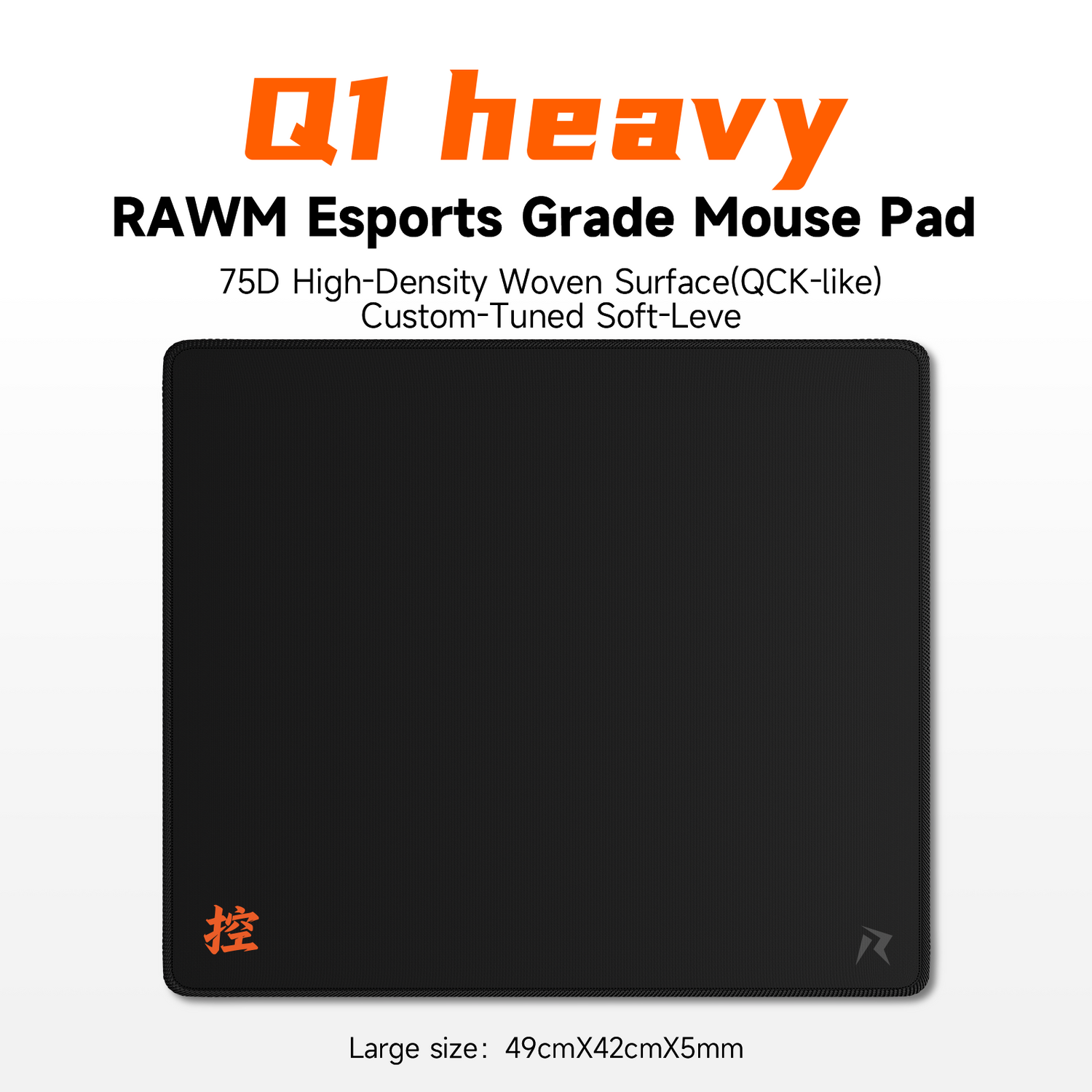
Using a high-quality mousepad provides a stable texture designed specifically for optical tracking. Cloth mousepads, hybrid surfaces, and specialized gaming pads help ensure consistent sensor performance during both slow and fast movements.
3. Dirt or Obstruction Around the Sensor
Dust, hair, or small debris around the sensor can interfere with how it reads the surface below. Even a tiny particle stuck near the sensor lens can disrupt the light pattern used for tracking.
When the sensor receives distorted information due to obstruction, it may interpret false movement signals. This can lead to sudden cursor jumps or brief spinouts.
Cleaning the mouse regularly helps prevent this issue. Turning the mouse upside down and gently blowing air around the sensor area can remove loose debris. For deeper cleaning, a soft cotton swab can be used carefully to clear the lens area.
Keeping the mousepad clean is equally important. Dirt that accumulates on the pad can eventually reach the sensor and interfere with tracking.
4. Extremely High DPI and Sensitivity Settings
High DPI settings increase how far the cursor moves relative to physical mouse movement. While higher DPI can make the cursor feel more responsive, extremely high values can amplify sensor errors.
When DPI settings are pushed too high, small inaccuracies in the sensor data become exaggerated on the screen. During rapid movements, this may create sudden cursor jumps that resemble spinouts.
Balancing DPI with in-game sensitivity often produces more stable results. Many competitive players prefer moderate DPI values combined with lower sensitivity to maintain control while minimizing tracking errors.
This balanced approach helps the sensor operate within its optimal range and reduces the risk of erratic movement.
5. Lift-Off Distance Problems
Lift-off distance refers to how high the mouse can be lifted before the sensor stops tracking movement. If the lift-off distance is too high, the sensor may continue tracking even when the mouse is slightly lifted from the surface.
During fast flick movements, players often lift and reposition the mouse quickly. If the sensor continues tracking while the mouse is airborne, it may interpret unintended movement, resulting in cursor jumps or spins.
Lower lift-off distance helps prevent this issue by stopping tracking as soon as the mouse leaves the surface. Many gaming mice are designed with optimized lift-off distances to avoid accidental tracking during repositioning.
Using a consistent mousepad surface also helps maintain predictable lift-off behavior.
6. Cable Drag or Physical Movement Interference
Although spinouts are mainly sensor-related, physical interference can contribute to tracking issues. A mouse cable that drags across the desk or catches on nearby objects may suddenly alter the mouse’s movement.
When the mouse changes direction unexpectedly due to cable tension, the sensor may misinterpret the motion and produce inaccurate tracking.
Proper cable management reduces this risk. Some players use cable guides or specialized accessories to keep the mouse cable elevated and out of the way.
A well-organized desk setup ensures the mouse can move freely without sudden resistance that might disrupt sensor tracking.
7. Hardware Quality and Sensor Design
Not all mouse sensors are built to the same standard. Entry-level sensors may struggle with high-speed tracking, certain surfaces, or rapid directional changes.
Higher-quality sensors are engineered to handle faster movement speeds, more complex surfaces, and consistent tracking during intense use. They are also better at filtering out noise that might cause false movement signals.
For users who frequently experience spinouts during gaming or detailed work, upgrading to a device with a more advanced sensor can significantly improve reliability. Stable tracking hardware, such as devices designed with optimized sensor performance like the Leviathan V4, helps maintain consistent cursor control even during aggressive movements.
Reliable sensor design is one of the most important factors in preventing spinouts and maintaining accurate mouse performance.
Have you ever experienced a sudden spinout during a fast mouse flick or while making quick movements in a game?
>>See also Why does mouse cursor drift or float? >>>>>