How to fix tracking issues?
1. Identify the Root Causes
2. Clean the Sensor Properly
3. Choose the Right Surface
4. Adjust DPI, Polling Rate, and LOD
5. Update Firmware, Drivers, and Windows Settings
6. Replace Skates or Surface Feet

Tracking issues can ruin your gaming experience, causing stutters, inconsistent cursor movement, or random micro-jitter right when you need accuracy the most. Before diving into the solutions, it’s important to understand that most problems stem from sensor behavior, surface compatibility, or firmware conflicts. Whether you’re a casual gamer or someone who plays competitively, knowing the best mouse sensor tracking fix can drastically improve consistency. Within the first steps of diagnosis, many players discover their problems aren't caused by the mouse itself but by environmental or software-related factors.
1. Identify the Root Causes Using the Best Mouse Sensor Tracking Fix
Before applying the best mouse sensor tracking fix, proper diagnosis is essential. Tracking issues usually come from predictable sources, especially with high-end gaming mice using PixArt sensors like 3395, 3370, 3950, or Nordic wireless controllers.
Common Causes of Tracking Problems
| Issue Source | Possible Symptoms |
|---|---|
| Surface Problems | Cursor skips, inconsistent glide |
| Sensor Dirt | Micro-jitter, random stutters |
| Firmware/Driver Conflicts | Delayed response, freezing |
| Polling Rate Mismatch | Unstable movement in games |
| Lift-off Distance Misalignment | Unexpected cursor drift when repositioning |
| Wireless Interference | Lag spikes, packet loss |
Using the best mouse sensor tracking fix starts with recognizing which category your symptoms fall under. Many players misdiagnose the issue as a hardware defect when it’s often caused by dust, surface reflection, or outdated firmware.
2. Clean the Sensor Properly with the Best Mouse Sensor Tracking Fix
Dust and skin oils around the sensor lens can cause micro-tracking errors. Cleaning the sensor is one of the simplest and most effective ways to apply the best mouse sensor tracking fix.
Correct Cleaning Method
-
Turn the mouse upside down
-
Use a dry microfiber cloth to gently wipe the sensor ring
-
If necessary, use compressed air to remove hidden particles
-
Avoid alcohol on the lens (can damage coatings)
Why This Works
PixArt sensors rely on clear optical refraction. Tiny debris alters how light scatters, causing jitter. Cleaning restores proper reflection and ensures the best mouse sensor tracking fix for hardware-based disruptions.
3. Choose the Right Surface for the Best Mouse Sensor Tracking Fix
Your mousepad plays a larger role in performance than most gamers realize. If the surface creates poor texture feedback or too much light reflection, the sensor cannot maintain stable tracking.
Surface Factors That Impact Tracking
| Surface Type | Tracking Stability | Notes |
|---|---|---|
| Cloth Pad | Very High | Best for control and consistent sensor reading |
| Hard Pad | Medium–High | Fast glide but higher reflection |
| Glossy Desk Surface | Very Low | Causes jitter and spin-out |
| Glass | Extremely Low | Most sensors fail entirely |
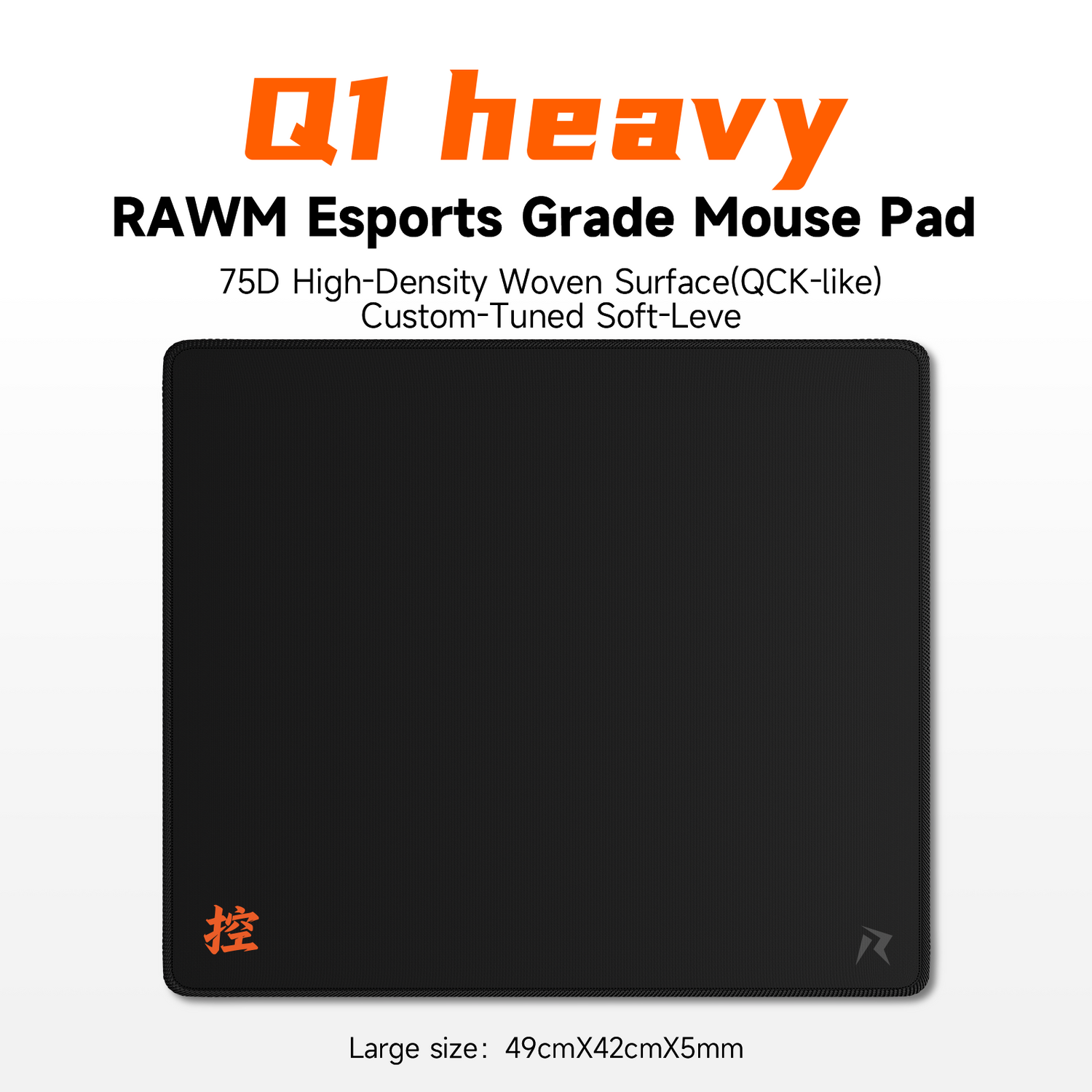
If your goal is the best mouse sensor tracking fix, switching from a reflective surface to a textured cloth pad is often the fastest solution.
Recommended once (product embed):
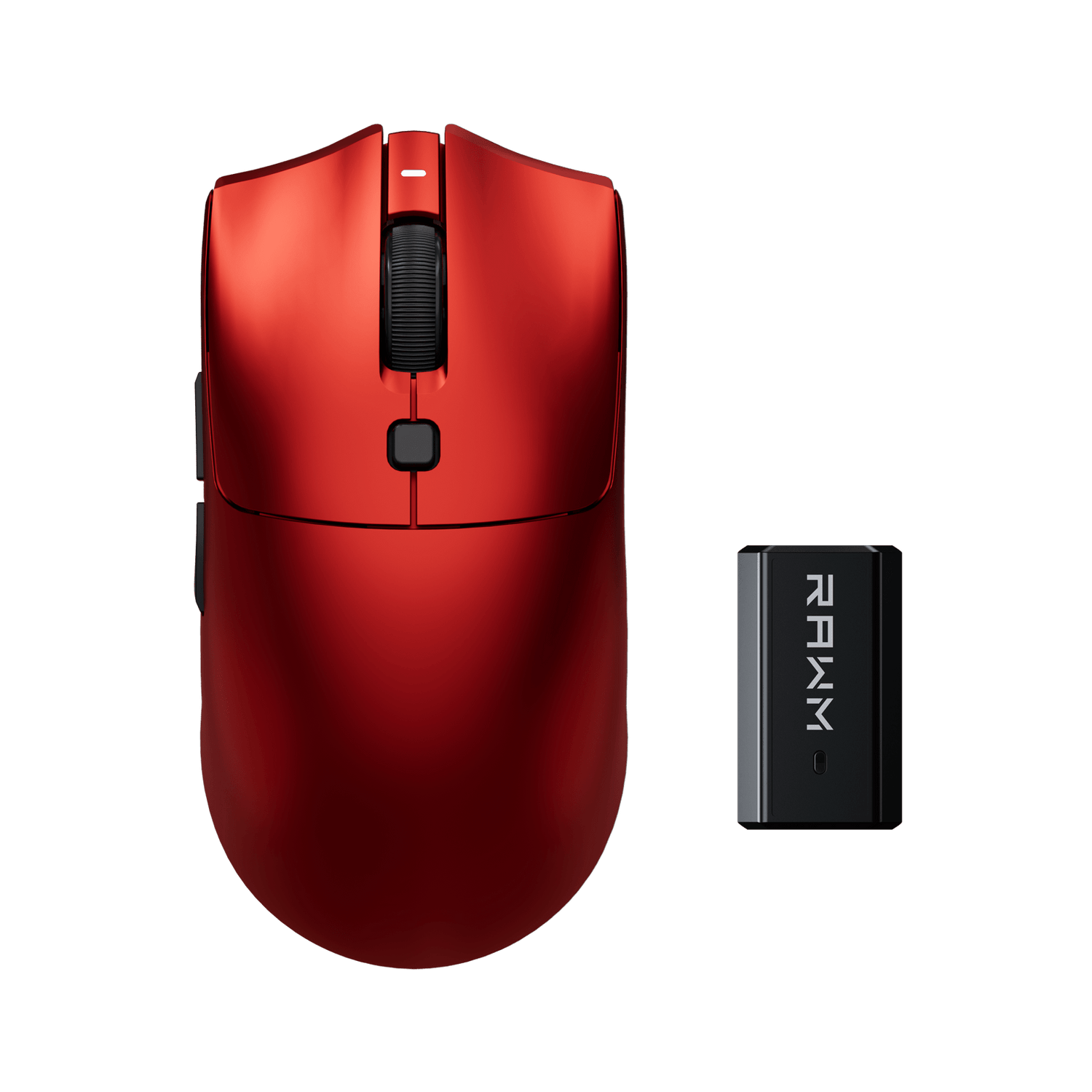
Players using ultra-precise sensors such as PixArt 3950 may benefit from control surfaces like those paired with the RAWM Leviathan V4, designed for stable reading and low LOD consistency.
4. Adjust DPI, Polling Rate, and LOD for the Best Mouse Sensor Tracking Fix
Software configuration significantly impacts mouse feel. Incorrect DPI or polling rate settings can create artificial jitter.
Optimal Settings for Most Gamers
| Setting | Recommended Value | Why It Helps |
|---|---|---|
| DPI | 800–1600 | Prevents excessive pixel skipping |
| Polling Rate | 1000Hz or 2000Hz | Smooth input without overload |
| LOD | As Low As Possible | Prevents tracking while repositioning |
High DPI does not mean more accuracy. In fact, excessive DPI amplifies noise, requiring the best mouse sensor tracking fix to normalize responsiveness.
Polling Rate Tips
-
If your system is older, avoid pushing 4000–8000Hz
-
On laptops, high Hz can cause stutter due to power saving behaviors
-
If encountering skipping, drop to 1000Hz and test stability
These adjustments often resolve over 50% of reported tracking issues, making them a primary method in the best mouse sensor tracking fix list.
5. Update Firmware, Drivers, and Windows Settings for the Best Mouse Sensor Tracking Fix
Software and firmware inconsistencies are a major cause of tracking instability. Performing updates and disabling certain system features can produce a dramatic improvement.
Essential Fixes
-
Update mouse firmware through the manufacturer’s software
-
Reinstall USB drivers (optional)
-
Disable Windows "Enhance Pointer Precision"
-
Remove conflicting background applications (RGB apps, overlay tools)
These steps are mandatory when applying the best mouse sensor tracking fix, especially for players using wireless configurations that rely on clean USB signal paths.
Wireless Stability Tips
-
Avoid plugging the receiver into the back of your PC
-
Use a front-panel USB or dedicated extension dock
-
Keep the receiver within 30 cm of the mouse
-
Remove nearby 2.4GHz interference sources (Bluetooth headphones, routers)
When all wireless variables are optimized, you unlock the highest-quality version of the best mouse sensor tracking fix for modern gaming mice.
6. Replace Skates or Surface Feet for the Best Mouse Sensor Tracking Fix
Worn-out PTFE skates cause friction inconsistencies that register as tracking lag. If your mouse feels rough or inconsistent, the feet may be the culprit.
Signs Your Skates Need Replacement
-
Uneven glide
-
Visible rough patches
-
Scratching noises
-
Inconsistent friction at different parts of the pad
Replacing skates restores smooth movement and prevents the sensor from misinterpreting vibration—a key part of the best mouse sensor tracking fix.
Tracking problems are frustrating, but with the right approach, you can quickly restore smooth and accurate performance. Whether the issue comes from the surface, software, or sensor debris, identifying the source is the first step toward the best mouse sensor tracking fix. Simple actions such as cleaning the sensor, using a proper mousepad, adjusting DPI settings, and updating firmware can dramatically improve consistency. By applying the best mouse sensor tracking fix across hardware, software, and environmental factors, you can ensure your mouse performs at its full potential in every game and task.
What Kind of Tracking Issue Are You Facing?
Describe your symptoms, and I’ll help you diagnose the exact cause and recommend the right fix.
>>See also Cloth vs hard mousepad: which is better? >>>>>