How do I reduce hand strain from gaming?
- Adjust Your Mouse and Keyboard Position
- Use a Comfortable Grip Style
- Take Regular Breaks
- Adjust Sensitivity and DPI Settings
- Improve Your Desk and Chair Ergonomics
- Choose the Right Equipment
- Strengthen and Stretch Your Hands

Long gaming sessions can be exciting and immersive, but they often come with a downside—hand strain. Whether it’s stiffness in your fingers, soreness in your wrist, or fatigue in your palm, discomfort can build up quickly when your hands repeat the same movements for hours.
Hand strain doesn’t just affect comfort; it can also impact performance. Slower reaction times, reduced precision, and overall fatigue can make even simple actions feel harder than they should. The good news is that most of these issues come from fixable habits, setup problems, or lack of proper recovery.
With a few adjustments to posture, equipment, and routine, it’s possible to game longer while keeping your hands relaxed and pain-free.
1. Adjust Your Mouse and Keyboard Position
One of the biggest causes of hand strain is poor desk setup. If your mouse or keyboard is positioned too high, too low, or too far away, your wrist and fingers have to compensate constantly.
Ideally, your forearms should rest comfortably and remain roughly parallel to the ground. Your wrists should stay in a neutral position, not bent upward or downward.
Keeping your mouse close to your keyboard reduces unnecessary reaching. This helps prevent tension from building up in your hand and forearm during long sessions.
A small adjustment in positioning can make a significant difference in reducing strain over time.
2. Use a Comfortable Grip Style
How you hold your mouse plays a major role in how much stress your hand experiences.
There are three common grip styles: palm grip, claw grip, and fingertip grip. Each has its advantages, but the key is to choose one that feels natural and does not force your hand into an awkward position.
If your fingers feel tense or curled too tightly, it may be a sign that your grip is too aggressive. Relaxing your grip and allowing your hand to rest more naturally on the mouse can reduce fatigue.
Switching grip styles occasionally can also help distribute effort across different muscles.
3. Take Regular Breaks
Continuous movement without rest is one of the fastest ways to develop hand strain. Even if the movements feel small, repetition over time can lead to fatigue.
Taking short breaks every 30 to 60 minutes allows your muscles to recover. During these breaks, it helps to fully relax your hands instead of holding them in a ready position.
Stretching your fingers and gently rotating your wrists can improve circulation and reduce stiffness.
Consistent breaks are one of the simplest and most effective ways to prevent long-term discomfort.
4. Adjust Sensitivity and DPI Settings
Mouse sensitivity has a direct impact on how much your hand needs to move.
Very low sensitivity requires large arm movements, which can lead to fatigue in the wrist and forearm. Extremely high sensitivity, on the other hand, can cause overuse of small finger movements.
Finding a balanced sensitivity allows for controlled movement without excessive strain. Many players prefer a setting that uses a combination of arm and wrist movement rather than relying entirely on one.
Testing different DPI and sensitivity levels can help you find a comfortable middle ground that reduces unnecessary effort.
5. Improve Your Desk and Chair Ergonomics
Your overall posture affects your hands more than you might expect. If your chair is too high or too low, your wrists may bend awkwardly while using your mouse and keyboard.
A proper chair height allows your elbows to stay at a natural angle, usually around 90 degrees. Your shoulders should remain relaxed rather than raised or hunched.
The desk surface should provide enough space for free movement without forcing your arms into tight positions.
Good ergonomics reduce tension not only in your hands but also in your arms, shoulders, and back.
6. Choose the Right Equipment
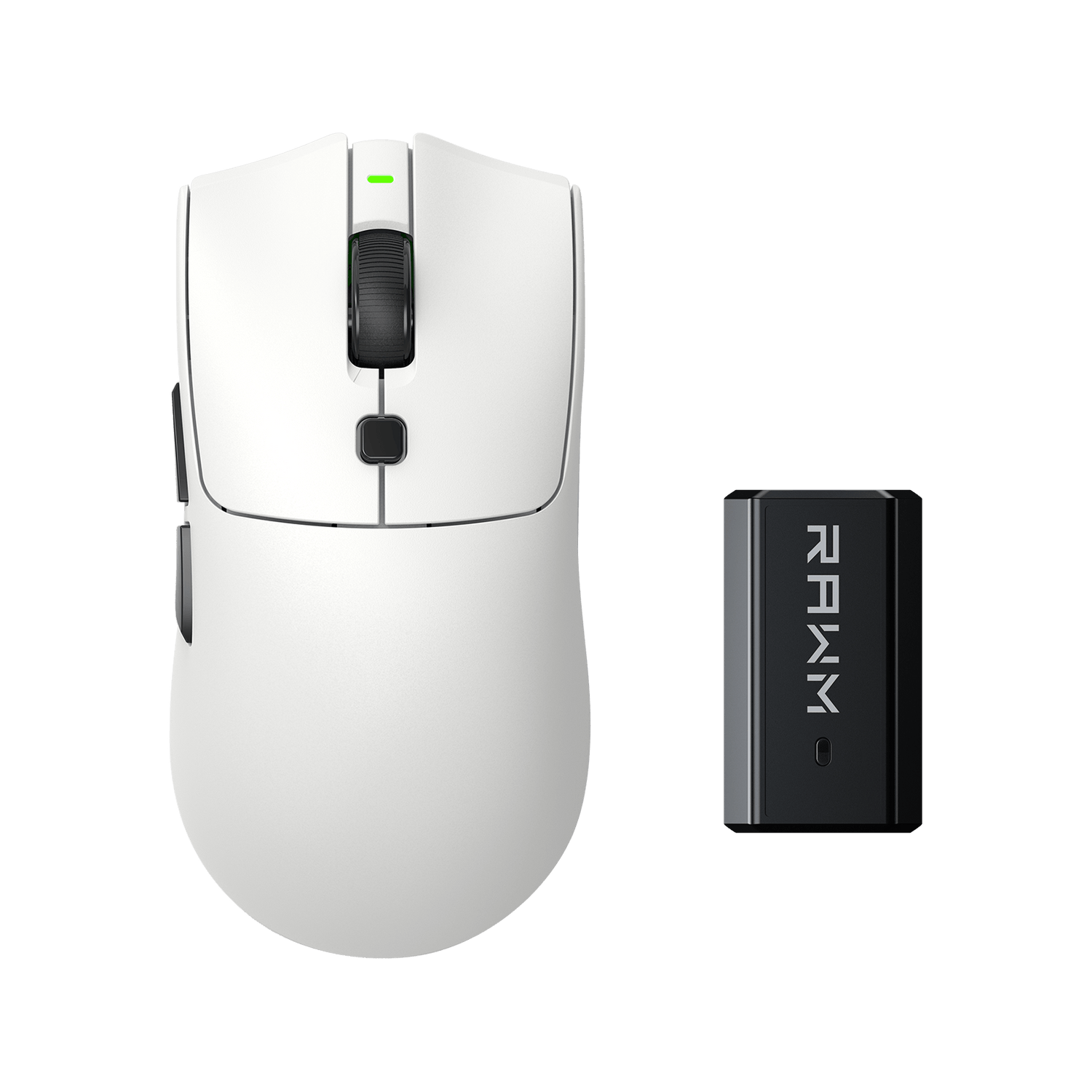
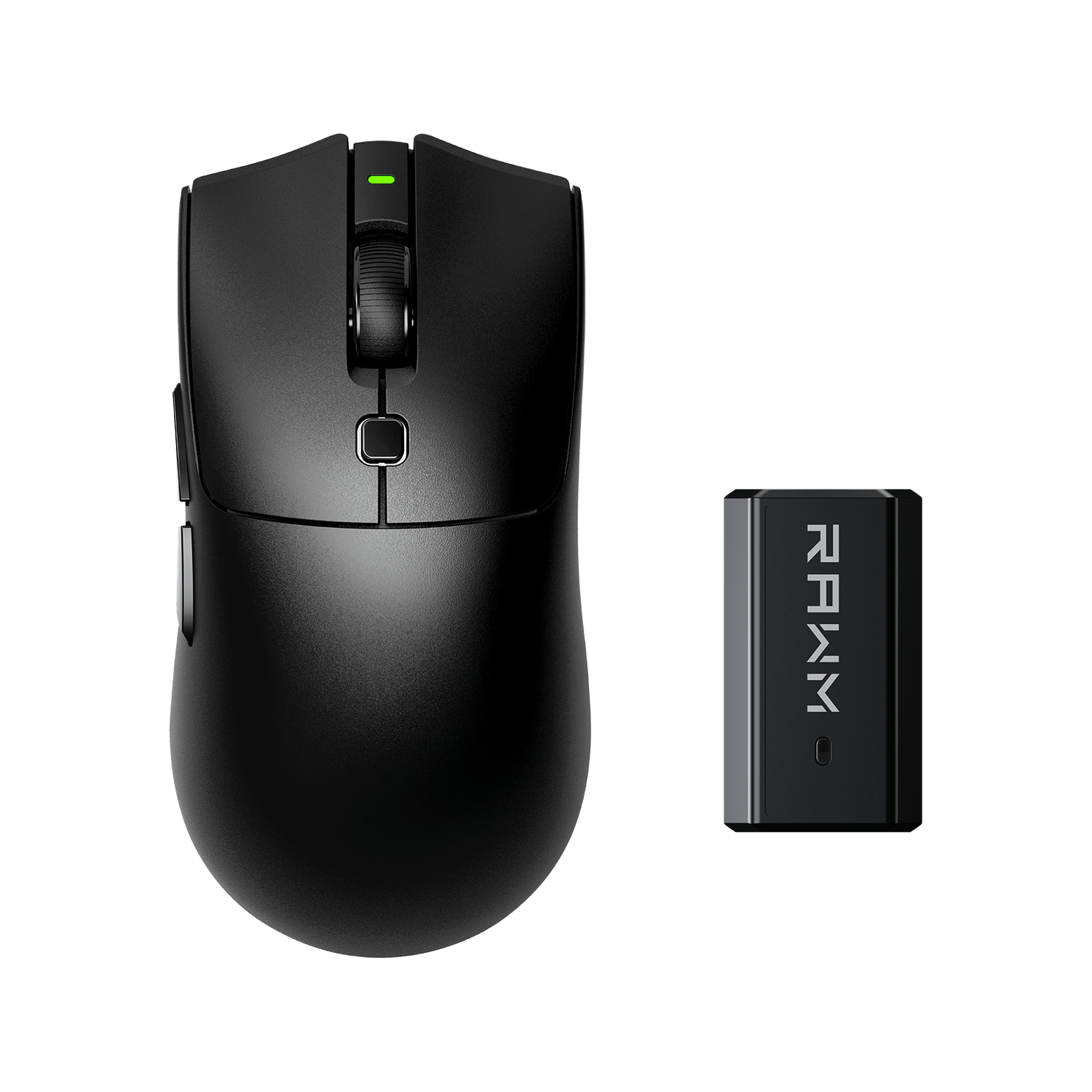
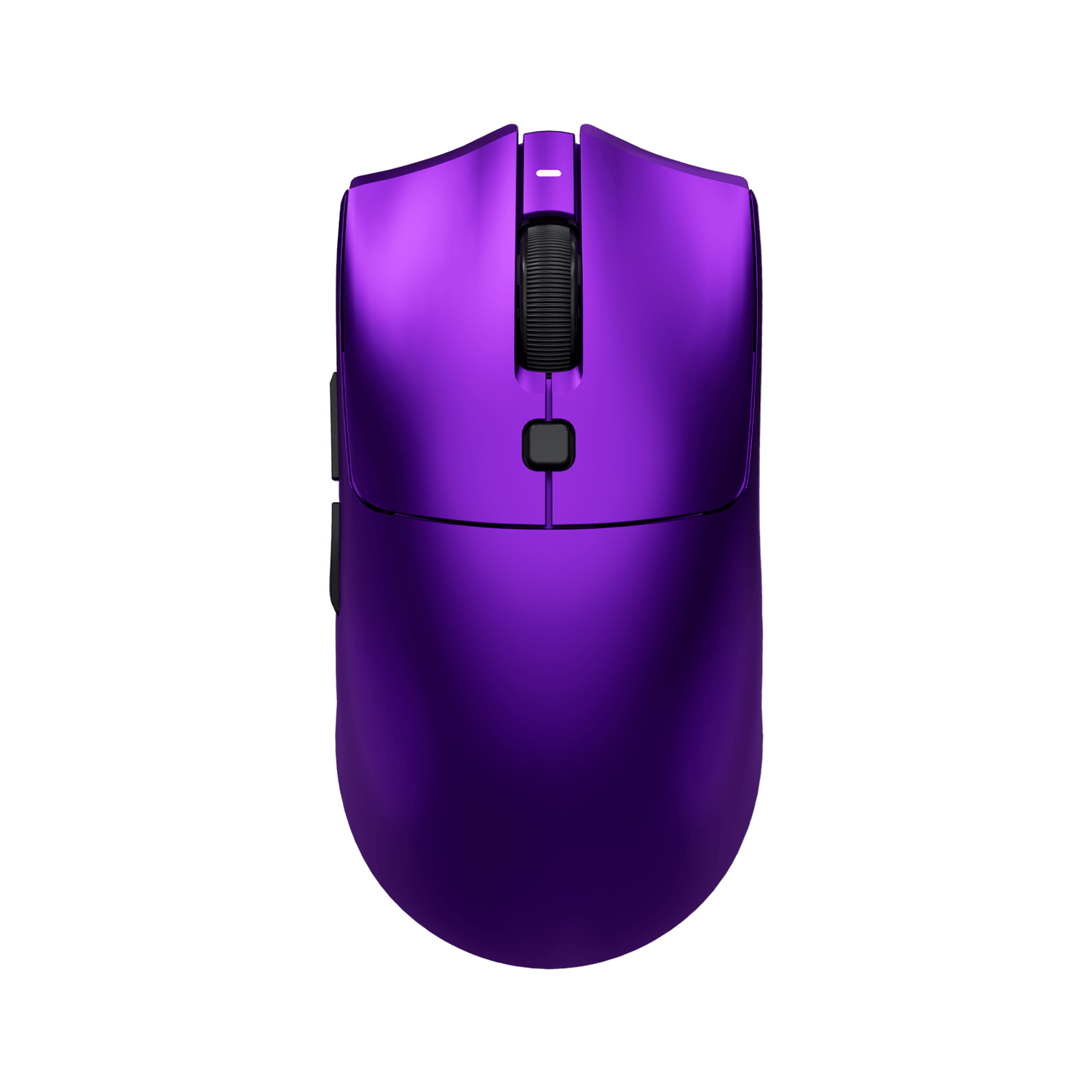
The shape, size, and weight of your mouse can significantly influence hand comfort.
A mouse that is too small may force your fingers into a cramped position, while a mouse that is too large can strain your grip. Choosing a size that fits your hand helps maintain a natural posture.
Weight also matters. Heavier mice require more effort to move, which can increase fatigue over time. Lighter mice generally allow smoother and easier movement.
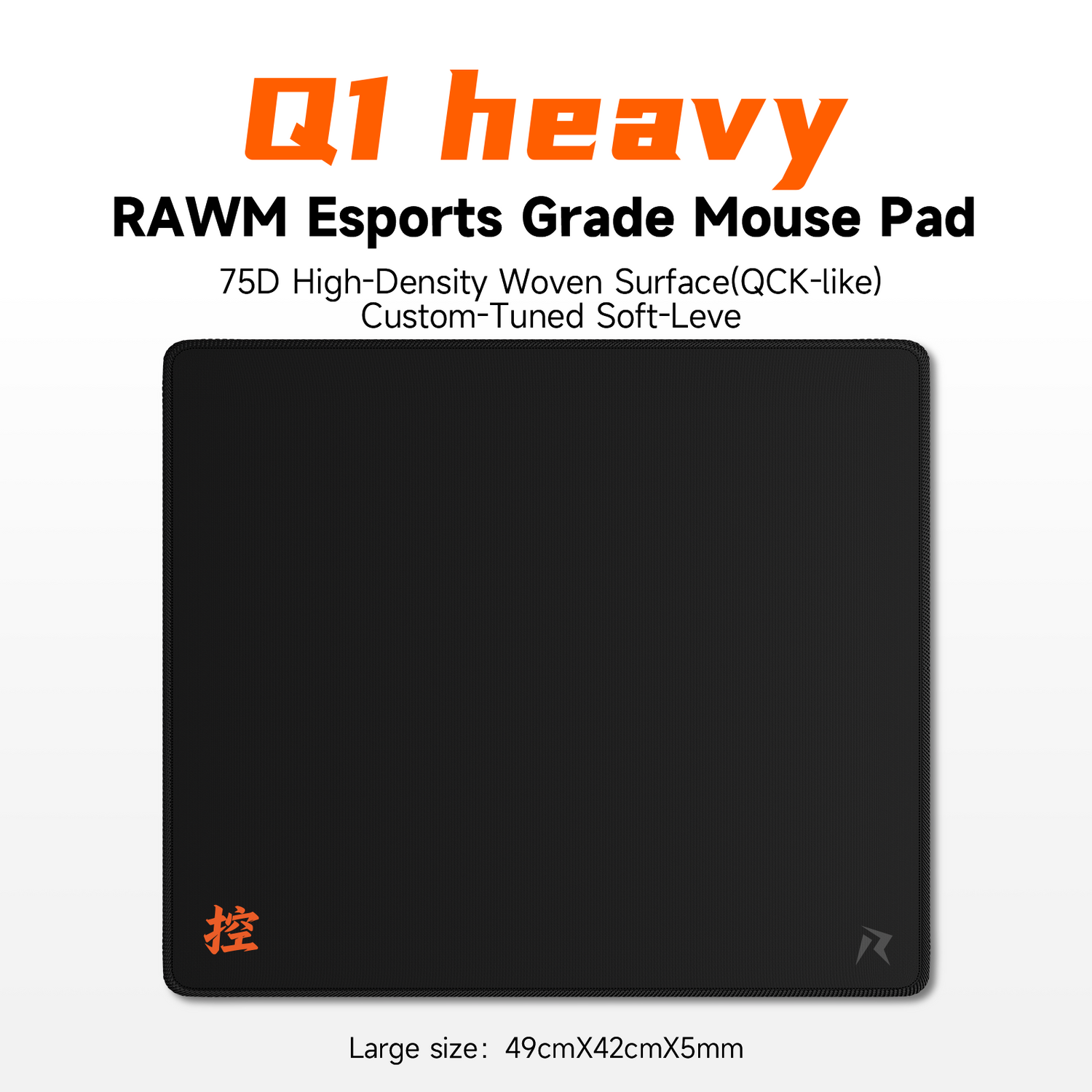
Mousepads with a comfortable surface can also reduce friction and improve glide, which lowers the effort required for movement.
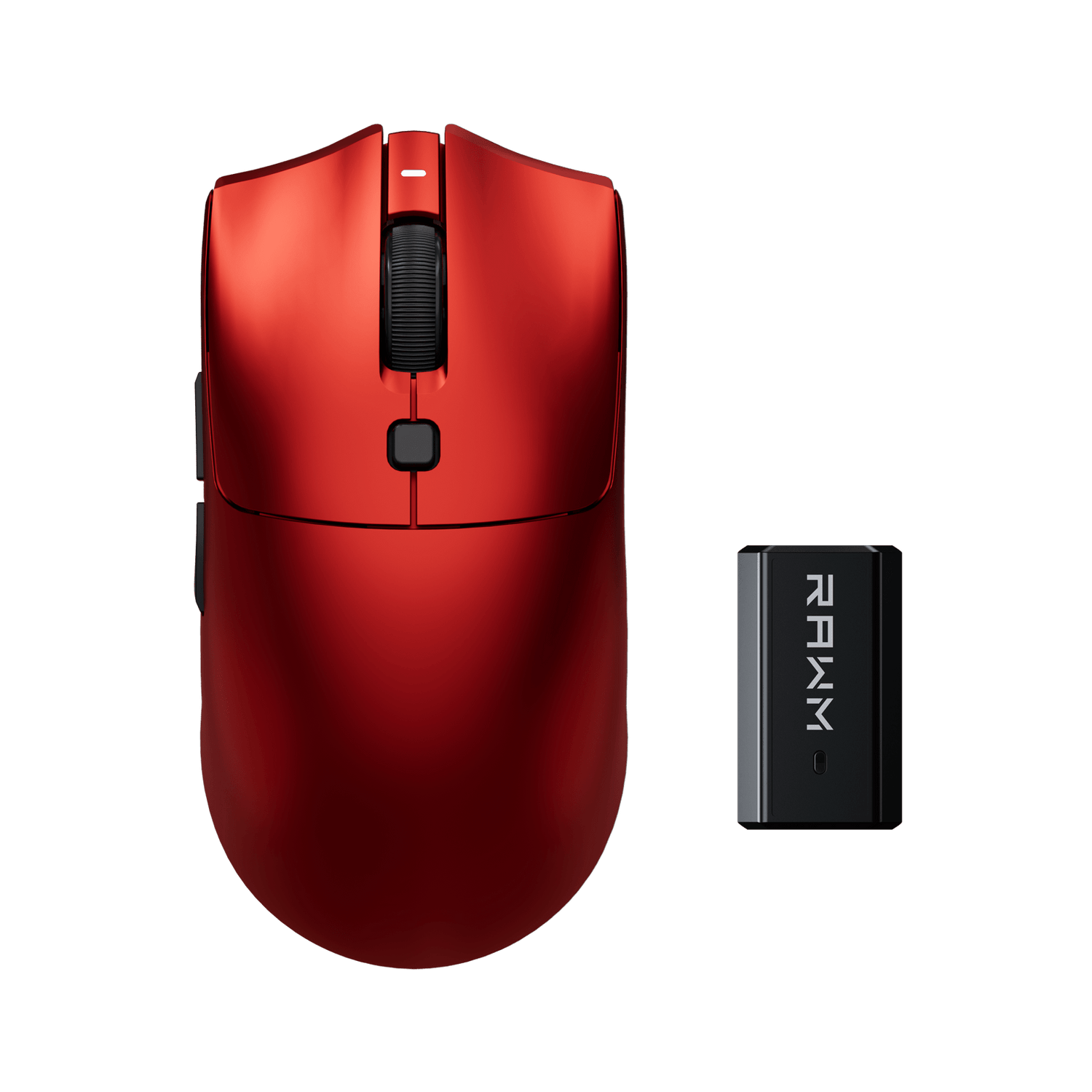
Some players look for setups that prioritize smooth tracking and consistent control, sometimes incorporating hardware designed for stability such as the Leviathan V4 to reduce unnecessary strain during long sessions.
7. Strengthen and Stretch Your Hands
Building strength and flexibility in your hands can help prevent strain and improve endurance.
Simple exercises such as opening and closing your hands, stretching your fingers outward, or gently pressing your palms together can keep muscles flexible.
Using stress balls or grip trainers can also improve hand strength over time, making it easier to handle repetitive movements without fatigue.
Regular stretching before and after gaming sessions helps maintain mobility and reduces the risk of stiffness.
Over time, stronger and more flexible hands are better equipped to handle long gaming sessions comfortably.
Have you ever noticed your hands getting sore after a long session, and what part of your setup do you think might be causing it?
>>See also What does rapid trigger mean? >>>>>