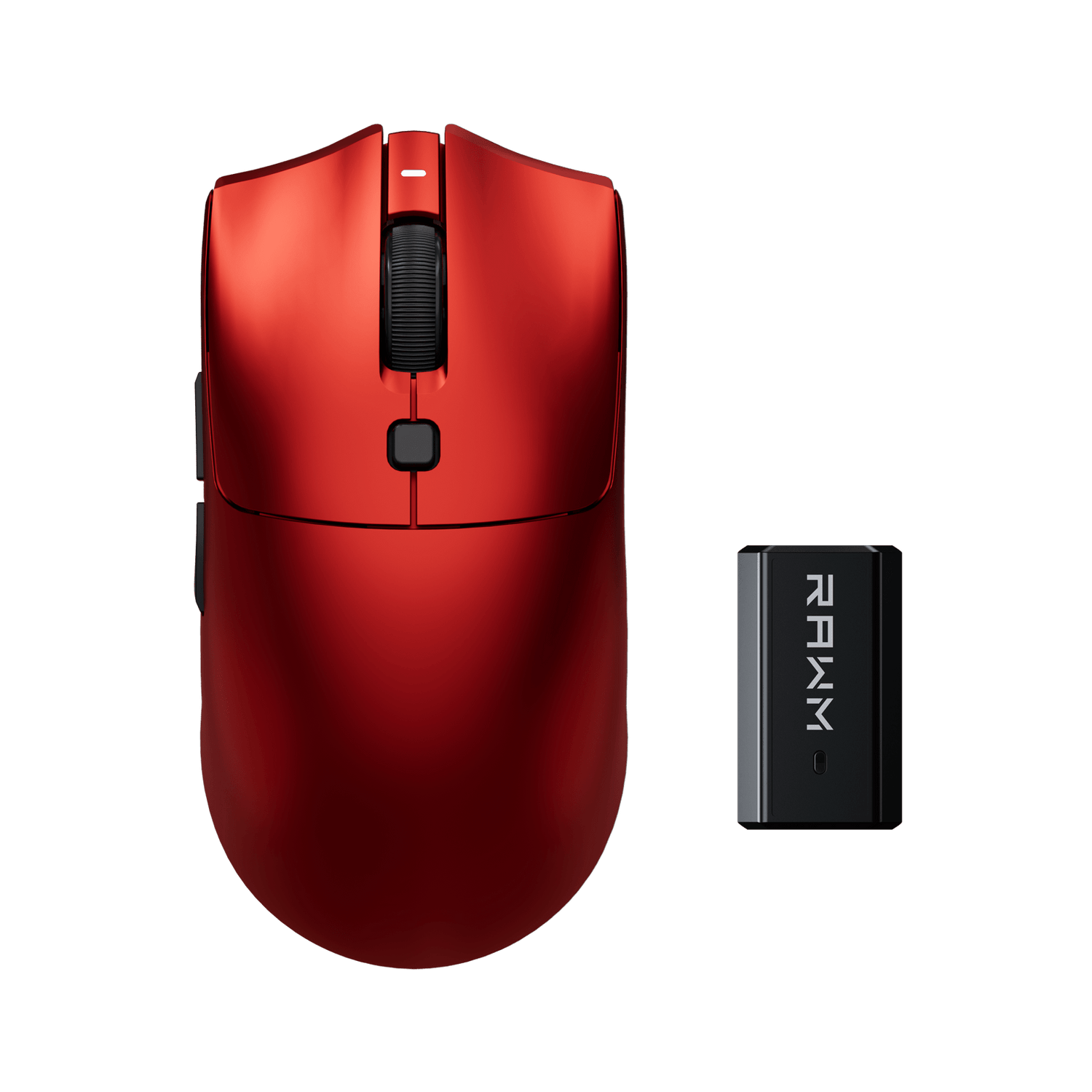
Do left-handed gamers have mouse options?
- Ambidextrous Mice as the Most Common Solution
- Dedicated Left-Handed Gaming Mice
- Rebinding Buttons and System Settings
- Challenges Left-Handed Gamers Still Face
- Wireless vs Wired Considerations
- Tips for Choosing the Right Left-Handed Setup
- Why Personal Preference Matters Most

Gaming peripherals are often designed with right-handed users in mind, which can make it challenging for left-handed players to find comfortable and effective setups. However, left-handed gamers are not without options. In fact, there are several practical solutions available, ranging from specialized hardware to adaptable configurations that can suit different playstyles.
Choosing the right mouse setup is important because comfort, precision, and consistency all directly affect performance. Whether playing competitive shooters or casual games, having a mouse that fits naturally in the hand can make a noticeable difference over long sessions.
Left-handed gamers can take advantage of ambidextrous designs, customizable settings, and alternative control setups to create a comfortable and high-performing gaming environment.
1. Ambidextrous Mice as the Most Common Solution
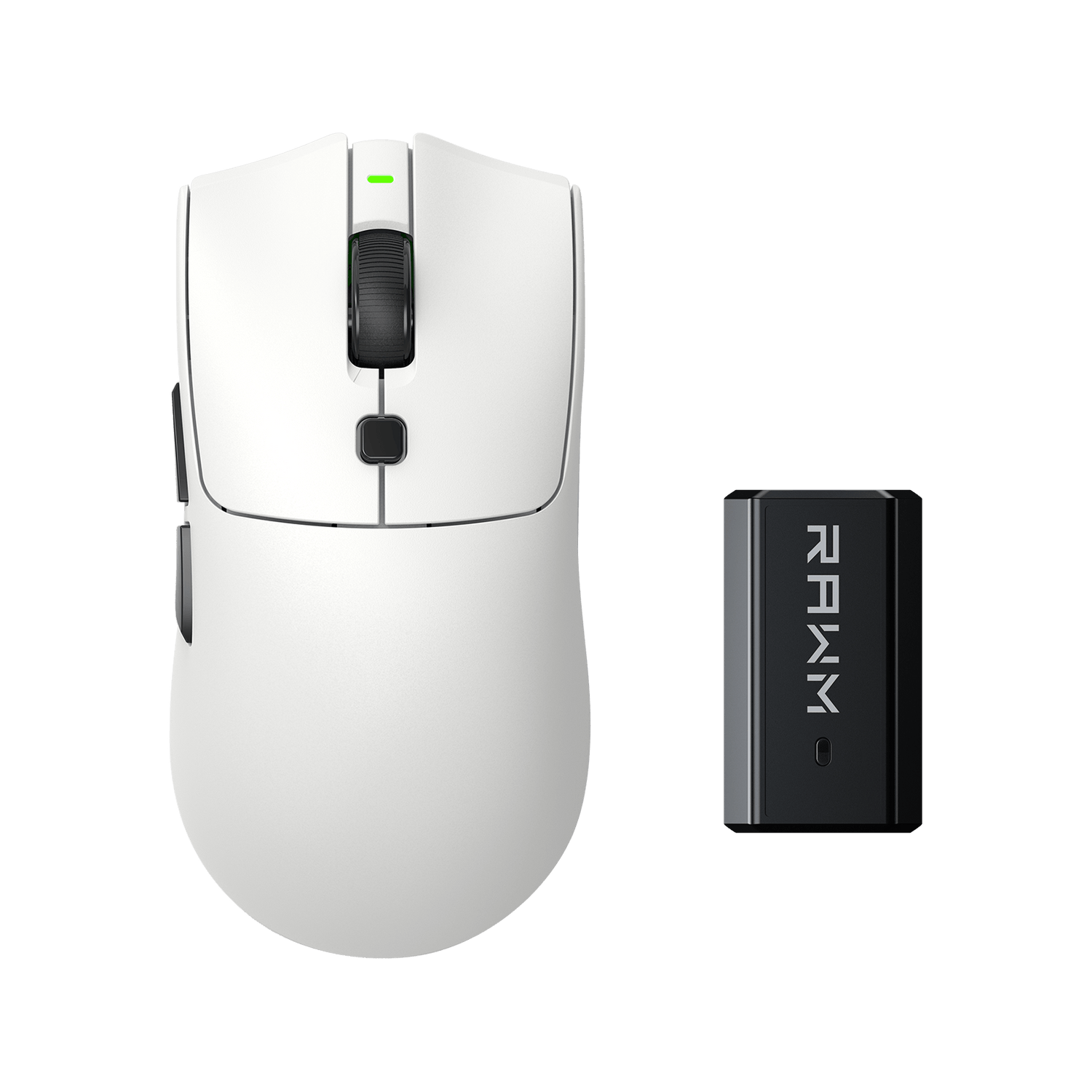
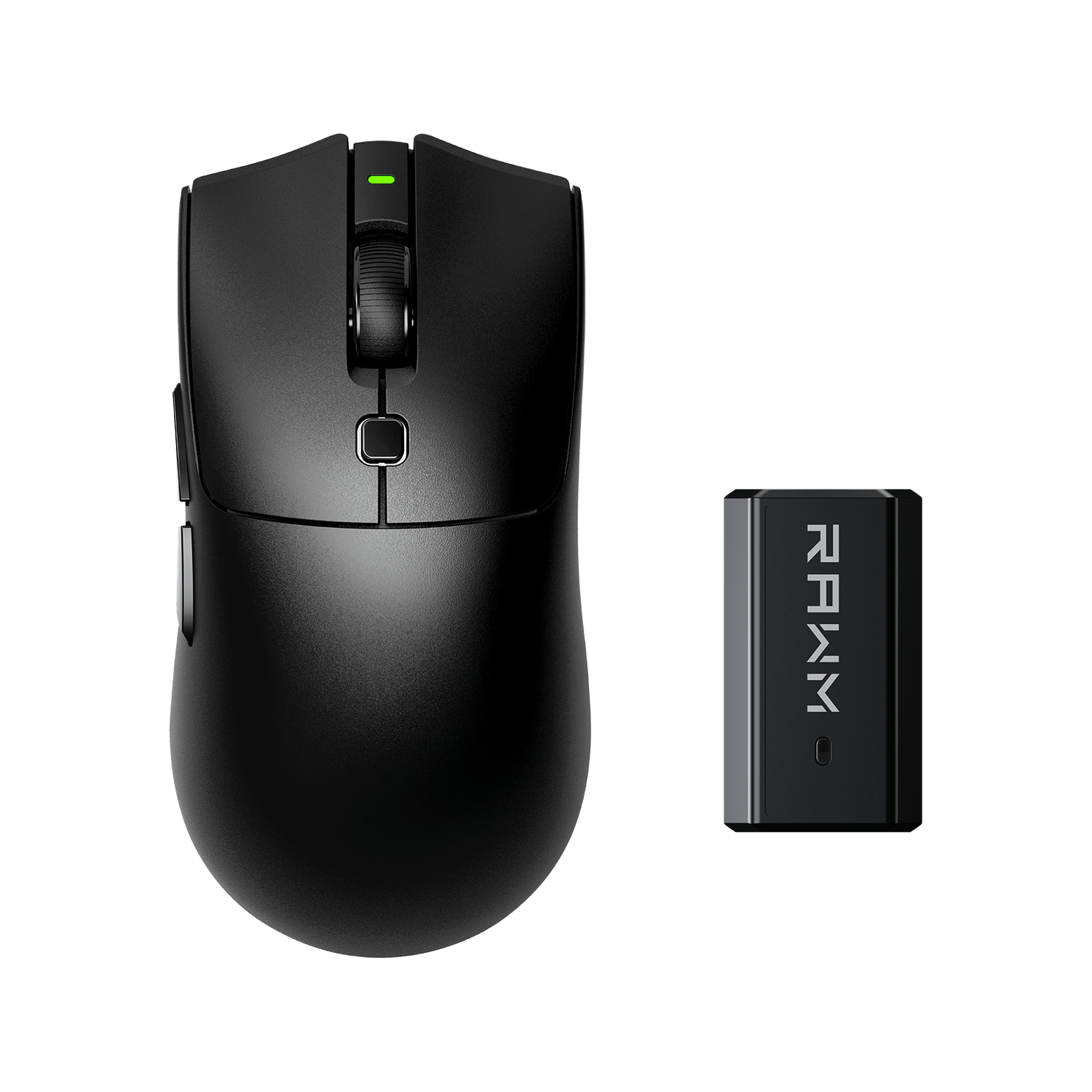
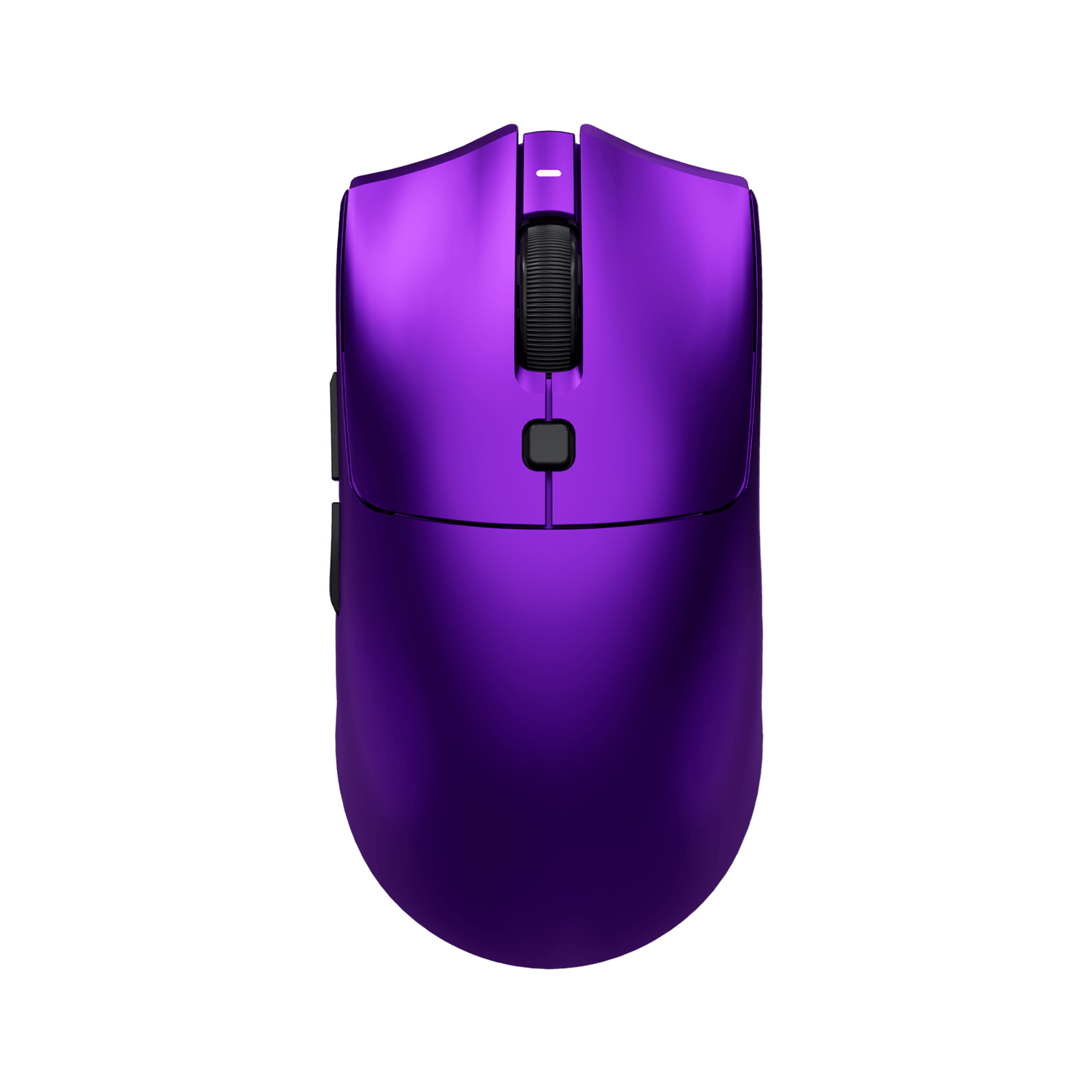
Ambidextrous mice are the most widely available option for left-handed gamers. These mice are designed with a symmetrical shape, allowing them to be used comfortably with either hand.
Because of their neutral design, ambidextrous mice avoid the ergonomic curves that favor right-handed use. This makes them suitable for a broad range of users, including left-handed players who need balanced support.
Many ambidextrous mice also include side buttons on both sides, although some models allow these buttons to be disabled to prevent accidental clicks.
This type of mouse is often the easiest solution because it requires no special setup. Players can simply switch hands and start using the device immediately.
For many left-handed gamers, ambidextrous mice provide a reliable balance between comfort and performance.
2. Dedicated Left-Handed Gaming Mice
Although less common, some manufacturers produce mice specifically designed for left-handed users. These models mirror the ergonomic shape of right-handed mice, providing thumb support and button placement optimized for the left hand.
Dedicated left-handed mice can feel more natural for users who prefer a contoured grip rather than a symmetrical design. The shape supports the hand more fully, which can reduce fatigue during long gaming sessions.
However, availability is limited compared to standard gaming mice. Fewer models exist, and they may not always include the latest sensor technology or features found in mainstream products.
Despite this limitation, left-handed ergonomic mice remain a strong option for users who prioritize comfort over variety.
3. Rebinding Buttons and System Settings
Software customization plays a major role in making mice usable for left-handed gamers. Most operating systems allow users to swap the primary and secondary mouse buttons.
This simple adjustment ensures that the main click functions align naturally with the left hand. In addition, gaming software often allows further customization of side buttons and macros.
Many modern gaming mice come with companion software that enables players to remap buttons, adjust sensitivity, and create profiles tailored to specific games.
This flexibility allows left-handed players to adapt almost any mouse to their needs, even if it was originally designed for right-handed use.
With proper configuration, button placement and functionality can feel intuitive regardless of which hand is used.
4. Challenges Left-Handed Gamers Still Face
Despite the available options, left-handed gamers still encounter certain challenges.
One of the most common issues is the limited number of truly ergonomic left-handed mice. Most high-end gaming mice are designed specifically for right-handed users, with shapes that are uncomfortable when used in the left hand.
Side button placement can also be problematic. Many mice place buttons only on the left side, making them difficult or impossible to reach with the left hand.
Another challenge involves availability. Left-handed models may be harder to find, more expensive, or lack the latest features compared to mainstream right-handed options.
These limitations often push left-handed gamers toward ambidextrous designs or customized setups instead of dedicated hardware.
5. Wireless vs Wired Considerations
Both wireless and wired mice can work well for left-handed gamers, but each has its own considerations.
Wireless mice provide greater freedom of movement and eliminate cable drag, which can be especially helpful when using unconventional desk setups.
Wired mice, on the other hand, may require additional cable management to ensure smooth movement. This can be important for players who rely on large, sweeping motions.
In either case, the choice depends more on personal preference than handedness. Both types can deliver excellent performance when paired with proper configuration and a comfortable grip style.
Left-handed gamers should focus on finding a mouse shape and weight that suits their movement habits rather than worrying too much about the connection type.
6. Tips for Choosing the Right Left-Handed Setup
Finding the right setup often involves testing different options and identifying what feels most natural.
Grip style is one of the most important factors. Some players prefer palm grip, while others use claw or fingertip grip. The shape of the mouse should match the preferred grip to ensure comfort and control.
Weight and size also matter. A mouse that is too heavy or too large can cause fatigue, especially during long gaming sessions.
Desk layout should not be overlooked. Ensuring enough space on the left side of the keyboard can improve comfort and allow smoother movement.
Some players also experiment with alternative accessories or layouts to optimize their setup. Small adjustments can significantly improve overall performance and reduce strain.
7. Why Personal Preference Matters Most
There is no single perfect solution for left-handed gamers. The best setup depends on individual preferences, habits, and the types of games being played.
Some players are perfectly comfortable using ambidextrous mice, while others prefer dedicated left-handed designs. Many adapt standard mice through software customization and never feel limited by their options.
As gaming hardware continues to evolve, more manufacturers are recognizing the need for inclusive designs. This has gradually improved the range of choices available to left-handed users.
For players who prioritize precision and consistency, combining a comfortable mouse with stable input performance—sometimes supported by well-designed peripherals like the Leviathan V4—can help create a more reliable gaming experience.
Ultimately, comfort and control are what matter most when choosing a mouse setup.
What kind of mouse setup have you tried as a left-handed gamer, and did it feel natural to use?
>>See also What is angle snapping in a mouse? >>>>>