Do holes in mouse affect durability?
- 1. Structural strength and how holes in mouse affect durability
- 2. Material quality matters more than holes in mouse affect durability
- 3. Impact resistance and daily handling risks
- 4. Dirt, moisture, and long-term wear concerns
- 5. Weight reduction benefits versus durability trade-offs
- 6. Who should avoid perforated mouse designs

Lightweight gaming mice with perforated shells have become increasingly common, especially among FPS players who value fast movements and reduced fatigue. These designs often feature visible holes across the shell, commonly called honeycomb or perforated designs. While weight reduction is the main selling point, many users still wonder whether holes in mouse affect durability over long-term use.
Durability matters not only for gaming performance but also for daily reliability. A mouse is constantly exposed to clicks, pressure, sweat, dust, and accidental impacts. To understand whether holes in mouse affect durability, it is necessary to look beyond appearance and examine materials, structure, usage habits, and real-world stress factors.
1. Structural strength and how holes in mouse affect durability
The first concern people raise is structural weakness. Intuitively, removing material seems like it would make a shell easier to crack or flex. Whether holes in mouse affect durability depends largely on how the shell is engineered.
Most modern perforated mice are designed with reinforced load-bearing zones. Areas that experience the most pressure, such as the main button supports, palm contact points, and side walls, are often thicker or internally ribbed. The holes are placed in non-critical regions to reduce weight without compromising strength.
In practice, a well-designed honeycomb shell can remain rigid under normal grip pressure. Durability issues usually arise not from the presence of holes themselves, but from poor plastic quality or weak internal mounting points. Cheap designs may flex or creak, while premium lightweight mice remain solid even after years of use.
2. Material quality matters more than holes in mouse affect durability
When discussing whether holes in mouse affect durability, material quality plays a larger role than hole count. High-grade ABS or composite plastics can withstand repeated stress, temperature changes, and long-term use even when perforated.
Lower-quality plastics, on the other hand, may become brittle over time, especially in dry or hot environments. In these cases, holes can accelerate cracking because stress concentrates around edges. This is why two mice with similar hole patterns can feel dramatically different in durability.
Manufacturing precision also matters. Smooth, reinforced hole edges reduce micro-fractures, while poorly cut holes increase the risk of stress damage. This distinction explains why established brands can offer perforated mice that last for years without structural failure.
3. Impact resistance and daily handling risks
Another common worry is drop resistance. Users often assume holes in mouse affect durability when it comes to impacts. In reality, most damage from drops occurs at corners, edges, or internal component mounts rather than flat shell surfaces.
Perforated shells distribute impact forces differently, but not necessarily worse. If internal components like the PCB, battery, and sensor housing are well-secured, the shell design has minimal influence on drop survivability. A poorly mounted internal structure will fail regardless of whether the shell has holes.
For everyday use, accidental desk bumps, backpack transport, and minor falls rarely cause issues in quality lightweight mice. Severe drops can damage any mouse, perforated or solid, making usage habits more important than shell style.
4. Dirt, moisture, and long-term wear concerns
Holes in mouse affect durability indirectly through environmental exposure. Perforations allow dust, skin particles, and moisture to enter the shell more easily. Over time, this can impact scroll wheels, switches, or sensors if maintenance is neglected.
Sweat is a common concern for players with warm hands. While moisture can enter through holes, it also evaporates faster compared to fully sealed shells. Many users find perforated mice stay cooler and less slippery, which can actually reduce internal moisture buildup during long sessions.
Regular cleaning is key. Occasional compressed air and gentle internal cleaning can prevent buildup. With basic care, dirt ingress rarely becomes a durability issue in modern perforated designs.
5. Weight reduction benefits versus durability trade-offs
The main reason designers use holes is to reduce weight without sacrificing internal features. Lower weight reduces wrist strain, improves flick consistency, and allows faster directional changes. For competitive players, these benefits often outweigh durability concerns.
Does weight reduction automatically mean fragility? Not necessarily. Many lightweight mice are tested under pressure cycles and grip simulations before release. Durability is no longer measured only by thickness, but by stress distribution and internal reinforcement.
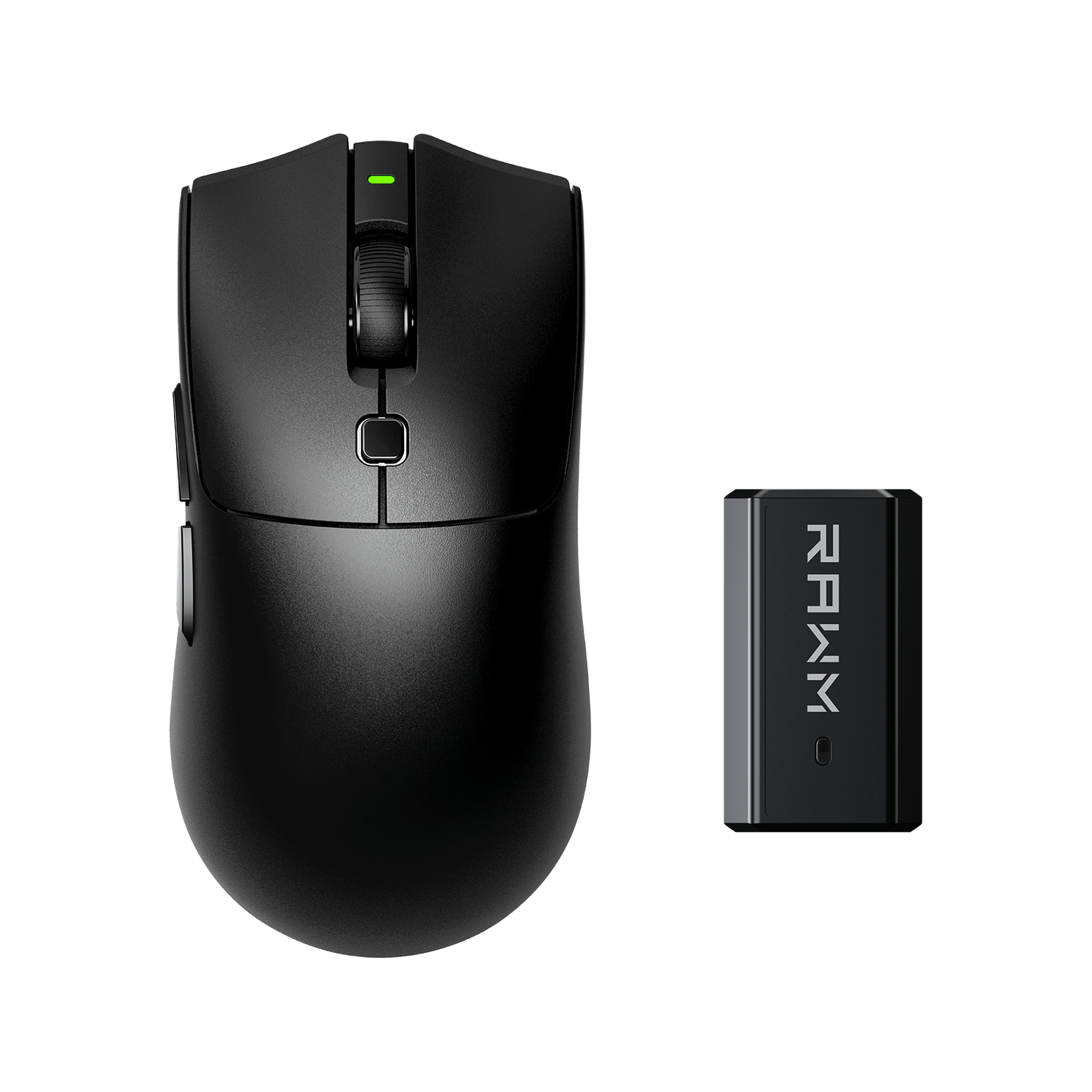
For example, a lightweight mouse like the RAWM SL01C balances a reduced shell mass with reinforced internals, showing that holes in mouse affect durability far less than many people expect when engineering is done correctly.
6. Who should avoid perforated mouse designs?
Although holes in mouse affect durability less than commonly believed, perforated designs are not ideal for everyone. Users in extremely dusty environments, shared workspaces, or industrial settings may prefer sealed shells for easier maintenance.
People who apply excessive grip pressure or frequently toss peripherals into bags without protection may also feel more confident with a solid shell. Likewise, those who prioritize aesthetics or minimal cleaning effort might prefer traditional designs.
For most gamers and office users, however, modern perforated mice offer sufficient durability for years of normal use, provided basic care is taken.
Do you prioritize lighter weight or long-term ruggedness when choosing a mouse, and have you personally noticed any durability differences between perforated and solid shell designs?
>>See also Do RGB lights affect battery life? >>>>>