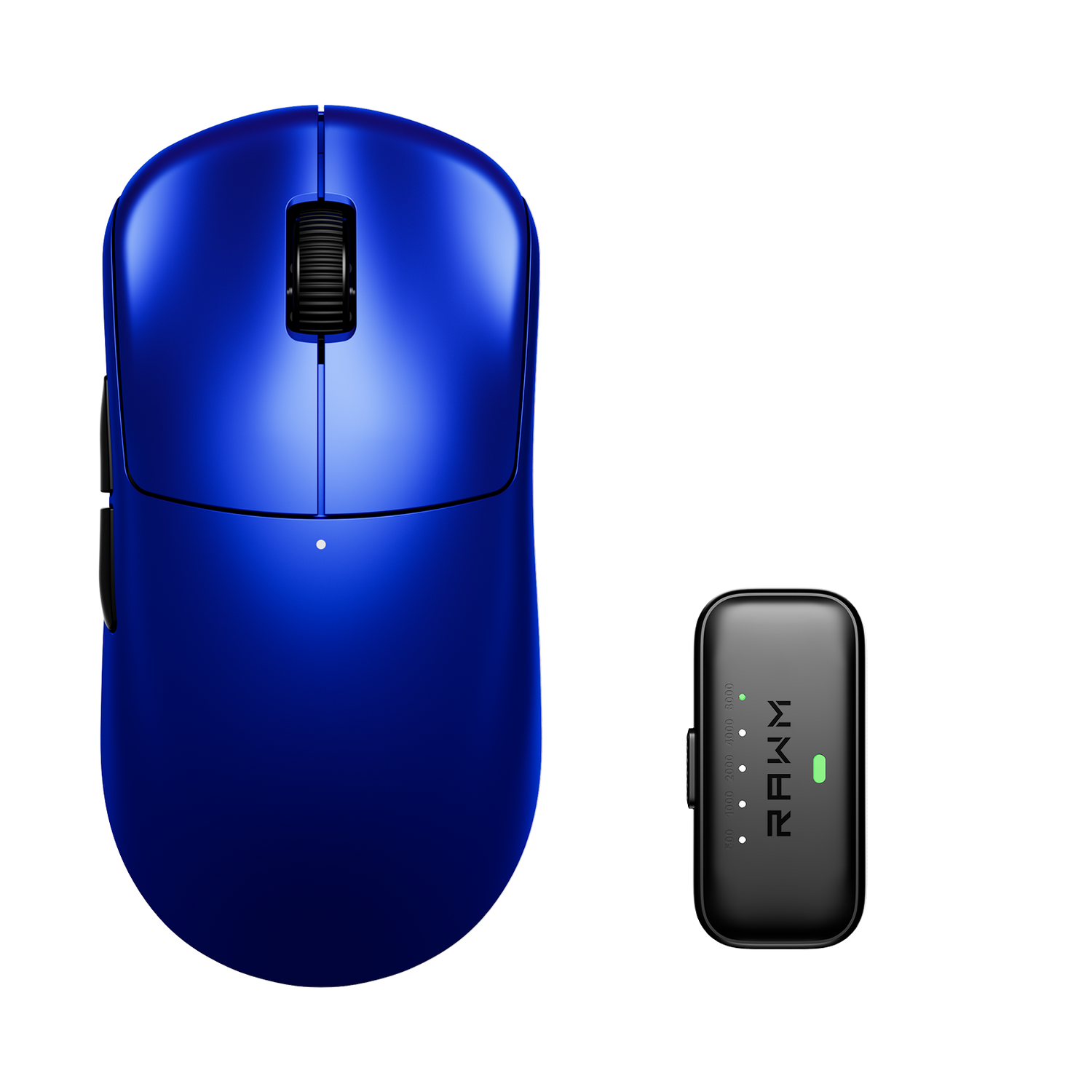
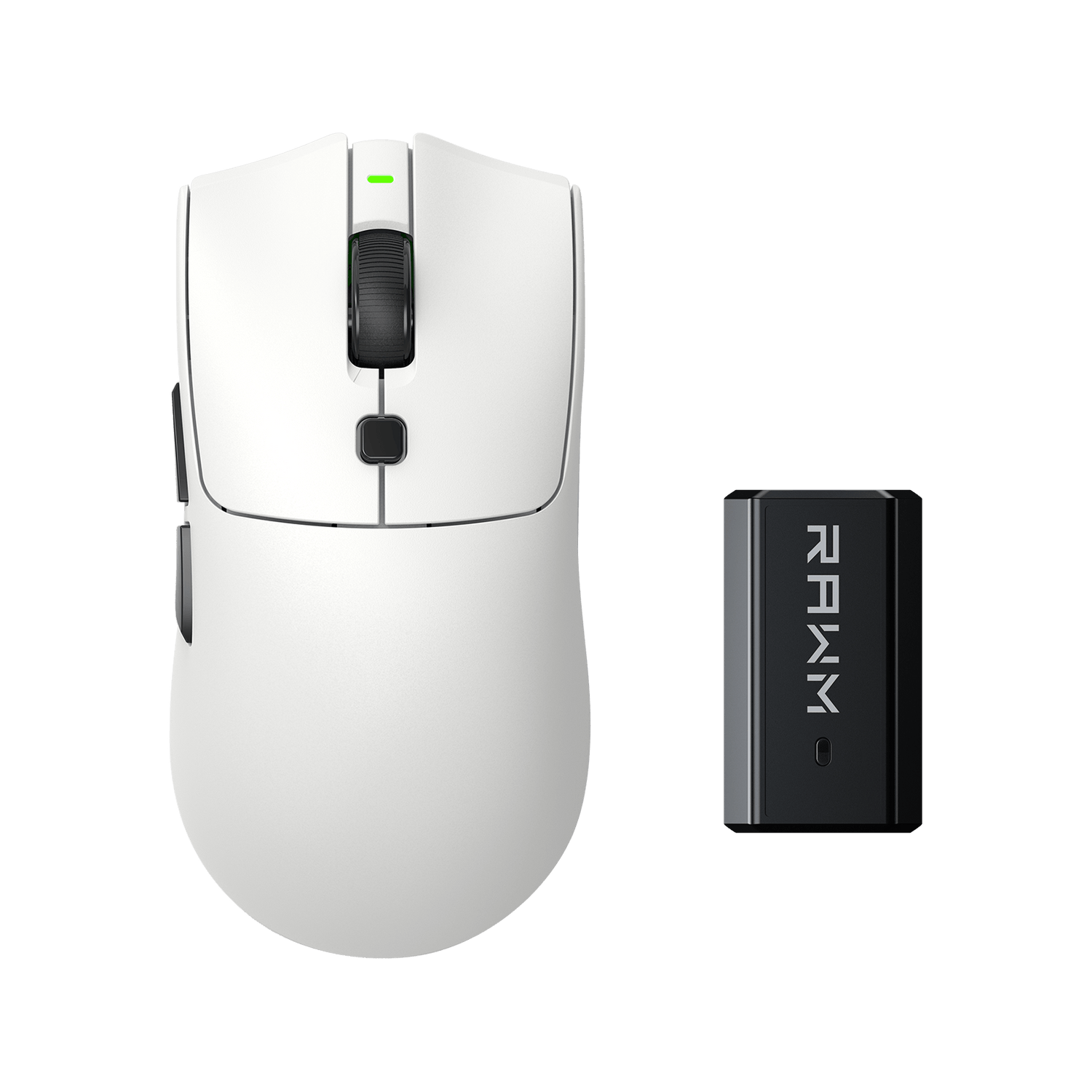
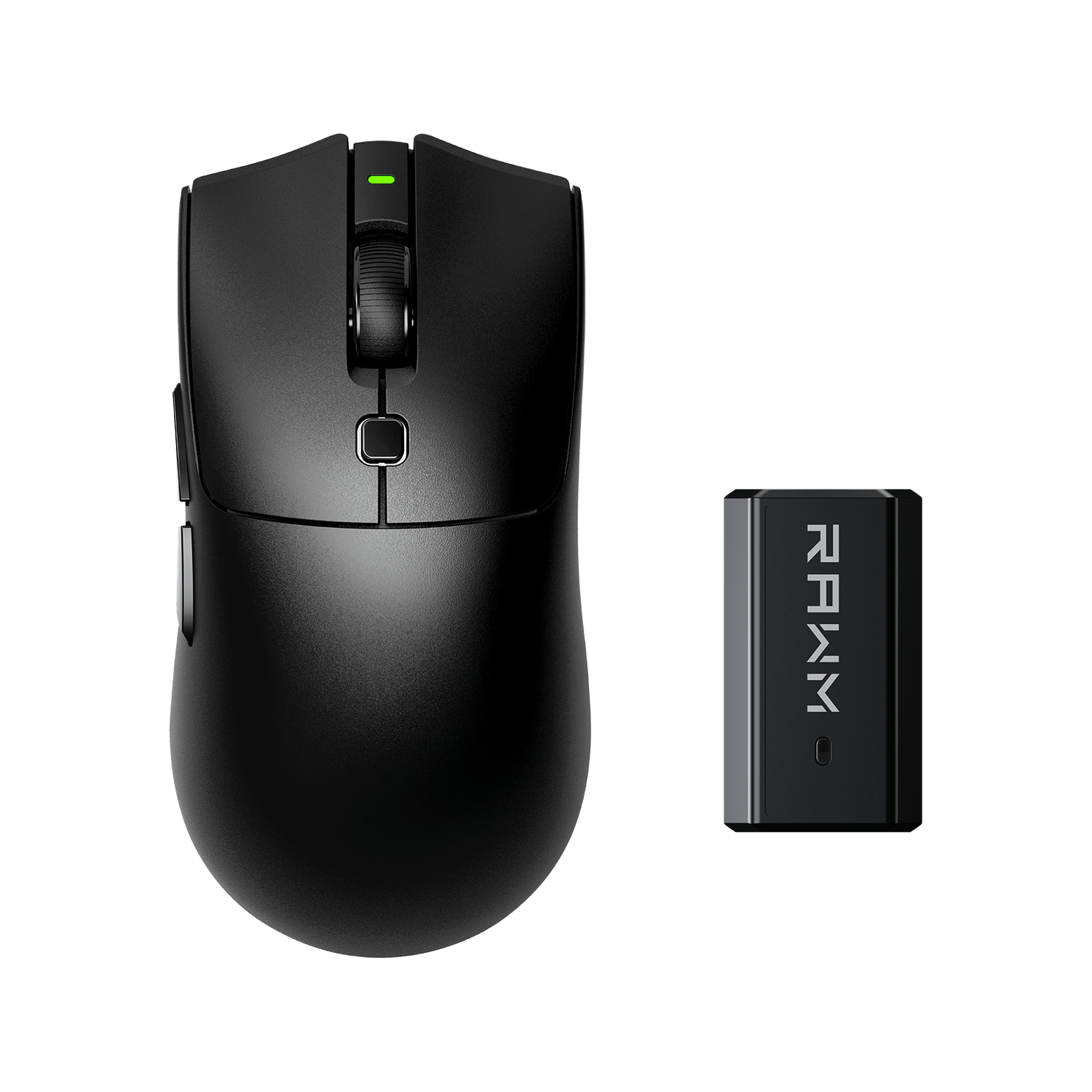
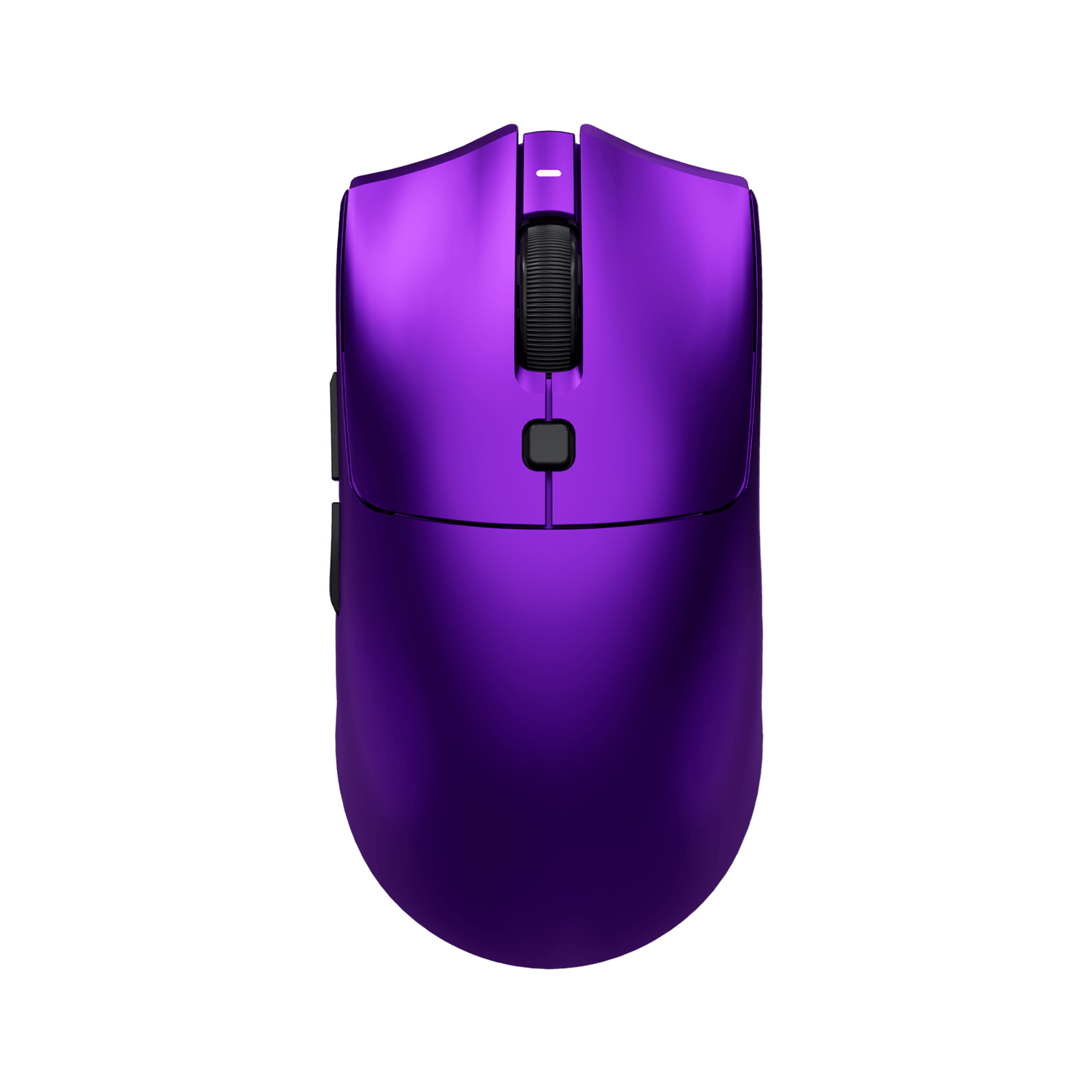
Do gaming mice help reduce click fatigue?
- Lighter Clicks Require Less Finger Force
- Faster Switch Response Reduces Overexertion
- Ergonomic Shape Supports Natural Hand Position
- Reduced Weight Lowers Overall Hand Strain
- Surface and Grip Affect Finger Effort
- Setup and Habits Still Matter More
- When a Better Mouse Actually Makes a Difference

Click fatigue is something many gamers experience, especially during long sessions or while playing fast-paced games that require constant clicking. Over time, repeated button presses can lead to finger soreness, stiffness, or even reduced responsiveness in your hand.
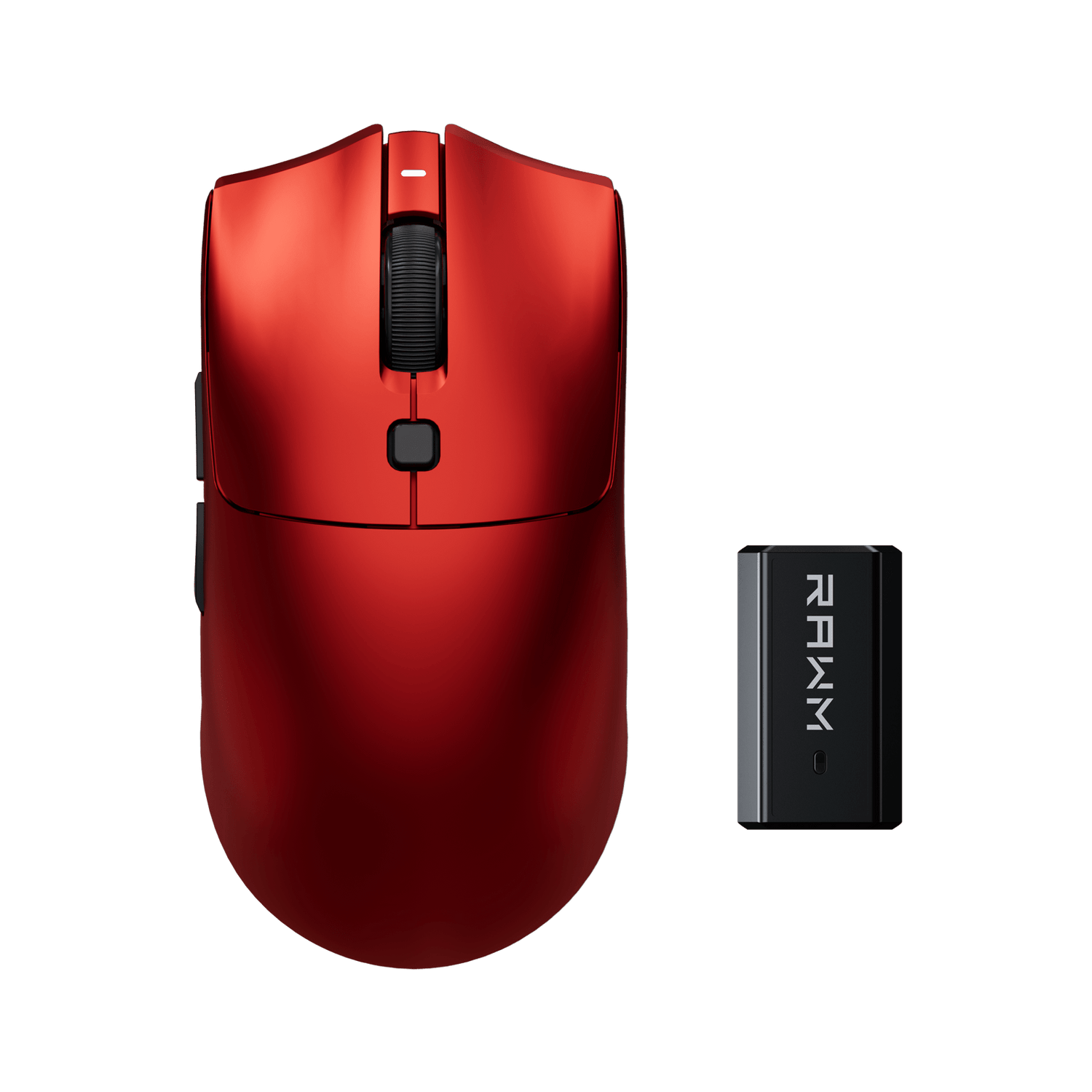
Gaming mice are often marketed as performance tools, but they also include design features aimed at improving comfort and reducing strain. While they are not a complete solution on their own, the right gaming mouse can absolutely help reduce click fatigue when combined with proper habits and setup.
Understanding how mouse design affects finger movement and pressure can make it easier to choose a setup that feels comfortable even after hours of use.
1. Lighter Clicks Require Less Finger Force
One of the biggest advantages of many gaming mice is lighter actuation force. This means the buttons require less pressure to register a click.
When each click takes less effort, your fingers do less work over time. This becomes especially important in games that require rapid clicking, where even small differences in force can add up quickly.
Lighter clicks reduce strain on the index and middle fingers, making long sessions feel less tiring.
However, clicks that are too light can lead to accidental presses, so balance is important.
2. Faster Switch Response Reduces Overexertion
Gaming mice are designed with responsive switches that register clicks quickly and consistently.
When a click registers immediately, you don’t need to press harder or repeat the action. This reduces unnecessary effort and helps maintain a smoother rhythm during gameplay.
Inconsistent or delayed clicks can cause users to press more forcefully, which increases fatigue over time.
Reliable switches help ensure that each click feels predictable, reducing the need for extra pressure.
3. Ergonomic Shape Supports Natural Hand Position
The shape of a mouse has a major impact on how your fingers rest on the buttons.
Gaming mice are often designed to support a more natural hand position, which helps reduce tension in the fingers and wrist.
If your hand sits comfortably on the mouse, your fingers can click with minimal movement instead of stretching or adjusting constantly.
A poor fit, on the other hand, forces your fingers into awkward angles, increasing strain during repeated clicking.
Choosing a mouse that matches your hand size and grip style can significantly improve comfort.
4. Reduced Weight Lowers Overall Hand Strain
While weight mainly affects movement, it also plays a role in overall hand fatigue.
A lighter mouse requires less effort to move and reposition, which reduces tension in the hand and fingers. When your hand is more relaxed, clicking becomes easier and less tiring.
Heavy mice can create subtle strain that builds up over time, especially when combined with frequent clicking.
By reducing overall effort, lightweight designs indirectly help reduce click fatigue as well.
5. Surface and Grip Affect Finger Effort
The texture and grip of a mouse influence how firmly you need to hold it.
If a mouse feels slippery, you may grip it more tightly to maintain control. This added tension can transfer to your fingers and make clicking feel more tiring.
Mice with better grip coatings or shapes that support your hand allow you to relax your grip, reducing strain during repeated clicks.
A relaxed hand position makes it easier to maintain consistent clicking without overexertion.
6. Setup and Habits Still Matter More
Even the best gaming mouse cannot fully prevent fatigue if your setup or habits are poor.
Clicking too aggressively, playing for long periods without breaks, or using awkward hand positions will still lead to strain.
Taking regular breaks, relaxing your grip, and maintaining proper posture are essential for reducing fatigue.
Adjusting sensitivity can also help. If your setup requires excessive movement or tension, it may increase overall strain, including during clicking.
The mouse helps, but your habits determine the long-term impact.
7. When a Better Mouse Actually Makes a Difference
Switching to a gaming mouse makes the biggest difference when your current mouse requires excessive force or feels uncomfortable.
Users coming from stiff office mice often notice immediate improvements in click feel and responsiveness.
For those who already use a decent mouse, the improvement may be more subtle but still noticeable over long sessions.
Some setups focus on reducing overall input strain by combining comfortable mouse design with smooth movement and consistent control, sometimes incorporating stable hardware solutions like the Leviathan V4 to support a more relaxed and predictable experience.
In the end, a gaming mouse can help reduce click fatigue, but it works best as part of a well-optimized setup.
Have you ever felt your fingers getting tired or sore after a long session of rapid clicking?
>>See also What is the best mouse for low friction? >>>>>