What is the best mouse for low friction?
- Why Friction Matters for Mouse Performance
- Lightweight Mice Reduce Resistance
- Mouse Feet Make a Huge Difference
- The Mousepad Matters More Than the Mouse
- Hard vs Soft Surfaces for Low Friction
- Cable and Setup Also Affect Glide
- There Is No Single “Best” Mouse

When it comes to smooth and effortless mouse movement, friction is one of the most important factors affecting how a mouse feels in use. Lower friction means less resistance when moving the mouse, which translates to faster glides, easier micro-adjustments, and reduced fatigue over long sessions.
Many people assume that achieving low friction is only about the mouse itself, but in reality, it is the combination of mouse design, feet material, weight, and surface that determines how smooth the experience feels. Choosing the right setup can dramatically improve both comfort and performance.
If your goal is to achieve the lowest possible friction, it helps to understand what actually influences glide and how to optimize each part of your setup.
1. Why Friction Matters for Mouse Performance
Friction directly affects how much effort is required to move your mouse. High friction creates resistance, making movements feel slower and heavier. Low friction allows the mouse to glide easily with minimal force.
For gaming, especially in fast-paced titles, low friction helps with quick flicks and rapid directional changes. It also improves consistency because less force is needed to start and stop movement.
For general use, low friction reduces strain on the hand and wrist, making long sessions more comfortable.
A smoother glide means your movements feel more natural and less tiring over time.
2. Lightweight Mice Reduce Resistance
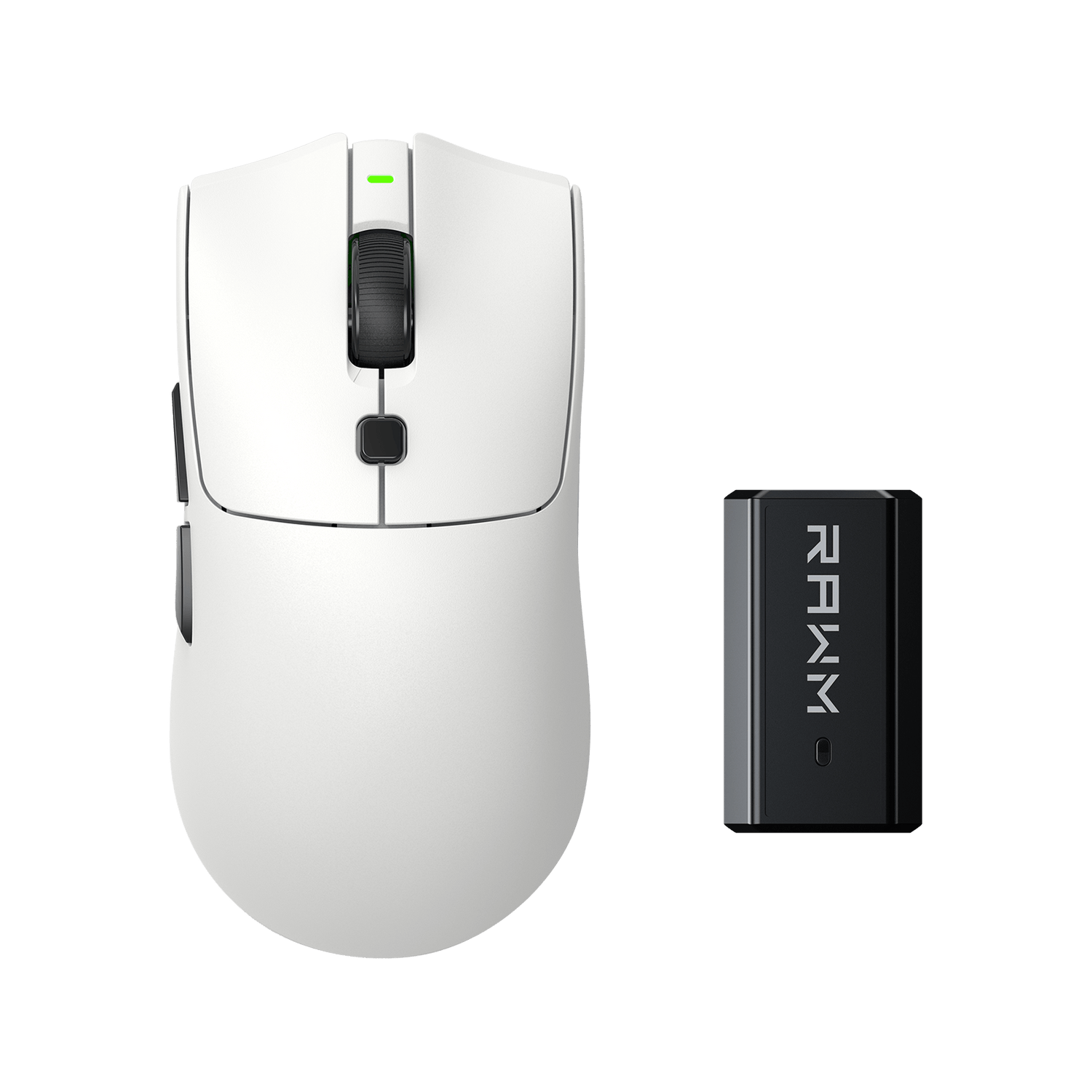
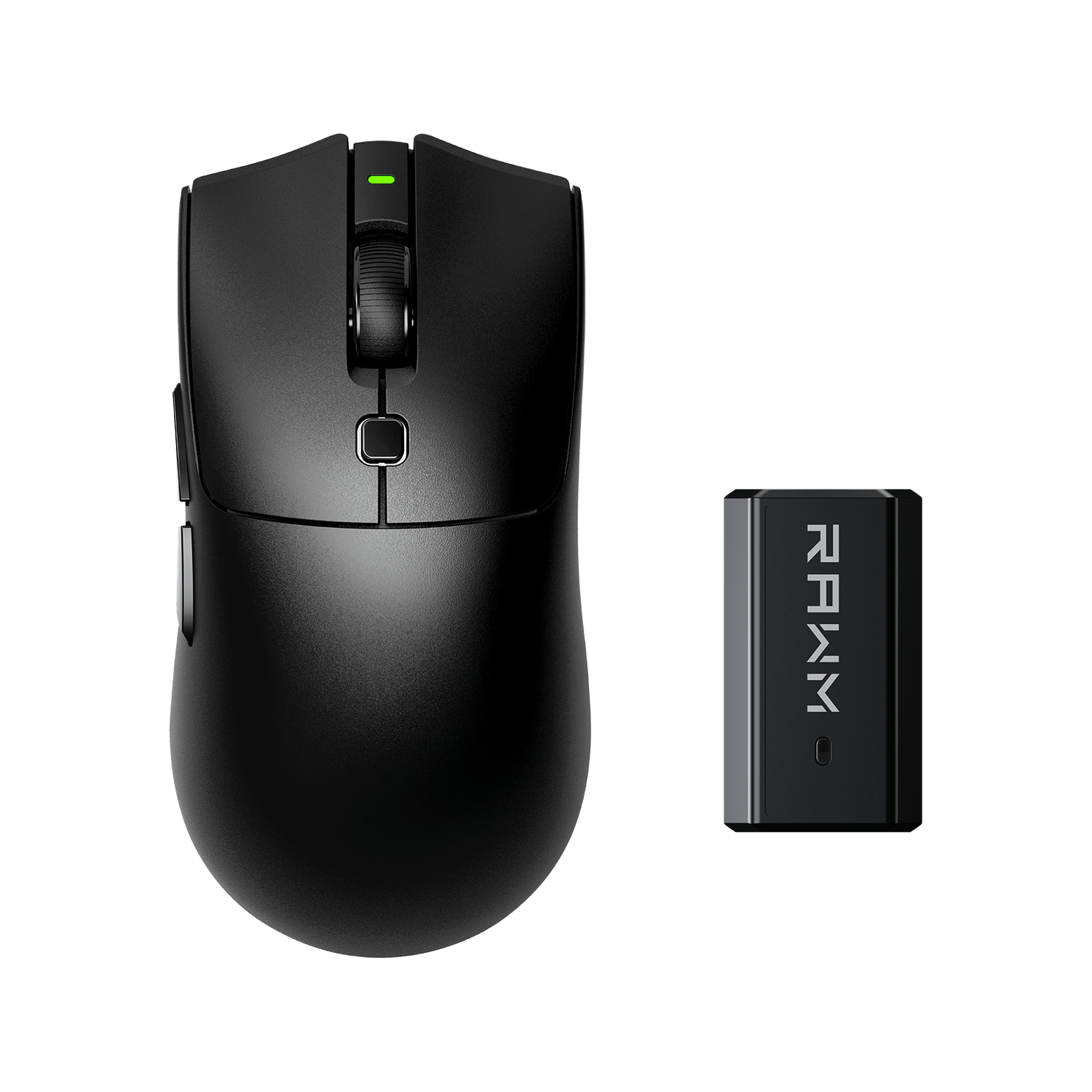
One of the biggest contributors to low friction is mouse weight. Lighter mice naturally require less force to move, which reduces the feeling of drag across the surface.
This is why many modern gaming mice focus on lightweight designs. Reducing mass lowers inertia, making it easier to start and stop movement precisely.
Even without changing the surface, switching to a lighter mouse can noticeably improve glide and responsiveness.
Players who use low sensitivity settings often benefit the most, as they rely on larger arm movements that can become tiring with heavier mice.
3. Mouse Feet Make a Huge Difference
Mouse feet, also known as skates, are one of the most critical factors in determining friction.
Most high-performance mice use PTFE (commonly known as Teflon) feet because of their extremely low friction properties. These feet allow the mouse to glide smoothly across surfaces with minimal resistance.
The shape and size of the feet also matter. Larger, rounded feet tend to distribute weight more evenly and reduce scratchiness.
Over time, mouse feet wear down and become less smooth. Replacing worn feet can restore glide and significantly reduce friction.
Upgrading to high-quality aftermarket feet is one of the simplest ways to improve mouse movement.
4. The Mousepad Matters More Than the Mouse
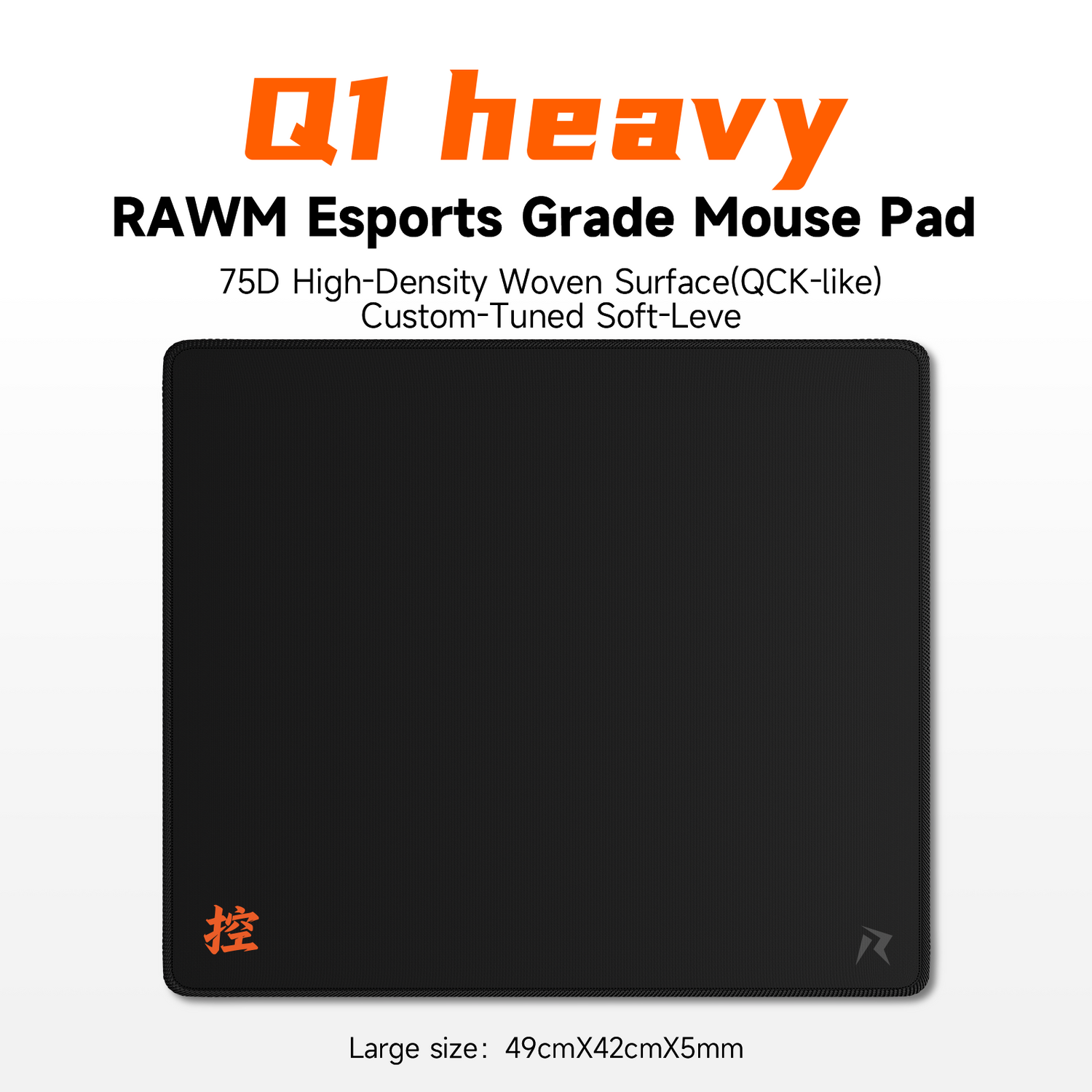
Even the best mouse cannot achieve low friction on the wrong surface. The mousepad plays a major role in determining how smooth the glide feels.
Hard mousepads generally provide the lowest friction. Their smooth surfaces allow mice to glide quickly with minimal resistance.
Cloth mousepads offer more control but slightly higher friction. However, some speed-focused cloth pads are designed to balance smoothness and control.
Hybrid surfaces attempt to combine the benefits of both, offering low friction while maintaining some stopping power.
Choosing the right mousepad is often more impactful than changing the mouse itself when it comes to glide.
5. Hard vs Soft Surfaces for Low Friction
Hard surfaces, such as plastic or glass mousepads, typically provide the fastest glide. They minimize resistance and allow for very quick movements.
However, they can feel slippery for some users and may reduce stopping control.
Soft cloth surfaces provide more resistance, which can help with precision but slightly increases friction.
For those seeking the lowest friction possible, hard pads are usually the preferred choice. For balanced performance, speed cloth pads are a popular alternative.
The best option depends on whether you prioritize speed or control.
6. Cable and Setup Also Affect Glide
Friction is not only about what happens under the mouse—it also involves what happens around it.
For wired mice, cable drag can create additional resistance. If the cable pulls against your movement, it increases the effort required to move the mouse.
Managing the cable properly or using a wireless mouse can eliminate this issue.
Desk space and setup also matter. A clutter-free surface allows for smoother, uninterrupted movement.
Some users optimize their entire setup for consistent glide, combining lightweight mice, low-friction surfaces, and stable environments—sometimes incorporating setups designed for smooth tracking performance like the Leviathan V4 to maintain consistent movement across different conditions.
7. There Is No Single “Best” Mouse
There is no universally perfect mouse for low friction because glide depends on multiple factors working together.
A lightweight mouse with high-quality PTFE feet on a suitable surface will generally provide the best results. However, personal preference still plays a major role.
Some users prefer extremely fast glide, while others want a bit of resistance for better control.
Instead of focusing on a single “best” mouse, it is more effective to build a setup where the mouse, feet, and surface all complement each other.
Fine-tuning these elements will give you a smoother and more consistent experience than relying on any one component alone.
Have you ever switched mousepads or mouse feet and noticed a big difference in how smoothly your mouse moves?
>>See also Can I reduce click latency? >>>>>