Is friction good or bad for mouse control?
- 1. How friction influences basic mouse control
- 2. High friction and its effect on precision
- 3. Low friction and speed-focused playstyles
- 4. Friction, sensitivity, and muscle memory
- 5. Surface, skates, and consistency over time
- 6. Is friction good or bad for mouse control?
- 7. Finding the right friction balance for yourself

Friction is one of those factors in mouse control that players feel immediately but rarely define clearly. The moment a mouse glides across a surface, friction begins shaping how movements translate on screen. Too much friction can make a mouse feel slow and resistant, while too little can make it feel slippery and hard to stop precisely. Whether friction is good or bad depends largely on how it interacts with control, consistency, and the type of games being played.
Rather than being a simple positive or negative trait, friction acts as a tuning element in mouse performance. The balance between resistance and glide affects aim stability, stopping power, fatigue, and overall confidence. Looking at friction from multiple angles helps explain why different players prefer very different setups.
1. How friction influences basic mouse control
Friction is the resistance created when mouse skates move across a surface. This resistance directly affects how much force your hand must apply to start, continue, and stop movement. Higher friction means more effort is required, while lower friction allows the mouse to move more freely.
In mouse control, friction plays a major role in stopping accuracy. When friction is present, the mouse naturally resists motion as you slow down, making it easier to stop exactly where you intend. This can help with precise crosshair placement, especially during micro-adjustments.
Low-friction setups reduce resistance, allowing faster movement with less effort. While this feels smooth and effortless, it can make stopping precisely more challenging, particularly for players who rely on fingertip control rather than arm movement.
2. High friction and its effect on precision
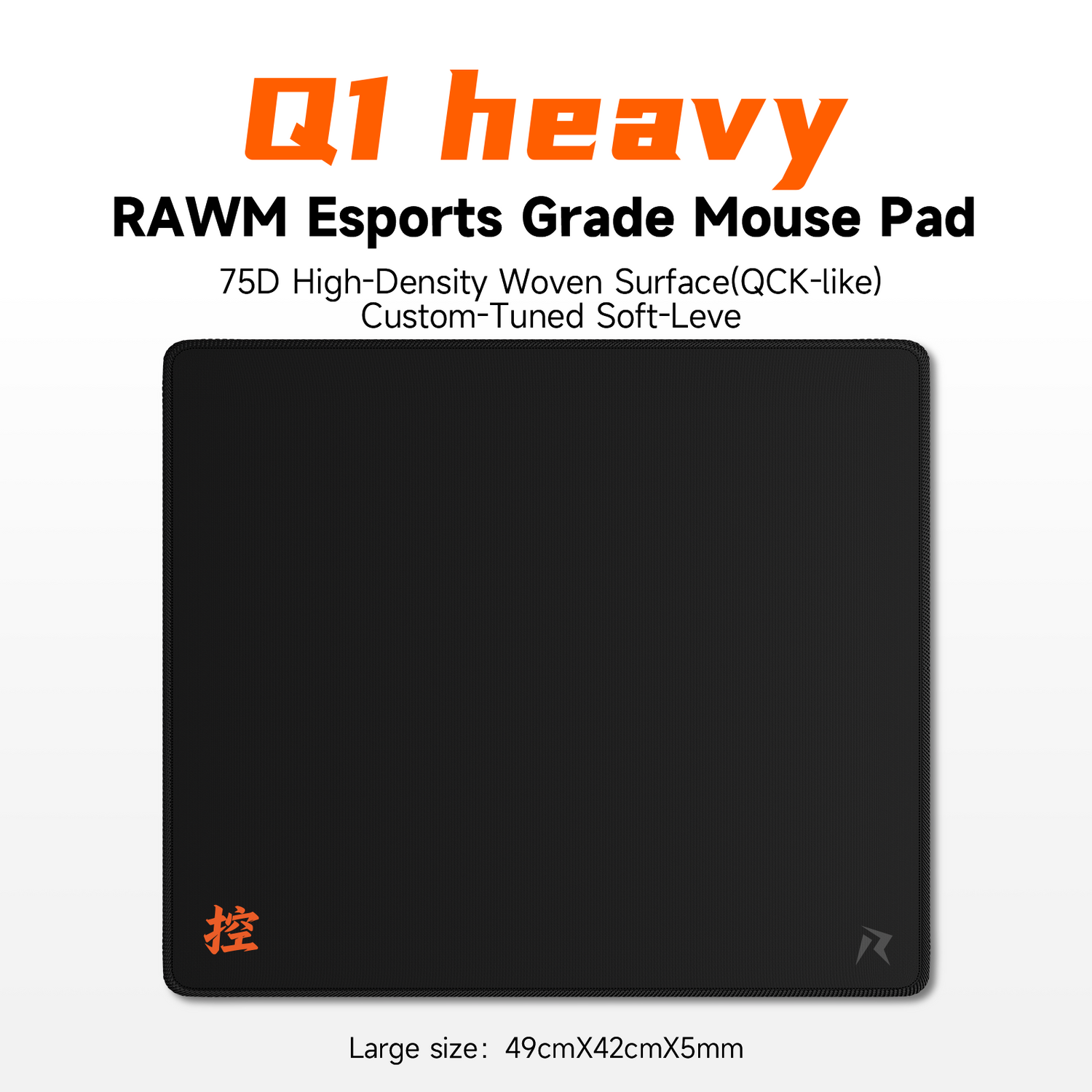
High friction is often associated with control-oriented setups. Cloth mousepads with dense weaves or textured surfaces tend to increase resistance, giving the mouse a more anchored feel. This resistance can improve stability when tracking slow-moving targets or holding tight angles.
For players who prefer deliberate movements, high friction can reduce overshooting. The extra resistance helps dampen sudden hand motions, leading to smoother corrections and fewer accidental flicks past a target.
However, excessive friction has drawbacks. It can increase fatigue over long sessions because the hand must constantly overcome resistance. Fast turns and large swipes require more effort, which may slow reaction time in fast-paced games.
High friction works best for players who value precision over speed and are comfortable applying more physical effort for control.
3. Low friction and speed-focused playstyles
Low-friction setups prioritize glide and speed. Hard mousepads, glass surfaces, and polished skates minimize resistance, allowing the mouse to move with very little effort. This can feel liberating, especially for players who rely on quick flicks and rapid repositioning.
In games that reward fast reactions and large directional changes, low friction can improve responsiveness. Less resistance means less force is required to move the mouse quickly, which can translate into faster initial movement.
The challenge with low friction is control at the end of movement. Without resistance to help slow the mouse, stopping precisely requires refined muscle control. For some players, this leads to overcorrection or jitter until they adapt.
Low friction tends to favor players with strong fine motor control and consistent technique.
4. Friction, sensitivity, and muscle memory
Friction interacts closely with sensitivity and muscle memory. A setup with consistent friction allows the brain to learn exactly how much force is needed for specific movements. When friction changes, that learned relationship is disrupted.
Players who frequently switch mousepads or skates often notice an adjustment period where aim feels off. This is not just psychological; it is a physical recalibration of force versus distance.
Moderate friction often provides the most stable learning environment. It offers enough resistance to help stop movements while still allowing fluid motion. This balance makes it easier to develop repeatable muscle memory over time.
Once muscle memory is established, sudden changes in friction can temporarily reduce performance, even if the new setup is technically better on paper.
5. Surface, skates, and consistency over time
Friction is not static. Mousepads wear down, skates polish themselves smooth, and dust or humidity can alter surface behavior. A setup that feels perfect when new may change noticeably after weeks or months of use.
Cloth pads often become smoother over time, reducing friction gradually. Hard pads may develop worn spots that create uneven glide. Skate material and thickness also influence how friction evolves.
Consistency matters more than absolute friction level. A mouse that behaves predictably session after session allows players to adapt and perform reliably. This is why many players stick to familiar surfaces rather than constantly chasing lower or higher friction.
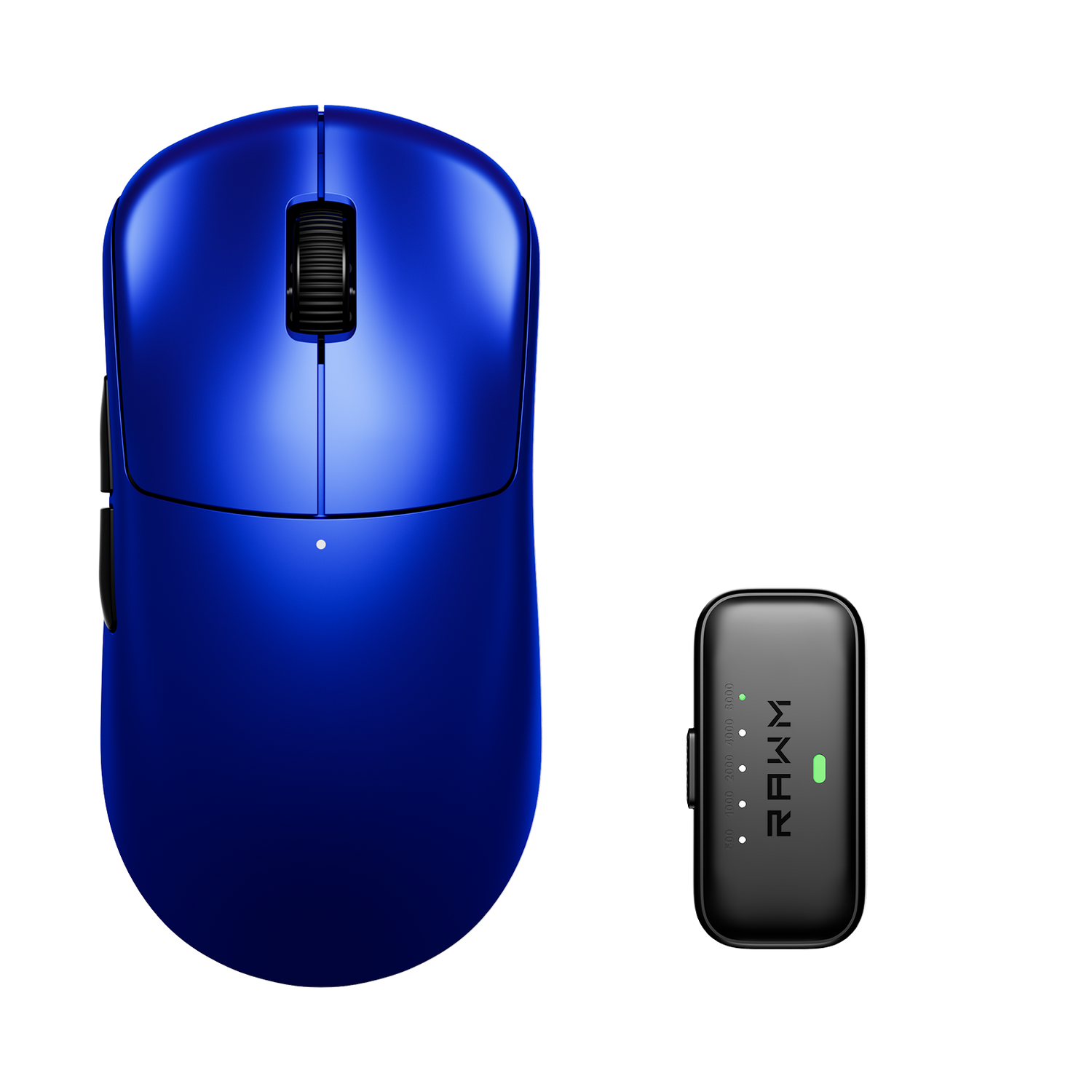
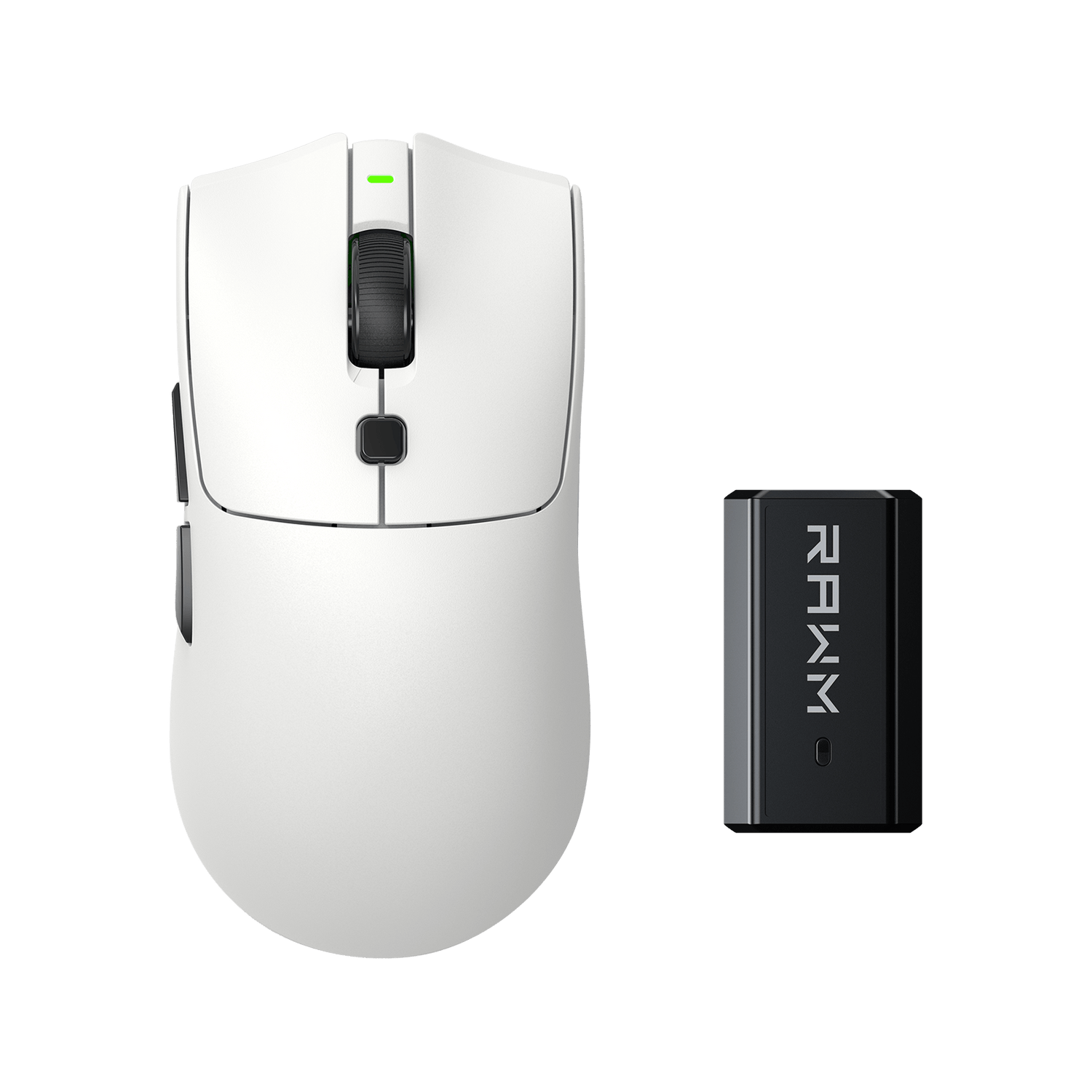
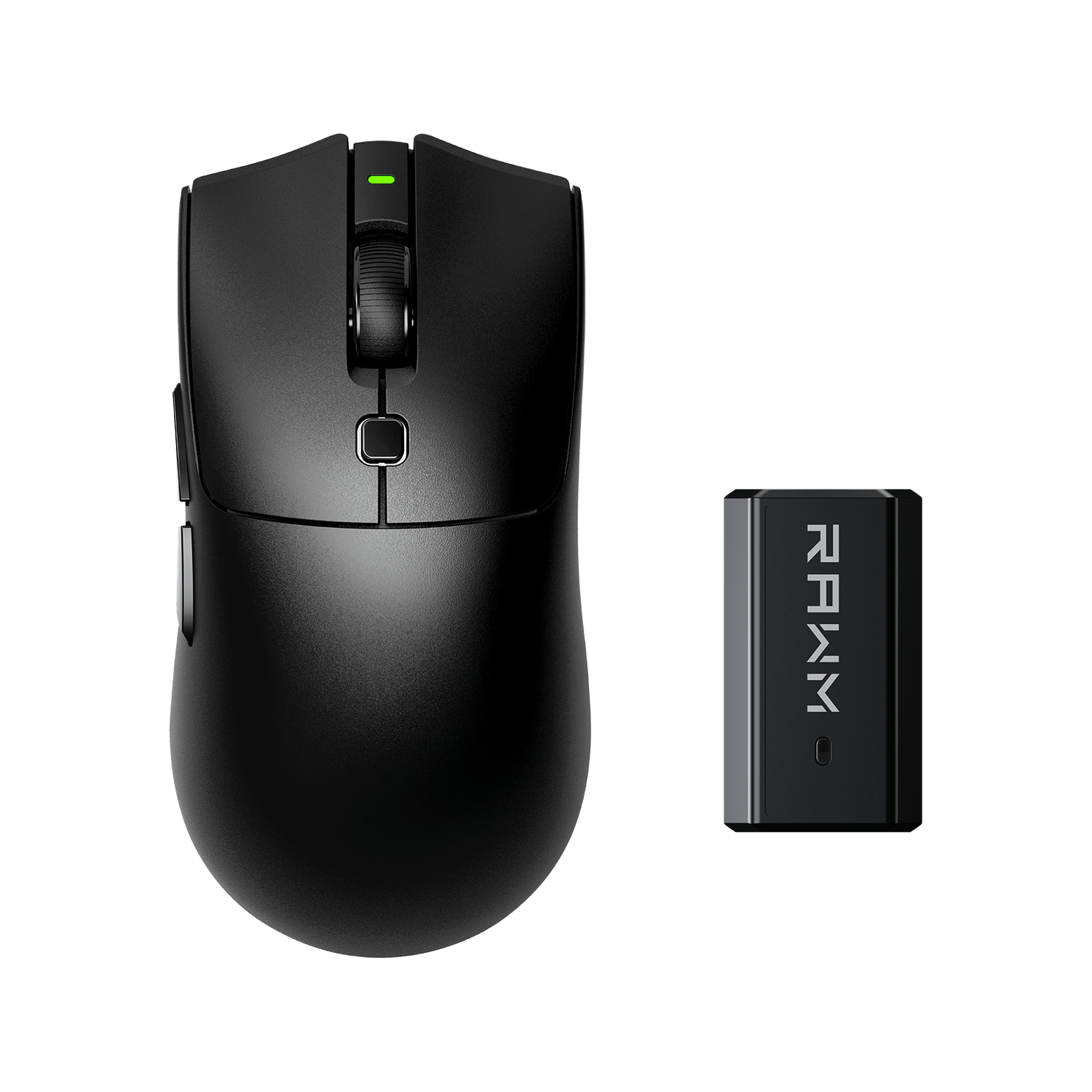
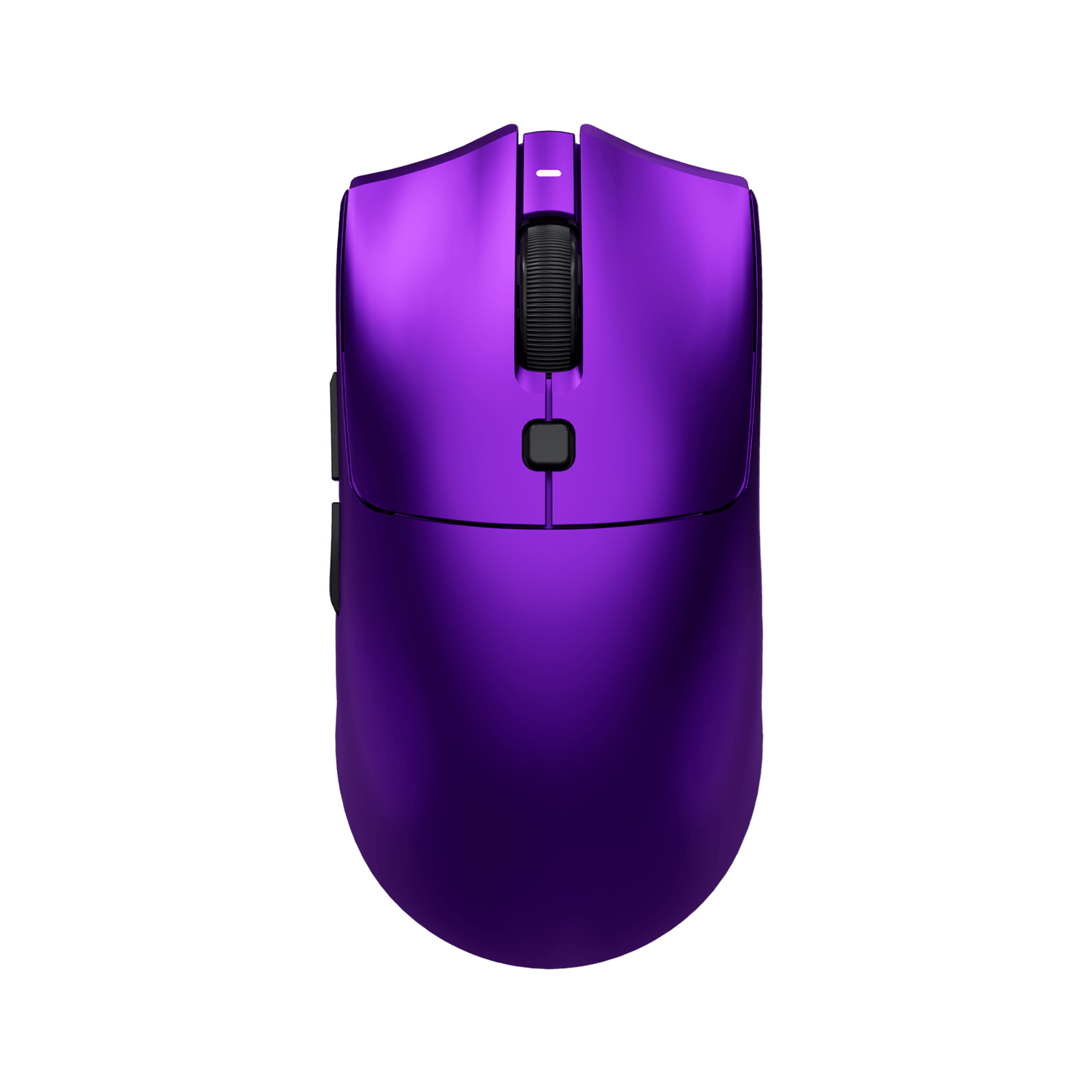
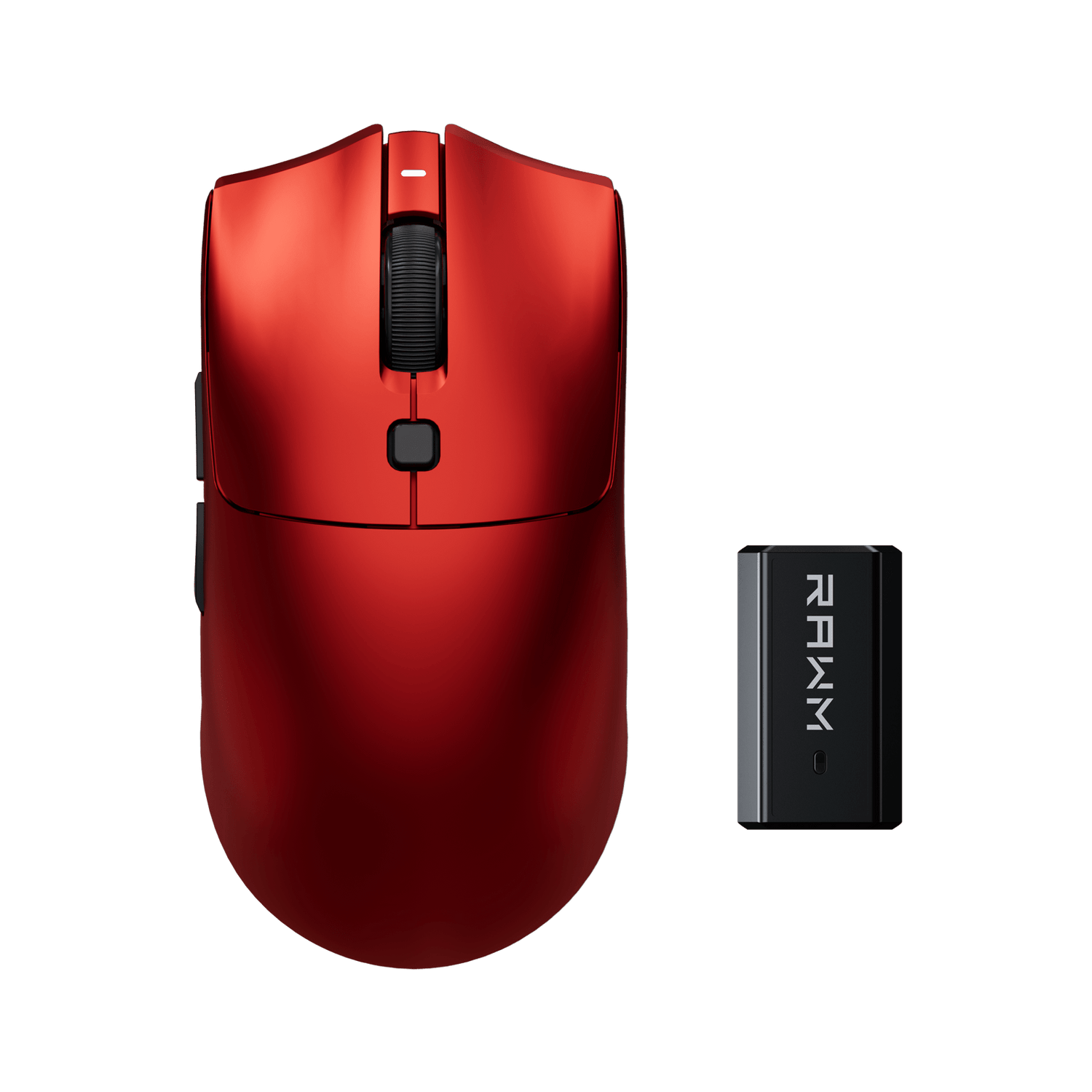
Well-balanced mice designed for stable glide characteristics, such as the Leviathan V4, aim to maintain consistent contact and predictable movement across common surfaces, supporting long-term control rather than extreme friction tuning.
6. Is friction good or bad for mouse control?
Friction itself is neither good nor bad. It is a tool that shapes how control feels. High friction emphasizes stopping power and stability, while low friction emphasizes speed and freedom of movement.
The ideal friction level depends on several factors:
-
Game genre and pacing
-
Sensitivity settings
-
Grip style and hand movement
-
Personal comfort over long sessions
Players who prioritize accuracy and controlled tracking often prefer moderate to higher friction. Players who favor speed and fast flicks may prefer lower friction, accepting the need for refined stopping control.
The most effective setup is the one that feels predictable and comfortable during real gameplay, not the one with the most extreme specifications.
7. Finding the right friction balance for yourself
Choosing the right friction balance is a personal process. Small changes, such as switching skates or adjusting pad material, can have a noticeable impact. Testing setups over several sessions helps determine whether the friction level supports consistent performance.
Instead of asking whether friction is good or bad, it is more useful to ask whether your current friction level supports your aiming habits without causing fatigue or inconsistency. When movement feels natural and stops feel controlled, friction is working in your favor.
Do you prefer a mouse that resists movement slightly for added control, or one that glides freely for speed, and how has that choice affected your accuracy over time?
>>See also What does IPS mean in mouse specs? >>>>>