What does IPS mean in mouse specs?
- 1. What IPS means in mouse specifications
- 2. How IPS affects real gameplay
- 3. IPS vs DPI: clearing up confusion
- 4. What IPS level is enough for most players
- 5. How IPS works together with other sensor specs
- 6. When IPS actually matters and when it does not
- 7. How to choose based on IPS without overthinking it

When comparing gaming mouse specifications, IPS is one of those numbers that often appears next to DPI and polling rate, yet many users are not entirely sure what it represents or how much it really matters. IPS stands for inches per second, and it describes how fast a mouse sensor can accurately track movement across a surface. While it sounds technical, IPS has very practical implications for gameplay, especially for players who use low sensitivity or make fast, sweeping motions.
IPS is not about how sensitive a mouse is, nor is it about cursor speed alone. Instead, it defines the maximum physical movement speed the sensor can handle before it starts losing accuracy. Knowing what IPS means helps you judge whether a mouse can keep up with your playstyle or if it may struggle during intense moments.
1. What IPS means in mouse specifications
IPS, or inches per second, measures the maximum speed at which a mouse sensor can move while still tracking correctly. If you swipe your mouse faster than its rated IPS, the sensor may fail to register movement accurately, leading to issues such as cursor skipping, sudden jumps, or loss of tracking.
This metric focuses purely on physical motion. It does not depend on DPI settings or software sensitivity. Even a mouse with very high DPI can perform poorly if its IPS rating is low and the user moves the mouse quickly.
In practical terms, IPS tells you how tolerant a sensor is to fast hand movements. A higher IPS rating means the mouse can handle aggressive swipes without breaking tracking integrity.
2. How IPS affects real gameplay
The impact of IPS becomes most noticeable during fast directional changes. In competitive shooters, for example, players often make rapid flicks to adjust aim. If the mouse sensor cannot keep up with these movements, the crosshair may not land where intended.
Low-sensitivity players benefit the most from high IPS. Since they move the mouse farther and faster to cover the same on-screen distance, their physical swipe speed can easily exceed the limits of lower-end sensors. In these cases, IPS acts as a safety margin that prevents tracking errors during high-speed motion.
For players who use high sensitivity and make small wrist movements, IPS is less likely to become a limiting factor. Their physical movement speed usually stays well within the sensor’s tracking capability.
3. IPS vs DPI: clearing up confusion
IPS and DPI are often confused, but they measure very different things. DPI describes how many dots the sensor reports per inch of movement, which affects cursor sensitivity. IPS, on the other hand, describes how fast the sensor can move across the surface while remaining accurate.
A mouse can have extremely high DPI but still suffer from low IPS. In such cases, slow movements feel precise, but fast swipes cause tracking failure. Conversely, a mouse with moderate DPI and high IPS may feel extremely reliable during fast gameplay.
Neither metric replaces the other. DPI controls sensitivity preference, while IPS ensures the sensor can physically keep up with how you move the mouse.
4. What IPS level is enough for most players
Modern gaming mice typically offer IPS ratings between 200 and 650. For the majority of players, anything above 300 IPS is more than sufficient. This range comfortably supports fast gameplay without tracking loss for most styles.
Competitive FPS players who use very low sensitivity may prefer sensors rated at 400 IPS or higher. This ensures that even the most aggressive flicks remain accurate. Extremely high IPS values above 600 are impressive, but for most users, they provide diminishing returns.
The key is matching IPS to how you actually move your mouse. If your playstyle does not involve extreme speed, a mid-range IPS rating will perform just as well as a top-tier one.
5. How IPS works together with other sensor specs
IPS does not operate in isolation. It works alongside acceleration tolerance, surface calibration, and polling rate to determine overall tracking quality. A mouse with high IPS but poor surface compatibility may still feel inconsistent.
Polling rate influences how often the mouse reports position updates, while acceleration tolerance determines how well the sensor handles sudden speed changes. IPS sets the upper boundary for movement speed, but the sensor’s firmware and surface quality decide how smoothly that limit is reached.
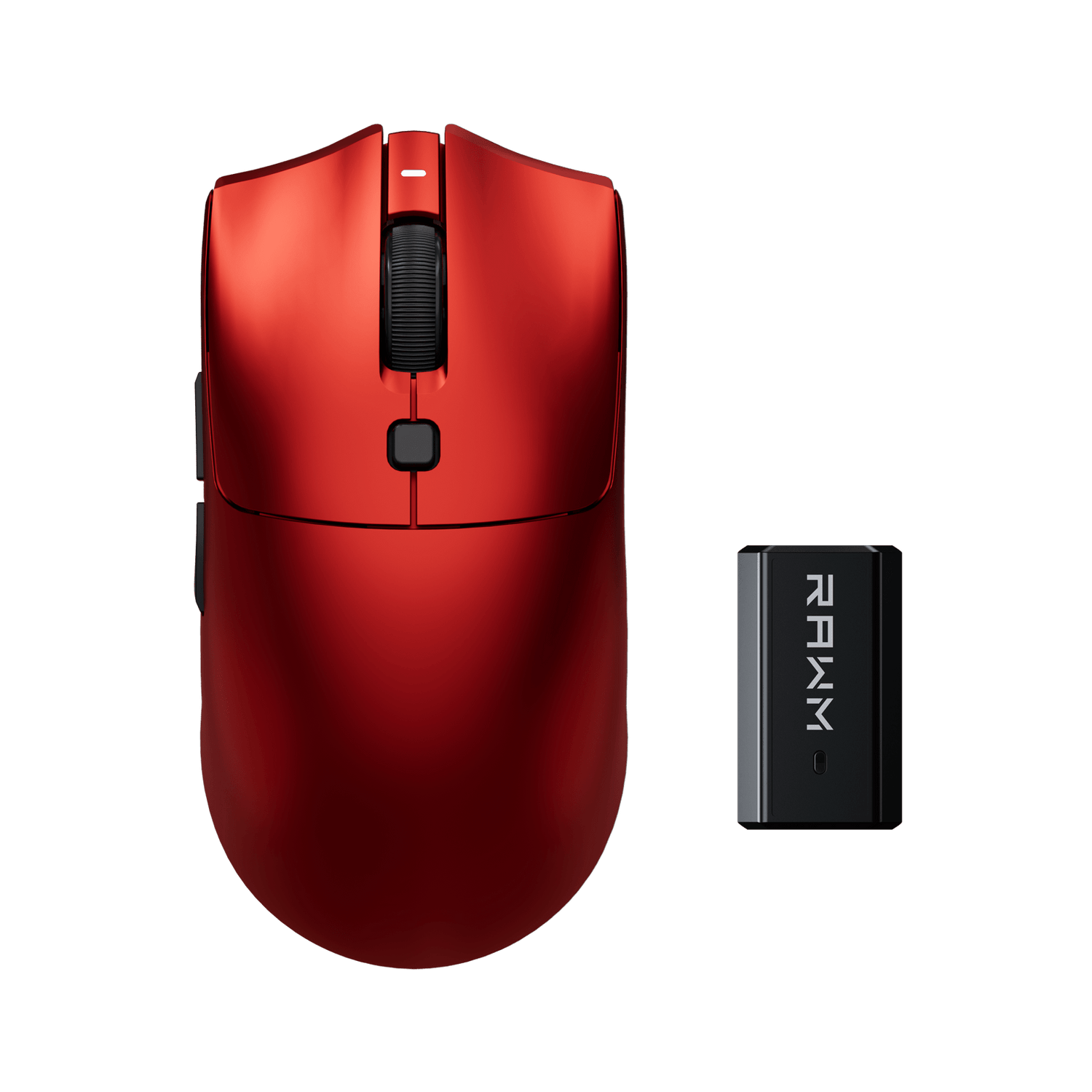
This is why well-balanced sensor tuning matters more than chasing one impressive number. Mice that combine stable IPS with consistent tracking behavior tend to feel more reliable across different games and surfaces. Models such as the Leviathan V4 focus on this balance, offering high-speed tracking without sacrificing control or consistency.
6. When IPS actually matters and when it does not
IPS becomes important if you experience tracking issues during fast movements. If your cursor skips, spins out, or fails to respond during quick swipes, the sensor’s IPS limit may be the cause.
However, if your mouse already tracks perfectly in all situations you encounter, increasing IPS will not suddenly improve aim or accuracy. IPS is a threshold specification, not a performance enhancer. Once your movement stays below that threshold, the benefit is already realized.
For everyday gaming, office work, and casual play, IPS rarely becomes a limiting factor. It mainly matters for fast-paced competitive scenarios where consistency under speed is critical.
7. How to choose based on IPS without overthinking it
When choosing a mouse, IPS should be treated as a compatibility check rather than a primary selling point. Ensure the rating comfortably exceeds your typical movement speed, then focus on shape, comfort, and overall sensor quality.
Avoid assuming that higher IPS automatically means better performance. In real use, sensor stability, ergonomics, and surface pairing influence your experience far more than extreme IPS numbers.
A mouse that feels predictable and tracks cleanly under your normal movements will always outperform one chosen solely for impressive specs on paper.
Have you ever noticed tracking issues during fast swipes, or has your mouse always kept up with your playstyle?
>>See also Are drag-clicking mice good for gaming? >>>>>