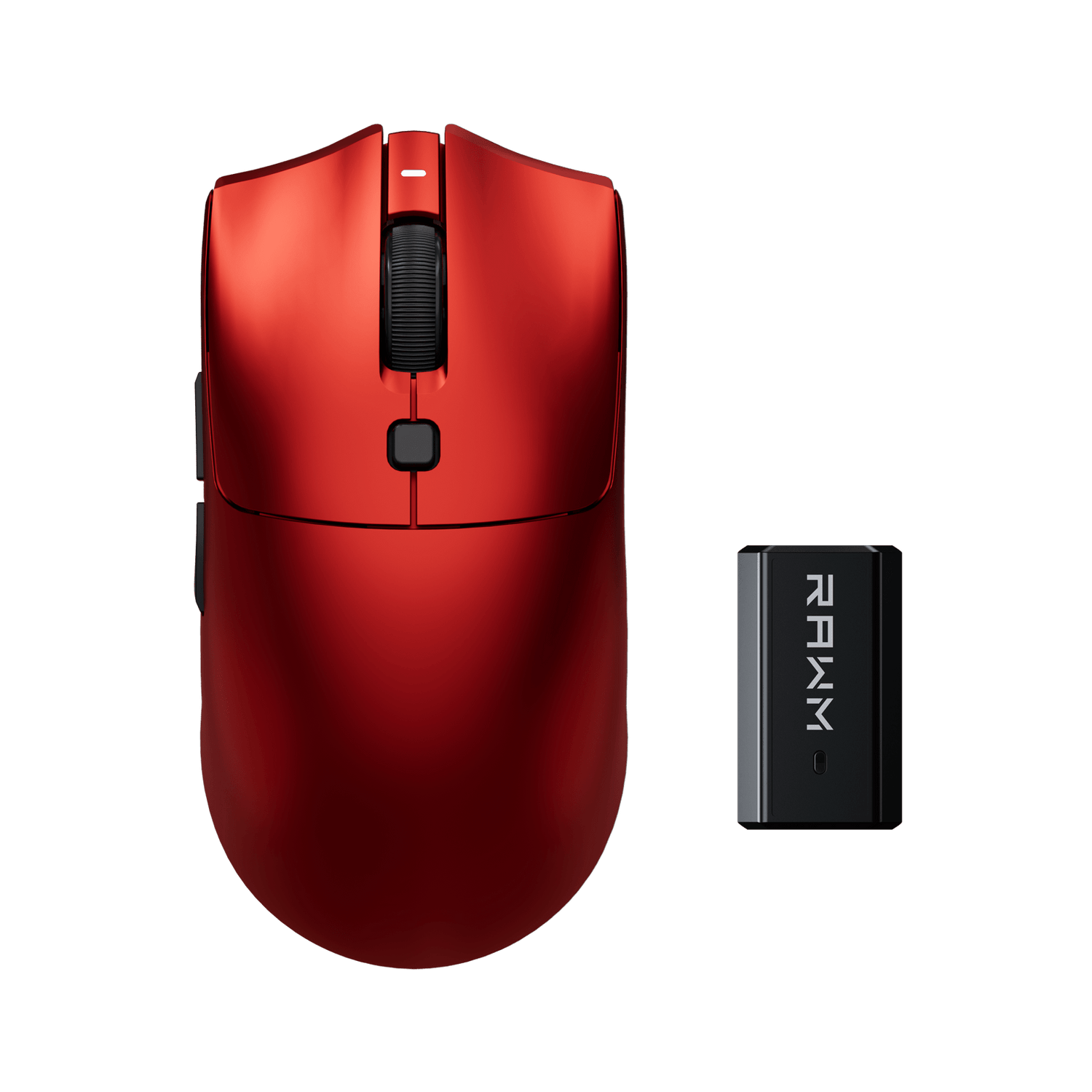
Gaming Mouse DPI Guide (2026): What DPI Is, Best Settings & How to Choose
Whether you're shopping for your first gaming mouse or trying to improve your aim in competitive games, you've probably come across the term DPI. It's one of the most advertised specifications on every gaming mouse, with manufacturers promoting sensors capable of 26,000, 30,000, or even 42,000 DPI.
But does a higher DPI actually make you a better gamer?
Not necessarily.
In reality, many professional esports players use relatively modest DPI settings, proving that the highest number isn't always the best choice. Understanding how DPI works is far more important than chasing impressive specifications.
In this guide, you'll learn what mouse DPI means, how it affects cursor movement, the difference between DPI and sensitivity, and how to find the ideal settings for your own gaming style.
Quick Answer
DPI (Dots Per Inch) measures how sensitive your mouse is by determining how far the cursor moves when the mouse travels one inch.
For most gamers:
- 400–800 DPI offers excellent precision for tactical FPS games.
- 800–1600 DPI is a comfortable range for most modern games.
- Extremely high DPI (8,000+) is rarely necessary and often makes aiming more difficult.
Ultimately, the best DPI depends on your game, monitor resolution, and personal preference—not the highest number printed on the box.
New to gaming mice? Read our Ultimate Gaming Mouse Guide to understand how DPI works alongside sensors, polling rate, weight, ergonomics, and switches before choosing your next mouse.
(Internal Link → The Ultimate Gaming Mouse Guide)
Table of Contents
- What Is Mouse DPI?
- How Does DPI Work?
- DPI vs Mouse Sensitivity
- Best DPI for Different Games
- Common DPI Myths
- How to Find Your Perfect DPI
- Frequently Asked Questions
- Key Takeaways
Chapter 1
What Is Mouse DPI?
If you've ever adjusted your mouse settings or browsed gaming mice online, you've almost certainly seen the abbreviation DPI. While it's often treated as a headline specification, many gamers misunderstand what it actually represents.
DPI stands for Dots Per Inch, a measurement that describes how sensitive your mouse is to physical movement.
Imagine sliding your mouse exactly one inch across your mouse pad.
Depending on your DPI setting, your cursor will move a different distance across the screen:
| DPI | Cursor Movement |
|---|---|
| 400 DPI | Approximately 400 pixels |
| 800 DPI | Approximately 800 pixels |
| 1600 DPI | Approximately 1600 pixels |
The higher the DPI, the farther the cursor travels with the same hand movement.
This makes the mouse feel faster, but it doesn't automatically make it more accurate.
DPI Controls Speed—Not Precision
One of the biggest misconceptions in gaming is believing that higher DPI equals better performance.
In reality, DPI simply changes the relationship between your physical hand movement and the movement of the on-screen cursor.
Think of it like changing gears on a bicycle.
A higher gear lets you cover more distance with each pedal rotation, but it doesn't make you a better cyclist. Likewise, increasing DPI makes your cursor travel farther, but accuracy still depends on your control, consistency, and muscle memory.
That's why many professional players intentionally use lower DPI settings—they prefer larger, more controlled movements that make precise aiming easier.
Why Modern Gaming Mice Advertise Extremely High DPI
Today it's common to see gaming mice advertised with maximum DPI values like:
- 26,000 DPI
- 30,000 DPI
- 36,000 DPI
- 42,000 DPI
These figures showcase the capabilities of the sensor, but they're rarely practical in everyday gaming.
Very high DPI settings can make cursor movement extremely sensitive, making small adjustments difficult for most players.
Instead of focusing on the highest number, experienced gamers pay more attention to factors such as:
- Sensor consistency
- Tracking accuracy
- Lift-off distance
- Polling rate
- Mouse shape
- Overall comfort
A well-designed mouse with a reliable sensor at 800 DPI will usually outperform a poorly designed mouse running at 30,000 DPI.
Why Understanding DPI Matters
Learning how DPI works helps you make better decisions when buying a gaming mouse and configuring your setup.
Instead of chasing marketing numbers, you'll understand:
- How different DPI settings affect aiming
- Why professional players often use lower DPI
- How to build consistent muscle memory
- Which settings suit your favorite games
Mastering DPI is one of the simplest ways to improve both comfort and consistency in gaming.
📌 Pro Tip
Don't buy a gaming mouse just because it advertises the highest DPI. Sensor quality, ergonomics, weight, and overall performance have a much greater impact on your gaming experience than an extremely high maximum DPI rating.
Continue Learning
Ready to dive deeper into DPI optimization? These guides will help you fine-tune your settings for different games and playstyles.
• Is Higher DPI Always Better for a Gaming Mouse?
• What DPI Do Esports Players Use?
• Should I Have the Same DPI in Every Game?
• How Do I Check My Current DPI?
Chapter 2: How Does Mouse DPI Work?

Understanding how DPI works begins with knowing what happens inside your gaming mouse every time you move it.
Modern gaming mice don't rely on mechanical rollers like older office mice. Instead, they use an advanced optical or laser sensor that continuously captures thousands of images of the surface beneath the mouse every second.
By comparing these images, the sensor can determine exactly how far and how fast the mouse has moved.
The DPI setting tells your computer how much cursor movement should be generated from that physical movement.
How Mouse Sensors Track Movement
Think of the sensor as a tiny high-speed camera.
As you move the mouse across your mouse pad, the sensor constantly scans the surface texture and records microscopic changes between consecutive images.
The onboard processor then calculates:
- Movement direction
- Distance traveled
- Movement speed
- Cursor output
This entire process happens thousands of times every second, allowing modern gaming mice to deliver extremely smooth and accurate tracking.
The quality of this tracking depends not only on the sensor itself but also on the mouse firmware, the mouse pad surface, and the overall implementation by the manufacturer.
What Happens When You Change the DPI?
Changing your DPI does not make the sensor more accurate.
Instead, it changes how much cursor movement is produced from the same physical movement.
For example, imagine you move your mouse exactly one inch:
| DPI Setting | Cursor Movement |
|---|---|
| 400 DPI | Short distance |
| 800 DPI | About twice as far |
| 1600 DPI | About four times farther |
| 3200 DPI | About eight times farther |
The sensor is still measuring the same movement—the only thing that changes is the scaling applied before the cursor moves on screen.
That's why switching from 800 DPI to 1600 DPI immediately makes your mouse feel much faster, even though nothing about the sensor's tracking quality has changed.
Why Sensor Quality Matters More Than Maximum DPI
Many gaming mice advertise impressive specifications such as 30,000 DPI or even 42,000 DPI.
While these numbers sound impressive, they don't necessarily translate into better gaming performance.
A high-quality gaming mouse is defined by factors such as:
- Accurate tracking
- Low latency
- Stable lift-off distance
- Minimal jitter
- Reliable firmware optimization
These characteristics have a much greater impact on real-world gameplay than simply increasing the maximum DPI number.
That's why competitive players often choose mice equipped with premium sensors and run them at relatively modest DPI settings like 400, 800, or 1600.
Does Higher DPI Reduce Input Lag?
This is one of the most common questions among gamers.
The short answer is not really.
Higher DPI does not directly reduce input latency.
Overall mouse responsiveness is influenced by several factors working together, including:
- Sensor performance
- Polling rate
- Firmware optimization
- USB communication
- PC hardware
- In-game settings
While some enthusiasts experiment with very high DPI combined with low in-game sensitivity, the actual improvement in latency is extremely small and rarely noticeable for most players.
For the vast majority of gamers, choosing a comfortable DPI that supports consistent aiming is far more important than chasing theoretical latency gains.
💡 Expert Tip
Instead of asking "What's the highest DPI?", ask "What's the most consistent DPI for the games I play?"
Consistency builds muscle memory, and muscle memory wins games.
Key Takeaways
- Modern gaming mice use optical sensors to track movement by capturing thousands of images every second.
- DPI changes cursor sensitivity, not sensor accuracy.
- Higher DPI makes the cursor move farther with the same physical movement.
- Premium sensor quality matters far more than extremely high maximum DPI ratings.
- For most gamers, comfort and consistency will always outperform chasing larger specification numbers.
Continue Learning
Want to optimize your gaming mouse beyond DPI? These guides can help you better understand sensor performance and overall mouse responsiveness.
• Understanding the Different Gaming Mouse Sensor Types That Affect Performance
• What Sensor Brands & Models Are Best?
• Does Polling Rate Really Impact Your Gaming Performance?
• What Does Lift-off Distance Mean?
Chapter 3: DPI vs Mouse Sensitivity — What's the Difference?

Although they're often used interchangeably, DPI and mouse sensitivity are not the same thing.
Both affect how fast your cursor moves, but they do so in different ways.
Understanding the difference is essential if you want to build consistent aim and optimize your gaming settings.
DPI Is Hardware-Based
DPI is a setting controlled by your gaming mouse.
It determines how sensitive the sensor is to physical movement.
For example, if you move your mouse one inch:
- 400 DPI moves the cursor a shorter distance.
- 800 DPI moves it roughly twice as far.
- 1600 DPI doubles it again.
Changing your DPI affects every application on your computer unless software overrides it.
You can usually adjust DPI using:
- Your mouse software
- A dedicated DPI button on the mouse
- Onboard memory profiles
Because DPI is stored by the mouse itself, the setting remains consistent across different games and applications.
Mouse Sensitivity Is Software-Based
Mouse sensitivity is controlled by the operating system or the game you're playing.
Instead of changing how the sensor tracks movement, sensitivity simply multiplies or reduces the cursor movement generated from your chosen DPI.
For example:
You keep your mouse at 800 DPI.
Then you increase your in-game sensitivity from 1.0 to 2.0.
Your cursor now moves approximately twice as far, even though the mouse itself hasn't changed.
This is why two players using the same DPI can still have completely different aiming speeds.
Think of It Like Driving a Car
A simple analogy makes the difference easier to understand.
Imagine driving a sports car.
- DPI is like the size of the engine.
- Sensitivity is like how hard you press the accelerator.
The engine determines the car's capability.
The accelerator determines how much of that capability you're using.
Likewise:
- DPI defines the mouse's base movement.
- Sensitivity adjusts how that movement is translated inside Windows or your game.
Both work together to determine your final cursor speed.
The Formula Behind Your Aim
Competitive players often talk about effective sensitivity (eDPI).
Instead of looking at DPI or sensitivity separately, eDPI combines both values into a single number.
The basic formula is:
eDPI = Mouse DPI × In-Game Sensitivity
For example:
| DPI | In-Game Sensitivity | Effective DPI (eDPI) |
|---|---|---|
| 400 | 2.0 | 800 |
| 800 | 1.0 | 800 |
| 1600 | 0.5 | 800 |
Although these three setups feel slightly different, they all produce approximately the same overall turning speed.
This is why many professional players discuss eDPI rather than DPI alone—it provides a more meaningful comparison between different settings.
Which Should You Adjust?
For most gamers, the best approach is:
- Choose a comfortable DPI that feels natural for both gaming and everyday use.
- Keep that DPI consistent across all games.
- Fine-tune your aiming using each game's sensitivity setting.
Constantly changing both DPI and sensitivity makes it difficult to develop muscle memory, leading to inconsistent aim.
Once you find a setup that feels comfortable, resist the temptation to change it frequently.
Consistency almost always produces better long-term results than endlessly chasing "perfect" settings.
💡 Expert Tip
Many professional FPS players keep a single DPI (such as 800 DPI) across every game and only adjust the in-game sensitivity when necessary. This approach helps maintain consistent muscle memory while accommodating different game mechanics.
Key Takeaways
- DPI is a hardware setting controlled by your mouse.
- Mouse sensitivity is a software setting controlled by Windows or the game.
- Both settings work together to determine overall cursor speed.
- Competitive players often compare eDPI, which combines DPI and in-game sensitivity.
- For the best consistency, keep your DPI fixed and adjust sensitivity only when needed.
Continue Learning
Want to fine-tune your DPI and aiming consistency? These guides can help you optimize your settings.
• What DPI Should I Use for 4K Monitors?
• Should I Have the Same DPI in Every Game?
• Is Higher DPI Always Better for a Gaming Mouse?
• What DPI Do Esports Players Use?
Chapter 4: What Is the Best DPI for Different Types of Games?
One of the most common questions gamers ask is:
"What's the best DPI for gaming?"
The truth is, there isn't a single perfect DPI that works for everyone.
The ideal setting depends on several factors, including the type of game you play, your aiming style, monitor resolution, mouse pad size, and personal preference.
That said, years of competitive gaming have shown that certain DPI ranges consistently perform well across different genres.
Best DPI for FPS Games
Recommended DPI: 400–800
First-person shooters such as Counter-Strike 2, VALORANT, Rainbow Six Siege, and Escape from Tarkov reward precision above all else.
Lower DPI allows you to make larger, smoother arm movements, making it easier to track opponents and perform precise flick shots.
This is one of the main reasons why many professional FPS players continue to use 400 DPI or 800 DPI.
If you're serious about improving your aim, this is an excellent place to start.
Best DPI for Battle Royale Games
Recommended DPI: 800–1600
Games like Apex Legends, Fortnite, and PUBG require a balance between precision aiming and quick camera movement.
Compared to tactical shooters, you'll often need to react faster to enemies approaching from different directions.
Many players find 800–1600 DPI provides the flexibility needed for both accurate gunfights and rapid movement.
Best DPI for MOBA Games
Recommended DPI: 1200–2000
Titles such as League of Legends and Dota 2 focus less on pixel-perfect aiming and more on efficient cursor movement across the screen.
A slightly higher DPI allows you to:
- Select units faster
- Move the camera more comfortably
- Cast abilities more efficiently
- Navigate the interface with less physical movement
Many MOBA players therefore prefer settings between 1200 and 2000 DPI.
Best DPI for MMO Games
Recommended DPI: 1200–2400
Massively multiplayer online games, including World of Warcraft and Final Fantasy XIV, involve frequent menu navigation, inventory management, and camera control.
Higher DPI can make these tasks feel smoother without negatively affecting gameplay.
Since pinpoint aiming isn't the primary focus, comfort usually matters more than maximum precision.
Best DPI for Everyday Use
Recommended DPI: 800–1600
If you use your gaming mouse for both work and gaming, this range offers an excellent balance.
It feels comfortable for:
- Web browsing
- Office work
- Photo editing
- General productivity
- Casual gaming
Many users never need to change their DPI throughout the day when staying within this range.
Does Monitor Resolution Affect DPI?
Yes.
Higher-resolution monitors require the cursor to travel across more pixels.
For example:
- A 1080p display generally feels comfortable at lower DPI settings.
- A 1440p monitor may benefit from a slightly higher DPI.
- A 4K display often feels smoother with 1200–1600 DPI, depending on personal preference.
However, increasing DPI simply because you upgraded your monitor isn't always necessary.
Many gamers keep the same DPI and instead make small adjustments to their in-game sensitivity.
Recommended DPI by Game Type
| Game Type | Recommended DPI |
|---|---|
| Tactical FPS (CS2, VALORANT) | 400–800 |
| Battle Royale (Apex, PUBG, Fortnite) | 800–1600 |
| MOBA (League of Legends, Dota 2) | 1200–2000 |
| MMO (World of Warcraft, FFXIV) | 1200–2400 |
| Everyday Use | 800–1600 |
These recommendations aren't strict rules—they're proven starting points that work well for most players.
From there, you can fine-tune your settings based on your desk space, aiming style, and personal comfort.
💡 Expert Tip
Don't copy another player's DPI just because they're a professional.
Your ideal settings depend on factors like your hand movement, mouse grip, desk space, and monitor setup. Use recommended ranges as a starting point, then make small adjustments until your movements feel natural and consistent.
Key Takeaways
- There is no universal "best DPI" for every gamer.
- 400–800 DPI remains the most popular choice for competitive FPS players.
- MOBA and MMO players often benefit from slightly higher DPI settings.
- Your monitor resolution and available mouse pad space can also influence your ideal setup.
- Consistency is more important than chasing the "perfect" number.
Continue Learning
• What DPI Do Esports Players Use?
• Should I Have the Same DPI in Every Game?
• What DPI Should I Use for 4K Monitors?
Chapter 5: Common DPI Myths Debunked
When shopping for a gaming mouse, it's easy to assume that a bigger DPI number means a better mouse. Marketing materials often highlight maximum DPI values as a major selling point, which has led to several common misconceptions among gamers.
Let's separate fact from fiction.
Myth #1: Higher DPI Always Means Better Performance
Reality: False.
This is by far the biggest misconception surrounding gaming mice.
A mouse capable of 30,000 DPI isn't automatically better than one with a maximum of 26,000 DPI.
In real-world gaming, factors like:
- Sensor accuracy
- Tracking consistency
- Click latency
- Ergonomics
- Weight
- Build quality
have a much greater impact on performance than an extremely high maximum DPI rating.
For most players, increasing DPI beyond a comfortable level simply makes the cursor harder to control.
Myth #2: Professional Players Use Extremely High DPI
Reality: Quite the opposite.
If you've ever looked at professional FPS players' settings, you might be surprised.
Many top competitors still use:
- 400 DPI
- 800 DPI
These relatively low settings allow for smoother, more consistent aiming and help develop reliable muscle memory over thousands of hours of practice.
While every player has personal preferences, extremely high DPI settings are uncommon in competitive tactical shooters.
Myth #3: Higher DPI Reduces Input Lag
Reality: Only marginally, and rarely enough to matter.
Some enthusiasts claim that increasing DPI lowers input latency because the sensor reports movement more frequently.
While there is a small technical basis for this argument, the difference is measured in fractions of a millisecond and is practically impossible for most players to notice.
In real gameplay, factors such as:
- Polling rate
- Sensor quality
- Game optimization
- Display latency
- System performance
have a far greater influence on responsiveness.
Choosing a comfortable DPI that you can control consistently is almost always more beneficial than chasing theoretical latency improvements.
Myth #4: The Highest DPI Setting Is the Best One to Use
Reality: Maximum DPI is a specification—not a recommendation.
Think of maximum DPI like the top speed of a sports car.
Just because a car can reach 300 km/h doesn't mean you'll drive at that speed every day.
Likewise, a gaming mouse capable of 42,000 DPI doesn't mean you should actually use that setting.
Manufacturers advertise maximum DPI to showcase the sensor's capabilities, but most gamers achieve the best results using only a small percentage of that range.
Myth #5: Changing DPI Will Instantly Improve Your Aim
Reality: Practice matters far more than settings.
Finding a comfortable DPI is important, but simply changing your settings won't magically make you a better player.
Accurate aiming comes from developing:
- Muscle memory
- Consistent hand movements
- Good crosshair placement
- Regular practice
Constantly experimenting with new DPI settings can actually slow your improvement because your brain never has time to adapt.
Once you've found a DPI that feels natural, it's usually best to stick with it and focus on building consistency.
The Bottom Line
DPI is an important setting, but it's only one part of your overall gaming experience.
Instead of chasing the highest number, focus on choosing a setting that feels comfortable, matches the games you play, and allows you to build long-term consistency.
A reliable sensor, a comfortable mouse shape, and regular practice will always have a greater impact than simply increasing your DPI.
💡 Expert Tip
If you're constantly changing your DPI because your aim feels inconsistent, the problem is usually not your settings—it's the lack of time spent adapting to a single setup. Pick a comfortable DPI, keep it consistent, and let muscle memory do the work.
Key Takeaways
- Higher DPI does not automatically mean better gaming performance.
- Most professional FPS players still use relatively low DPI settings.
- Extremely high DPI offers little practical benefit for most gamers.
- Sensor quality and consistency matter far more than maximum DPI.
- Sticking with one comfortable DPI is often better than constantly experimenting.
Continue Learning
• What DPI Do Esports Players Use?
Chapter 6: How to Find Your Perfect DPI
By now, you've learned what DPI is, how it works, and why there's no universal "best" setting.
The next step is finding the DPI that feels right for you.
Rather than copying a professional player's settings or choosing the highest number available, the best approach is to make small, controlled adjustments until your mouse feels natural and consistent.
Follow these simple steps to find your ideal DPI.
Step 1: Choose a Sensible Starting Point
If you're unsure where to begin, start with one of these proven settings:
| Use Case | Starting DPI |
|---|---|
| Competitive FPS | 400–800 DPI |
| Battle Royale | 800 DPI |
| MOBA | 1200 DPI |
| MMO | 1600 DPI |
| Everyday Use | 800–1600 DPI |
These aren't fixed rules—they're reliable starting points used by millions of gamers.
Step 2: Keep Your DPI Consistent
One of the biggest mistakes players make is changing their DPI every few days.
Every time you adjust your DPI, your muscle memory has to adapt again.
Instead:
- Pick one DPI.
- Use it for several days.
- Only make small adjustments if necessary.
Consistency is far more important than constantly searching for the "perfect" setting.
Step 3: Adjust Your In-Game Sensitivity
Once you've settled on a comfortable DPI, leave it unchanged and fine-tune your in-game sensitivity instead.
For example:
- Keep your mouse at 800 DPI.
- Lower sensitivity if aiming feels too fast.
- Increase sensitivity if turning feels too slow.
This approach makes it much easier to maintain consistent movement across different games.
Step 4: Test Your Aim
The best way to evaluate your settings is through real gameplay.
Ask yourself:
- Can I comfortably track moving targets?
- Do my flick shots feel controlled?
- Am I constantly overshooting?
- Does the cursor feel sluggish?
- Can I play for long sessions without fatigue?
If the answer to most of these questions is "yes," you're probably very close to your ideal setup.
Step 5: Make Small Adjustments
Avoid making large jumps between settings.
For example, don't switch directly from:
- 400 DPI → 3200 DPI
Instead, adjust gradually:
- 400 → 600
- 600 → 800
- 800 → 1000
Small changes are much easier for your muscle memory to adapt to and help you identify the setting that feels most comfortable.
Consider Your Desk Space
Your available mouse pad space also plays an important role.
Large mouse pad
If you have plenty of room, a lower DPI combined with larger arm movements often provides excellent control, especially for FPS games.
Small desk or compact setup
If your movement is limited, a slightly higher DPI may feel more comfortable because it requires less physical travel.
Neither approach is inherently better—the goal is to find a balance that matches your setup.
Don't Forget Your Grip Style
Your preferred grip style can also influence which DPI feels most natural.
- Palm Grip players often make larger arm movements and may prefer lower DPI settings.
- Claw Grip users usually combine wrist and arm movements, making medium DPI a popular choice.
- Fingertip Grip players rely more on finger control, so some prefer slightly higher DPI for quicker cursor movement.
Your grip style doesn't determine your DPI, but it can affect what feels comfortable over long gaming sessions.
Want to learn more about grip styles? Read our guide: Which Is the Best Mouse Grip for Gaming?
Finding the Right Balance
There isn't a magical DPI that instantly improves your performance.
The best setup is the one that allows you to move naturally, aim consistently, and play comfortably for hours without constantly thinking about your settings.
If you can focus entirely on the game—not your mouse—you've probably found the right DPI.
💡 Expert Tip
When testing a new DPI, avoid changing it after every match. Play with the same setting for several sessions before deciding whether it feels right. Your brain needs time to develop consistent muscle memory.
Key Takeaways
- Start with a proven DPI range based on the games you play.
- Keep your DPI consistent and adjust in-game sensitivity instead.
- Make small changes rather than dramatic jumps.
- Consider your desk space, monitor resolution, and grip style.
- The best DPI is the one that feels natural and helps you build long-term consistency.
Continue Learning
• Should I Have the Same DPI in Every Game?
• Which Is the Best Mouse Grip for Gaming?
• Free Gaming Mouse Accuracy Training Guide for Better Aim
Frequently Asked Questions (FAQ)
What DPI do most professional gamers use?
There isn't a single DPI setting used by every professional gamer, but many competitive FPS players prefer 400 DPI or 800 DPI. These settings provide excellent control and make it easier to build consistent muscle memory. Combined with customized in-game sensitivity, they offer the precision needed for high-level competition.
Is higher DPI better for gaming?
Not necessarily.
A higher DPI makes your cursor move farther with the same physical mouse movement, but it doesn't improve accuracy. In fact, settings that are too high can make aiming more difficult.
For most players, 400–1600 DPI provides the best balance between speed and precision.
Is 800 DPI enough for gaming?
Yes.
800 DPI is one of the most popular settings among both casual and competitive gamers.
It works well for FPS, Battle Royale, MOBA, MMO, and everyday desktop use, making it an excellent all-around choice.
Should I use 400 DPI or 800 DPI?
Both are excellent options.
Generally:
- 400 DPI offers slightly more control and is commonly used by tactical FPS players.
- 800 DPI provides faster cursor movement while still maintaining excellent accuracy.
The better choice depends on your personal preference, desk space, and aiming style.
Does higher DPI reduce input lag?
Only by an extremely small amount.
While higher DPI can slightly reduce motion quantization in certain situations, the difference is measured in fractions of a millisecond and is unlikely to be noticeable for most players.
Sensor quality, polling rate, and overall system latency have a much greater impact on responsiveness.
Can I use different DPI settings for different games?
Absolutely.
Some players prefer keeping one DPI across every game to maintain consistent muscle memory, while others create separate profiles for different genres.
For example:
- FPS: 800 DPI
- MOBA: 1200 DPI
- MMO: 1600 DPI
Most gaming mouse software allows you to save multiple DPI profiles and switch between them easily.
Does Windows mouse sensitivity affect DPI?
No.
Windows mouse sensitivity doesn't change your mouse's DPI.
Instead, it applies additional scaling after the sensor reports movement.
For the most consistent experience, many gamers leave Windows pointer speed at its default setting and adjust sensitivity within individual games instead.
Can a gaming mouse have too much DPI?
Yes.
Modern gaming mice often support extremely high DPI values, but that doesn't mean those settings are practical.
Very high DPI can make cursor movement overly sensitive, making precise aiming more difficult.
For most gamers, there's little benefit in using settings above 3200 DPI.
How do I know if my DPI is too high?
Your DPI may be too high if you frequently:
- Overshoot your target while aiming.
- Struggle to make small, precise adjustments.
- Feel like the cursor is difficult to control.
- Constantly lower your in-game sensitivity to compensate.
If these issues occur, try reducing your DPI in small increments and test the new setting over several gaming sessions.
Can I change DPI without software?
In many cases, yes.
Most gaming mice include a dedicated DPI button that lets you switch between preset DPI levels without opening software.
If your mouse supports onboard memory, your preferred DPI settings can usually be saved directly to the mouse, allowing them to remain active even when connected to another computer.
Key Takeaways
Choosing the right DPI isn't about finding the highest number—it's about finding the setting that feels natural for the way you play.
While modern gaming mice continue to push maximum DPI figures higher every year, real-world performance still comes down to consistency, comfort, and control. A well-balanced setup that you can rely on every day will almost always outperform constantly changing your settings in search of a "perfect" number.
For most gamers, a DPI between 400 and 1600 provides an excellent starting point. From there, small adjustments based on your preferred games, desk space, monitor resolution, and grip style will help you develop stronger muscle memory over time.
Remember that DPI is only one piece of the puzzle. Sensor quality, polling rate, mouse shape, weight, switches, and ergonomics all work together to influence your overall gaming experience.
Instead of focusing on specifications alone, build a setup that feels comfortable, performs consistently, and allows you to concentrate on what matters most—your gameplay.
Continue Learning
If you'd like to continue learning about gaming mice, these articles are a great next step:
• The Ultimate Gaming Mouse Guide
• Understanding the Different Gaming Mouse Sensor Types That Affect Performance
• Which Is the Best Mouse Grip for Gaming?
• Does Polling Rate Really Impact Your Gaming Performance?
Looking for a Gaming Mouse?
Whether you're a competitive FPS player or an all-around gamer, choosing a mouse with a high-quality optical sensor, comfortable ergonomics, and customizable DPI settings can make a noticeable difference in both performance and long-term comfort.
If you're choosing your next gaming mouse, focus on the features that genuinely improve long-term performance—such as a reliable sensor, comfortable shape, responsive switches, and software that lets you fine-tune your settings.
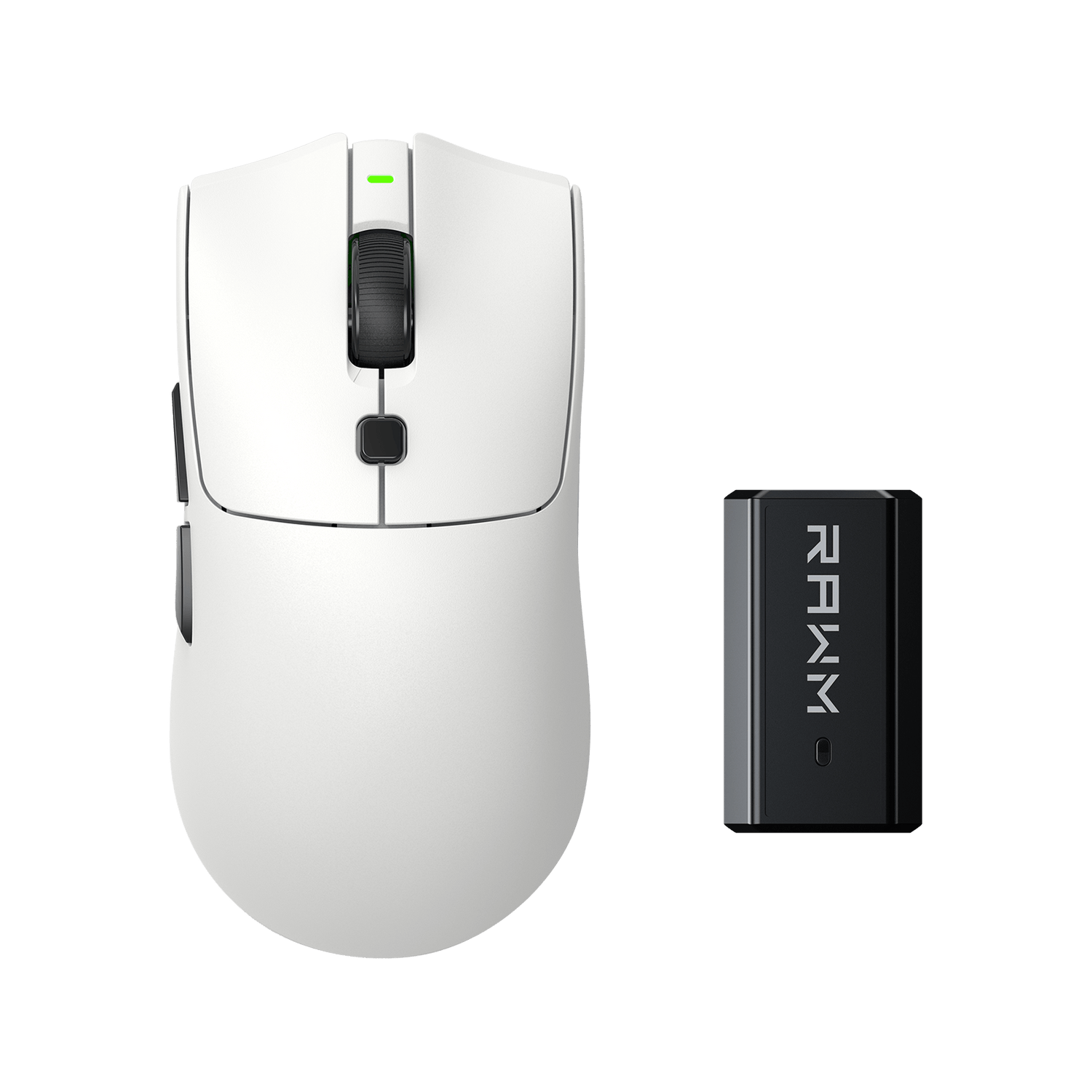
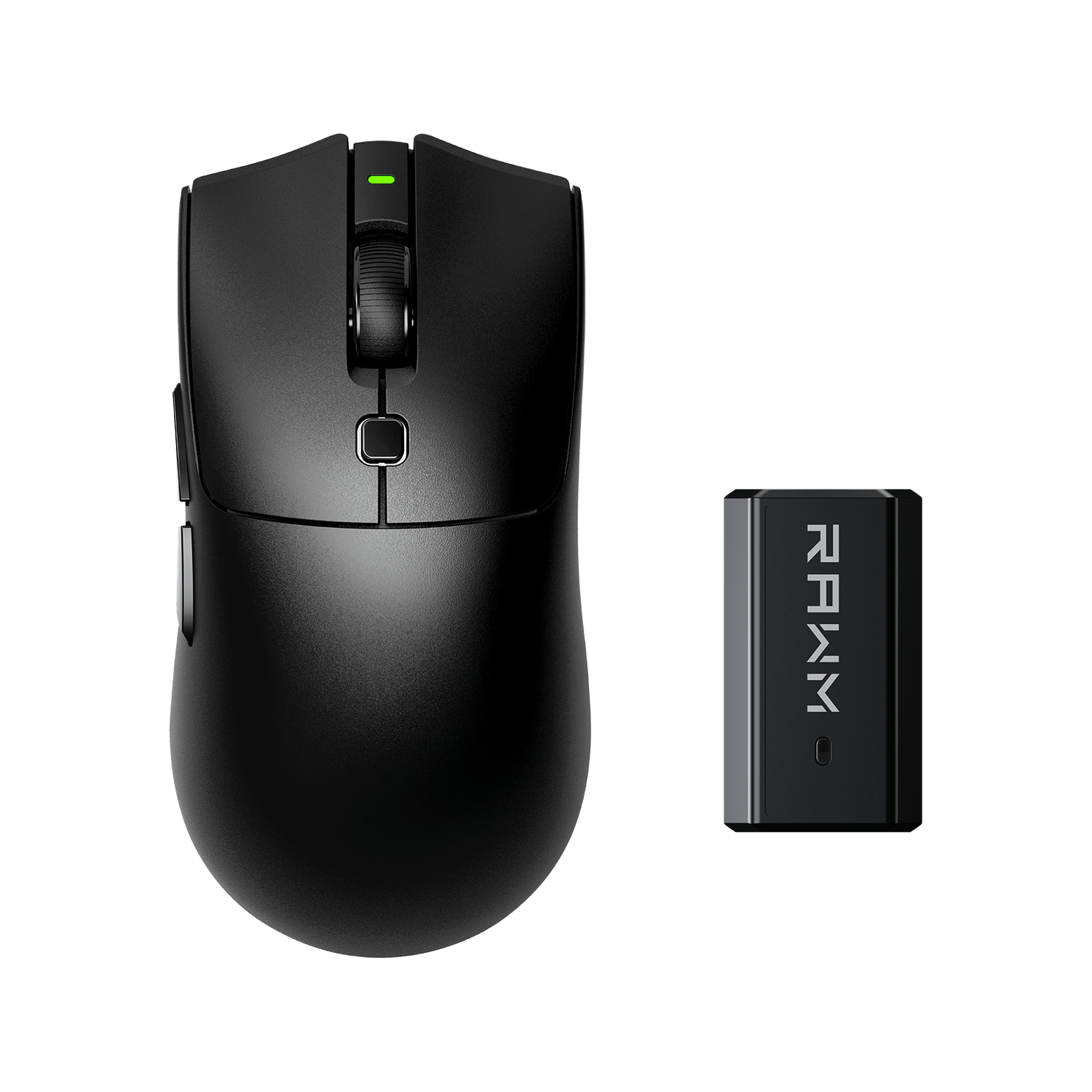
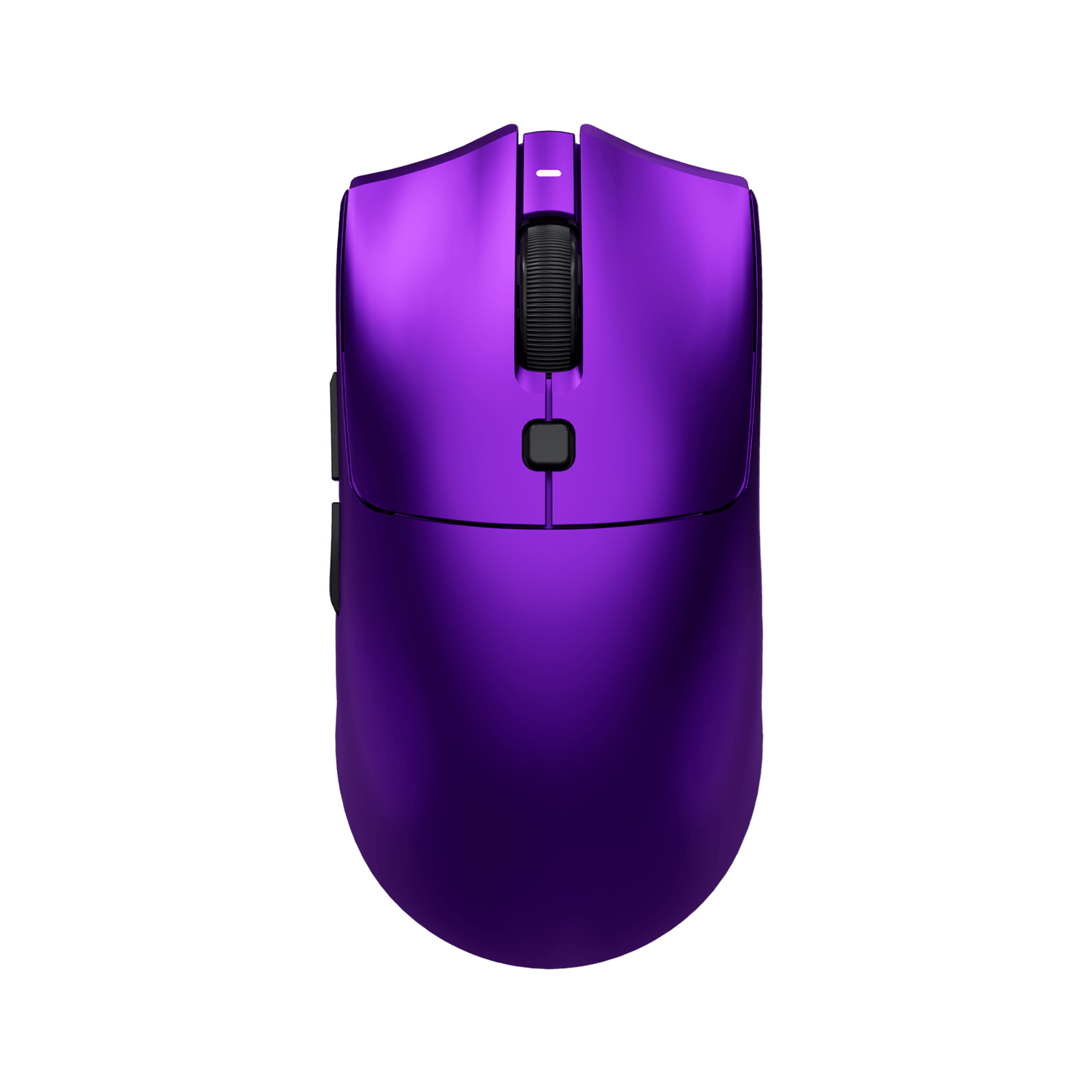
If you're interested, you can also explore RAWM's latest gaming mice to see how different shapes, sensors, and features compare.