Can I use a gaming mouse on Android tablet?
- 1. Android mouse support and basic compatibility
- 2. Wired vs wireless gaming mice on Android tablets
- 3. Gaming performance and limitations on Android
- 4. Button mapping and software restrictions
- 5. Productivity and creative use cases
- 6. Power consumption and portability considerations
- 7. When using a gaming mouse on Android makes sense

Using an Android tablet no longer means being limited to touch input alone. As tablets become more powerful and are used for gaming, productivity, and creative work, many users start wondering whether a gaming mouse can be used with an Android tablet in a practical way. The idea is appealing: better precision, faster navigation, and more control than fingers alone can provide.
The good news is that most modern Android tablets do support external mice, including gaming mice. The real question is how well they work, what limitations exist, and whether a gaming mouse actually improves the experience compared to standard Bluetooth or office mice. The answer depends on connection type, Android version, app support, and how you plan to use the tablet.
1. Android mouse support and basic compatibility
Android has supported mouse input for many years, especially since Android 8 and later versions. When a mouse is connected, Android displays a cursor similar to a desktop operating system, allowing point-and-click interaction across the interface.
Both wired USB mice and wireless mice can work on Android tablets. Wired mice typically require a USB-C to USB-A adapter or hub, while wireless mice connect through Bluetooth or a USB receiver. Once connected, basic functions such as left click, right click, and scrolling usually work immediately without additional setup.
Gaming mice do not require special drivers to function at a basic level. Android treats them as standard HID devices, meaning the core input is recognized automatically. This makes basic compatibility surprisingly straightforward.
2. Wired vs wireless gaming mice on Android tablets
Wired gaming mice generally offer the most stable connection. With a proper USB-C adapter, latency is low and input feels consistent. This setup is ideal for users who want reliable control for games that support mouse input or for productivity tasks like document editing or remote desktop use.
Wireless gaming mice introduce more variables. Bluetooth gaming mice are often the easiest to pair, but Bluetooth latency can vary depending on the tablet’s hardware and Android version. For casual use, this is usually fine, but fast-paced games may feel slightly delayed.
Wireless mice that rely on a 2.4 GHz USB receiver require a USB adapter and sufficient power from the tablet. Some tablets handle this well, while others may struggle to supply stable power, leading to disconnects or inconsistent behavior.
In general, both wired and wireless gaming mice can work, but reliability depends on the tablet’s hardware and how the mouse connects.
3. Gaming performance and limitations on Android
Using a gaming mouse on an Android tablet does not automatically guarantee better gaming performance. Support depends heavily on the game itself. Some Android games are designed with mouse and keyboard input in mind, while others are strictly touch-based.
In games that support mouse input, a gaming mouse can improve precision significantly, especially for aiming, camera control, or strategy gameplay. Cursor movement feels more accurate than touch, and right-click or scroll functions may be mapped to useful actions.
However, many popular mobile games do not officially support mouse input or limit it intentionally. In these cases, the mouse may only simulate touch input, which can feel awkward or inconsistent. Some games also restrict mouse usage to prevent unfair advantages in competitive environments.
For emulators, cloud gaming apps, or remote desktop software, gaming mice tend to work much better. These environments are closer to traditional PC use and benefit more from precise mouse control.
4. Button mapping and software restrictions
One area where gaming mice behave differently on Android is button customization. On a PC, gaming mice rely on software to remap buttons, adjust DPI, and manage profiles. On Android, that software is usually unavailable.
Most gaming mice will still function, but extra side buttons may default to generic actions or do nothing at all. Some Android apps allow limited button remapping, but system-wide customization is rare.
DPI switching buttons often work at the hardware level, allowing sensitivity changes even without software. This can be helpful on high-resolution tablet displays where cursor speed needs adjustment.
For users who rely heavily on custom macros or advanced button layouts, Android may feel restrictive. For basic navigation and gaming input, however, functionality is usually sufficient.
5. Productivity and creative use cases
Gaming mice can be surprisingly useful on Android tablets for productivity tasks. Text selection, spreadsheet navigation, image editing, and multitasking become easier with a mouse than with touch alone.
Creative apps that support stylus input often work alongside a mouse, allowing precise control over menus, sliders, and layers. A gaming mouse with a high-quality sensor provides smooth tracking, which helps when making small adjustments or navigating large canvases.
In desktop-style environments such as Samsung DeX or similar modes, a gaming mouse feels much closer to a traditional computer experience. In these cases, the benefits of a responsive sensor and comfortable shape become more noticeable.
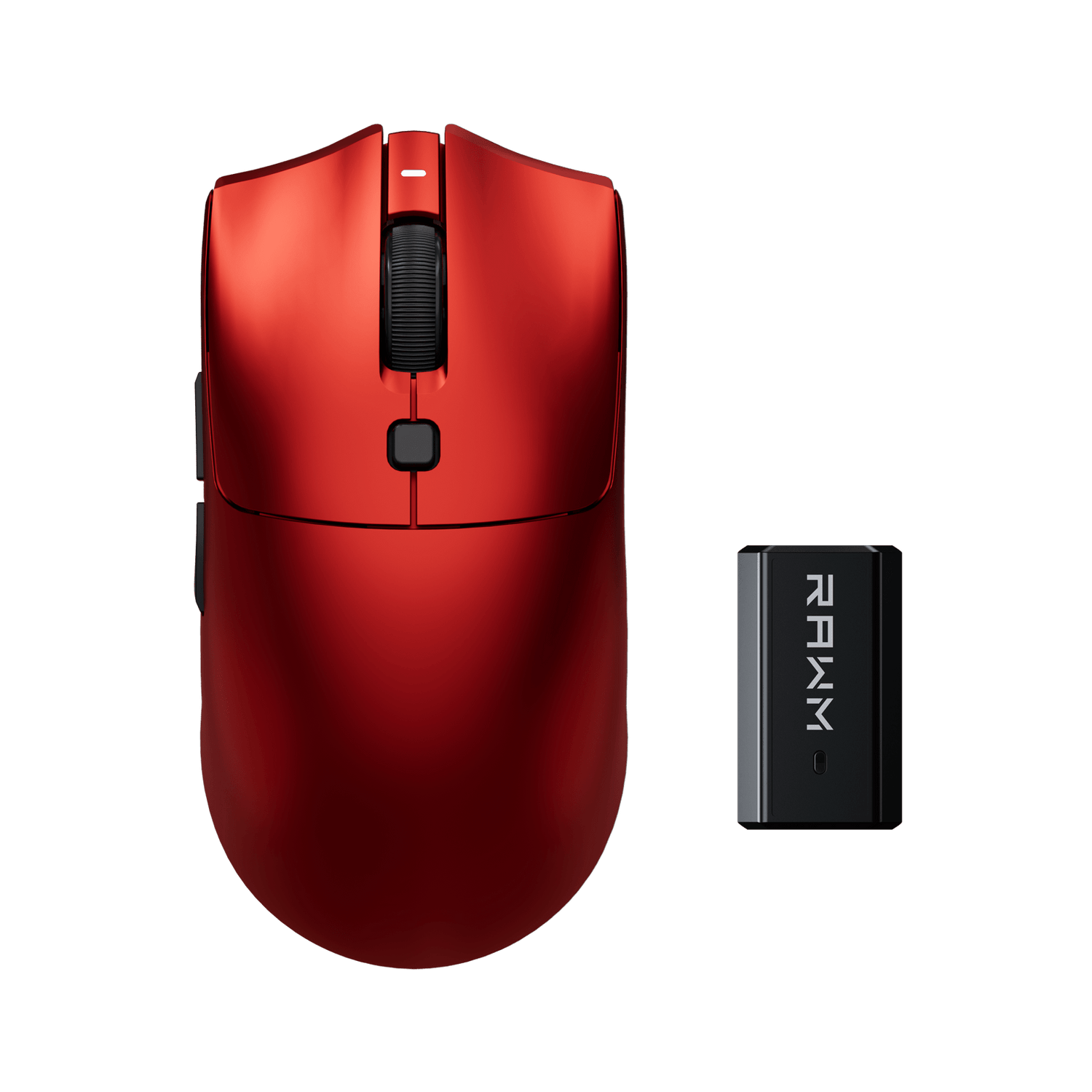
A well-balanced mouse like the Leviathan SH01PRO fits this hybrid use well, offering reliable tracking and comfortable control without relying heavily on software features that Android cannot access.
6. Power consumption and portability considerations
Using a gaming mouse on an Android tablet also raises questions about power usage. Wired mice draw power directly from the tablet, which can slightly reduce battery life during long sessions. This is usually minor but noticeable over time.
Wireless mice shift power usage to their own batteries, which can be more convenient for travel. However, Bluetooth or wireless receivers still consume some tablet power, and maintaining multiple devices adds charging complexity.
Portability matters too. Large gaming mice may feel bulky when paired with a lightweight tablet. Users who travel frequently may prefer compact designs, while desk-based users can prioritize comfort and performance.
Choosing the right mouse size and connection type helps ensure the setup feels balanced rather than cumbersome.
7. When using a gaming mouse on Android makes sense
A gaming mouse makes the most sense on an Android tablet when the tablet is used as a productivity device, a cloud gaming platform, or a desktop replacement. In these scenarios, mouse precision improves efficiency and reduces frustration.
For casual mobile games designed purely for touch, a gaming mouse may add little value. In contrast, for strategy games, shooters with mouse support, or remote PC access, the difference can be significant.
Ultimately, a gaming mouse can work very well on an Android tablet, but its benefits depend on what you do most often. Matching expectations to real app support avoids disappointment.
Have you tried using a mouse with your Android tablet before, and did it feel like an upgrade or just a different way to interact?
>>See also Do holes in mouse affect durability? >>>>>