How do I build muscle memory with new mouse?
- 1. Why a new mouse disrupts muscle memory
- 2. Lock your settings early and avoid constant changes
- 3. Focus on controlled repetition, not speed
- 4. Use the same surface and posture every session
- 5. Separate training from performance pressure
- 6. Let comfort guide your adaptation timeline
- 7. Trust the process and avoid switching too soon

Switching to a new mouse often feels more disruptive than expected. Even small changes in shape, weight, sensor behavior, or click feel can throw off aim, timing, and confidence. Movements that once felt automatic suddenly require conscious effort, and performance may dip for days or even weeks. This experience is normal and tied directly to how muscle memory works.
Muscle memory with a mouse is not about strength or speed alone. It is the result of repeated, consistent input patterns that your brain learns to associate with distance, force, and timing. Building muscle memory with a new mouse takes patience, stability, and the right habits. With the right approach, adaptation becomes smoother and more reliable instead of frustrating.
1. Why a new mouse disrupts muscle memory
Muscle memory is highly specific. Your brain learns how far to move your hand, how much pressure to apply, and how quickly to stop based on repeated feedback. When you switch mice, several variables change at once, even if the DPI number stays the same.
Differences in weight distribution alter how much force is needed to start and stop movement. Shape changes affect grip pressure and finger positioning. Sensor behavior, lift-off distance, and click resistance all influence timing and control. These differences break the learned relationship between motion and on-screen response.
This is why copying DPI settings alone rarely makes a new mouse feel identical. Muscle memory is built on the entire physical experience, not just a single number. Accepting this early helps set realistic expectations and reduces the urge to constantly tweak settings during adaptation.
2. Lock your settings early and avoid constant changes
One of the most common mistakes when adjusting to a new mouse is changing settings too often. Constantly adjusting DPI, sensitivity, or in-game multipliers prevents the brain from forming stable patterns.
Choose a reasonable starting sensitivity and commit to it. If your previous setup worked well, begin there. If the new mouse feels slightly faster or slower, allow time before making adjustments. Minor discomfort often fades as muscle memory catches up.
Consistency is more important than perfection in the early phase. Locking settings allows your nervous system to collect reliable feedback. Frequent changes reset progress and prolong the adjustment period.
If adjustments are necessary, make small changes and then stick with them for several sessions before evaluating again.
3. Focus on controlled repetition, not speed
Building muscle memory is about repetition with intention. Early sessions with a new mouse should emphasize control rather than speed or performance metrics. Slow, deliberate movements help the brain recalibrate distance and stopping points.
Practicing smooth tracking, controlled flicks, and precise micro-adjustments reinforces accurate motion patterns. Rushing into high-speed play too early often leads to overcorrection and reinforces inconsistent habits.
Short, focused sessions are more effective than long, frustrated ones. Ten to twenty minutes of calm, repeatable movement builds stronger muscle memory than hours of erratic play. Over time, speed naturally increases as control stabilizes.
4. Use the same surface and posture every session
Muscle memory relies heavily on environmental consistency. Changing mousepads, desk height, chair position, or arm angle introduces new variables that slow adaptation.
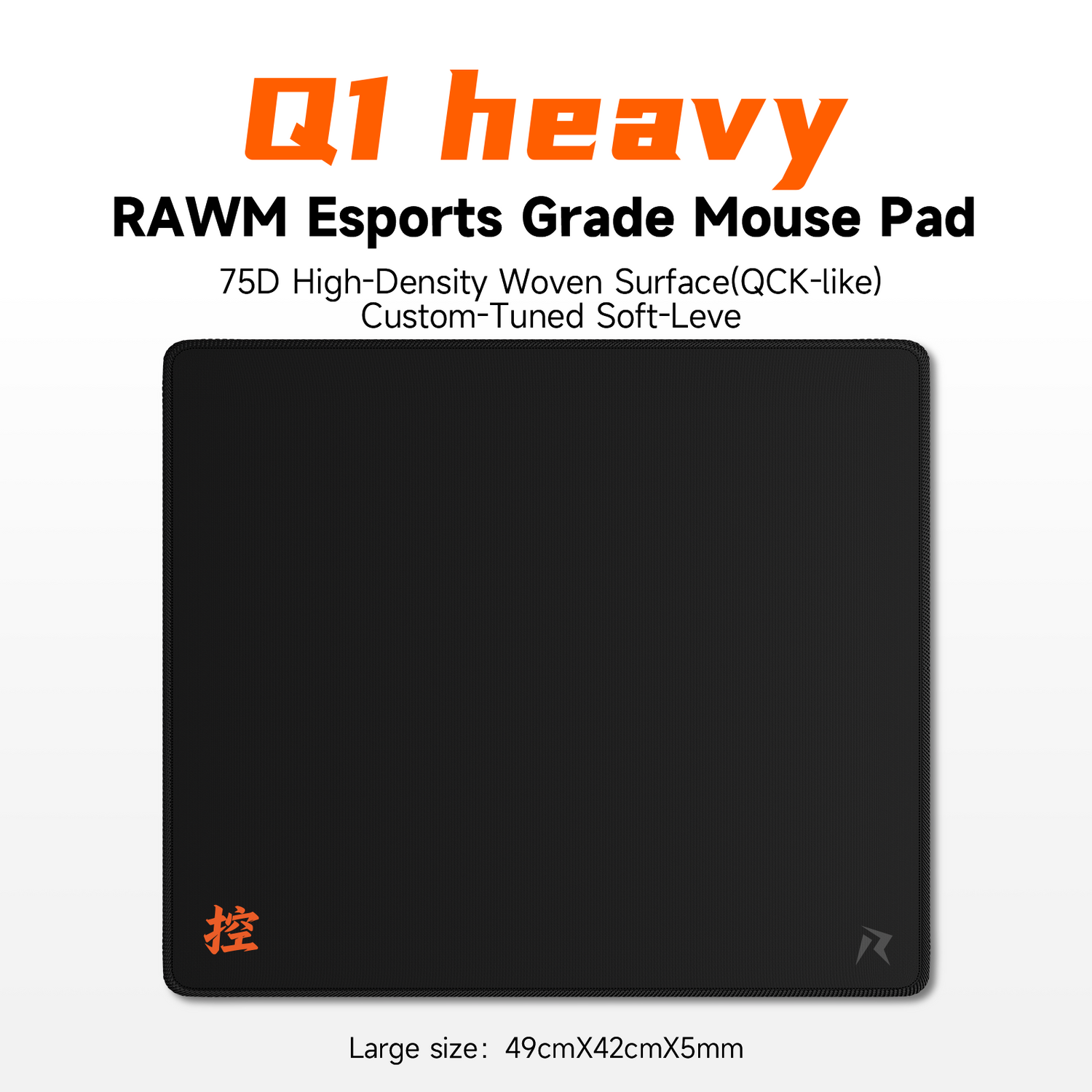
Use the same mousepad surface every session while adjusting to a new mouse. Differences in friction can dramatically alter how movements feel, even with identical settings. Likewise, maintain consistent posture, desk height, and arm placement.
Small details matter. Resting your forearm differently or changing wrist angle can affect muscle activation patterns. Keeping these factors stable allows your brain to focus solely on adapting to the new mouse itself.
Once muscle memory is established, small environmental changes become easier to handle without disruption.
5. Separate training from performance pressure
Trying to build muscle memory while worrying about results can slow progress. Competitive matches, ranked play, or high-stakes situations increase tension and encourage bad habits such as gripping too tightly or overcorrecting.
Separating training time from performance time reduces pressure. Use aim trainers, practice modes, or casual matches to focus purely on movement quality. This environment allows mistakes without consequences and promotes relaxed repetition.
During training, pay attention to how movements feel rather than whether you win or lose. The goal is internal consistency, not immediate success. Performance will improve naturally once muscle memory solidifies.
6. Let comfort guide your adaptation timeline
Every person adapts at a different pace. Some players feel comfortable within days, while others need weeks. Grip style, sensitivity, and previous experience all influence how long muscle memory takes to rebuild.
Discomfort does not always mean something is wrong. Mild awkwardness is expected early on. Sharp pain, excessive strain, or constant fatigue, however, signal that the setup may not be ergonomically suitable.
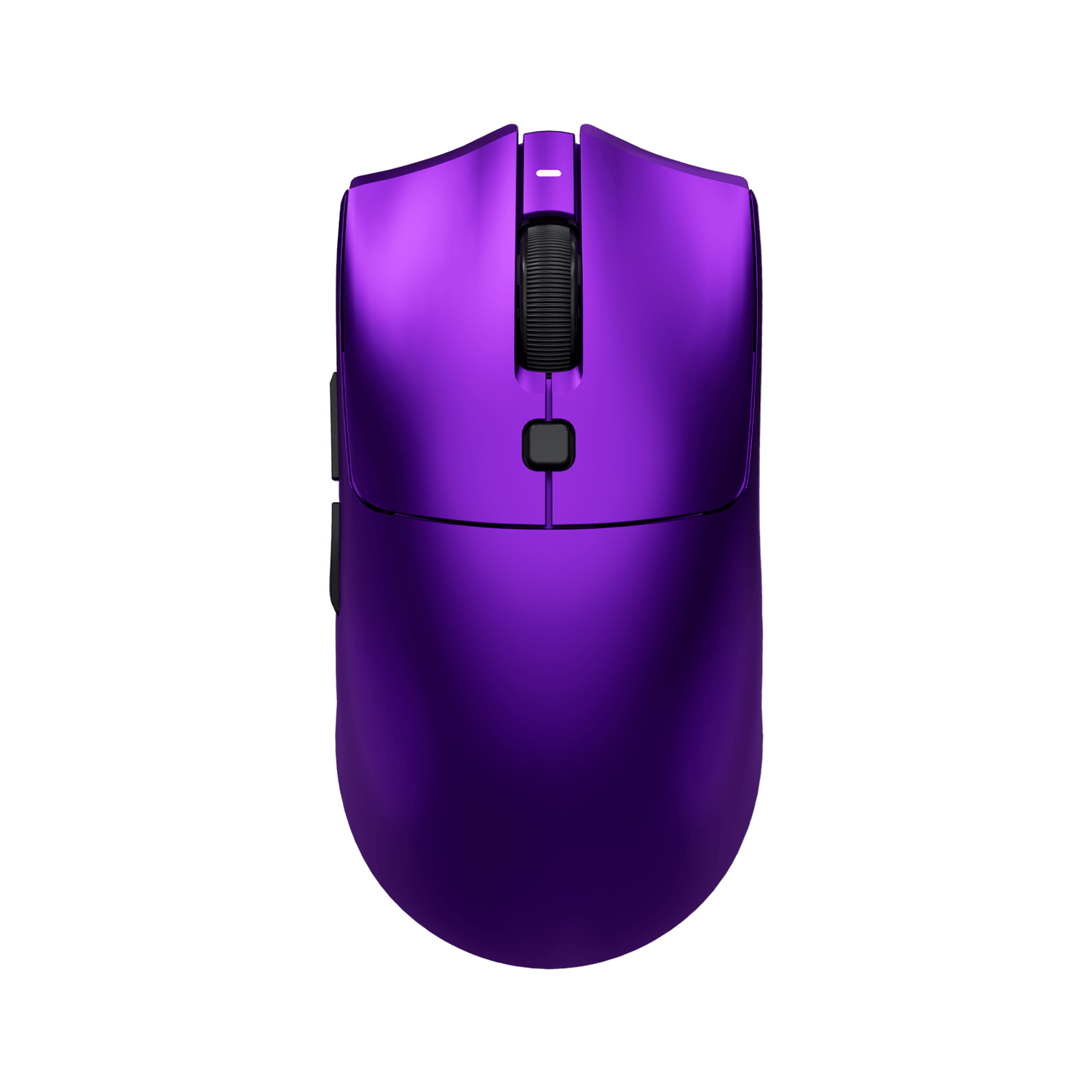
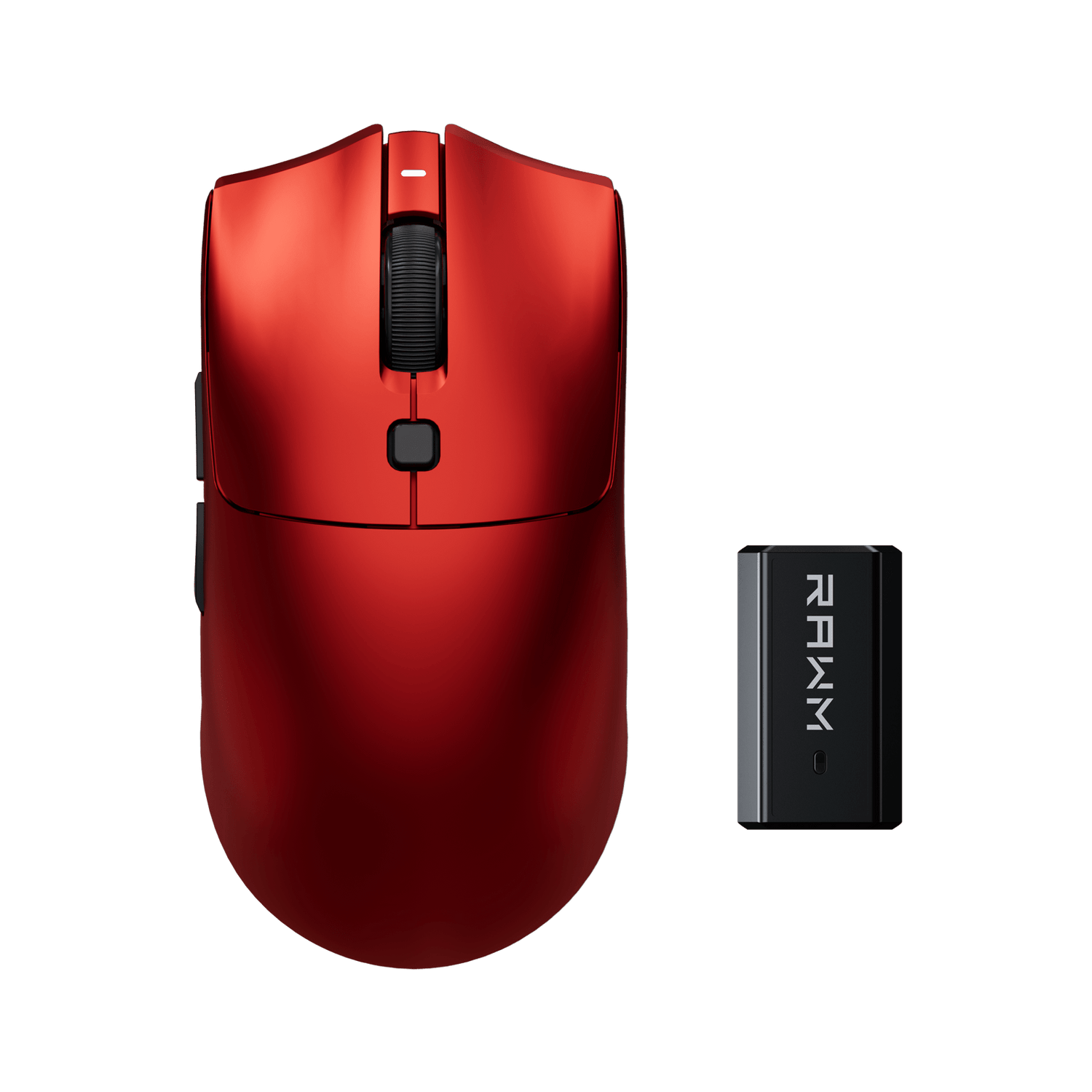
A mouse that supports natural hand positioning and balanced movement reduces adaptation time. For example, a well-balanced design like the Leviathan V4 minimizes unnecessary resistance and supports consistent motion, allowing muscle memory to form without fighting the hardware.
Comfort accelerates learning. If the mouse feels natural in hand, muscle memory develops faster and with less frustration.
7. Trust the process and avoid switching too soon
The final challenge in building muscle memory with a new mouse is patience. Many players abandon a mouse just before adaptation completes, mistaking temporary discomfort for permanent incompatibility.
Give yourself enough time to adapt fully. This typically means at least one to two weeks of consistent use for most players. During this time, resist the temptation to switch back and forth between mice, as this splits muscle memory and slows progress.
Once adaptation occurs, movements feel automatic again, confidence returns, and performance stabilizes. At that point, you can accurately judge whether the mouse truly fits your needs.
Muscle memory rewards consistency and trust. The more stable your setup and habits, the faster your brain does its job.
Do you usually give yourself time to adjust to new gear, or do you tend to change settings quickly when things feel off?
>>See also Can I use a gaming mouse on Android tablet? >>>>>