Can I make my mouse clicks silent?
- Why Some Mouse Clicks Are Louder Than Others
- The Easiest Option Is Using a Silent Mouse
- You Can Replace the Mouse Switches
- Softening Your Clicking Habits Can Help
- Mousepads and Desk Surfaces Affect Noise Too
- Silent Clicks Feel Different From Traditional Gaming Clicks
- Full Silence Usually Requires Trade-Offs

Mouse clicks may seem harmless at first, but over time they can become surprisingly distracting. Loud clicking can annoy coworkers, disturb people nearby at night, or simply become irritating during long gaming and work sessions. Because of this, many users start looking for ways to make their mouse quieter without completely replacing it.
The good news is that reducing mouse click noise is absolutely possible. Depending on your mouse and how quiet you want it to become, there are several approaches ranging from simple adjustments to full hardware modifications.
Some methods are quick and easy, while others require more effort and technical confidence.
1. Why Some Mouse Clicks Are Louder Than Others
Not all mice use the same switches.
The clicking sound mainly comes from the internal mechanical switch beneath each button. Different switch types produce different:
-
Sound levels
-
Tactile feedback
-
Click resistance
Gaming mice often prioritize crisp tactile feedback, which usually creates louder clicks. Office-oriented silent mice, on the other hand, use dampened switches designed specifically to reduce noise.
The shell design of the mouse can also amplify sound depending on how hollow or rigid it is.
2. The Easiest Option Is Using a Silent Mouse
If noise is a major concern, buying a dedicated silent mouse is the simplest solution.
Silent mice use specially designed switches that significantly reduce click noise while still maintaining responsiveness.
These mice are popular for:
-
Offices
-
Libraries
-
Shared rooms
-
Late-night use
The clicking usually feels softer and quieter, though some users notice reduced tactile feedback compared to traditional gaming switches.
For everyday use, however, many people adapt very quickly.
3. You Can Replace the Mouse Switches
For users comfortable with hardware modification, replacing switches is another option.
Some enthusiasts desolder the original switches and install quieter alternatives.
This allows you to:
-
Keep your preferred mouse shape
-
Reduce click noise
-
Customize click feel
However, this process requires:
-
Soldering skills
-
Opening the mouse
-
Compatible replacement switches
It also carries some risk if done incorrectly, so it’s not ideal for beginners.

4. Softening Your Clicking Habits Can Help
Sometimes the biggest source of noise is not the mouse itself, but how forcefully it’s being clicked.
Many people unconsciously slam mouse buttons harder than necessary, especially during gaming or stressful tasks.
Using lighter finger pressure can:
-
Reduce click noise
-
Reduce finger fatigue
-
Make the mouse feel smoother overall
This won’t completely silence the mouse, but it can noticeably reduce the sharpness of the sound.
5. Mousepads and Desk Surfaces Affect Noise Too
The surface beneath your mouse changes how sound travels.
Hard desks can amplify:
-
Clicking vibrations
-
Mouse movement noise
-
Scroll wheel sound
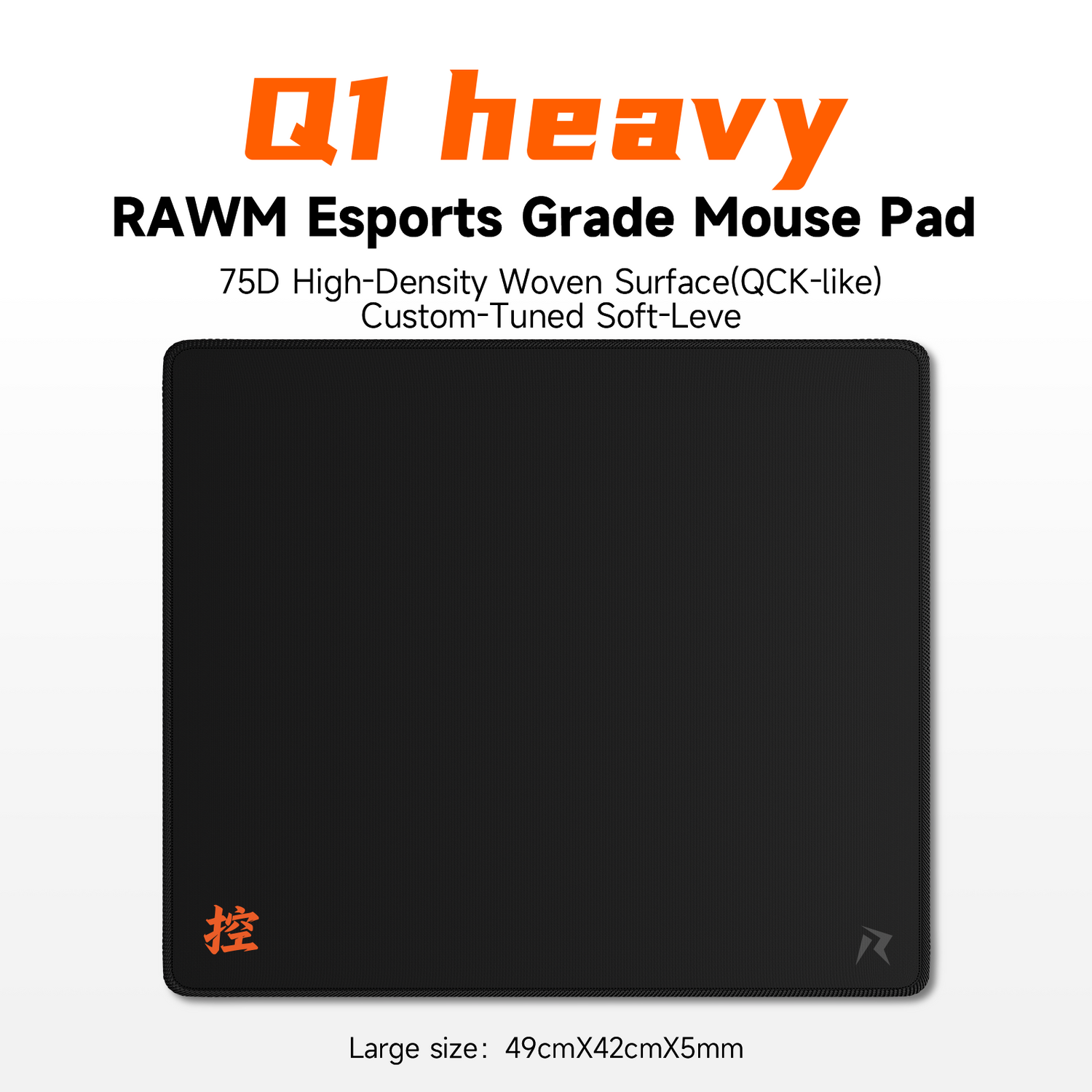
Using a softer mousepad helps absorb some of these vibrations and slightly reduces overall noise levels.
Desk materials also matter. Hollow desks often create echo-like resonance that makes clicks seem louder than they actually are.
6. Silent Clicks Feel Different From Traditional Gaming Clicks
One thing many users notice immediately is that silent switches feel different.
Compared to standard mechanical switches, silent clicks often feel:
-
Softer
-
Less tactile
-
Slightly muted
Some people love this smoother feel, while others miss the sharp feedback of traditional gaming mice.
For competitive gaming, certain users still prefer standard switches because the stronger tactile response feels more precise during rapid inputs.
7. Full Silence Usually Requires Trade-Offs
Completely silent clicks are difficult to achieve without changing the overall feel of the mouse.
Most quiet setups involve balancing:
-
Noise reduction
-
Click feedback
-
Responsiveness
-
Comfort
For many users, reducing click noise slightly is enough rather than eliminating it entirely. Stable switches, smooth movement, and consistent button feel usually matter more during long sessions than absolute silence alone. Some people focus on maintaining a balanced setup with reliable components and controlled hardware behavior through configurations like the ER21PRO while minimizing unnecessary noise distractions.
In the end, the best solution depends on whether you value silence, tactile feedback, or a balance between both.
Would you rather have completely silent clicks, or keep a little tactile feedback for a more satisfying feel?
>>See also Can I assign DPI levels to profiles? >>>>>