What does rapid trigger mean?
- What Rapid Trigger Actually Means
- How Rapid Trigger Works
- Why Rapid Trigger Matters in Gaming
- Rapid Trigger vs Traditional Keyboards
- Which Games Benefit the Most from Rapid Trigger
- Are There Downsides to Rapid Trigger
- Is Rapid Trigger Worth It for Most Players

In competitive gaming, especially in fast-paced genres like tactical shooters and rhythm-based titles, input speed and precision can make a noticeable difference. Players are always looking for ways to reduce delay between intention and action, and this is where the concept of rapid trigger comes into play.
Rapid trigger is a relatively new feature found in certain high-performance keyboards. It changes how key presses are detected and reset, allowing for faster repeated inputs and more responsive control. While it may sound like a small technical detail, the impact on gameplay can be significant once properly understood and used.
For players focused on movement accuracy, strafing, or rapid directional changes, rapid trigger can feel like a major upgrade over traditional keyboard input behavior.
1. What Rapid Trigger Actually Means
Rapid trigger is a keyboard feature that allows a key to reset instantly based on how far it is released, rather than waiting for it to return to a fixed reset point.
In traditional mechanical keyboards, a key must travel past a specific reset threshold before it can register another input. This creates a small delay when tapping the same key repeatedly.
Rapid trigger removes this limitation. Instead of relying on a fixed reset point, the keyboard continuously tracks the key’s position. The moment the key begins to move upward, it can reset and be ready for the next input.
This dynamic reset behavior allows much faster tapping and more precise control, especially during repeated or rapid actions.
2. How Rapid Trigger Works
Rapid trigger is made possible through analog or magnetic switch technology. These switches can detect the exact position of a key throughout its entire travel distance.
Instead of simply registering a key as “pressed” or “not pressed,” the keyboard reads how far the key is pressed at any moment. This allows the system to respond instantly when the key starts moving upward.
For example, if a player presses a movement key and then slightly releases it, the keyboard can immediately register that release and prepare for another input without requiring a full reset.
This continuous tracking enables extremely fast input cycles, which are not possible with traditional mechanical switches.
3. Why Rapid Trigger Matters in Gaming
Rapid trigger has a direct impact on how quickly a player can control movement and actions in games.
In competitive shooters, movement techniques such as counter-strafing require precise timing between key presses and releases. With a standard keyboard, the reset delay can slightly slow down these actions.
With rapid trigger enabled, players can stop and change direction more quickly because the keyboard registers inputs with minimal delay. This can lead to more accurate shots and smoother movement.
In rhythm games, where rapid tapping is essential, the ability to reset keys instantly allows players to maintain high-speed inputs without being limited by hardware constraints.
Overall, rapid trigger improves responsiveness, which can translate into better performance in scenarios where timing is critical.
4. Rapid Trigger vs Traditional Keyboards
The main difference between rapid trigger keyboards and traditional ones lies in how inputs are registered and reset.
Traditional keyboards use fixed actuation and reset points. Once a key is pressed, it must travel back above a certain point before it can be pressed again. This creates a consistent but slightly delayed input cycle.
Rapid trigger keyboards remove this fixed reset requirement. The reset point becomes dynamic and changes based on how the key moves in real time.
This results in faster repeated inputs and greater control over partial key presses. Players can make micro-adjustments to their input without needing to fully release each key.
While traditional keyboards are still perfectly usable, rapid trigger provides an advantage in scenarios where speed and precision are essential.
5. Which Games Benefit the Most from Rapid Trigger
Rapid trigger is particularly useful in games that require quick directional changes or repeated key presses.
First-person shooters benefit heavily because movement precision affects aiming accuracy. Faster stopping and starting can improve shot timing and positioning.
Rhythm games also gain a clear advantage from rapid trigger. Players can tap keys at higher speeds without being limited by reset delays.
Platformers and movement-focused games can also feel smoother, as rapid trigger allows more responsive control over jumps and directional inputs.
In slower-paced games, the difference may be less noticeable. However, players who value responsiveness often still appreciate the improved input feel.
6. Are There Downsides to Rapid Trigger
While rapid trigger offers clear benefits, it may take time to adjust to the increased sensitivity.
Because keys reset so quickly, accidental inputs can happen if the player is not used to controlling key pressure precisely. Slight finger movements may register as multiple inputs.
Some players prefer the consistency of fixed actuation points, especially if they rely on a steady typing rhythm or are used to traditional keyboards.
Additionally, rapid trigger keyboards are typically more expensive due to the advanced switch technology required.
Despite these factors, many competitive players consider the benefits worth the adjustment period.
7. Is Rapid Trigger Worth It for Most Players
Whether rapid trigger is worth using depends on the player’s goals and the types of games they play.
For competitive players who focus on performance, the faster input response can provide a noticeable advantage. Improved movement control and quicker input cycles can enhance gameplay in high-speed environments.
Casual players may not feel the same level of benefit, especially if they are not pushing the limits of input speed.
As with most gaming hardware features, personal preference plays a major role. Some players immediately notice the responsiveness, while others prefer the familiar feel of traditional keyboards.
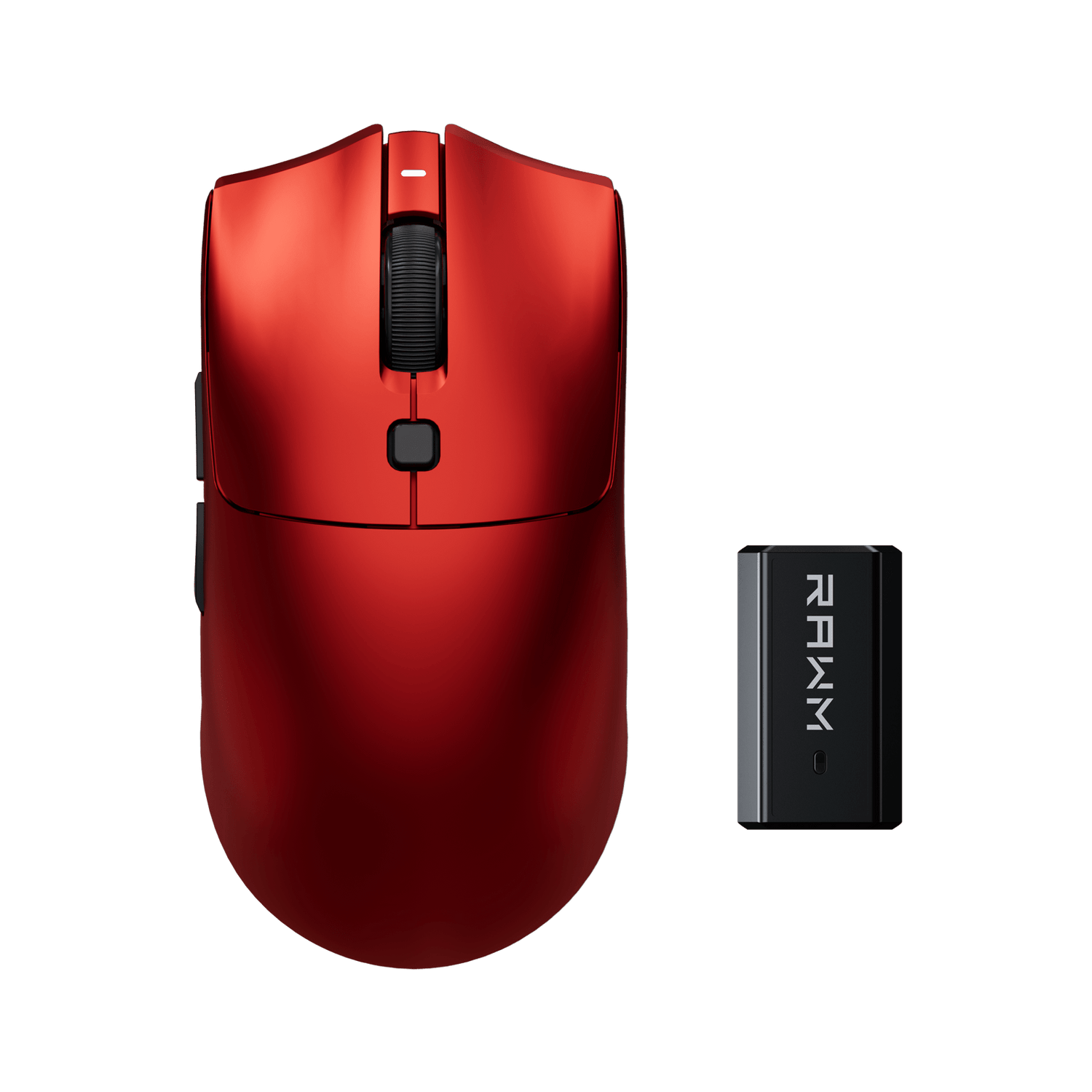
Players who already invest in precise control setups often combine responsive keyboards with stable peripherals—sometimes including devices like the Leviathan V4—to maintain consistent performance across all inputs.
Rapid trigger represents a shift toward more dynamic and responsive input technology, offering a different approach to how keyboards handle player actions.
Have you ever felt limited by how quickly your keyboard can register repeated key presses during gameplay?
>>See also Do left-handed gamers have mouse options? >>>>>