Should I use an XL desk pad?
- 1. What counts as an XL desk pad
- 2. How an XL desk pad affects mouse control
- 3. Comfort and ergonomics benefits
- 4. Noise reduction and desk protection
- 5. Trade-offs and considerations
- 6. When an XL desk pad is most worth it
- 7. How to decide if it’s right for your setup

An XL desk pad is one of those accessories that seems simple at first but can actually have a meaningful impact on both comfort and performance, no matter how you use your setup. Gamers, office workers, and creative professionals all debate whether an oversized pad is worth the space it takes up. In reality, the answer depends less on trends and more on how you work, play, and interact with your desk.
An XL desk pad isn’t just about aesthetics or covering more surface area; it influences how your mouse moves, how your wrists rest, and how organized your workspace feels. Looking at the real benefits and trade-offs helps you decide whether an XL desk pad fits your personal needs or if a more compact option makes more sense.
1. What counts as an XL desk pad
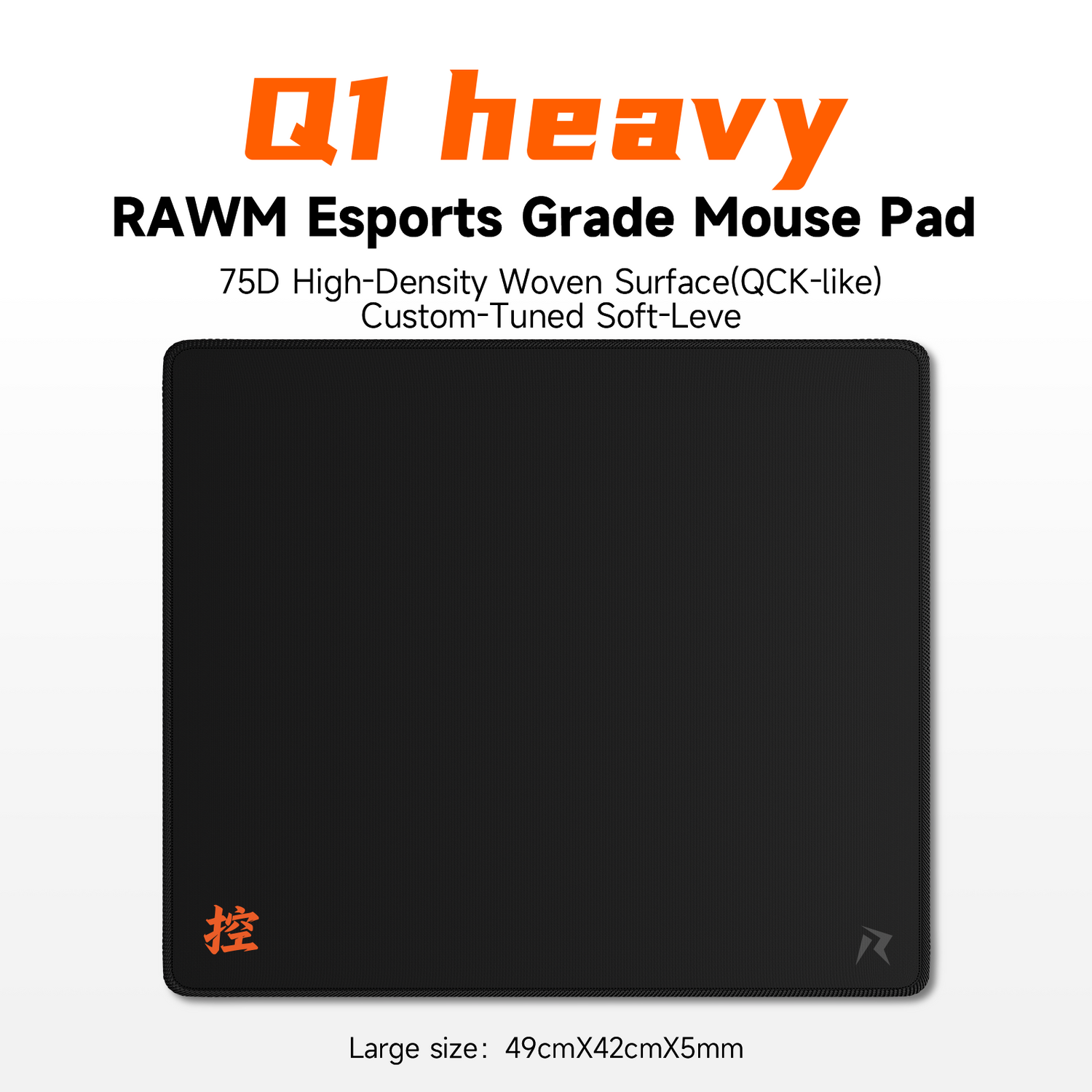
An XL desk pad typically spans the width of a standard keyboard and extends far enough for both keyboard and mouse use. Sizes often start around 900 mm x 400 mm and go up from there. This is significantly larger than standard mousepads, which might be closer to 320 mm x 270 mm or similar.
XL pads create a unified surface that accommodates your arms, reduces abrupt surface transitions, and provides a consistent mouse-tracking environment. They are often made from cloth, hybrid cloth/hard surfaces, or even smooth polymer materials to balance glide and control.
Unlike smaller pads that only host mouse movement, an XL desk pad becomes part of the desk ecosystem. Your keyboard, wrist, and forearm rest on the same material, which changes how your hands move and how comfortable your shoulders feel over long use.
2. How an XL desk pad affects mouse control
A consistent surface across keyboard and mouse zones helps many players and creators maintain smoother motion. When moving the mouse across a desk with different textures — for example, wood, metal, or glass next to bare plastic — tracking inconsistencies can show up. These micro differences can cause jitter, slight cursor misreads, or unpredictable feel.
An XL desk pad removes that variability by providing a single, uniform surface for movement and rest. This is especially helpful in games that require large swipes, long arm movement, or low sensitivity setups. The steady surface texture supports consistent sensor tracking, whether you’re making slow adjustments or rapid flicks.
For creative tasks like drawing, photo editing, or precision design work, the stable surface also means fewer unintended micro jumps when transitioning between keyboard and mouse. This effect can be subtle, but over long sessions, it adds up in comfort and control.
3. Comfort and ergonomics benefits
XL desk pads are not just about mouse movement — they’re about how your hands and wrists feel over time. Hard desk edges and corners can press into your wrist or forearm, causing discomfort during prolonged use. A desk pad adds gentle cushioning across a broad area, reducing pressure points and making resting positions more natural.
For users who type extensively or perform tasks like video editing or coding, the pad spreads contact across a softer surface. This can reduce strain in the wrists and forearms, especially if your desk is a hard material like metal or glass.
The extra surface also often encourages better posture. When your arms have consistent support from pad edge to pad edge, you are less likely to shift awkwardly to find a comfortable rest point.
4. Noise reduction and desk protection
An often overlooked advantage of an XL desk pad is noise absorption. Keyboards, wrist movement, and even tapping can create a loud or hollow sound on hard desks. A thick cloth or hybrid pad dampens impact sound and improves overall acoustics.
In shared spaces or during voice calls and streams, that drop in ambient noise can make a surprisingly positive difference. It also protects the desk surface from scratches, spills, and wear, maintaining a cleaner look over time.
For users who like minimalist setups without separate wrist rests, an XL desk pad serves multiple roles: extended mouse area, arm rest, acoustic buffer, and surface protector.
5. Trade-offs and considerations
Despite their benefits, XL desk pads are not universally ideal. They take up more space and may cover buttons on adjustable desks or wireless charging zones built into some models. If your workspace is compact, choosing an oversized pad may feel cramped.
Cleaning also becomes more involved. Larger surfaces collect dust and debris over time, and some materials require careful washing or spot cleaning to avoid residue buildup.
There’s also personal preference to consider. Players who prefer hard pads for mouse gliding may find cloth XL pads too slow or soft. Conversely, hard XL pads exist but can be less comfortable for wrist rest.
Your sensitivity settings and playstyle matter too. If you use very low DPI and make sweeping movements, larger pads make a more noticeable difference. If you rely on small wrist motions, the benefit may be less dramatic.
6. When an XL desk pad is most worth it
An XL desk pad tends to be most valuable for people who:
-
Use low sensitivity settings that require large physical movements
-
Play games that demand broad, sweeping mouse motion
-
Spend long hours at a desk in creative or productivity work
-
Want an integrated surface for both keyboard and mouse
-
Prefer a consistent texture across their workspace
Players with small desks or who frequently switch workstations may prioritize portability over surface area and choose a smaller pad instead.
For those seeking an all-in-one surface that enhances both comfort and mouse performance, an XL desk pad often delivers more benefits than simply covering more space.
7. How to decide if it’s right for your setup
Choosing whether to use an XL desk pad comes down to your priorities. Ask yourself:
-
Do you make large mouse movements regularly?
-
Does your desk surface distract your sensor tracking?
-
Do you want extra wrist comfort and protection?
-
Is desk noise or surface wear a concern?
If you answer yes to several of these questions, an XL desk pad is likely worth it. In many cases, the improved comfort and surface consistency outweigh the extra space it occupies.
Have you tried an XL desk pad before, and did it change how you approach movement or comfort at your desk?
>>See also Is friction good or bad for mouse control? >>>>>