Why do some mice jitter on high DPI?
- How mouse sensors behave at very high DPI
- The role of native DPI versus interpolated DPI
- Surface texture and mousepad interaction at high DPI
- Sensor noise, smoothing, and firmware limits
- USB polling rate and system processing effects
- Practical ways to reduce jitter without lowering performance

High DPI settings are often marketed as a sign of superior performance, yet many players notice that increasing DPI can introduce jitter, shakiness, or inconsistent cursor movement. Instead of feeling smoother, the mouse may appear unstable, especially during slow movements or fine adjustments. This behavior can be confusing, particularly when using a mouse that otherwise performs well at lower DPI levels.
Mouse jitter at high DPI is not caused by a single flaw. It is usually the result of how sensors work, how data is processed, and how surface and firmware factors interact at extreme sensitivity levels. Understanding these factors helps explain why jitter happens and how to reduce it without sacrificing control.
1. How mouse sensors behave at very high DPI
At its core, a mouse sensor captures surface images and translates them into movement data. When DPI is increased, the sensor is instructed to report much smaller movements as larger cursor changes. This magnification also applies to imperfections.
At extremely high DPI values, the sensor may begin to pick up microscopic surface details, dust, or texture inconsistencies that would normally be ignored. These tiny variations get amplified into visible cursor movement, which appears as jitter.
Not all sensors are designed to operate cleanly at their maximum advertised DPI. Some rely on interpolation or internal scaling beyond their native resolution, which further increases instability.
2. The role of native DPI versus interpolated DPI
Native DPI refers to sensitivity levels the sensor can achieve through its physical resolution. Interpolated DPI is created by software scaling movement data beyond what the sensor naturally captures.
When a mouse uses interpolated DPI, the sensor is essentially guessing additional data points. This estimation process can introduce noise, especially during slow or precise movements. The result is a cursor that feels shaky rather than smooth.
Even high-end sensors may show reduced consistency at their highest settings if those levels exceed native capability. Staying within native DPI ranges often results in noticeably cleaner tracking.
3. Surface texture and mousepad interaction at high DPI
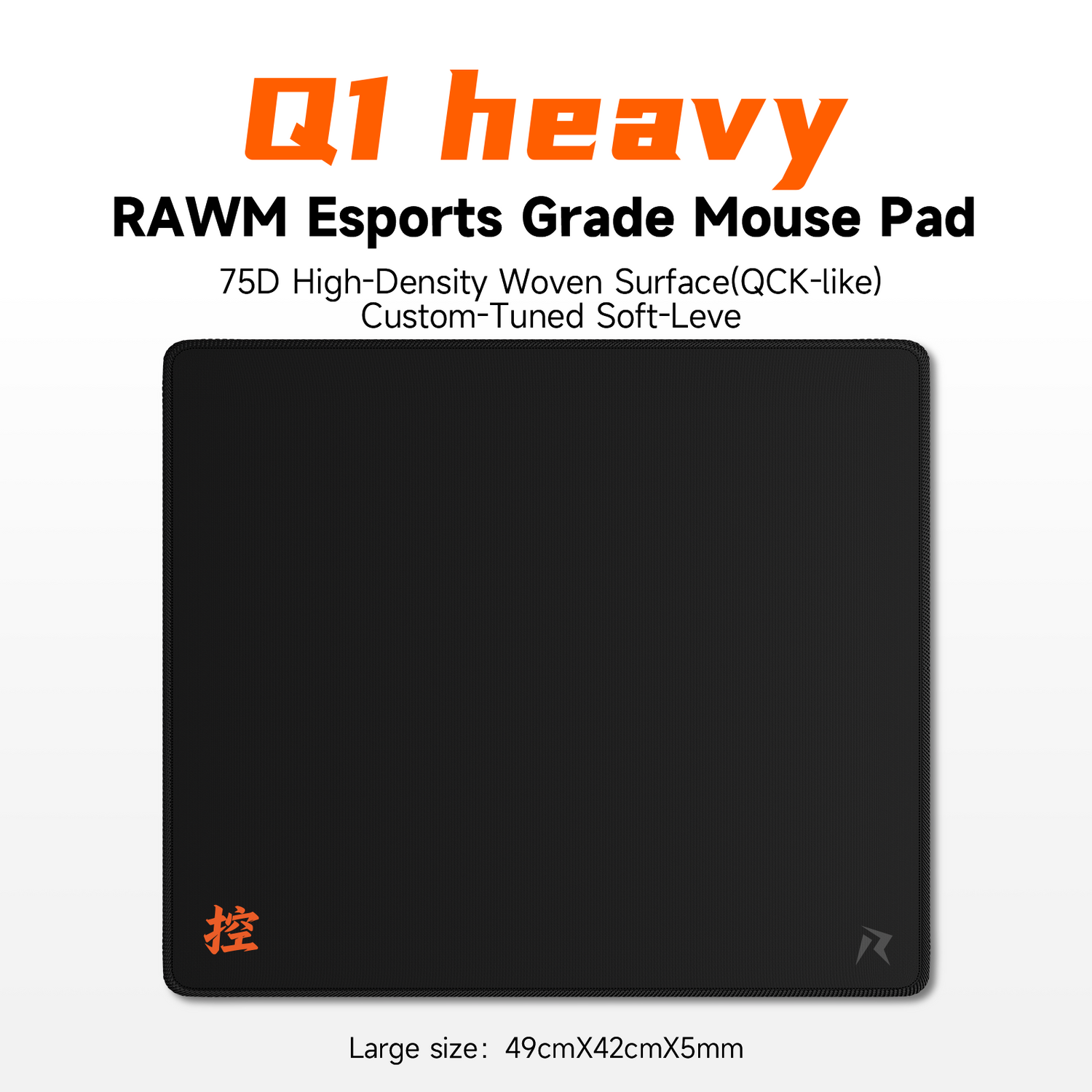
Mousepads play a larger role at high DPI than many users expect. Rough textures, inconsistent weaves, or reflective materials can all increase tracking noise when sensitivity is pushed high.
On cloth pads, loose fibers or worn areas may create micro-variations that the sensor detects. On hard pads, glare or surface reflectivity can interfere with accurate image capture. At lower DPI, these effects are usually filtered out, but high DPI makes them more visible.
Using a clean, consistent surface designed for optical tracking helps reduce jitter. Regularly cleaning both the mouse feet and the pad also minimizes unwanted interference.
4. Sensor noise, smoothing, and firmware limits
Every sensor has an inherent noise floor. At high DPI, the signal-to-noise ratio decreases, meaning random sensor noise becomes more noticeable in the output.
Some mice apply smoothing or filtering at higher DPI to counteract this noise. While smoothing can reduce jitter, it may also introduce slight latency or reduce raw responsiveness. Manufacturers balance these factors differently, which is why some mice feel stable at high DPI while others do not.
Firmware tuning plays a major role here. Poorly optimized firmware may fail to manage sensor noise effectively, leading to visible jitter even on capable hardware.
5. USB polling rate and system processing effects
High DPI increases the volume of movement data being sent to the system. Combined with high polling rates, this can stress the data pipeline, especially on systems with limited USB controller bandwidth or background load.
When timing inconsistencies occur between sensor reports and system processing, small irregularities can appear in cursor motion. These issues are subtle but become more noticeable at high DPI because each report represents a larger on-screen movement.
Keeping polling rate at a stable level and avoiding unnecessary background load can help maintain consistency, though it will not fully eliminate sensor-level jitter.
6. Practical ways to reduce jitter without lowering performance
Reducing jitter does not always mean abandoning high DPI entirely. Small adjustments can often restore smoothness:
-
Use DPI values within the sensor’s native range rather than maximum settings
-
Pair the mouse with a high-quality, clean mousepad suited to the sensor type
-
Avoid overly reflective or worn surfaces
-
Keep firmware and drivers updated
-
Balance DPI with in-game sensitivity instead of relying on extreme DPI alone
Many competitive players find that moderate DPI combined with in-game scaling offers better control and stability than extreme DPI values.
High DPI can be useful, but only when the entire tracking system supports it cleanly. Smoothness, consistency, and predictability matter more than raw numbers.
Have you noticed jitter at specific DPI levels, or does your mouse remain stable across the full range?
>>See also Is DPI shift or sniper button helpful? >>>>>