Best ambidextrous gaming mouse?
- 1. What defines the best ambidextrous gaming mouse
- 2. Shape and grip compatibility in the best ambidextrous gaming mouse
- 3. Button layout and usability in the best ambidextrous gaming mouse
- 4. Sensor performance and consistency for ambidextrous gaming mice
- 5. Weight and balance in the best ambidextrous gaming mouse
- 6. Who should choose the best ambidextrous gaming mouse

Finding the best ambidextrous gaming mouse is not as simple as choosing a mouse that looks symmetrical. True ambidextrous performance goes beyond shape and involves balance, button placement, sensor behavior, and how naturally the mouse adapts to different grip styles and hand dominance. For many players, an ambidextrous gaming mouse is not just about left-handed support, but about flexibility, consistency, and comfort across different genres and playstyles.
An increasing number of competitive and casual players prefer ambidextrous designs because they remove unnecessary curves, reduce forced hand positioning, and allow more freedom of movement. Whether you use fingertip, claw, or relaxed claw grip, the best ambidextrous gaming mouse should feel neutral, predictable, and effortless during long sessions.
This guide breaks down what truly matters when choosing an ambidextrous gaming mouse, how different design elements affect gameplay, and what to prioritize depending on how and what you play.
1. What defines the best ambidextrous gaming mouse
The best ambidextrous gaming mouse starts with symmetry, but symmetry alone is not enough. A well-designed ambidextrous mouse maintains equal comfort on both sides while avoiding design choices that interfere with grip or movement.
True ambidextrous mice avoid aggressive thumb grooves or palm humps that favor one hand. Instead, they use a centered hump and balanced side walls, allowing both left- and right-handed users to maintain control without strain. This neutral geometry also benefits right-handed players who prefer fingertip or claw grips, as it reduces forced wrist angles.
Balance is another defining factor. Weight distribution should be centered so the mouse does not tilt during fast flicks or micro-adjustments. Poor balance can cause instability even if the mouse is lightweight. The best ambidextrous gaming mouse feels equally responsive in all directions, regardless of movement speed or angle.
2. Shape and grip compatibility in the best ambidextrous gaming mouse
Shape determines how naturally a mouse fits your hand, and this is especially critical in ambidextrous designs. Because these mice lack ergonomic contours, they rely on proportion and curvature to create comfort.
Shorter ambidextrous mice tend to favor fingertip and aggressive claw grips, offering fast lift-offs and quick directional changes. Longer shapes provide more palm contact and stability, which some players prefer for tracking-heavy games.
Side wall angle also matters. Straight or slightly flared sides give consistent grip points, while overly flat sides can feel slippery during intense play. The best ambidextrous gaming mouse strikes a balance, offering enough grip without locking the hand into a single posture.
Grip style should guide your choice. If you frequently adjust grip during play, ambidextrous shapes are often more forgiving than ergonomic designs, making them ideal for players who switch genres or sensitivity settings.
3. Button layout and usability in the best ambidextrous gaming mouse
Button placement is one of the most overlooked factors when choosing the best ambidextrous gaming mouse. While many designs appear symmetrical, not all of them offer truly usable buttons for both hands.
Some ambidextrous mice include side buttons on both sides, while others allow side buttons to be disabled depending on handedness. The key is preventing accidental presses. Buttons should be easy to reach intentionally but hard to trigger unintentionally during fast movements.
Main clicks should feel consistent across the entire surface, with minimal pre-travel and a clean reset. In competitive games, inconsistent click feel can impact timing and confidence. Scroll wheels should offer defined steps without excessive resistance, supporting both weapon switching and menu navigation.
The best ambidextrous gaming mouse keeps the button layout simple and reliable, focusing on consistency rather than excessive features that may interfere with performance.
4. Sensor performance and consistency for ambidextrous gaming mice
No ambidextrous design can compensate for poor sensor performance. The best ambidextrous gaming mouse uses a sensor that tracks accurately across different speeds and surfaces without smoothing, acceleration, or angle snapping.
Consistency is more important than headline specifications. Stable tracking during slow micro-movements and fast flicks allows muscle memory to develop naturally. Lift-off distance should remain predictable, especially for players who reposition their mouse frequently.
Polling rate stability also plays a role. While higher polling rates can reduce input delay, the real benefit comes from consistent reporting rather than peak numbers. A well-tuned sensor ensures the cursor moves exactly as expected, regardless of playstyle or genre.
Ambidextrous mice are often favored by FPS players because their neutral shape pairs well with precision-focused sensors, creating a direct connection between hand movement and on-screen response.
5. Weight and balance in the best ambidextrous gaming mouse
Weight preference is subjective, but balance is universal. The best ambidextrous gaming mouse maintains a neutral center of gravity that does not shift during movement or lifting.
Lighter ambidextrous mice excel in fast-paced shooters where quick flicks and repeated lift-offs are common. Heavier options provide more inertia, which some players prefer for tracking or slower genres. However, even heavier mice must remain balanced to avoid fatigue.
Shell rigidity also contributes to perceived weight quality. A solid shell prevents flexing and ensures consistent sensor positioning, which directly affects tracking accuracy. Lightweight does not mean fragile, and the best ambidextrous gaming mouse achieves weight reduction without sacrificing structural integrity.
Wireless ambidextrous mice have become increasingly popular, offering freedom of movement without cable drag, as long as battery placement does not disrupt balance.
6. Who should choose the best ambidextrous gaming mouse
Ambidextrous mice are not only for left-handed players. They are ideal for anyone who values flexibility, neutral ergonomics, and adaptability across genres.
Players who switch between FPS, MOBA, and casual games often prefer ambidextrous designs because they do not force a specific grip or hand posture. This adaptability reduces fatigue and helps maintain consistent performance when changing playstyles.
For users who share setups, ambidextrous mice offer practical advantages, allowing multiple players to use the same mouse comfortably. They are also popular among competitive players who want predictable movement without ergonomic bias.
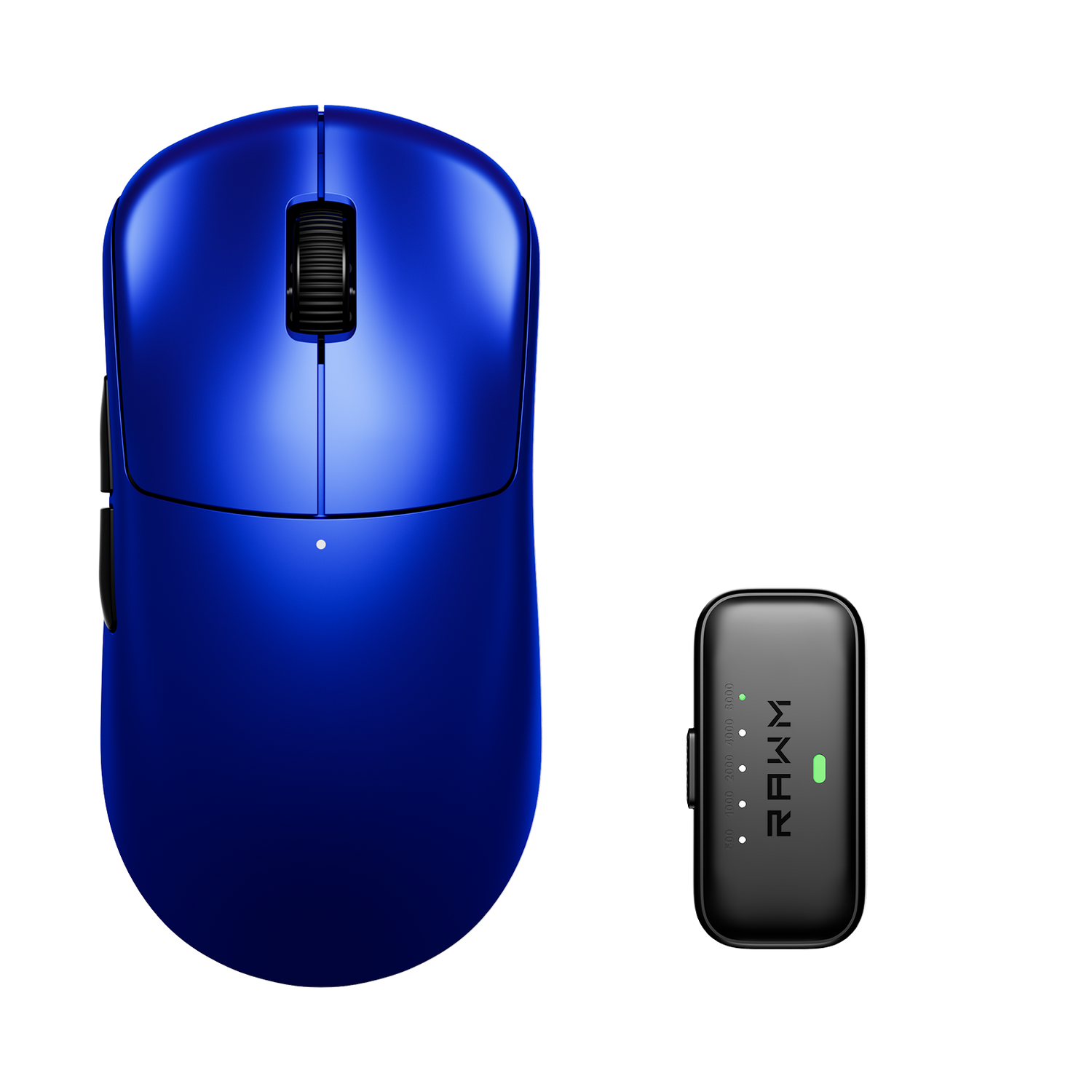
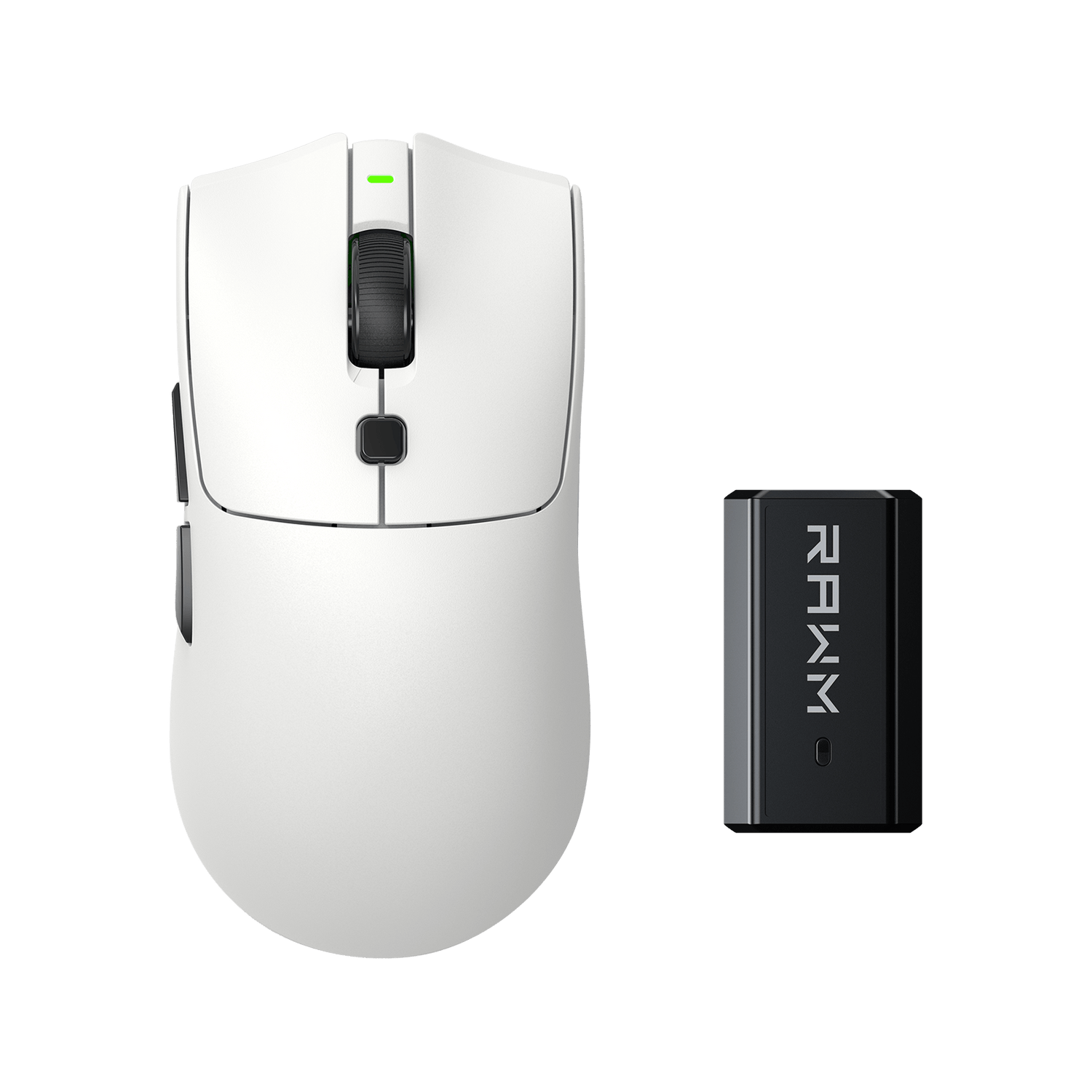
Models like the Leviathan V4 fit well into this category by offering a balanced ambidextrous shape and consistent performance, making them suitable for players who prioritize versatility without overcomplicating their setup.
Choosing the best ambidextrous gaming mouse ultimately comes down to understanding how shape, balance, and consistency affect your gameplay. A good ambidextrous mouse should disappear in your hand, letting you focus entirely on the game instead of the hardware.
Do you prefer the freedom of a neutral shape, or do you find yourself leaning toward ergonomic designs for longer sessions?
>>See also How to choose mouse based on genre? >>>>>