Why Do Some Games Feel Different With the Same Mouse?
- Different Sensitivity Scaling Systems
- Field of View (FOV) Changes Perception
- Different Game Engines Handle Input Differently
- Mouse Acceleration and Smoothing Settings
- Frame Rate and Performance Impact Input Feel
- In-Game Settings and Hidden Variables
- Muscle Memory and Adaptation

You might expect your mouse to feel exactly the same across every game, especially if your hardware and settings haven’t changed. But in reality, many players notice that aiming, movement, or general responsiveness can feel completely different from one game to another—even with the same mouse.
This difference isn’t your imagination. It comes from how each game processes input, applies settings, and interacts with your system. Small variations in sensitivity scaling, engine behavior, and performance can all add up to a noticeably different experience.
Understanding these factors can help you adjust your setup and achieve more consistent control across different games.
1. Different Sensitivity Scaling Systems
Not all games interpret sensitivity in the same way. Even if you use the same numerical value, the actual movement on screen can vary.
Each game has its own sensitivity scale, meaning a setting like “1.0” in one game may not match “1.0” in another. This results in different turning speeds and cursor distances for the same physical mouse movement.
Some players convert sensitivity using measurements like centimeters per 360-degree turn to maintain consistency across games.
Without proper adjustment, your muscle memory can feel off because the relationship between hand movement and on-screen action changes.
2. Field of View (FOV) Changes Perception
Field of view affects how fast movement appears on screen, even if the actual sensitivity is the same.
A higher FOV makes movement feel slower because more of the environment is visible at once. A lower FOV makes the same movement feel faster and more zoomed in.
This visual difference can trick your brain into thinking your sensitivity has changed, even when it hasn’t.
Adjusting FOV to a consistent value across games can help reduce this perception gap.
3. Different Game Engines Handle Input Differently
Each game engine processes mouse input in its own way. Some engines prioritize raw input, while others apply additional smoothing or filtering.
Games that use raw input tend to feel more direct and responsive because they take data straight from your mouse.
Other games may apply slight processing, which can introduce a different feel, even if the delay is minimal.
These backend differences are often subtle but can become noticeable when switching between games frequently.
4. Mouse Acceleration and Smoothing Settings
Some games enable mouse acceleration or smoothing by default.
Mouse acceleration changes how far the cursor moves based on how quickly you move the mouse. Smoothing averages out movement to reduce jitter.
While these features can make movement feel more stable, they also change the relationship between your hand movement and cursor movement.
If one game has these settings enabled and another does not, the difference in feel can be significant.
Disabling these features is often recommended for more consistent control.
5. Frame Rate and Performance Impact Input Feel
Game performance has a direct effect on how responsive your mouse feels.
Higher frame rates reduce input delay and make movement feel smoother. Lower frame rates can introduce lag and make the mouse feel heavier or less responsive.
Even if your mouse input is identical, the way the game displays that input can change your perception.
Stable performance is key to maintaining consistent mouse feel across different games.
6. In-Game Settings and Hidden Variables
Some games include additional settings that affect input behavior without being obvious.
Examples include:
-
Input buffering
-
V-Sync
-
Frame pacing
-
Sensitivity multipliers
These settings can subtly change how your mouse input is processed and displayed.
Two games with similar visible settings may still feel different because of these hidden variables.
Taking time to explore advanced settings can help reduce inconsistencies.
7. Muscle Memory and Adaptation
Your brain plays a big role in how your mouse feels.
When switching between games, your muscle memory may not immediately adjust to the new sensitivity, FOV, or input behavior. This creates a temporary feeling that something is “off.”
After some time, your brain adapts, and the mouse starts to feel normal again.
Players who frequently switch between games often develop better adaptability, allowing them to adjust more quickly.
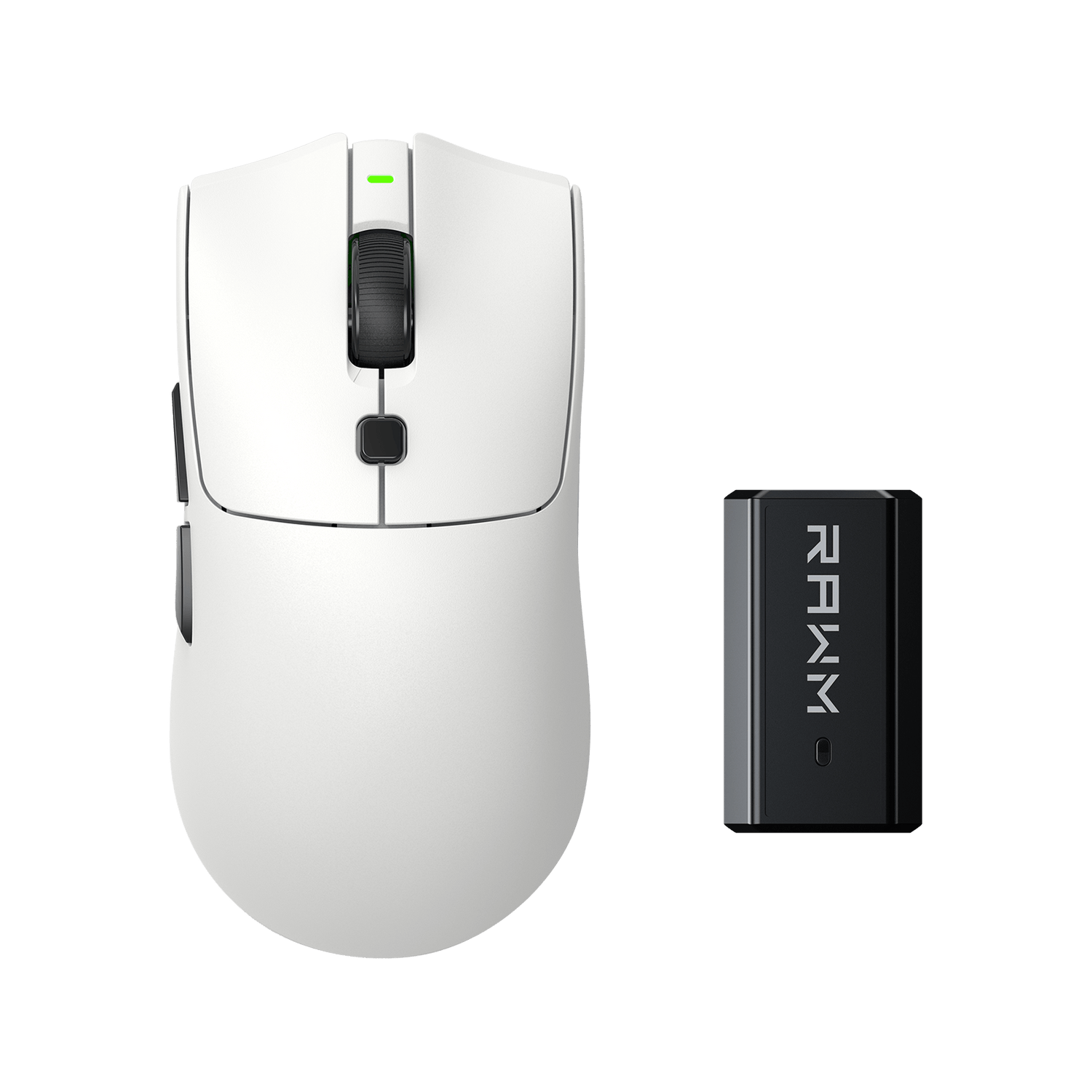
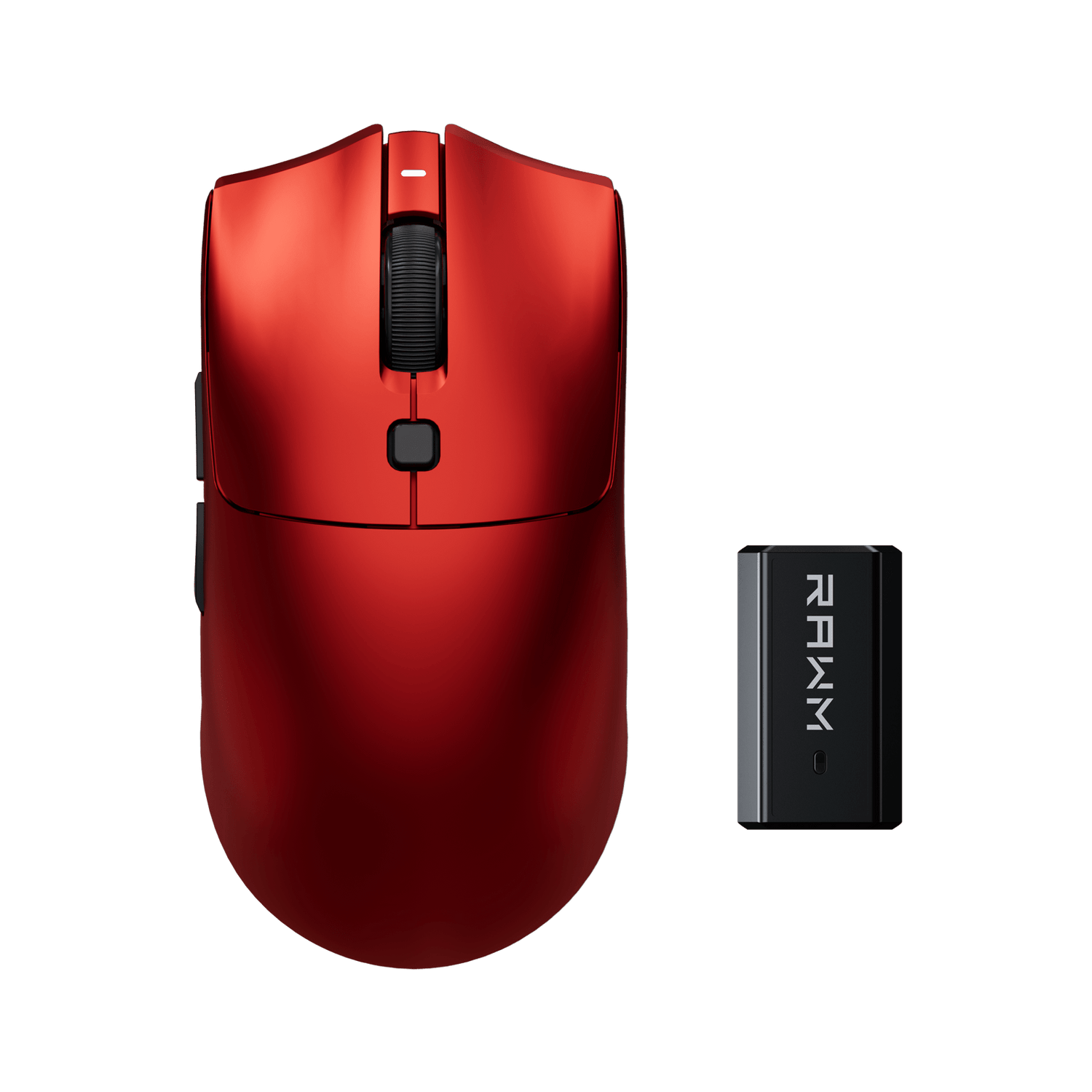
Some setups aim to minimize these differences by keeping input behavior as consistent as possible, combining stable sensitivity settings with reliable hardware environments like the Leviathan V4 to maintain predictable control.
In the end, the difference in feel comes from a mix of technical factors and human perception.
Have you ever switched games and felt like your aim was suddenly off even though your mouse settings didn’t change?
>>See also Do gaming mice help reduce click fatigue? >>>>>