What’s sensor spin‑out and prevention?
- 1. What sensor spin-out actually means in gaming mice
- 2. Common causes of sensor spin-out during gameplay
- 3. How sensor spin-out feels in real gaming scenarios
- 4. Sensor technology and why modern mice handle spin-out better
- 5. Practical ways to prevent sensor spin-out
- 6. When sensor spin-out is a sign to upgrade your mouse

Sensor spin-out is one of the most frustrating issues a gaming mouse can experience, especially for players who rely on fast flicks, low sensitivity, or aggressive movements. When sensor spin-out occurs, the cursor suddenly jumps, freezes, or spins uncontrollably on screen, breaking aim consistency and often costing critical moments in competitive play. Although modern gaming mouse sensors are far more advanced than earlier generations, sensor spin-out can still happen under specific conditions. Knowing what causes it, how it feels in real gameplay, and how to prevent it helps ensure your mouse performs reliably when precision matters most.
1. What sensor spin-out actually means in gaming mice
Sensor spin-out happens when a mouse sensor fails to correctly track surface movement and loses orientation. Instead of translating physical movement into accurate cursor motion, the sensor outputs incorrect data, causing erratic behavior such as sudden spins, extreme cursor jumps, or complete tracking loss.
This usually occurs when movement speed exceeds what the sensor can accurately process. Every sensor has a maximum tracking speed, often measured in inches per second. When a player flicks faster than that limit, the sensor may misinterpret motion direction or stop tracking entirely. In fast-paced shooters, this often appears as a full 180-degree or 360-degree camera spin without intentional input.
Sensor spin-out is not a software bug. It is a hardware limitation related to sensor processing, surface compatibility, and signal stability. While rare on high-end sensors, it can still occur if conditions are unfavorable.
2. Common causes of sensor spin-out during gameplay
Several factors can contribute to sensor spin-out, and they often stack together rather than acting alone.
The most common cause is excessive swipe speed. Low-DPI players tend to move the mouse rapidly across large distances, which can exceed the sensor’s tracking capability. Older or entry-level sensors are more prone to this issue, but even advanced sensors can struggle if paired with poor surfaces.
Mousepad quality plays a major role. Uneven textures, reflective materials, worn cloth pads, or glossy hard surfaces can confuse the sensor. Inconsistent surface feedback increases the chance of tracking errors during fast movements.
Lift-off distance can also contribute. If the mouse is lifted slightly during a flick and the sensor continues tracking inconsistently, spin-out becomes more likely. This is especially noticeable in players who reset their mouse position frequently.
Environmental factors such as dust, hair, or debris near the sensor lens can further reduce tracking accuracy, increasing the likelihood of spin-out under stress conditions.
3. How sensor spin-out feels in real gaming scenarios
Sensor spin-out is easy to recognize once you experience it. In FPS games, it often occurs during quick 180-degree turns or sudden target switches. Instead of snapping to the intended direction, the camera may spin wildly or lock in place for a fraction of a second.
In tactical shooters, this usually leads to missed shots or lost engagements. In fast arena shooters, it can completely disrupt movement flow. Even in non-shooter genres, sudden cursor jumps during camera control or map navigation feel jarring and disorienting.
What makes sensor spin-out especially frustrating is its unpredictability. It may only happen once every few sessions, making it hard to diagnose. Players often mistake it for personal inconsistency, settings issues, or even network lag before realizing the sensor is at fault.
Consistent, repeatable spin-out during similar movements is a strong indicator that sensor limits or surface issues are involved.
4. Sensor technology and why modern mice handle spin-out better
Modern optical sensors are designed to significantly reduce the risk of sensor spin-out. Improvements in image processing speed, tracking algorithms, and motion tolerance allow newer sensors to handle faster swipes and more complex movement patterns.
Higher maximum tracking speed means the sensor can process rapid motion without losing direction. Improved lift-off distance tuning helps prevent unintended tracking when the mouse is lifted. Motion filtering and signal stabilization further enhance reliability without introducing noticeable latency.
However, no sensor is completely immune. Even the best sensors can experience spin-out if pushed beyond intended limits or paired with incompatible surfaces. This is why competitive players still pay close attention to sensor specifications and real-world testing rather than relying solely on marketing claims.
Firmware optimization also plays a role. Well-tuned firmware ensures consistent data output and reduces the chance of tracking errors during extreme movement scenarios.
5. Practical ways to prevent sensor spin-out
Preventing sensor spin-out starts with choosing the right combination of hardware and setup.
Using a high-quality gaming mouse with a proven sensor is the foundation. Sensors with higher tracking speed tolerance and stable lift-off behavior handle aggressive movement far better than older designs.
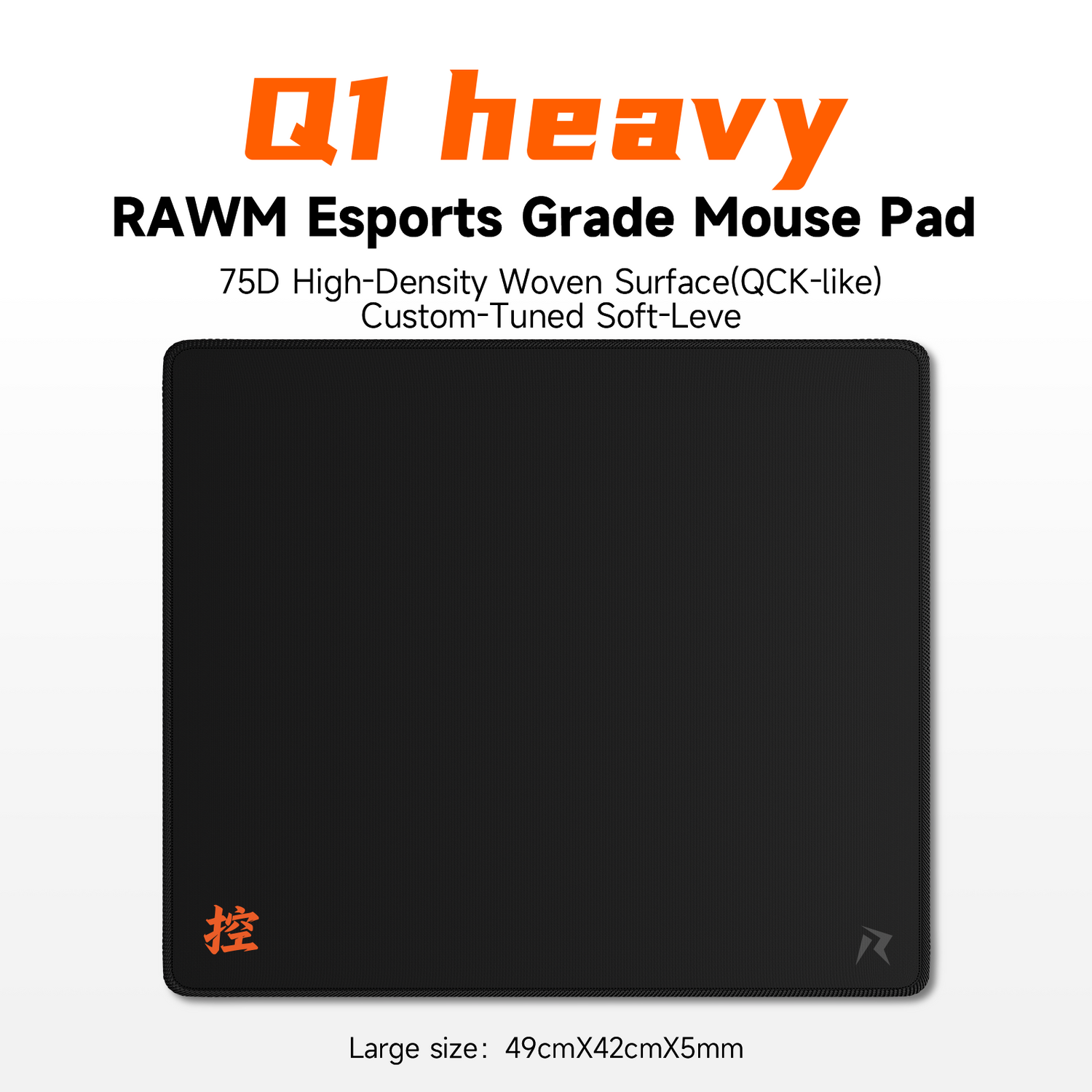
Mousepad choice matters just as much. A consistent, non-reflective surface with uniform texture helps the sensor maintain accurate tracking. Replacing worn or damaged pads can immediately reduce tracking anomalies.
Keeping the sensor clean is often overlooked. Regularly checking for dust or debris around the sensor lens and cleaning it gently prevents signal distortion.
Adjusting playstyle can also help. Extremely low DPI combined with exaggerated flicks increases spin-out risk. Slightly increasing sensitivity or refining movement technique can reduce peak swipe speed without sacrificing control.
Finally, ensuring firmware and drivers are up to date helps maintain optimal sensor performance and compatibility with modern systems.
6. When sensor spin-out is a sign to upgrade your mouse
Occasional tracking errors can happen, but frequent sensor spin-out is a clear sign that your mouse may no longer meet your performance needs. This is especially true if spin-out occurs on multiple surfaces and during normal gameplay movements.
Competitive players who practice aim training, play at low sensitivity, or rely on fast reactions benefit the most from upgrading to a sensor designed for high-speed accuracy. A mouse that cannot keep up with your mechanics becomes a bottleneck rather than a tool.
Upgrading does not always mean choosing the most expensive option. It means selecting a mouse with a sensor proven to handle your specific playstyle, paired with a surface that complements its tracking characteristics.
Eliminating sensor spin-out restores trust in your equipment, allowing skill and muscle memory to shine without technical interruptions.
Have you ever experienced sudden camera spins during fast flicks, and what changes helped reduce sensor spin-out for you?
>>See also What is a honeycomb shell design? >>>>>