Is 1000Hz good for a gaming mouse?
1. What gaming mouse polling rate explained really means
2. Is 1000Hz enough according to gaming mouse polling rate explained?
3. Comparing 1000Hz to higher polling rates using gaming mouse polling rate explained
4. How games and hardware affect gaming mouse polling rate explained
5. Wireless performance and gaming mouse polling rate explained
6. Choosing the right polling rate using gaming mouse polling rate explained

When people talk about mouse performance, polling rate is one of the most common specifications mentioned. Many gamers ask whether 1000Hz is actually enough, or if higher numbers make a real difference. To answer this properly, it is important to understand gaming mouse polling rate explained in a practical way, not just through marketing claims.
Gaming mouse polling rate explained refers to how often a mouse reports its position to the computer each second. A 1000Hz polling rate means the mouse sends data 1000 times per second, resulting in a 1ms update interval. For most modern systems, gaming mouse polling rate explained at this level already exceeds the sensitivity of human reaction time. However, higher polling rates such as 2000Hz, 4000Hz, or even 8000Hz are becoming more common, which raises valid questions about whether 1000Hz is still good enough.
Understanding gaming mouse polling rate explained helps players choose the right settings without wasting performance, battery life, or system resources.
1. What gaming mouse polling rate explained really means
Gaming mouse polling rate explained is often confused with DPI or sensor quality, but it is a separate performance factor. Polling rate measures how frequently the mouse communicates with the system, not how accurate the sensor is.
At common polling rates:
-
125Hz = 8ms update interval
-
250Hz = 4ms update interval
-
500Hz = 2ms update interval
-
1000Hz = 1ms update interval
Gaming mouse polling rate explained at 1000Hz significantly reduces input delay compared to older standards. This reduction can improve cursor responsiveness, especially in fast-paced games such as FPS and competitive shooters.
However, polling rate does not work in isolation. The actual experience depends on system latency, display refresh rate, game engine input processing, and the stability of the mouse sensor itself.
2. Is 1000Hz enough according to gaming mouse polling rate explained?
From a technical standpoint, gaming mouse polling rate explained at 1000Hz is more than sufficient for most users. A 1ms input interval is already faster than the reaction time of the human nervous system in most scenarios.
Why 1000Hz is still widely used:
-
Stable performance across systems
-
Minimal CPU overhead
-
Works well with 144Hz to 240Hz monitors
-
Compatible with nearly all games and operating systems
-
Excellent balance between latency and efficiency
In blind tests, many players cannot consistently distinguish between 1000Hz and higher polling rates unless all other latency factors are tightly controlled. Gaming mouse polling rate explained shows that diminishing returns begin beyond 1000Hz, especially if the rest of the system is not optimized.
3. Comparing 1000Hz to higher polling rates using gaming mouse polling rate explained
To better understand whether higher polling rates are necessary, it helps to compare them directly.
| Polling Rate | Update Interval | Pros | Cons |
|---|---|---|---|
| 500Hz | 2ms | Low CPU use, stable | Slightly more latency |
| 1000Hz | 1ms | Excellent balance | Standard baseline |
| 2000Hz | 0.5ms | Lower latency | Higher CPU usage |
| 4000Hz | 0.25ms | Ultra-responsive | Diminishing returns |
| 8000Hz | 0.125ms | Lowest theoretical delay | Requires high-end systems |
Gaming mouse polling rate explained through this comparison shows that higher numbers do reduce input delay, but the practical benefit depends on whether your system can process that data efficiently. On mid-range systems, 1000Hz often delivers the most consistent experience.
4. How games and hardware affect gaming mouse polling rate explained
Gaming mouse polling rate explained cannot ignore the role of hardware and software. Even if your mouse supports 1000Hz or more, several factors influence whether you feel the benefit.
Key influencing elements:
-
CPU scheduling and USB controller quality
-
Game engine input sampling rate
-
Display refresh rate and frame timing
-
Operating system background processes
-
Mouse firmware stability
For example, a 60Hz display cannot visually represent the benefit of extremely high polling rates. Gaming mouse polling rate explained makes it clear that input improvements must align with output capabilities to be meaningful.
This is why many professional players continue to use 1000Hz, even when higher options are available. It provides predictable behavior across tournament setups and avoids unexpected inconsistencies.
5. Wireless performance and gaming mouse polling rate explained
Wireless technology has improved significantly, and gaming mouse polling rate explained now applies equally to wired and wireless mice. Modern wireless gaming mice can maintain stable 1000Hz polling without noticeable latency penalties.
Advantages of 1000Hz in wireless mode:
-
Longer battery life compared to higher polling
-
Lower risk of signal instability
-
Consistent performance across environments
-
Reduced heat and power consumption
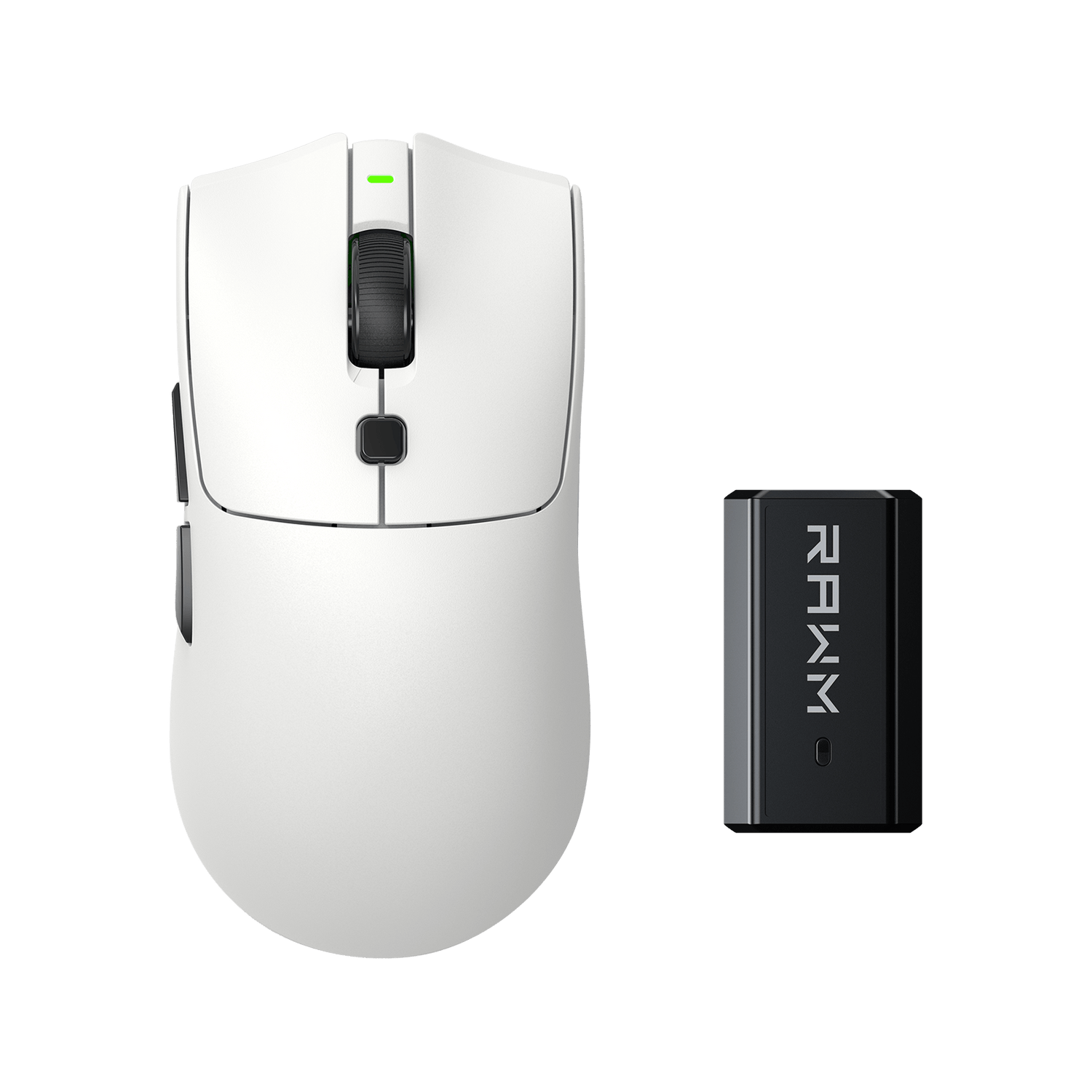
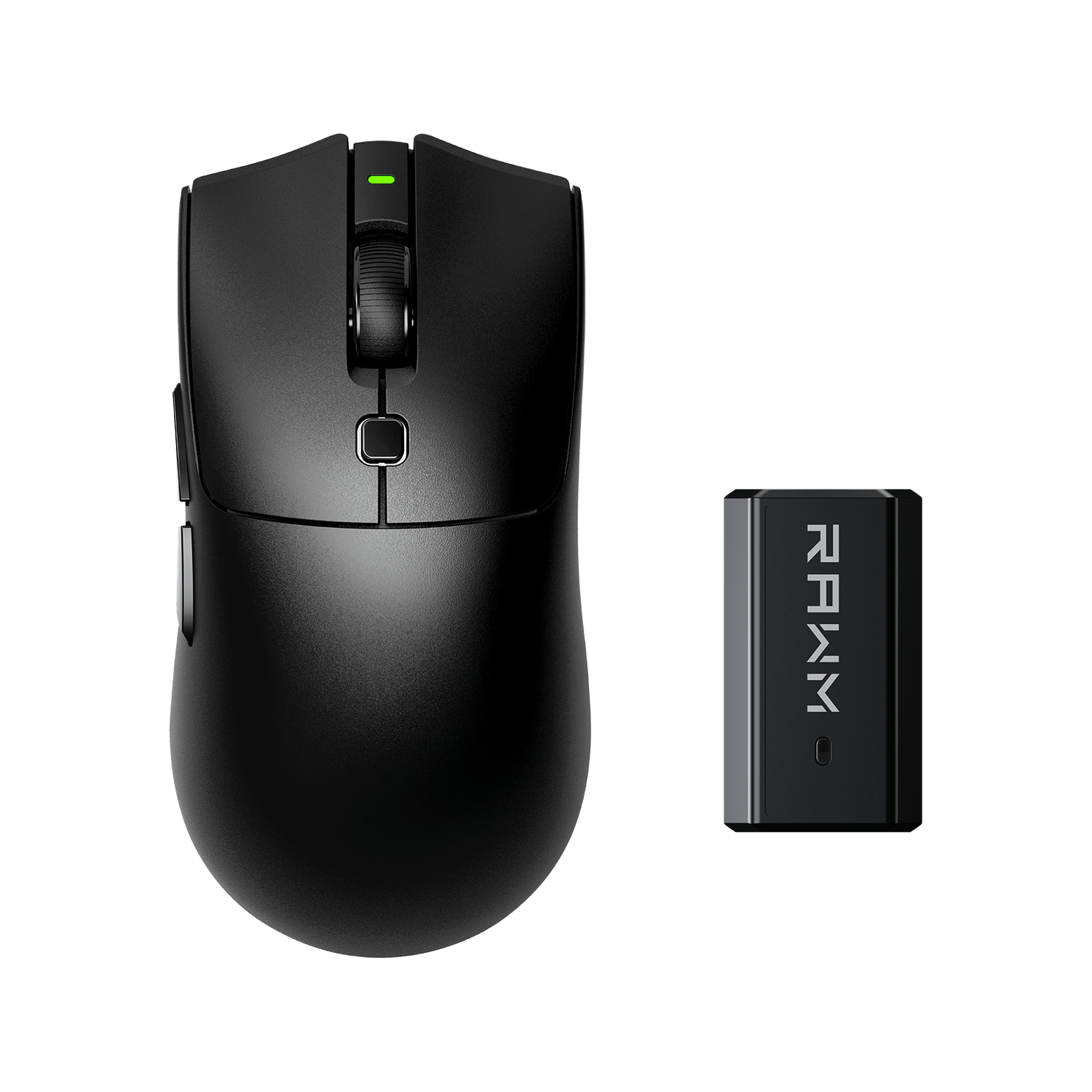
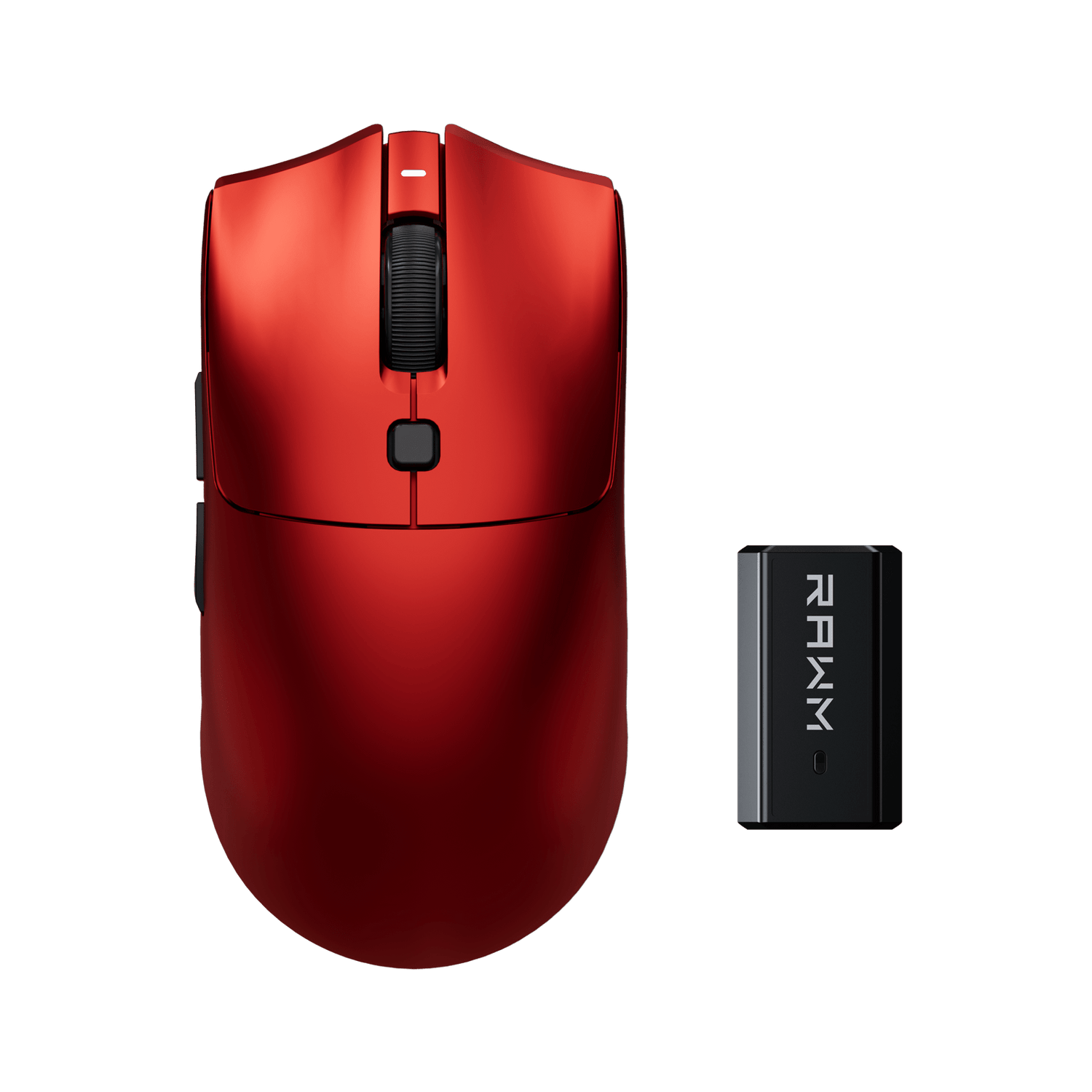
Some wireless mice, such as the RAWM ER21PRO, are designed to maintain a stable 1000Hz polling rate while balancing power efficiency and signal reliability. This makes 1000Hz an ideal choice for players who value consistency over marginal gains.
6. Choosing the right polling rate using gaming mouse polling rate explained
When deciding whether 1000Hz is good for your gaming mouse, consider your specific use case rather than chasing specifications.
1000Hz is ideal if you:
-
Play competitive FPS or MOBA games
-
Use 144Hz to 240Hz monitors
-
Want stable performance with minimal tuning
-
Prefer lower system overhead
-
Play on both wired and wireless setups
Higher polling rates may help in specialized scenarios, but gaming mouse polling rate explained shows that most players achieve optimal results at 1000Hz when the rest of their setup is balanced.
Gaming mouse polling rate explained clearly shows that 1000Hz remains an excellent standard for gaming mice. In the final 100 words of this article, it is evident that gaming mouse polling rate explained at 1000Hz offers the best balance of responsiveness, stability, and efficiency for most players. While higher polling rates reduce theoretical latency, their real-world benefits depend heavily on hardware, software, and display limitations. For the majority of gamers, 1000Hz delivers consistent, competitive performance without unnecessary trade-offs.
Do you prefer sticking with 1000Hz for stability, or have you experimented with higher polling rates in your own setup?
>>See also Do mice work on laptops or consoles? >>>>>