Do Esports Players Use Mouse Bungees?
- What a Mouse Bungee Is and How It Works
- Why Competitive Players Care About Cable Drag
- Do Professional Esports Players Actually Use Mouse Bungees
- Wired vs Wireless Mice in Esports
- Benefits of Using a Mouse Bungee for Competitive Play
- When a Mouse Bungee Makes the Biggest Difference
- Are Mouse Bungees Worth It for Most Gamers

Competitive gaming places enormous emphasis on precision, consistency, and reliability. Every movement matters, especially in fast-paced titles where a fraction of a second can decide the outcome of a match. Because of this, esports players pay close attention to every component of their setup—from monitors and keyboards to mousepads and mice.
One accessory that often appears in professional gaming setups is the mouse bungee. While it may look like a simple desk tool, it plays a practical role in improving cable management and maintaining consistent mouse movement. Many players who rely on wired gaming mice prefer using a mouse bungee to reduce distractions caused by cable drag or snagging.
For newcomers to competitive gaming, the idea of adding another accessory to the desk might seem unnecessary. However, once the purpose becomes clear, it’s easier to see why this small device has become a common part of many esports environments.
1. What a Mouse Bungee Is and How It Works
A mouse bungee is a small device designed to hold and guide the cable of a wired mouse. It typically sits on the desk behind the mousepad and includes a flexible arm or clip that lifts the cable slightly above the surface.
The goal is simple: keep the cable from dragging across the desk or getting caught on nearby objects. By suspending the cable, the mouse can move more freely across the mousepad without interference.
Most mouse bungees also allow players to control how much cable extends toward the mouse. By adjusting the cable length, players can create a consistent range of motion that matches their personal play style.
Because the cable remains elevated and controlled, the mouse movement becomes smoother and more predictable. This helps eliminate subtle resistance that might otherwise affect precise aiming or tracking.
While the device itself is minimal in design, the improvement in cable control can make a noticeable difference during long gaming sessions.
2. Why Competitive Players Care About Cable Drag
In competitive environments, even small inconsistencies can disrupt performance. Cable drag is one of those subtle issues that many players do not notice at first but can gradually affect their control.
When a wired mouse cable rests on the desk, it may rub against the surface or catch on the edge of the mousepad. During large movements—especially for low-sensitivity players who use sweeping arm motions—the cable can create resistance.
That resistance changes the feeling of the mouse movement. Sometimes the mouse may feel slightly heavier, while other times the cable might pull back when the player moves quickly.
Over time, these inconsistencies make it harder to maintain precise muscle memory. Professional players train their aim extensively, so maintaining the same movement feel every time is extremely important.
A mouse bungee removes most of that cable interference, allowing the mouse to glide across the pad without unexpected tension.
3. Do Professional Esports Players Actually Use Mouse Bungees
Yes, many esports professionals use mouse bungees, particularly those who prefer wired gaming mice. In tournament environments, it is common to see these devices placed behind the mousepad on player desks.
Professional players often bring their own peripherals to events. This includes their mouse, keyboard, mousepad, and sometimes accessories like a mouse bungee. Maintaining a familiar setup helps them perform consistently during high-pressure matches.
Mouse bungees are especially popular among players who use low sensitivity settings. Low sensitivity requires larger mouse movements, which increases the chances of the cable dragging across the desk.
By controlling the cable position, the bungee keeps the movement area clear and stable. This helps maintain a consistent feeling throughout practice sessions and competitive matches.
Although some professional players now use wireless mice, wired setups with a bungee remain common in esports.
4. Wired vs Wireless Mice in Esports
The popularity of wireless gaming mice has increased significantly in recent years. Improvements in wireless technology have reduced latency and made wireless devices more reliable than older generations.
Because wireless mice do not have a cable, they naturally eliminate cable drag. This makes them appealing to many competitive players who want maximum freedom of movement.
However, wired mice still have advantages that keep them relevant. Some players prefer the guaranteed stability of a wired connection, while others simply stick with the mouse they have used for years.
Professional players often avoid changing equipment unless necessary because even small adjustments can disrupt muscle memory. If a player has spent thousands of hours practicing with a wired mouse, switching to wireless may feel unfamiliar.
In these cases, using a mouse bungee allows wired mice to deliver a smoother experience while keeping the player’s preferred hardware unchanged.
5. Benefits of Using a Mouse Bungee for Competitive Play
One of the most noticeable benefits of a mouse bungee is smoother mouse movement. By lifting the cable away from the desk surface, the mouse glides across the pad without additional friction.
Another advantage is consistency. The cable stays in a fixed position behind the mouse, which means the tension and movement feel remain stable over time.
Cable management also becomes easier. Instead of having a loose cable sliding across the desk, the bungee keeps everything organized and out of the way.
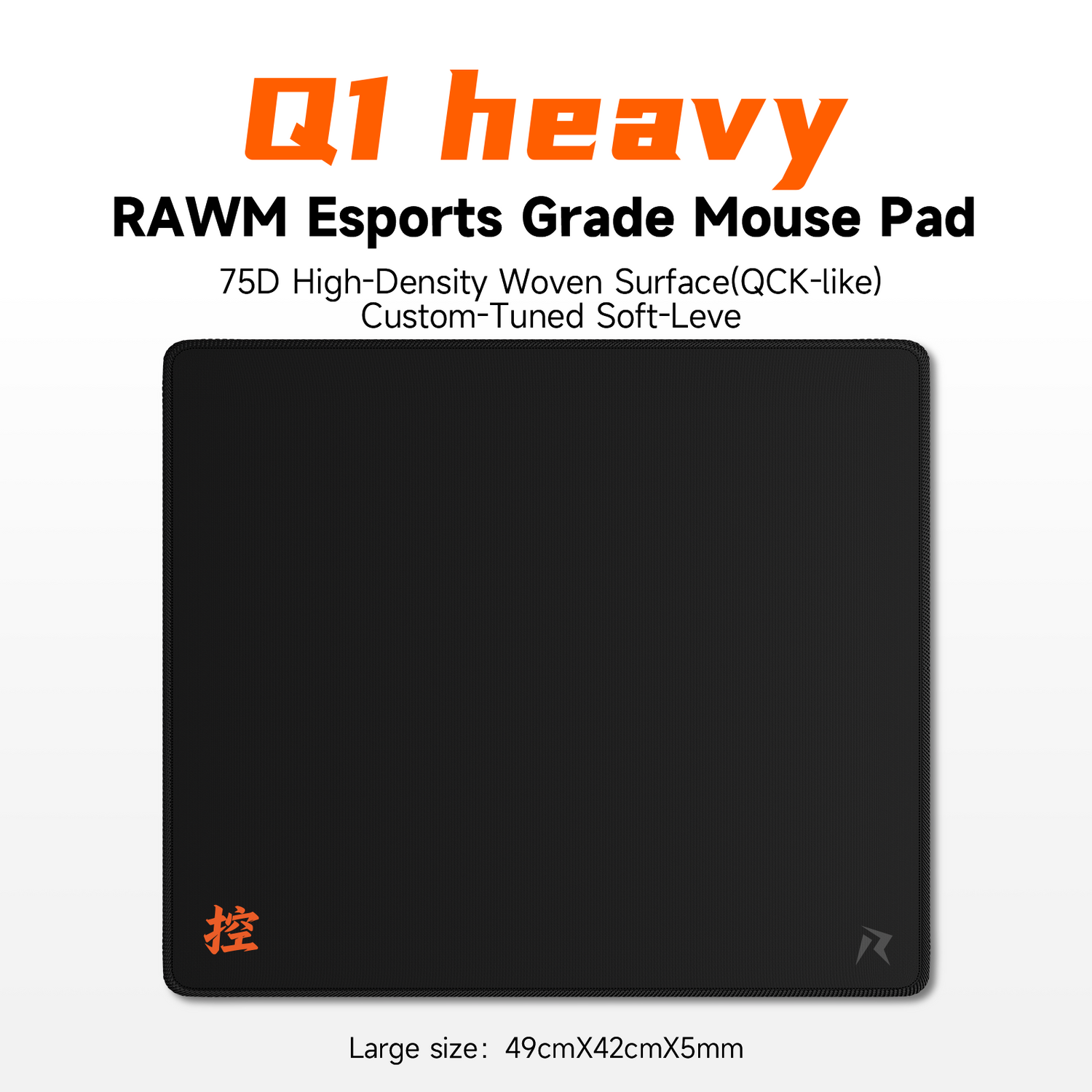
Players who use large mousepads or extended arm movements often appreciate the extra freedom this provides. Without a cable dragging behind the mouse, long flicks and tracking movements feel more controlled.
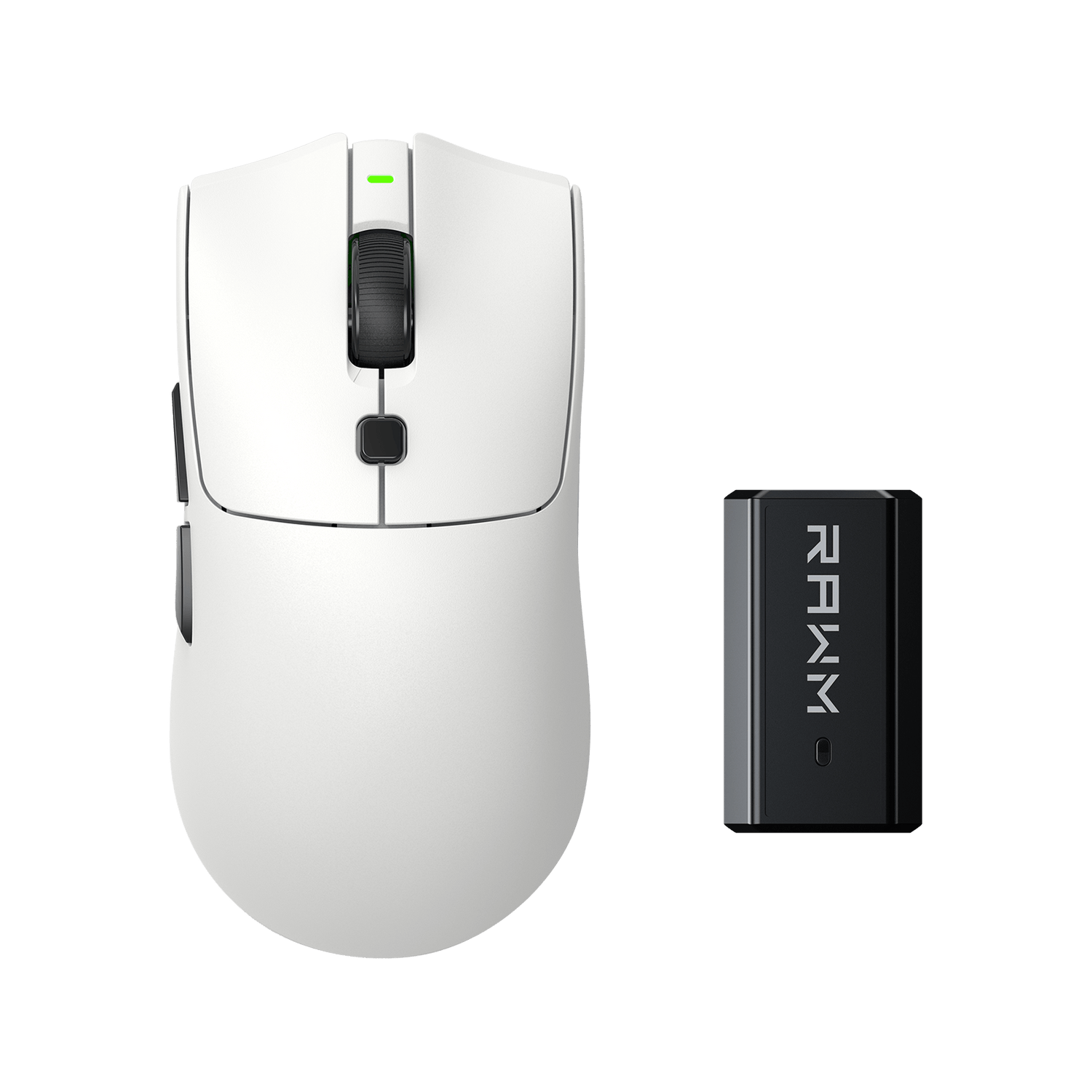
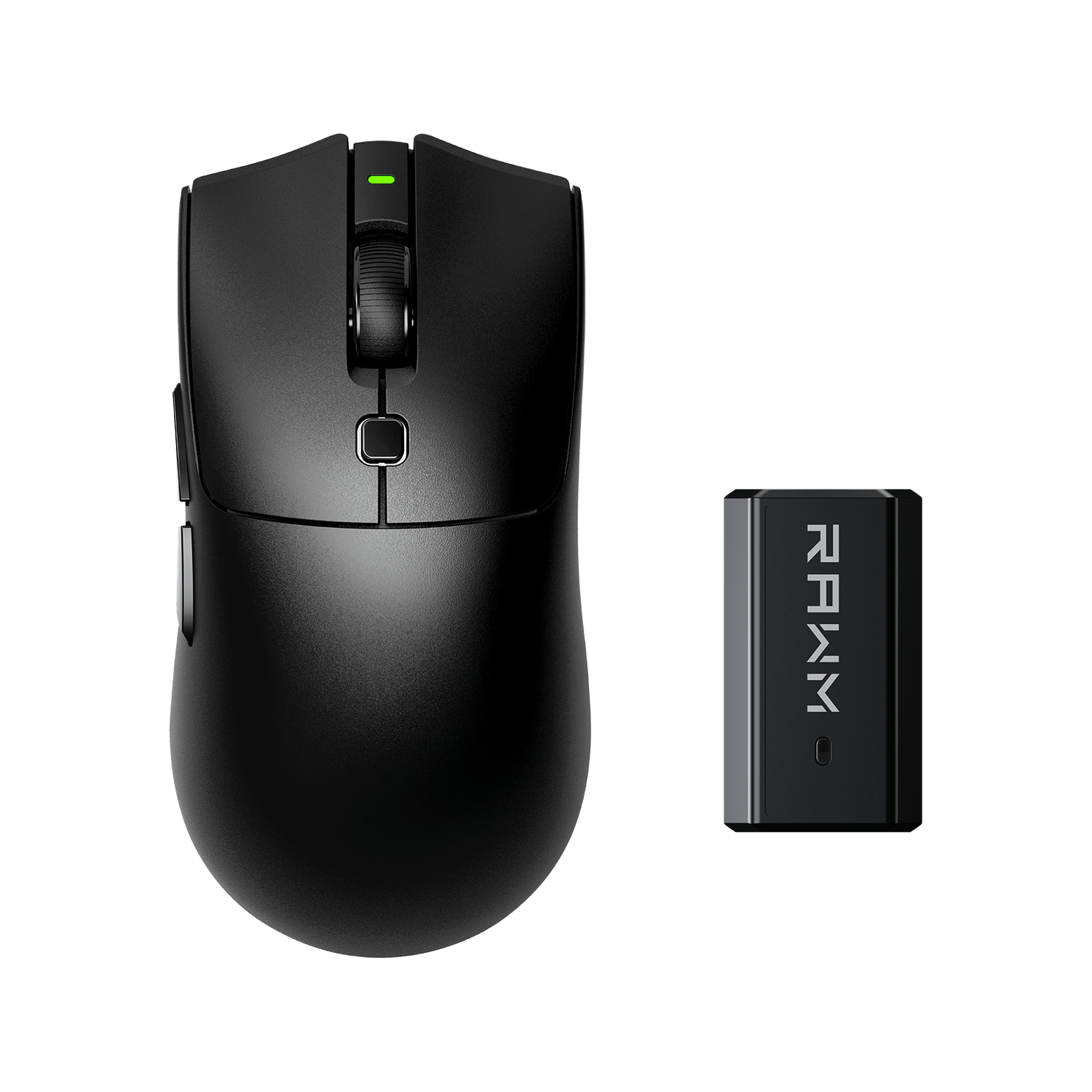
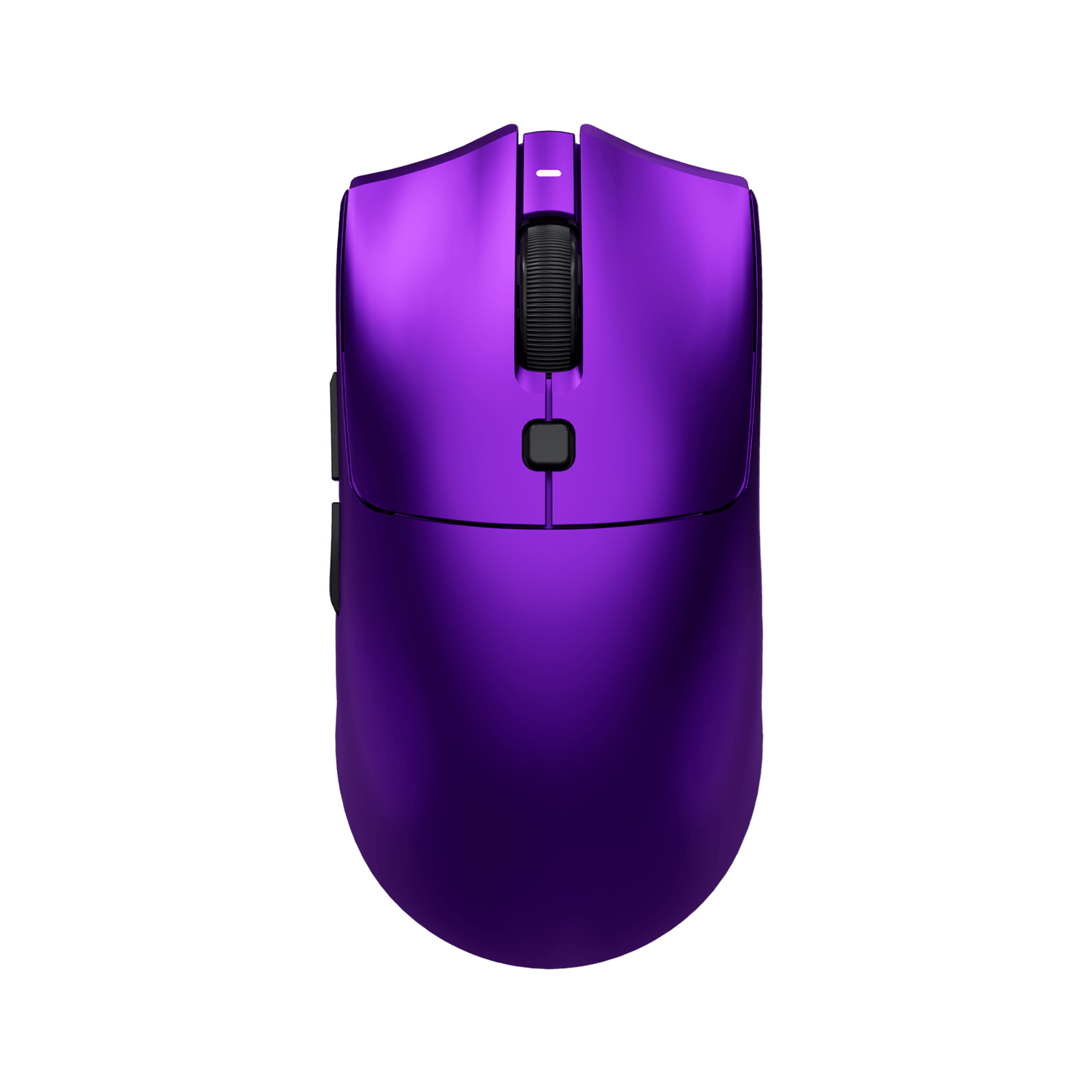
Some setups combine optimized cable routing with carefully designed hardware—such as devices like the Leviathan V4—to maintain a smooth and consistent movement experience during extended gaming sessions.
6. When a Mouse Bungee Makes the Biggest Difference
Not every player needs a mouse bungee, but certain situations make it more beneficial.
Low-sensitivity players usually gain the most improvement. These players move their mouse across large portions of the mousepad, which increases the chances of the cable dragging or catching on something.
Players using stiff or thick mouse cables may also notice a greater difference when switching to a bungee. Heavier cables tend to create more resistance during quick movements.
Desk layout can also affect cable behavior. If the monitor stand, keyboard, or desk edge sits close to the mouse area, the cable may frequently snag during gameplay.
A mouse bungee keeps the cable elevated and positioned directly behind the mouse, preventing these obstacles from interfering with movement.
For players who already use lightweight cables and spacious desk setups, the difference may be smaller—but many still prefer the added consistency.
7. Are Mouse Bungees Worth It for Most Gamers
For casual gamers, a mouse bungee is not always essential. Many people can enjoy smooth gameplay without additional accessories, especially if their desk setup already keeps the cable out of the way.
However, for players who value precise control and consistent movement, the accessory can provide noticeable benefits. The improvement often becomes more apparent during games that require accurate aiming and rapid mouse movements.
Because the device is simple and affordable, it offers a relatively easy way to refine a gaming setup without making major changes.
Ultimately, whether someone uses a mouse bungee depends on personal preference, play style, and the type of mouse they use.
Many competitive players appreciate the extra level of control it provides, while others prefer the freedom of wireless mice.
Have you ever noticed your mouse cable dragging or catching during fast movements while gaming?
>>See also How to Turn Off Mouse Smoothing for Better Precision and Control?>>>>>