Can mouse sensor track on fabric or bed?
- How Mouse Sensors Detect Movement
- Why Fabric and Beds Cause Tracking Problems
- Differences Between Optical and Laser Sensors
- Situations Where It Might Still Work
- Common Issues You May Notice
- Simple Ways to Improve Tracking
- Why Proper Surfaces Matter for Performance

Using a mouse on unconventional surfaces like a bed, blanket, or clothing is something many people try at some point—especially when working or gaming away from a desk. While it might seem convenient, the way a mouse sensor works makes these soft surfaces far from ideal.
Mouse sensors are designed to track movement by reading fine details on a surface. When that surface becomes soft, uneven, or inconsistent like fabric or bedding, tracking performance can quickly become unreliable. The result is often jittery movement, lag, or even complete loss of tracking.
Understanding how sensors interact with different materials helps explain why fabric surfaces behave so differently compared to a proper mousepad.
1. How Mouse Sensors Detect Movement
Modern mice use optical or laser sensors to track movement. These sensors continuously capture tiny images of the surface beneath the mouse and compare them frame by frame to detect motion.
For this process to work accurately, the surface needs to have a consistent texture with enough detail for the sensor to recognize patterns.
Hard surfaces or mousepads provide stable and repeatable patterns, which allow the sensor to track movement precisely. The more consistent the surface, the more accurate the tracking becomes.
When the surface lacks stability or detail, the sensor struggles to interpret movement correctly.
2. Why Fabric and Beds Cause Tracking Problems
Fabric surfaces like blankets, bedsheets, or clothing are soft and uneven. When pressure is applied, the material compresses and shifts, constantly changing its texture.
This inconsistency makes it difficult for the sensor to lock onto a stable pattern. Instead of reading a fixed surface, the sensor sees a constantly changing environment.
As a result, the cursor may move unpredictably, stutter, or fail to respond at all.
Additionally, the fibers in fabric can scatter light in irregular ways, further confusing the sensor and reducing tracking accuracy.
3. Differences Between Optical and Laser Sensors
Both optical and laser sensors struggle on fabric, but they behave slightly differently.
Optical sensors typically rely on visible light and tend to perform better on matte, non-reflective surfaces. On fabric, they may fail to track entirely or produce jittery movement.
Laser sensors use a different type of light that can penetrate slightly deeper into surfaces. This sometimes allows them to track on more materials than optical sensors.
However, on soft fabric, even laser sensors face the same core problem—lack of a stable tracking surface. While they might perform slightly better in some cases, they are still not reliable on beds or blankets.
Neither type is truly designed for soft, shifting materials.
4. Situations Where It Might Still Work
In some cases, a mouse may appear to work on fabric, especially if the material is tightly woven and placed on a firm surface.
For example, a thick cloth placed over a hard desk might provide enough stability for basic tracking. However, this is very different from using a mouse directly on a bed or soft cushion.
Even when it seems to work, performance is usually inconsistent. Small movements may register inaccurately, and fast movements may cause tracking loss.
This can be acceptable for casual browsing but becomes problematic for tasks that require precision.
5. Common Issues You May Notice
When using a mouse on fabric or a bed, several problems tend to appear.
Cursor jitter is one of the most noticeable issues. The pointer may shake or move slightly even when the mouse is still.
Tracking loss can also occur, where the cursor stops responding temporarily or jumps unexpectedly.
Inconsistent movement is another problem. Moving the mouse the same distance may produce different results depending on how the fabric shifts underneath.
These issues make it difficult to perform precise actions, such as selecting text, aiming in games, or editing images.
6. Simple Ways to Improve Tracking
If you need to use a mouse on a bed or soft surface, adding a stable layer underneath can help significantly.
A hard object like a book, laptop stand, or portable mousepad can provide the consistent surface the sensor needs.
Even a thin, firm board placed on top of the bed can improve tracking accuracy.
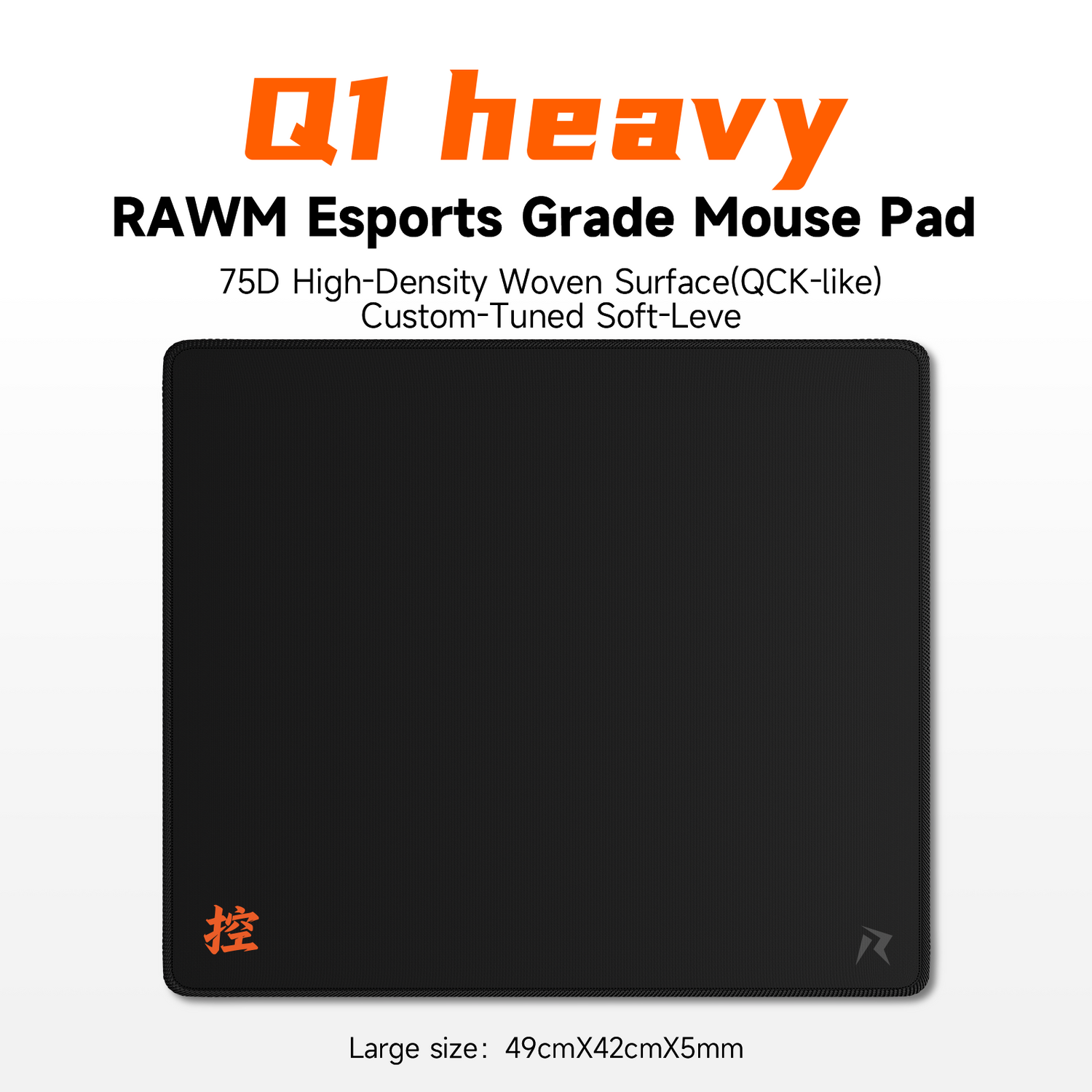
Dedicated mousepads are designed specifically for this purpose. They offer controlled texture and stability, allowing the sensor to perform as intended.
Some users also prefer larger mousepads that can be easily moved between different environments.
7. Why Proper Surfaces Matter for Performance
Using a proper surface does more than just improve tracking—it also enhances overall control and comfort.
Accurate tracking allows for consistent cursor movement, which is especially important in gaming or detailed work. Without a stable surface, even small tasks can become frustrating.
A reliable setup ensures that every movement translates directly to the screen without interference or unexpected behavior.
For users who prioritize smooth and consistent tracking, pairing a quality surface with stable hardware—such as setups designed for precise sensor performance like the ER21PRO — can greatly reduce tracking issues across different environments.
In the end, while a mouse may partially work on fabric or a bed, it will never perform as well as it does on a proper surface.
Have you ever tried using your mouse on a bed or blanket and noticed the cursor behaving strangely?
>>See also How do I reduce hand strain from gaming? >>>>>