Can I travel with a wireless mouse?
- Why traveling with a wireless mouse makes sense
- Airline rules and security considerations
- Battery life and charging while traveling
- Performance concerns on the go
- Compatibility with laptops, tablets, and consoles
- Protecting your wireless mouse during travel
- Is a wireless mouse worth bringing on trips

Traveling with a wireless mouse is increasingly common, especially for gamers, creators, and remote workers who want a familiar setup wherever they go. A wireless mouse offers flexibility, portability, and fewer cables to manage, but many people still wonder whether it is practical, safe, and hassle-free during travel. From airport security to battery concerns and performance on different devices, there are several factors worth understanding before packing one in your bag.
Below is a practical, experience-based breakdown of what to expect when traveling with a wireless mouse and how to make the most of it on the road.
1. Why traveling with a wireless mouse makes sense
A wireless mouse is often easier to travel with than a wired alternative. Without a cable, it takes up less space, avoids tangling, and fits naturally into laptop sleeves or small pouches. For travelers who move between cafés, hotels, offices, or gaming events, the freedom from cables reduces setup time and clutter.
Wireless mice are also more versatile across different environments. Whether you are using a laptop on a plane tray table or connecting to a desktop at a temporary workstation, a wireless mouse adapts quickly. Many models support both USB dongle and Bluetooth connections, which makes them compatible with a wide range of devices without additional accessories.
Another reason they make sense for travel is durability. Modern wireless mice are designed with solid shells, reinforced buttons, and internal components that tolerate frequent movement. As long as the mouse is stored properly, travel-related wear is rarely an issue.
2. Airline rules and security considerations
Wireless mice are allowed in both carry-on and checked luggage. Airport security scanners treat them like any other small electronic accessory. There are no restrictions related to wireless signals, sensors, or scroll wheels.
If your mouse uses a lithium battery, it is still permitted in carry-on bags. In fact, airlines generally recommend keeping lithium-powered devices in carry-on luggage rather than checked baggage for safety reasons. Built-in batteries in wireless mice fall well within acceptable limits.
One practical tip is to remove or protect the USB receiver. Many travel issues happen when a dongle snaps or goes missing inside a bag. Some mice include onboard storage for the receiver, which is ideal. If not, storing it in a small case or zippered pocket helps prevent loss.
3. Battery life and charging while traveling
Battery management is one of the most important aspects of traveling with a wireless mouse. A mouse with long battery life reduces stress, especially during long trips or international travel where charging opportunities may be limited.
Rechargeable wireless mice are often the best option. They can be charged with the same USB-C or USB cable used for phones, tablets, or laptops. This reduces the number of cables you need to carry. Many models also allow use while charging, which can be helpful in hotels or airports.
If your mouse uses replaceable batteries, bringing one spare battery is usually enough for extended travel. Battery consumption is typically low, especially if the mouse has sleep or power-saving features.
For travelers who game or work for long hours, battery life becomes even more critical. A high-quality wireless mouse with efficient power management can last days or even weeks on a single charge, making it a reliable travel companion.
4. Performance concerns on the go
A common concern is whether a wireless mouse performs consistently while traveling. Modern wireless technology has largely eliminated the latency and stability issues that were common years ago. On a stable surface, performance is virtually identical to wired mice for everyday use and gaming.
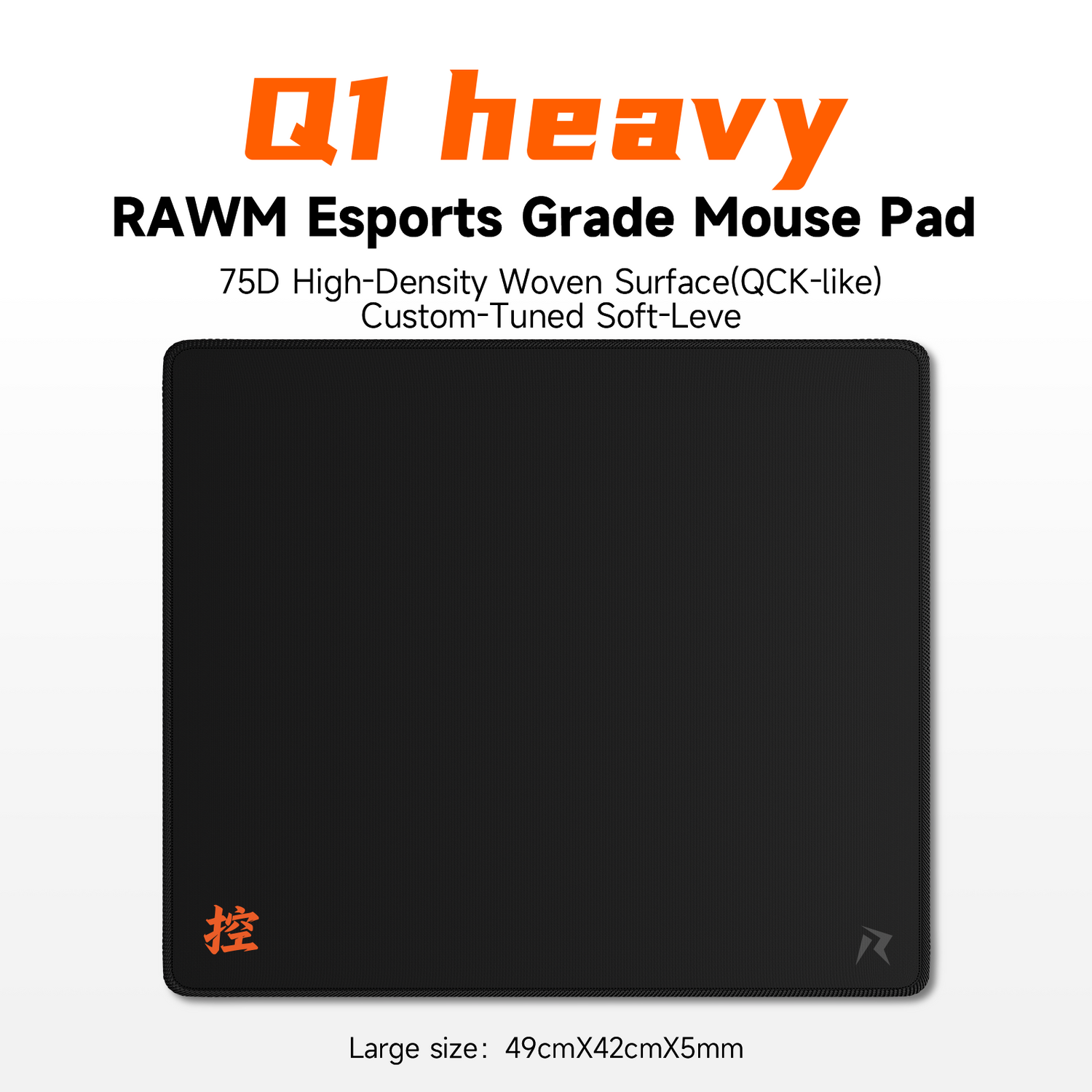
Travel surfaces can vary, though. Hotel desks, glass tables, and uneven surfaces may affect tracking. Carrying a compact mousepad solves most of these problems and adds very little weight to your bag.
Wireless interference is rarely an issue. Bluetooth and 2.4GHz wireless connections are designed to coexist with Wi-Fi, keyboards, and other devices. Even in busy environments like airports or conferences, connection stability remains solid.
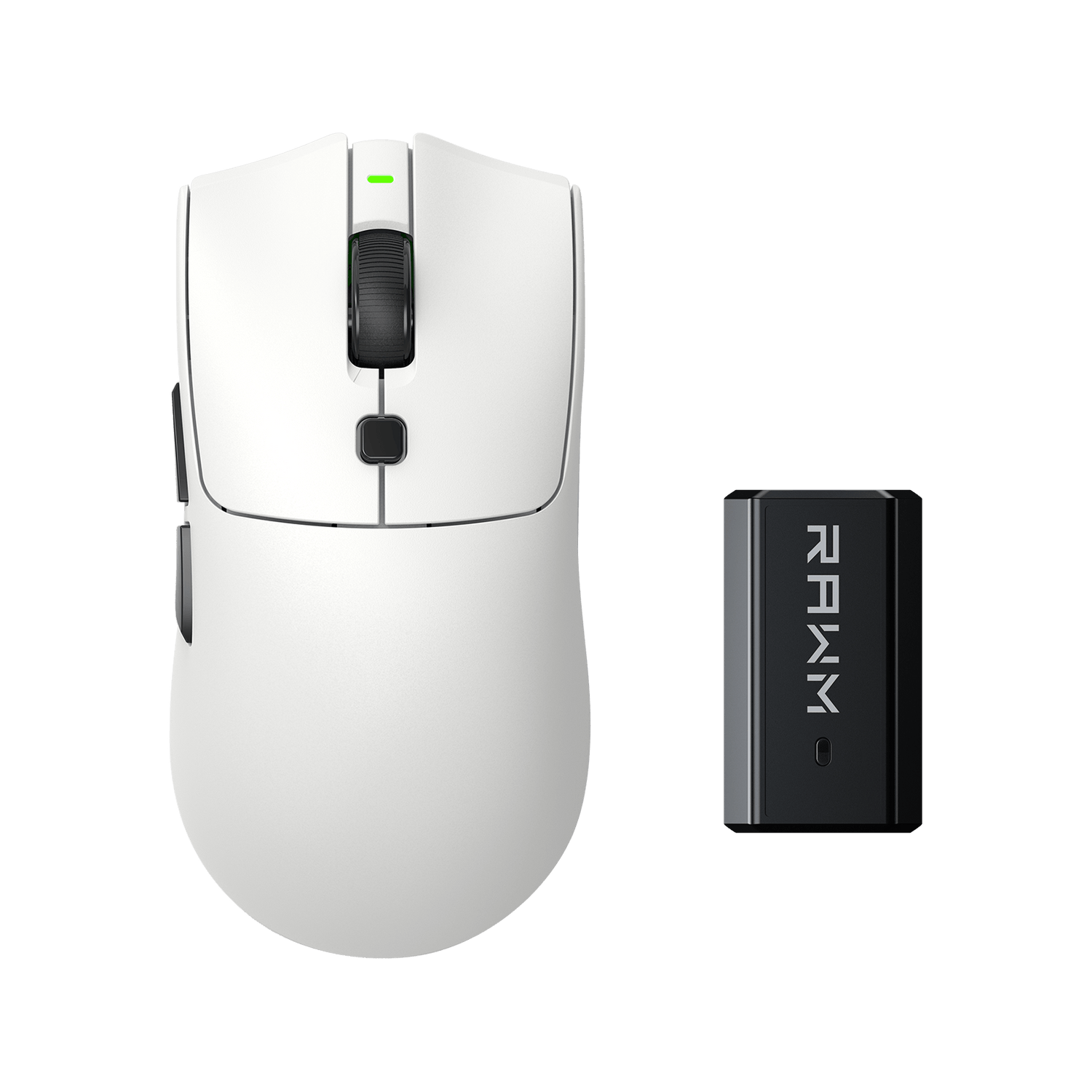
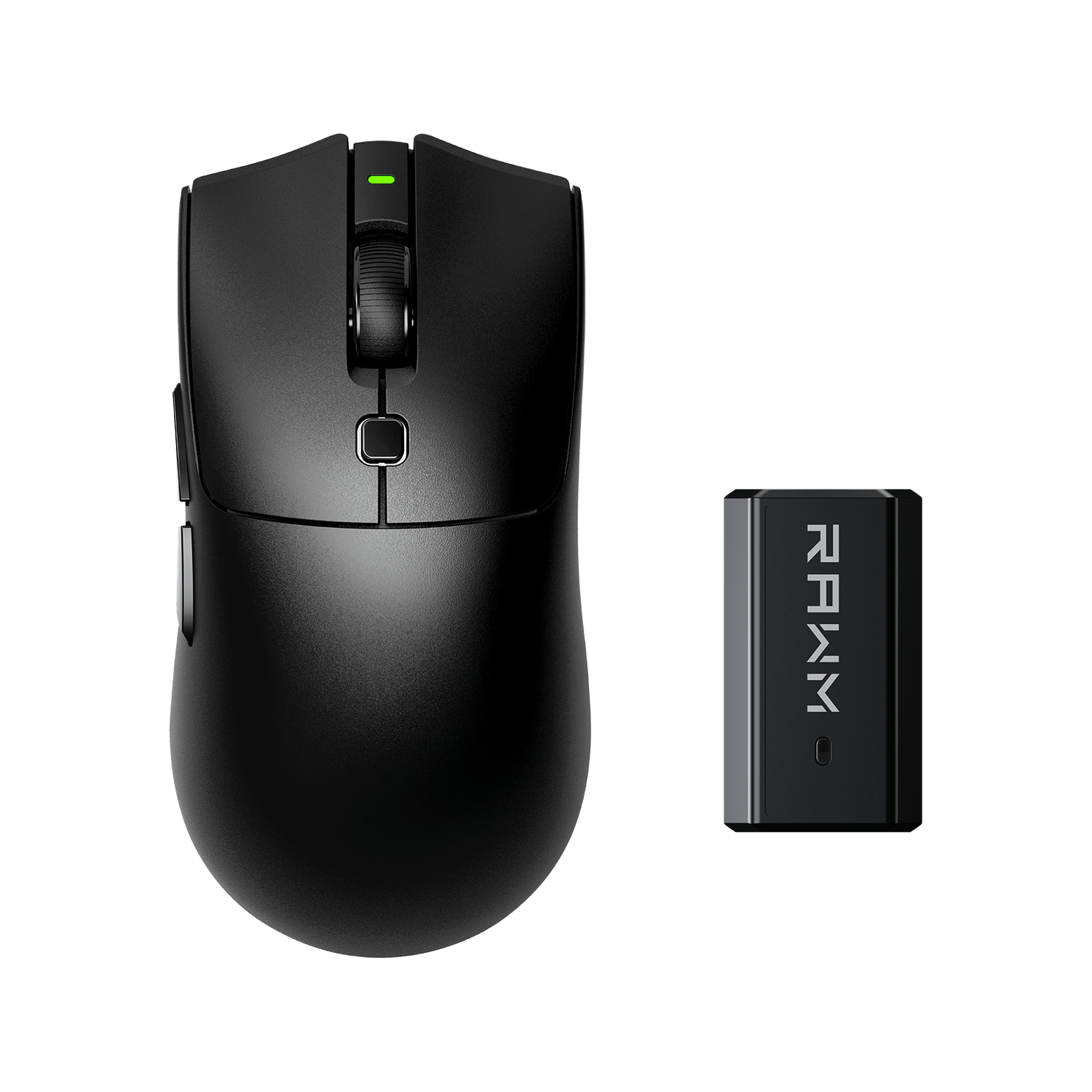
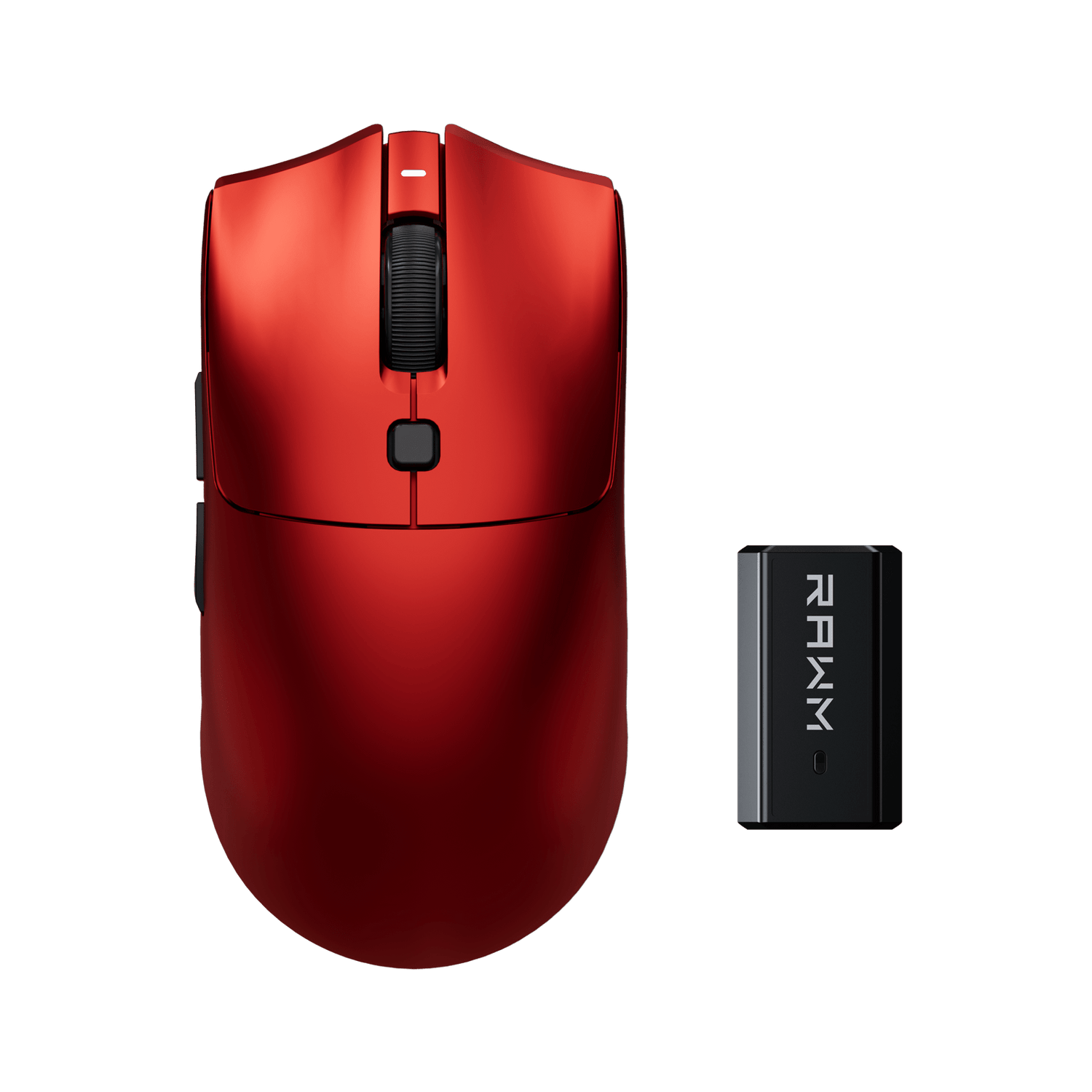
If performance matters for gaming during travel, choosing a mouse with a high-quality sensor and consistent wireless implementation makes a noticeable difference. For example, a well-tuned wireless gaming mouse such as the RAWM Leviathan V4 demonstrates how modern wireless performance can remain reliable even outside a home setup, while still being compact enough for travel.
5. Compatibility with laptops, tablets, and consoles
One of the strengths of traveling with a wireless mouse is broad compatibility. Most laptops support USB receivers out of the box, and many also support Bluetooth. This allows you to connect without installing drivers, which is especially useful on work machines or shared devices.
Tablets and lightweight laptops benefit significantly from a wireless mouse. Touchpads can be limiting for precise tasks, and a mouse restores desktop-level control in a portable form.
Some travelers also use wireless mice with consoles or handheld gaming devices when away from home. Compatibility depends on the device and the game, but in many cases, a standard USB receiver works without issues.
Switching between devices is another advantage. Many wireless mice support multi-device pairing, letting you move from laptop to tablet with a button press. This is particularly useful for travelers who work across multiple platforms.
6. Protecting your wireless mouse during travel
Proper storage is essential to keep a wireless mouse in good condition. A small hard case or padded pouch prevents pressure damage and protects buttons and scroll wheels from accidental clicks.
Before packing, turning the mouse off or enabling travel mode prevents battery drain and unintended input. Some mice automatically enter sleep mode, but a physical power switch adds extra peace of mind.
Cleaning the mouse before travel is also a good habit. Dust and debris can interfere with sensors, especially when moving between different environments. A quick wipe ensures consistent tracking wherever you use it.
If you travel frequently, choosing a mouse with a solid build and proven reliability pays off over time. Frequent packing and unpacking can expose weak points in poorly designed models.
7. Is a wireless mouse worth bringing on trips?
For most people, the answer is yes. A wireless mouse improves comfort, productivity, and control compared to relying solely on a laptop touchpad. The benefits are even more noticeable for gamers, designers, and anyone who spends extended time on a computer.
The key is choosing a mouse that balances performance, battery life, and portability. When these factors align, a wireless mouse becomes one of the most useful travel accessories you can bring.
Whether you are traveling for work, leisure, or gaming, a reliable wireless mouse helps maintain consistency in how you interact with your devices, no matter where you are.
What type of travel do you usually do, and how important is having your own mouse setup when you are away from home?
>>See also What DPI range is realistic? >>>>>