ATX vs MicroATX vs Mini-ITX: Choosing the Right Motherboard Size for Your PC Build
- 1. What is a Motherboard and Why Does Size Matter?
- 2. ATX vs MicroATX vs Mini-ITX: A Quick Comparison
- 3. ATX Motherboards: Best for High-Performance Builds
- 4. MicroATX Motherboards: Budget-Friendly and Versatile
- 5. Mini-ITX Motherboards: Compact and Space-Saving
- 6. ATX vs MicroATX vs Mini-ITX: Which One Should You Choose?
- 7. Finding the Right Motherboard for Your Build

When building a custom PC, selecting the right motherboard size is crucial for compatibility, performance, and future upgrades. The three most common motherboard form factors—ATX, MicroATX, and Mini-ITX—each have distinct advantages and limitations.
Whether you’re a gamer, content creator, or casual user, understanding the differences between these motherboard types will help you make the best choice for your PC build. In this guide, we’ll compare ATX, MicroATX, and Mini-ITX motherboards in terms of size, expansion slots, connectivity, and ideal use cases.
1. What is a Motherboard and Why Does Size Matter?
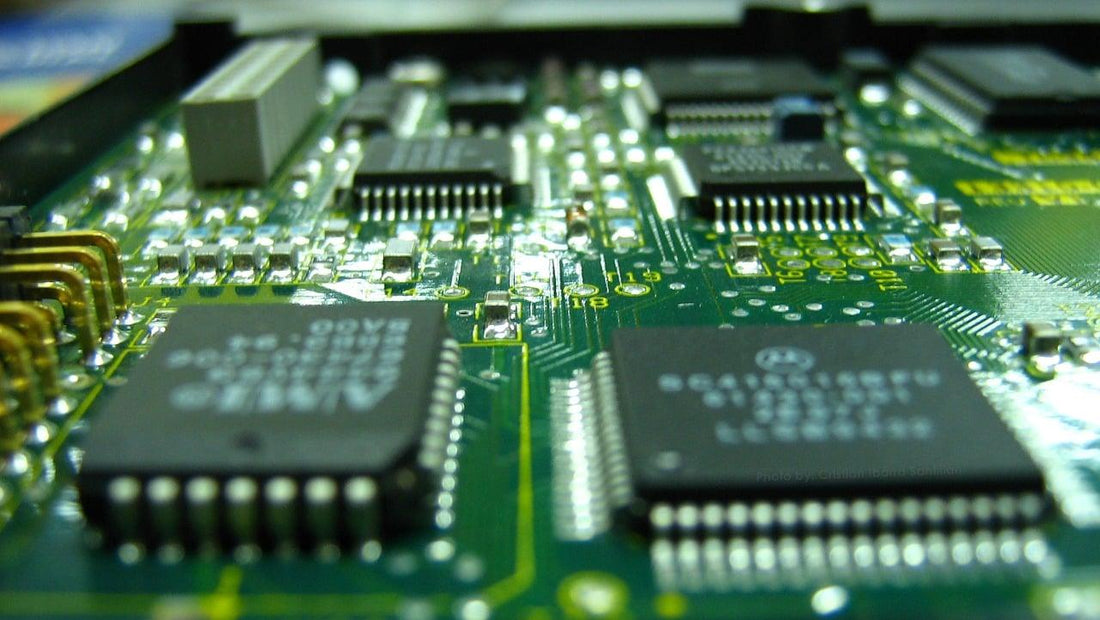
A motherboard is the main circuit board in a computer that connects all essential components, including the CPU, RAM, GPU, storage, and peripherals. The form factor (size) of a motherboard determines:
✔ Case Compatibility – Larger motherboards require bigger PC cases.
✔ Expansion Options – The number of PCIe slots and RAM slots vary by size.
✔ Cooling and Performance – More space means better airflow and larger heatsinks.
✔ Upgrade Potential – ATX motherboards generally support more upgrades.
Choosing the right motherboard size ensures that your PC meets your performance and space requirements.
2. ATX vs MicroATX vs Mini-ITX: A Quick Comparison
Before diving into details, here’s a quick comparison of the three motherboard sizes:
| Feature | ATX | MicroATX | Mini-ITX |
|---|---|---|---|
| Size (cm) | 30.5 × 24.4 | 24.4 × 24.4 | 17.0 × 17.0 |
| PCIe Slots | 4–7 | 2–4 | 1 |
| RAM Slots | 4–8 | 2–4 | 2 |
| SATA Ports | 6–8 | 4–6 | 2–4 |
| M.2 Slots | 2–4 | 1–3 | 1–2 |
| Ideal For | High-end builds | Budget gaming, workstations | Compact PC, HTPC |
Now, let’s explore each motherboard type in detail.
3. ATX Motherboards: Best for High-Performance Builds
What is an ATX Motherboard?
ATX (Advanced Technology eXtended) motherboards are the standard full-size option for most gaming and high-performance PCs. They offer the most expansion slots, making them ideal for multi-GPU setups, extra storage, and additional cooling solutions.
Pros of ATX Motherboards
✅ More PCIe slots for multiple GPUs and expansion cards.
✅ Supports up to 8 RAM slots for high memory capacity.
✅ Better connectivity options with more USB and SATA ports.
✅ Excellent airflow and cooling potential due to larger size.
Cons of ATX Motherboards
❌ Requires a larger case, limiting compact build options.
❌ More expensive compared to MicroATX and Mini-ITX.
Who Should Choose an ATX Motherboard?
✔ Hardcore gamers who need multi-GPU setups.
✔ Content creators requiring extra PCIe slots for video editing cards.
✔ Enthusiasts planning extensive upgrades and overclocking.
4. MicroATX Motherboards: Budget-Friendly and Versatile
What is a MicroATX Motherboard?
MicroATX (mATX) motherboards are smaller than ATX but still offer a good balance between expandability and affordability. They fit into most mid-tower and mini-tower cases, making them a popular choice for budget gaming PCs and office builds.
Pros of MicroATX Motherboards
✅ More affordable than ATX, offering great value for money.
✅ Compatible with smaller cases, providing better versatility.
✅ Still includes multiple PCIe slots and up to 4 RAM slots.
Cons of MicroATX Motherboards
❌ Fewer expansion slots than ATX (usually 2–4 PCIe slots).
❌ Slightly less airflow due to compact size.
Who Should Choose a MicroATX Motherboard?
✔ Gamers looking for a budget-friendly yet powerful motherboard.
✔ Office and workstation users needing basic expandability.
✔ PC builders working with mid-tower or compact cases.
5. Mini-ITX Motherboards: Compact and Space-Saving
What is a Mini-ITX Motherboard?
Mini-ITX motherboards are the smallest mainstream form factor, designed for small form factor (SFF) PCs. They prioritize compactness and portability, making them ideal for mini-PC builds and home theater setups.
Pros of Mini-ITX Motherboards
✅ Ultra-compact size, ideal for small cases.
✅ Energy-efficient with lower power consumption.
✅ Perfect for HTPCs (Home Theater PCs) and portable gaming builds.
Cons of Mini-ITX Motherboards
❌ Limited PCIe slots (usually only 1).
❌ Supports only 2 RAM slots, capping memory expansion.
❌ Higher cooling challenges due to compact layout.
Who Should Choose a Mini-ITX Motherboard?
✔ Users building small and portable PCs.
✔ Gamers wanting a compact yet powerful system.
✔ Home theater enthusiasts needing a low-power setup.
Get more out of your game with RAWM HUB
6. ATX vs MicroATX vs Mini-ITX: Which One Should You Choose?
Choose ATX if you need:
✔ Maximum expansion slots and RAM support.
✔ A future-proof motherboard with upgrade potential.
✔ High-end gaming and workstation performance.
Choose MicroATX if you need:
✔ A budget-friendly yet capable motherboard.
✔ Decent expandability in a smaller case.
✔ A good balance between cost and performance.
Choose Mini-ITX if you need:
✔ A compact PC for small spaces.
✔ A portable gaming or HTPC build.
✔ Lower power consumption and minimal expansion needs.
7. Finding the Right Motherboard for Your Build
Selecting between ATX, MicroATX, and Mini-ITX motherboards depends on your performance needs, budget, and case size. ATX is best for power users, MicroATX is ideal for budget-conscious gamers, and Mini-ITX is perfect for compact builds.
No matter your choice, ensuring compatibility with your PC case, power supply, and components will help you create the perfect custom PC.
Now that you know the differences, which motherboard size will you choose for your next PC build? Let us know in the comments! 🚀
>>See also How to Access and Use Windows Task Manager?