Which One is Best for Your Computing Needs, Trackpad or Mouse?
- 1. What is the Difference Between a Trackpad and a Mouse?
- 2. Pros and Cons of Using a Trackpad
- 3. Pros and Cons of Using a Mouse
- 4. Trackpad vs. Mouse: Which One Is Best for Your Computing Needs?
-
5. Which Is Right for You—Trackpad or Mouse?

Choosing the Right Input Device for Your Computer
When it comes to using your computer, one of the first decisions you make is which input device to use: the trackpad or the mouse. While both options serve the same purpose—navigating your operating system, clicking through programs, and interacting with the software—there are distinct advantages and disadvantages to each.
Whether you’re a gamer, a graphic designer, or simply someone who uses a computer for daily tasks, the choice between a trackpad and a mouse can impact your productivity and comfort. But which one is the right choice for your computing needs?
Let's explore the key differences between the trackpad and the mouse, and help you determine which device is best suited for your specific needs.
1. What is the Difference Between a Trackpad and a Mouse?
Understanding the Trackpad
A trackpad, also known as a touchpad, is a built-in input device commonly found on laptops. It allows users to control the cursor by moving their finger across its surface. Some trackpads also feature multi-touch capabilities, enabling gestures like pinch-to-zoom, swipe, and more.
-
Portability: Since trackpads are integrated into laptops, they’re very portable and convenient, requiring no external hardware.
-
Multi-Touch Gestures: Modern trackpads support multi-touch gestures, allowing for intuitive actions like scrolling, zooming, and switching between apps.
Understanding the Mouse
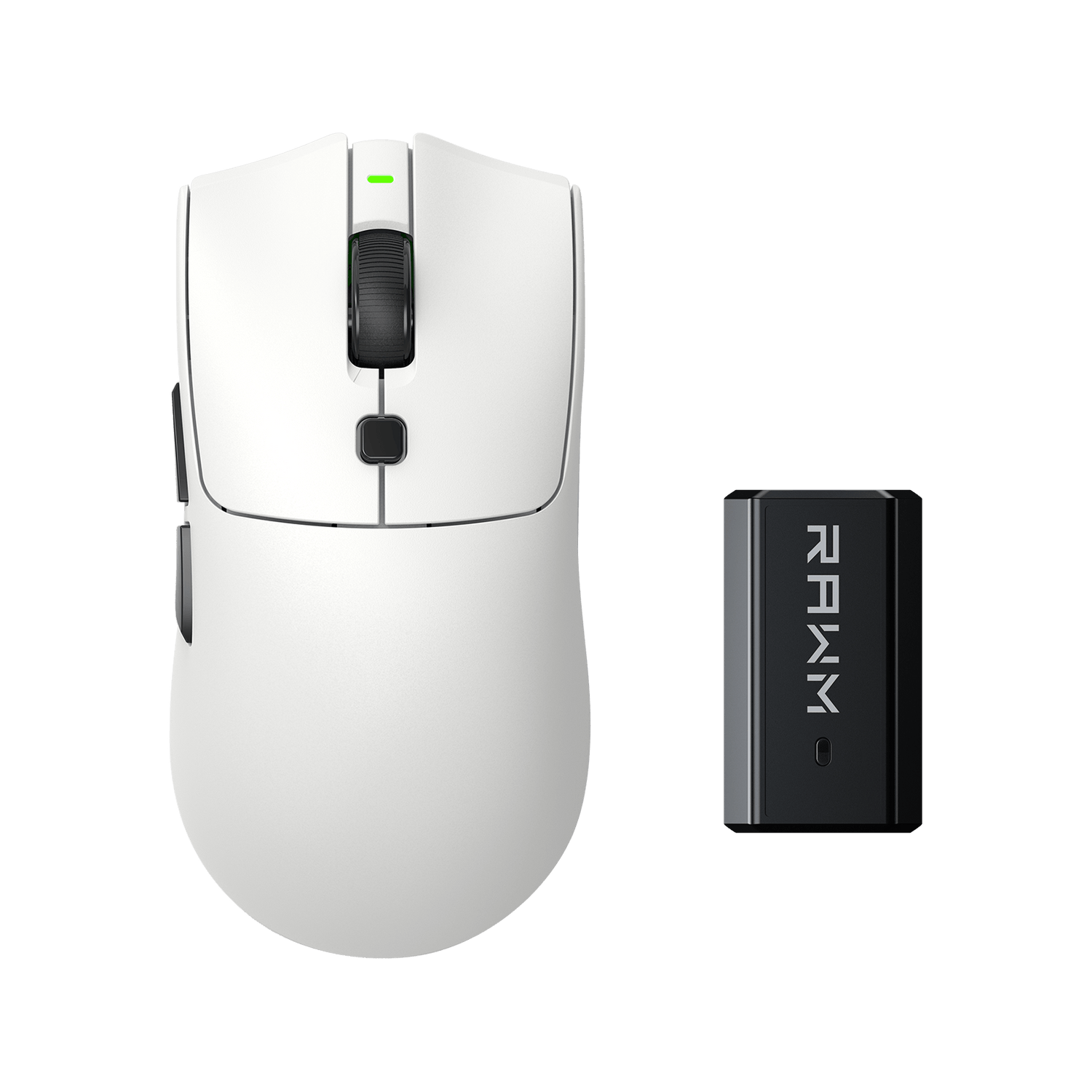
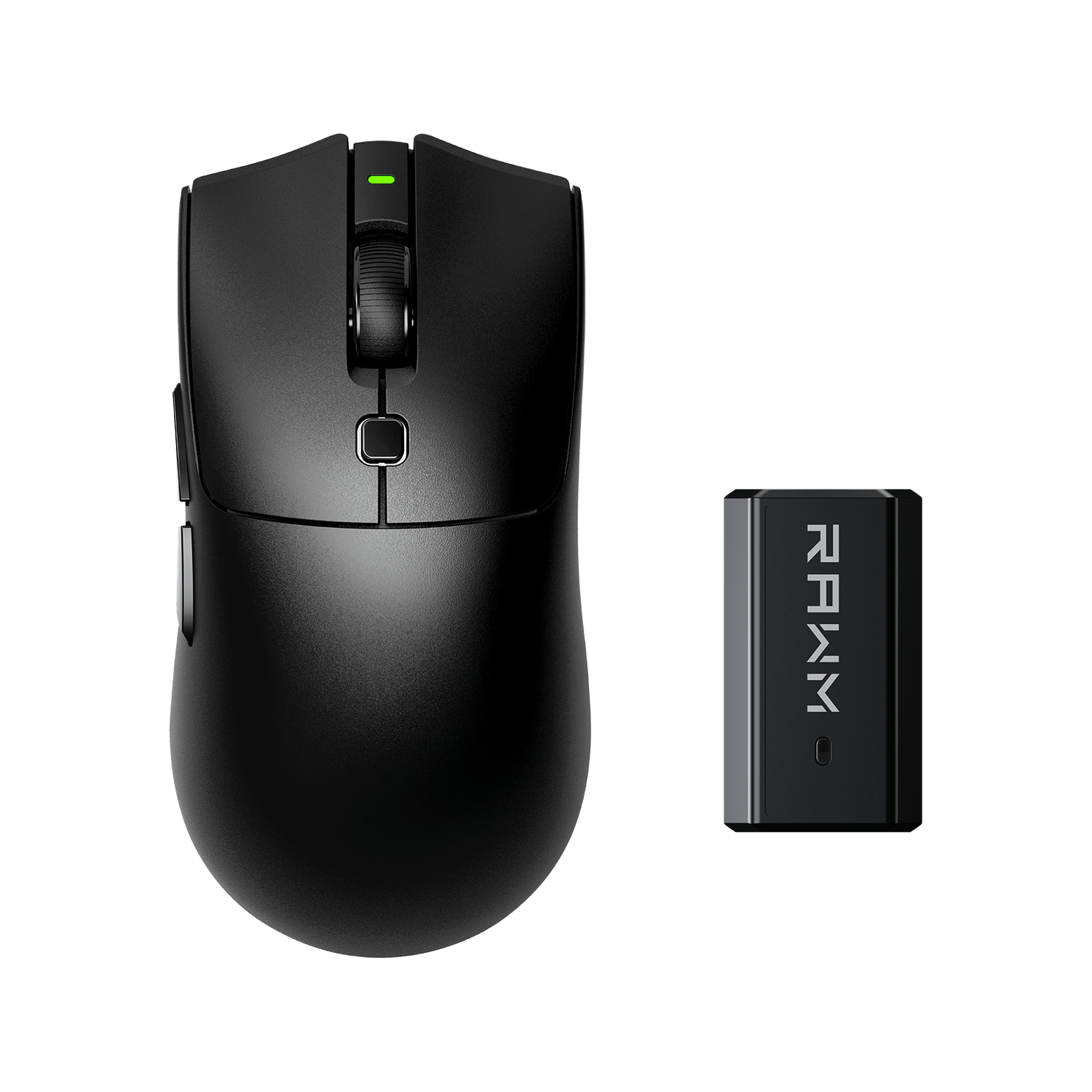
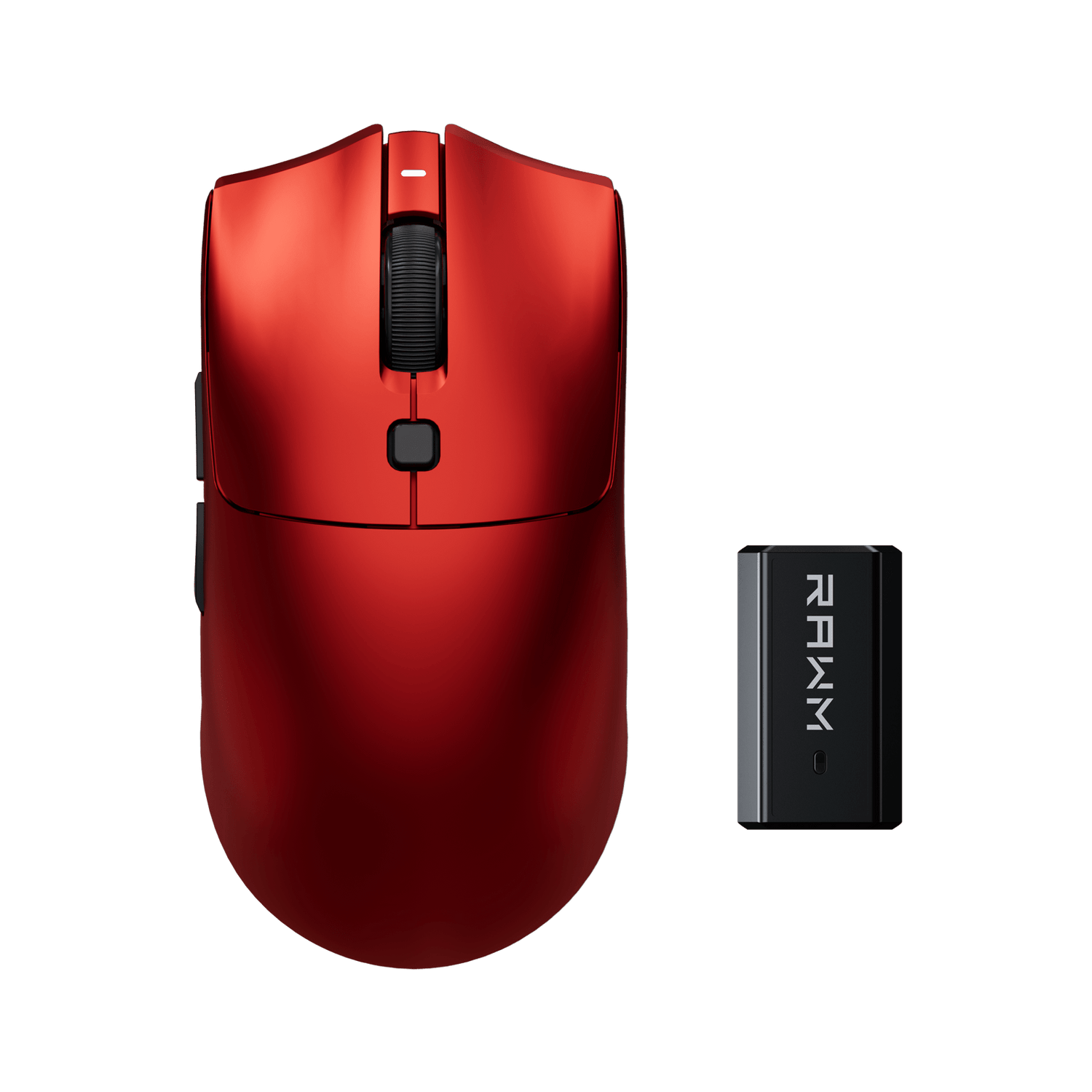
A mouse is an external input device typically used with desktop computers, though it can also be used with laptops. It operates through physical movements over a surface and is usually connected via USB or wirelessly through Bluetooth.
-
Precision: The mouse is known for its precision, making it the preferred choice for gamers, designers, and users who require more accurate cursor control.
-
Ergonomics: Mice often come in ergonomic designs, making them more comfortable for extended use compared to trackpads.
2. Pros and Cons of Using a Trackpad
Advantages of a Trackpad
-
Compact and Integrated: The trackpad is built into most laptops, which means no extra equipment is needed. It’s perfect for on-the-go computing and for users who don’t want additional peripherals.
-
Convenient Gestures: Multi-touch functionality on trackpads allows for gestures like scrolling, swiping, and zooming, which can be intuitive for tasks such as browsing or editing documents.
-
Portability: Since the trackpad is already integrated into your laptop, you don’t have to carry around an extra device. It’s easy to use anywhere.
Disadvantages of a Trackpad
-
Less Precision: Trackpads are generally less precise than mice, especially for tasks that require fine control, such as gaming, photo editing, or graphic design.
-
Ergonomics: Using a trackpad for long periods can cause discomfort, especially if you’re required to make repetitive movements. This is particularly true for users with larger hands.
3. Pros and Cons of Using a Mouse
Advantages of a Mouse
-
High Precision: A mouse provides much better precision than a trackpad, making it ideal for gamers, designers, and anyone who needs accurate control, such as in video editing or CAD.
-
Ergonomics: Many mice are designed for comfort, offering ergonomic shapes that reduce wrist strain. Some even come with customizable buttons for added functionality.
-
Speed and Control: A mouse allows for quicker and more controlled movements, especially when you need to select items on a screen with accuracy, which is why it’s a favorite among gamers.
Disadvantages of a Mouse
-
Not Built-In: Unlike trackpads, mice require an external device, meaning you need to have space for it on your desk and can’t use it easily on-the-go unless you’re using a wireless mouse.
-
Less Portable: While mice are portable, they’re not as convenient as the integrated trackpad that comes with laptops. Plus, you need to carry around an extra item and sometimes even a mousepad.
4. Trackpad vs. Mouse: Which One Is Best for Your Computing Needs?
For Casual Computing
For everyday tasks like browsing the web, sending emails, and using social media, a trackpad is often sufficient. It offers convenience, portability, and a range of multi-touch gestures that make tasks like scrolling and zooming effortless. If you value portability and have a laptop, the trackpad may be the perfect option for you.
For Gaming
When it comes to gaming, a mouse is the clear winner. Mice are designed for precision, speed, and control, making them the preferred input device for FPS and MOBA games. A high-DPI gaming mouse provides the sensitivity and accuracy needed for competitive gameplay. A trackpad simply doesn’t offer the same level of responsiveness required for serious gaming.
For Professional Work (Design, Photo Editing, CAD)
For tasks that require precision, such as graphic design, photo editing, or working in CAD software, a mouse is far superior. The accuracy and customization options available with mice make them a must-have for designers and other professionals in visual fields. A trackpad can’t provide the fine-tuned control needed for complex tasks.
For Portability and Travel
If you’re always on the go, a trackpad might be the better choice. Since trackpads are integrated into laptops, there’s no need to carry around extra equipment. For casual use or when you don’t need precision, the trackpad is a compact and convenient solution for traveling.
| Use Case | Trackpad | Mouse | Best For |
|---|---|---|---|
| Casual Computing | - Built into laptops, convenient for portability. | - Requires an external device, may not be as portable. | - Ideal for browsing, emails, and light computing tasks. |
| Gaming | - Not ideal due to less precision and speed. | - High precision, better control, faster response times. | - Best for FPS, MOBA, and other competitive gaming. |
| Professional Work | - Less suitable for precision work. | - Offers precision and customization for tasks. | - Preferred for graphic design, photo editing, CAD. |
| Portability/Travel | - Highly portable, no additional equipment needed. | - Less portable, requires extra space for the device. | - Great for on-the-go and light computing. |
| Long Sessions | - May cause discomfort during extended use. | - Ergonomically designed mice for comfort during long sessions. | - Ideal for extended use in office work or gaming. |
5. Which Is Right for You—Trackpad or Mouse?
The choice between a trackpad and a mouse depends on your computing needs. For casual computing, a trackpad is convenient and portable. For gaming, graphic design, and professional work, a mouse provides the precision and control required for these tasks. Ultimately, both devices have their merits, and the choice will depend on your preferences and what you plan to use your computer for.
If you’re looking for a device that excels in precision, comfort, and speed, investing in a high-quality gaming mouse is the way to go. However, for casual users who prioritize portability, the trackpad offers the perfect solution.
Do you prefer using a trackpad or a mouse for your daily computing needs? Share your thoughts and experiences with us in the comments below!
>>See also What Is Motion Sync Technology on a Gaming Mouse and How Does It Improve Performance? >>>>>