How to test input lag?
- What input lag really means in gaming
- Simple ways to test input lag at home
- Using software tools to measure input lag
- Hardware factors that affect input lag
- How settings influence input lag results
- Interpreting results and improving responsiveness

Input lag is one of the most overlooked factors affecting gaming performance, yet it plays a major role in how responsive and precise gameplay feels. Even with a high refresh rate monitor and a fast PC, excessive input lag can create a subtle delay between your actions and what happens on screen. Over time, this delay can disrupt aim, timing, and overall confidence.
Testing input lag does not require a professional lab or expensive equipment. With the right approach, it is possible to identify delay sources, compare devices, and improve responsiveness using practical methods that work at home. Understanding how input lag behaves across hardware and software setups helps players make better decisions and fine-tune their experience.
1. What input lag really means in gaming
Input lag refers to the time it takes for a physical action, such as clicking a mouse button or moving the cursor, to result in a visible response on the screen. This delay includes multiple stages: device processing, signal transmission, system processing, and display response.
In gaming, even a small delay can feel noticeable. Fast-paced genres such as FPS, rhythm games, and competitive action titles demand immediate feedback. When input lag is high, actions may feel “floaty,” inconsistent, or slightly behind intention.
It is important to distinguish input lag from latency or network lag. Network latency affects online communication between players and servers, while input lag is a local issue that exists even in offline games. Testing input lag focuses on the local chain between your hands and your display.
2. Simple ways to test input lag at home
One of the most accessible ways to test input lag is by using visual comparison methods. Recording gameplay with a high-frame-rate camera or smartphone allows you to capture both the input action and the on-screen response. By stepping through the footage frame by frame, you can estimate the delay between the physical click and the visual reaction.
Another method is using built-in game tools or training modes that provide real-time feedback. Aim trainers, rhythm games, and timing-based challenges often expose input lag through inconsistent hit registration or delayed responses. While these methods are less precise, they are useful for relative comparisons.
Mouse movement tests are also effective. Slowly moving the mouse and observing cursor tracking can reveal micro-stutters or delayed acceleration. Consistency matters more than absolute numbers, especially when comparing different settings or devices.
3. Using software tools to measure input lag
Several software tools can help estimate input lag more accurately. Input timing utilities, latency analyzers, and frame-time monitoring software provide insight into how long each stage of the input chain takes.
Some tools display click timestamps and correlate them with frame updates, allowing users to identify processing delays. Others monitor system latency by analyzing how input events are handled by the operating system and GPU.
While software tools are helpful, they should be used consistently. Testing under the same conditions, with the same system load and background processes, ensures meaningful results. Small changes in settings can otherwise distort measurements.
4. Hardware factors that affect input lag
Input lag is not controlled by a single component. The mouse, USB polling rate, CPU scheduling, GPU rendering, and monitor refresh behavior all contribute to the final delay.
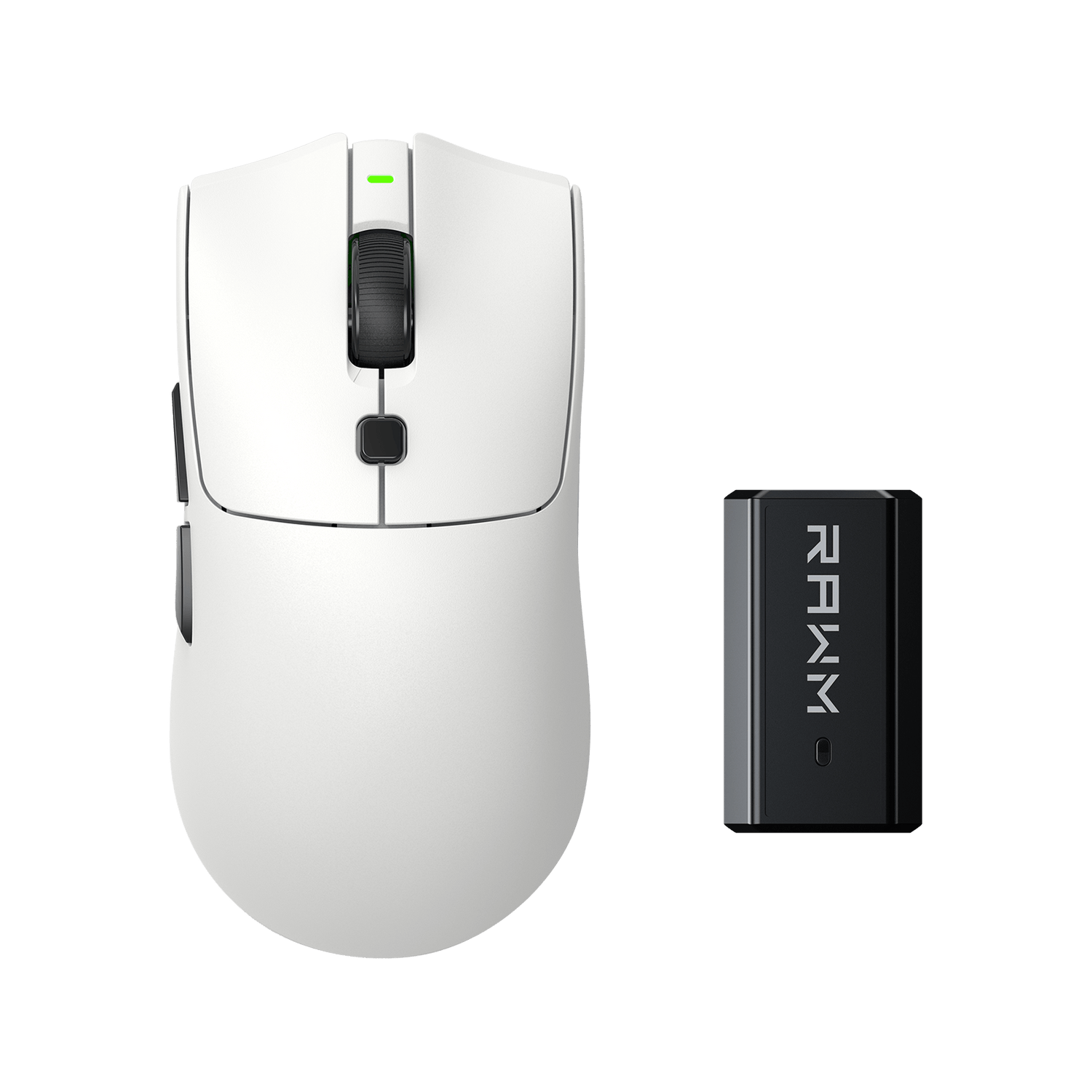
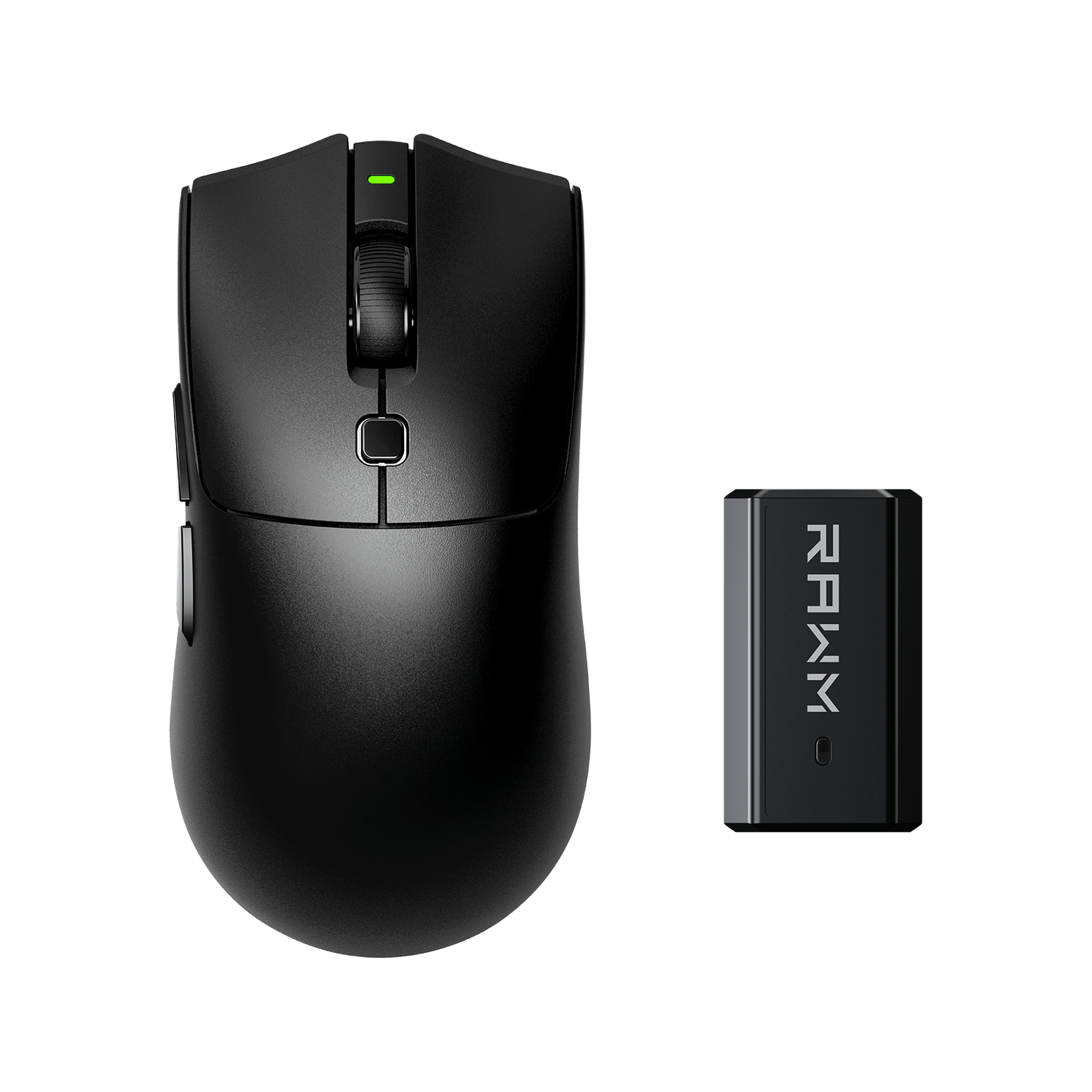
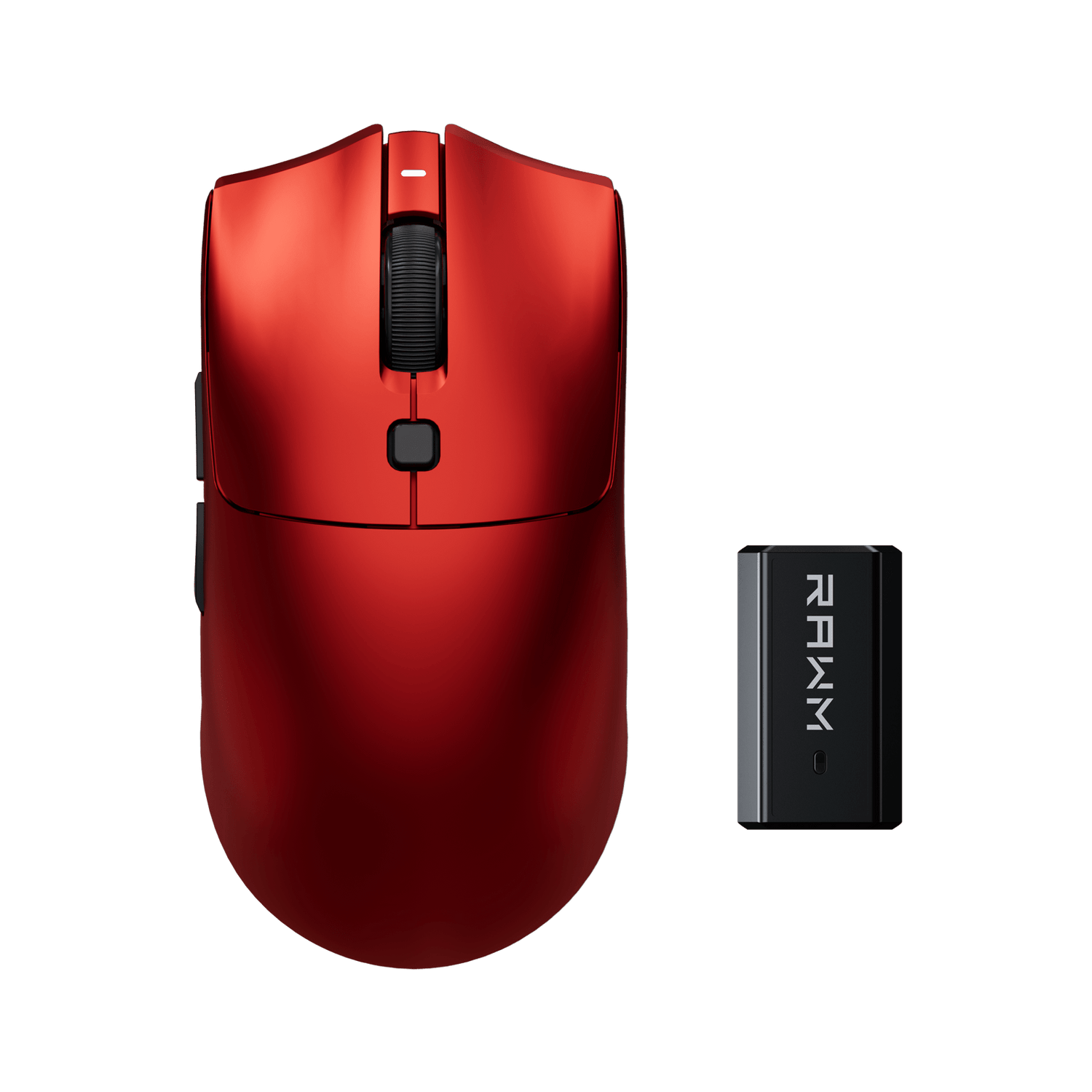
Mice with higher polling rates typically report input more frequently, reducing the time between action and signal delivery. Sensors, switches, and firmware optimization also influence responsiveness. A well-optimized wireless mouse, such as the RAWM ER21PRO, shows how modern designs can achieve low input lag without relying on cables, especially when paired with stable wireless technology and efficient firmware.
Displays play a major role as well. Even if input reaches the system quickly, a slow panel response or image processing delay can add noticeable lag. Testing input lag should always consider the full setup rather than isolating one device.
5. How settings influence input lag results
Software settings can significantly change input lag behavior. V-sync, frame limiters, and post-processing effects often add delay in exchange for visual smoothness. Disabling unnecessary features during testing provides a clearer picture of raw responsiveness.
Operating system settings, such as mouse acceleration, USB power management, and background applications, can also interfere with input timing. Consistent testing requires minimizing variables and keeping system conditions stable.
Game-specific settings matter too. Some engines buffer input differently depending on frame rate and performance load. Testing input lag in multiple scenarios helps identify whether issues are global or limited to certain titles.
6. Interpreting results and improving responsiveness
Input lag testing is most useful when used for comparison. Rather than focusing on a single number, comparing results across different settings, devices, or configurations reveals meaningful patterns.
If testing shows high or inconsistent input lag, improvements often come from small changes. Adjusting polling rate, reducing background load, updating drivers, or switching display modes can all reduce delay. Hardware upgrades should be considered only after optimizing software and settings.
Understanding how input lag behaves helps players build trust in their setup. When responsiveness feels consistent, muscle memory develops more naturally, and performance becomes more reliable across sessions.
Have you ever noticed changes in responsiveness after adjusting settings or switching devices, and which testing method gave you the clearest results?
>>See also Can I travel with a wireless mouse? >>>>>