Can Hand Exercises Improve Mouse Aim?
- How Hand Control Affects Mouse Aim
- Can Exercises Actually Improve Precision and Coordination?
- Which Hand Exercises Are Useful for Gamers?
- Does Your Mouse Grip Change Which Exercises Matter?
- Is Hand Strength More Important Than Relaxation?
- Why Exercises Cannot Replace Actual Aim Training
- How to Build a Better Routine for Mouse Aim

Improving mouse aim is often treated as a matter of sensitivity settings, DPI, mouse shape, or hours spent in an aim trainer. Those factors certainly matter, but there is another part of the equation that is easy to overlook: your hands and how well they control the mouse.
Every flick, tracking adjustment, and micro-correction depends on coordinated movement between your fingers, wrist, forearm, and sometimes your entire arm. When your hand becomes tense or fatigued, even a well-configured gaming setup can start to feel inconsistent.
That leads to an interesting question: can hand exercises actually improve mouse aim?
The answer is yes, but with an important qualification. Hand exercises are unlikely to directly make someone a better aimer overnight. They cannot replace deliberate practice or compensate for poor sensitivity settings. What they can do is support the physical skills behind precise mouse control, including mobility, coordination, endurance, and awareness of unnecessary tension.
For players who spend long hours playing FPS games, improving the way the hands and arms move may help create a more sustainable and consistent aiming routine.
1. How Hand Control Affects Mouse Aim
Mouse aiming is a combination of visual processing and physical movement. Your eyes identify a target, your brain decides how to react, and your hand translates that decision into movement.
Even a simple aiming sequence can involve several different physical actions. You may need to move the mouse quickly toward an opponent, stop at exactly the right moment, track a moving target, and then make several tiny corrections while maintaining your crosshair position.
These movements require coordination rather than brute strength.
Your fingers may control small adjustments, while your wrist and forearm contribute to larger movements. Players who use very low sensitivity may involve more of the arm, while higher sensitivity settings often rely more heavily on the wrist and fingers.
Because of this, the physical condition of your hand can influence how comfortable and consistent your aim feels.
A hand that becomes stiff after an hour of gaming may struggle to maintain the same level of precision as it had at the beginning of the session. Likewise, a player who grips the mouse too tightly may introduce unnecessary tension that makes fine movements harder.
This is one reason hand exercises can be useful. They may help maintain mobility and encourage better awareness of how much tension you are using while gaming.
However, it is important not to confuse physical conditioning with actual aim skill. Hand exercises can support the physical side of mouse control, but the ability to consistently hit targets still comes from practicing the specific movements required by your game.
Think of exercises as supporting your training rather than replacing it.
2. Can Exercises Actually Improve Precision and Coordination?
The most realistic benefit of hand exercises is improved movement awareness and coordination.
Mouse control requires your fingers to make small, controlled movements while your wrist and arm remain stable. This becomes especially important when performing micro-adjustments, where moving the mouse only a few millimeters can determine whether your crosshair stays centered on a target.
Exercises that encourage controlled finger movement may help you become more aware of how your hand moves.
For example, gently moving individual fingers or performing slow finger-tapping patterns can encourage independent control. This does not directly train FPS aim, but it can help you pay closer attention to how your fingers interact with the mouse.
Coordination is particularly relevant for players who use fingertip grip. Since the palm has little or no contact with the mouse, fingertip players often rely heavily on their fingers for positioning and corrections.
Players using palm or claw grip may use different combinations of finger, wrist, and arm movement, but coordination remains important regardless of grip style.
There is also the issue of unnecessary tension.
Many players tighten their grip during intense moments without realizing it. When an opponent suddenly appears, the hand may instinctively squeeze the mouse harder. That extra tension can make movement less fluid and may contribute to fatigue during longer sessions.
Learning to recognize and reduce unnecessary tension can be more valuable than simply trying to strengthen the hand.
A relaxed hand is generally easier to move precisely than one that is constantly clenched.
That doesn't mean you should hold the mouse loosely or allow it to slide around. The goal is to maintain enough pressure for stable control while avoiding excessive force.

3. Which Hand Exercises Are Useful for Gamers?
Gamers generally don't need a complicated exercise program to support mouse control. Simple, gentle movements are often enough to encourage mobility and reduce stiffness caused by prolonged mouse use.
One basic option is simply opening and closing the hand slowly. This moves the fingers through a comfortable range and provides a break from the constant gripping position used while gaming.
Finger extension movements can also be useful. Slowly spreading the fingers apart and relaxing them encourages movement in directions that aren't commonly used while holding a mouse.
Gentle wrist mobility exercises are another option. Slowly moving the wrist through a comfortable range can help break up long periods of static positioning.
Players can also try simple coordination movements, such as touching each fingertip to the thumb one at a time. Performing this slowly and deliberately focuses on control rather than speed.
A simple routine might include:
-
Slowly opening and closing the hand
-
Gently spreading and relaxing the fingers
-
Moving individual fingers in sequence
-
Performing comfortable wrist movements
-
Relaxing the hand between exercises
-
Taking regular breaks during long gaming sessions
The important word is gentle.
The purpose of these movements is not to exhaust your hands or turn your gaming routine into a strength-training session. Aggressive stretching or excessive repetitive exercises can potentially create more discomfort rather than less.
If any movement causes pain, numbness, or persistent discomfort, stop and avoid pushing through it.
For most gamers, the bigger goal is simply to avoid staying in exactly the same position for hours without a break.
Even a short pause away from the mouse can help reset your posture and give your hands an opportunity to relax.
| Approach | Main Benefit | Best For |
|---|---|---|
| Hand Mobility Exercises | Supports comfortable movement | Long gaming sessions |
| Finger Coordination Exercises | Improves movement awareness | Fingertip grip users |
| Aim Training | Builds game-specific aiming skills | FPS players |
| Regular Breaks | Helps manage fatigue | Extended sessions |
| Grip Adjustment | Reduces unnecessary tension | Players with tight grips |
4. Does Your Mouse Grip Change Which Exercises Matter?
Your grip style influences how you control the mouse, so it can also influence where you experience tension or fatigue.
With a palm grip, most of the hand rests on the mouse. The larger contact area can provide stability, while bigger movements often come from the wrist and forearm.
Palm grip users may benefit from paying attention to overall wrist and forearm mobility, particularly if they use a low sensitivity that requires larger movements.
A claw grip combines palm contact with a more active finger position. The fingers remain arched, which can make rapid clicking and micro-adjustments easier.
For claw grip users, finger mobility and relaxation may be particularly important because the fingers remain in an active position for long periods.
A fingertip grip uses the least contact with the mouse. The palm generally remains off the shell, and the fingers provide much of the control.
This can allow excellent agility but may also place more responsibility on the fingers. Players who use fingertip grip may find coordination and finger mobility exercises particularly relevant.
However, there is no universal exercise routine for each grip.
The best approach is to identify where you actually experience fatigue or tension.
If your fingers become tired, examine your grip pressure and mouse size. If your wrist feels stiff, consider your wrist position and desk height. If your entire arm becomes fatigued, check whether your sensitivity and available mouse space are forcing you to make unnecessarily large movements.
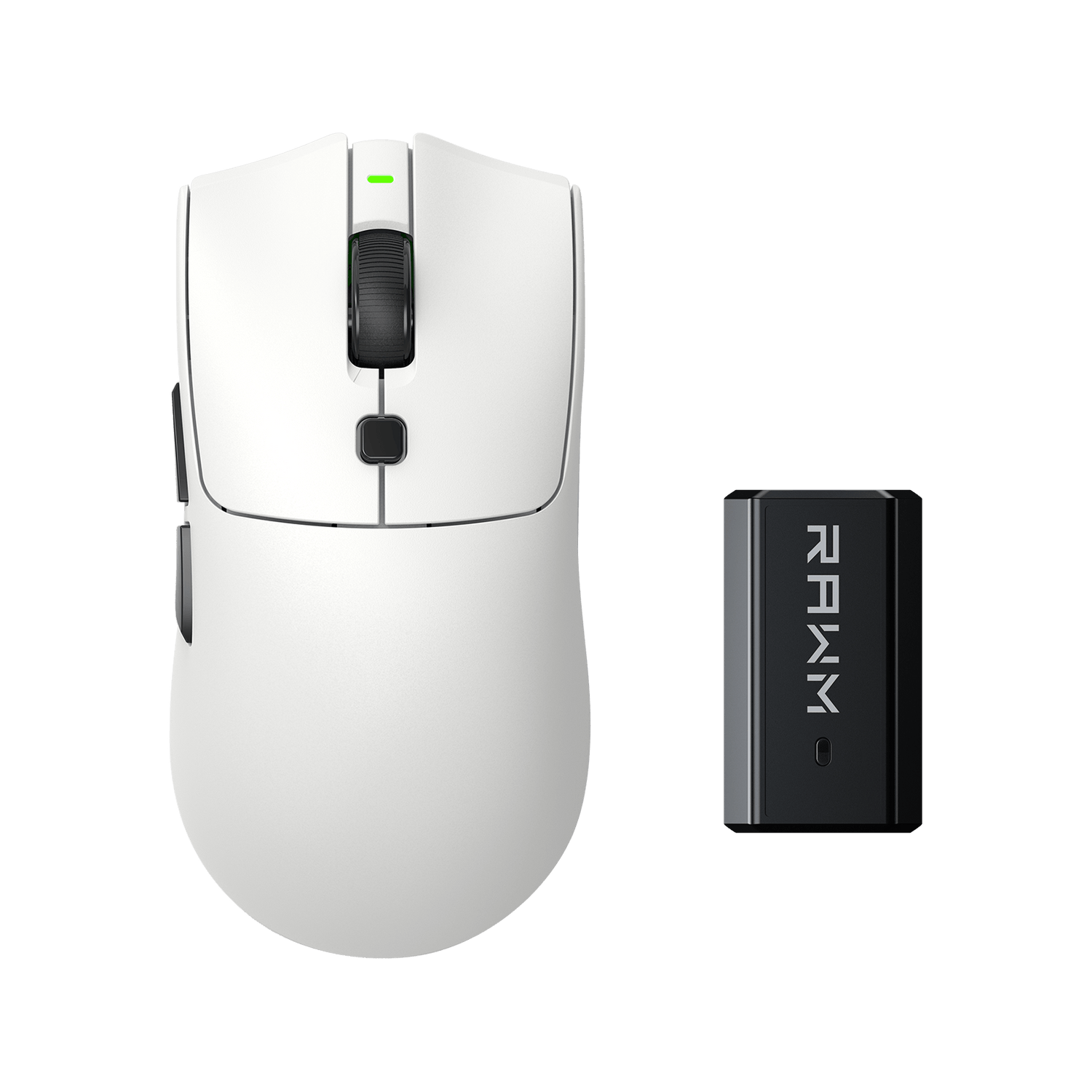
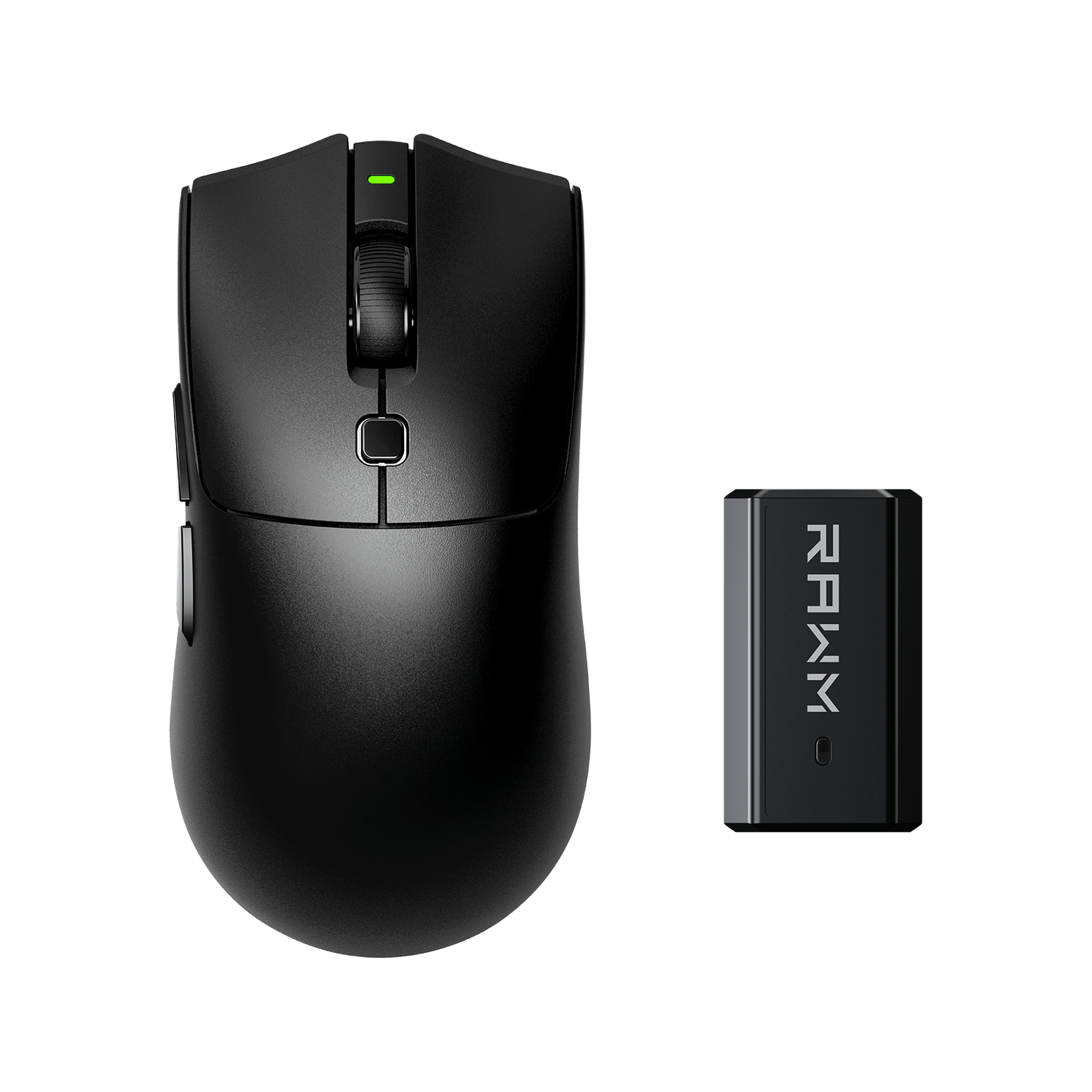
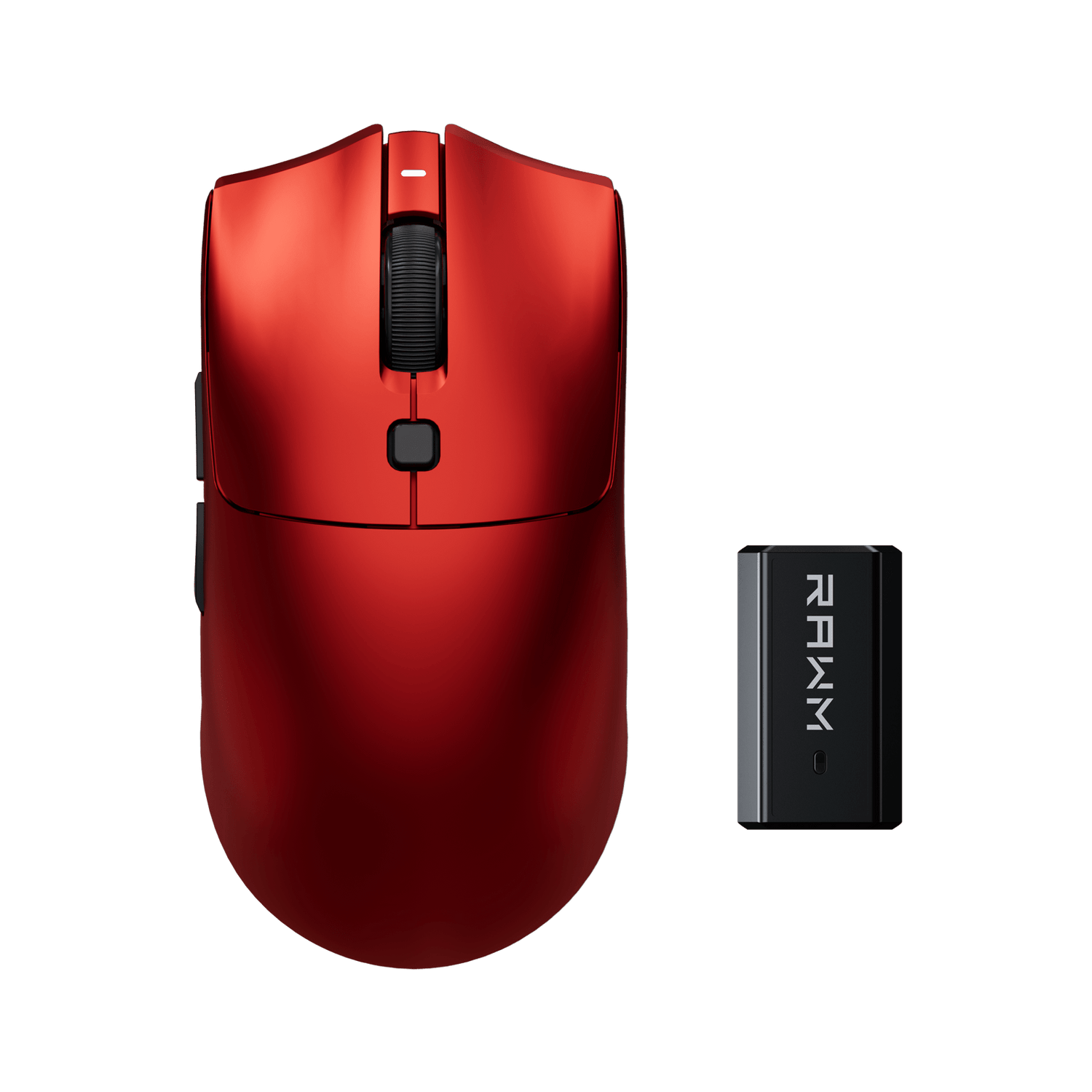
Your hardware can also influence how much effort is required to maintain control. A mouse that matches your hand size and grip style naturally reduces the need to compensate for an uncomfortable shape. For players looking for an ergonomic option with a design focused on stable hand positioning, the ER21PRO can be considered as part of a comfortable gaming setup.
The key is to treat grip, hardware, posture, and physical habits as parts of the same system.
5. Is Hand Strength More Important Than Relaxation?
A common misconception is that stronger hands automatically lead to better mouse aim.
In reality, aiming is primarily a precision task. You don't need to generate a large amount of force to move a mouse accurately. In many cases, excessive force can make movement less smooth.
Imagine trying to track an opponent while squeezing the mouse tightly. Your fingers may become tense, and small corrections can feel less fluid. The harder you grip, the more effort may be required to change direction quickly.
This is why relaxation and endurance may be more useful than maximum hand strength.
A player who can maintain a comfortable grip for several hours may perform more consistently than someone who has strong hands but becomes tense after a short session.
Endurance matters because competitive gaming often involves repeated movements over extended periods. Your first match of the day may feel excellent, while your aim becomes less consistent after several hours.
Fatigue can influence:
-
Fine motor control
-
Reaction speed
-
Movement consistency
-
Grip pressure
-
Concentration
This doesn't necessarily mean you need to train your hands harder. Instead, it may be more useful to manage fatigue before it becomes a problem.
Regular breaks are one of the simplest solutions.
Getting away from the mouse for a few minutes allows your hands and arms to change position and relax. Even if you feel completely comfortable, occasional breaks can help prevent you from spending an entire gaming session in one static posture.
The objective is to build a routine you can maintain comfortably rather than trying to push through increasing fatigue.

6. Why Exercises Cannot Replace Actual Aim Training
Even the best hand exercises cannot directly teach you how to aim.
Mouse aim is a highly specific motor skill. If you want to improve at a competitive FPS, you need to practice the movements that appear in that game.
Depending on the title, this might include:
-
Flick shots
-
Target tracking
-
Micro-adjustments
-
Target switching
-
Recoil control
-
Crosshair placement
These abilities develop through repetition and feedback.
Aim trainers can be useful because they isolate specific skills and allow you to repeat them consistently. However, simply spending more time training isn't always better.
If you continue practicing after becoming extremely tired, your movements may become less precise. You may also start compensating for fatigue with poor technique.
A focused 20-minute session can sometimes be more productive than an unfocused session that continues for hours.
A balanced routine might involve a short warm-up, focused practice, and then actual gameplay. Hand mobility exercises can be performed before or after gaming as a supporting habit.
The most important thing is consistency.
Changing your DPI every day, switching between multiple sensitivities, or constantly changing your mouse can make it difficult to develop stable movement patterns.
Once you find a comfortable configuration, give yourself time to adapt to it.
Your aim improvement will usually come from a combination of:
-
Consistent settings
-
Deliberate practice
-
Comfortable hardware
-
Good posture
-
Adequate rest
-
Relaxed movement
Hand exercises are only one small part of that equation.

7. How to Build a Better Routine for Mouse Aim
If your goal is to improve your mouse aim, the best approach is to think beyond the mouse itself.
Start with your physical setup.
Make sure your mouse fits your hand and that your grip doesn't require excessive pressure. Your desk should provide enough room for the movements required by your sensitivity. Your wrist and forearm should be positioned comfortably rather than held at an awkward angle.
Then look at your settings.
Choose a DPI and sensitivity combination that allows you to make both large movements and small corrections comfortably. Once you find something that works, avoid changing it constantly.
Next, build a consistent practice routine.
Instead of focusing exclusively on long sessions, prioritize quality. Spend time practicing specific weaknesses and pay attention to how your aim changes as you become tired.
If your performance drops significantly after extended sessions, the solution may not be more practice. You may need better breaks, improved posture, a different mouse shape, or a more comfortable grip.
Hand exercises can complement this process by helping maintain mobility and encouraging you to become more aware of tension.
They are particularly useful as a reminder to take care of the physical side of gaming. A player who pays attention to comfort is more likely to notice when they are gripping too tightly, sitting awkwardly, or playing for too long without a break.
Ultimately, improving mouse aim isn't about developing the strongest possible hands. It's about creating a reliable connection between your eyes, brain, and hand while maintaining enough comfort to repeat precise movements consistently.
Hand exercises may help support that process, especially when combined with proper equipment and deliberate practice. They won't replace aim training, but they can become a useful part of a healthier and more sustainable gaming routine.
The best aim setup is one that allows you to stay accurate without constantly fighting your own hardware or physical discomfort.
Do you think your mouse aim would improve more from hand exercises, better equipment, or simply spending more time practicing?
>>See also What is the best mouse for fingertip grip? >>>>>