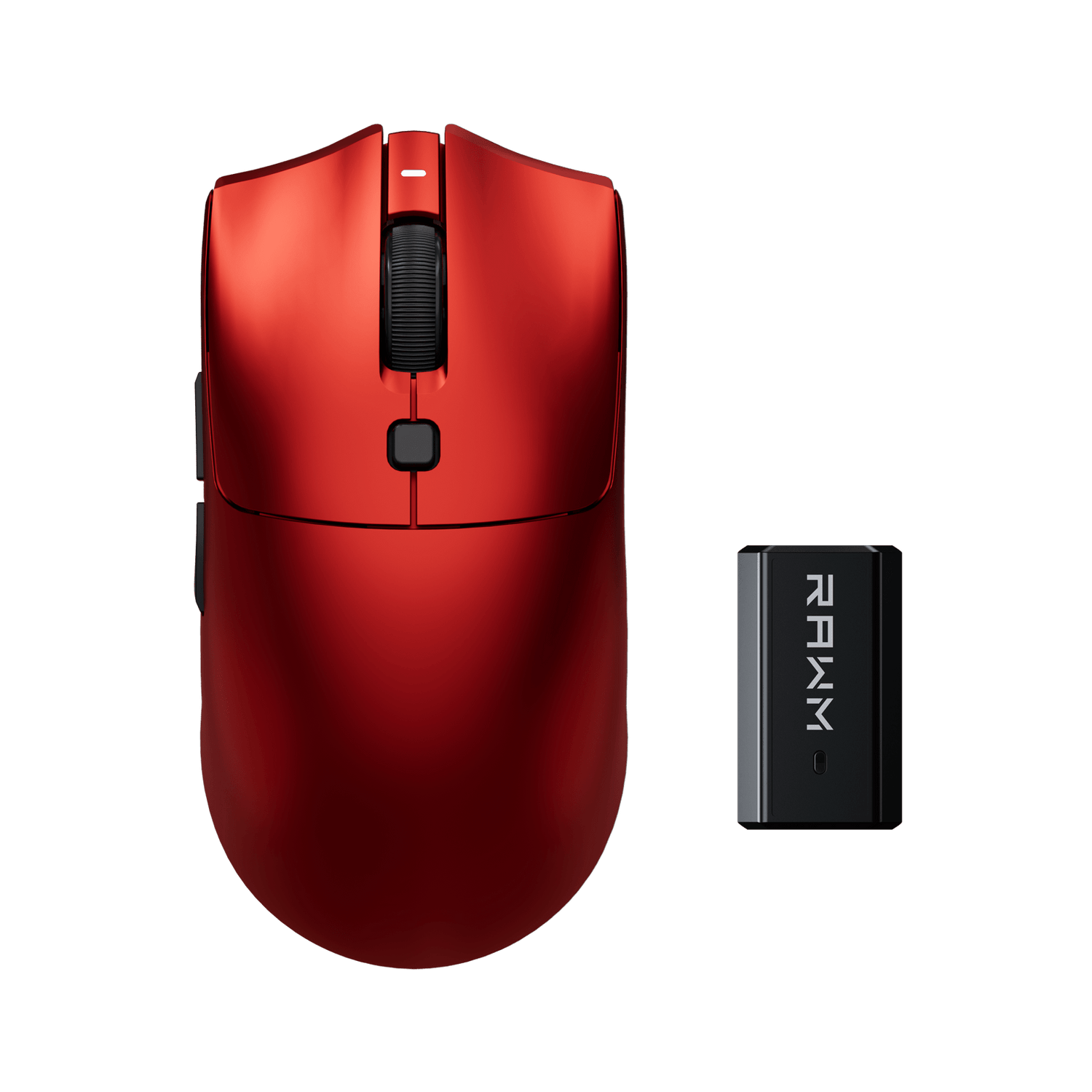
Optimizing Your Gameplay: Discovering the Best DPI for Gaming
- 1. Understanding DPI: The Basics
- 2. Low DPI Settings: Precision Over Speed
- 3. Medium DPI Settings: Balancing Act
- 4. High DPI Settings: Speed Over Precision
- 5. DPI Recommendations by Game Genre
- 6. Factors Influencing DPI Selection
- 7. Adjusting DPI Settings: A Step-by-Step Guide
-
8. Common Mistakes to Avoid

In the competitive world of gaming, every millisecond counts. One crucial yet often overlooked factor that can significantly impact your performance is the best DPI for gaming. DPI, or Dots Per Inch, determines how sensitive your mouse is, affecting your in-game precision and responsiveness.
Understanding and selecting the best DPI for gaming tailored to your playstyle can be the difference between victory and defeat. This guide delves deep into DPI settings, helping you make informed decisions to elevate your gaming experience.
1. Understanding DPI: The Basics
DPI stands for Dots Per Inch, a measurement of mouse sensitivity. A higher DPI means the cursor moves further with less physical movement, while a lower DPI offers more precise control. Selecting the best DPI for gaming depends on various factors, including game genre, personal preference, and monitor resolution.
2. Low DPI Settings: Precision Over Speed
Low DPI settings, typically ranging from 400 to 800, are favored by players who prioritize accuracy over rapid movements. This range is often considered the best DPI for gaming in titles that demand precise aiming.
Advantages:
-
Enhanced precision for tasks requiring meticulous control.
-
Reduced cursor jitter, leading to steadier aim.
-
Ideal for large mousepads, allowing broad movements.
Disadvantages:
-
Requires more extensive hand movements, potentially causing fatigue.
-
May be less responsive in fast-paced scenarios.
3. Medium DPI Settings: Balancing Act
Medium DPI settings, ranging from 800 to 1600, offer a balance between speed and precision. This range is often recommended as the best DPI for gaming for those who play a variety of game genres.
Advantages:
-
Versatility across multiple game types.
-
Suitable for both precision tasks and rapid movements.
-
Comfortable for most users without extensive adjustments.
Disadvantages:
-
May not provide the specialized control needed for certain high-precision tasks.
-
Could be too sensitive for users accustomed to low DPI settings.
4. High DPI Settings: Speed Over Precision
High DPI settings, typically above 1600, cater to gamers who value swift cursor movements. While not traditionally considered the best DPI for gaming in precision-focused titles, they can be advantageous in specific scenarios.
Advantages:
-
Rapid cursor movement with minimal hand motion.
-
Beneficial for high-resolution displays where more screen space needs to be covered.
-
Useful in genres requiring quick reflexes.
Disadvantages:
-
Reduced precision, potentially leading to overshooting targets.
-
Can be challenging to control, especially for new users.
5. DPI Recommendations by Game Genre
Different game genres benefit from varying DPI settings. Here's a table outlining the best DPI for gaming based on popular genres:
| Game Genre | Recommended DPI Range |
|---|---|
| First-Person Shooters (FPS) | 400 - 800 |
| Multiplayer Online Battle Arena (MOBA) | 800 - 1600 |
| Real-Time Strategy (RTS) | 1000 - 1200 |
| Massively Multiplayer Online (MMO) | 1000 - 1600 |
| Role-Playing Games (RPG) | 800 - 1600 |
| Action/Adventure | 800 - 1600 |
Note: These are general recommendations. Personal preference and playstyle play significant roles in determining the best DPI for gaming for an individual.
6. Factors Influencing DPI Selection
Several factors can influence your choice of the best DPI for gaming:
-
Monitor Resolution: Higher resolutions may benefit from higher DPI settings to cover more screen space efficiently.
-
Mousepad Size: Larger mousepads accommodate lower DPI settings, allowing broader movements.
-
Hand Movement Style: Wrist movers might prefer higher DPI, while arm movers may lean towards lower DPI for better control.
-
In-Game Sensitivity Settings: Balancing DPI with in-game sensitivity ensures optimal performance.
7. Adjusting DPI Settings: A Step-by-Step Guide
Finding your best DPI for gaming involves experimentation. Here's how to adjust your settings:
-
Start with a Baseline: Begin with a DPI setting of 800, a common starting point for many gamers.
-
Test In-Game: Play your preferred game and assess your performance.
-
Make Incremental Changes: Adjust DPI in small increments (e.g., 100 DPI) and note the differences.
-
Balance with In-Game Sensitivity: Ensure that your in-game sensitivity complements your DPI setting.
-
Practice: Spend time acclimating to new settings before making further changes.

8. Common Mistakes to Avoid
When configuring the best DPI for gaming, avoid these pitfalls:
-
Assuming Higher DPI is Better: Higher DPI isn't always superior; it depends on your gaming needs.
-
Ignoring In-Game Sensitivity: DPI should be balanced with in-game settings for optimal performance.
-
Frequent Changes: Constantly altering DPI can hinder muscle memory development.
-
Neglecting Comfort: Choose settings that feel comfortable over extended periods.
Tailoring DPI to Your Gaming Needs
Selecting the best DPI for gaming is a personal journey influenced by game genre, hardware, and individual preferences. By understanding the implications of different DPI settings and experimenting thoughtfully, you can enhance your gaming performance and enjoyment.
What DPI setting do you use for your favorite game, and why? Share your experiences and preferences in the comments below!
>>See also How to Connect a Wireless Mouse >>>>>