Why do pros use low DPI?
1. The fundamentals
2. How muscle memory works and how the benefits of low DPI in gaming accelerate it
3. The role of mouse sensors
4. Control vs speed
5. Mousepad choice and how it supports the benefits of low DPI in gaming
6. Reducing jitter and overshooting
7. Why most esports titles maximize the benefits of low DPI in gaming through their mechanics

For many gamers, DPI is a mysterious number that seems tied to aim speed and accuracy, yet professional players almost universally prefer lower settings.
Understanding the benefits of low DPI in gaming helps explain why CS2, Valorant, Apex Legends, and Overwatch pros rarely exceed 800 DPI. Their goal is not speed but accuracy. Lower DPI allows players to use larger, smoother arm movements instead of relying purely on the wrist, which leads to refined control. By emphasizing the benefits of low DPI in gaming, players can reduce jitter, improve steadiness, prevent overshooting, and develop reliable long-term aim. With this foundation, let’s break down the science and reasoning behind pro-level sensitivity choices.
1. The fundamentals: Why the benefits of low DPI in gaming matter for precision
The central reason professionals rely on low DPI is precision. With lower DPI, every pixel movement corresponds to a larger physical distance. This gives more micro-control during tracking, flicking, or adjusting crosshair placement.
Key benefits of low DPI in gaming for precision include:
-
Larger arm movements reduce jitter
-
Easier to stop crosshair on target
-
More stable tracking due to smoother motion curves
-
Better alignment with in-game sensitivity scaling
-
Reduced chance of overshooting during flicks
Pros operate under high pressure where even a 1-pixel error matters. The benefits of low DPI in gaming provide consistency that high DPI cannot replicate, especially during micro-corrections. Because low DPI requires more arm involvement, it creates steadier and more deliberate aim patterns.
2. How muscle memory works and how the benefits of low DPI in gaming accelerate it
One of the most overlooked benefits of low DPI in gaming is how it supports long-term muscle memory. When sensitivity is low, the body uses the shoulder and arm as primary control sources. These areas have more stable, repeatable movement than the wrist—leading to stronger aim muscle memory.
Why low DPI helps muscle memory:
| DPI Level | Muscle Groups Used | Stability | Memory Retention |
|---|---|---|---|
| High DPI | Wrist, fingers | Low | Weak |
| Mid DPI | Wrist + forearm | Moderate | Good |
| Low DPI | Arm + shoulder | High | Excellent |
These factors explain why the benefits of low DPI in gaming are embraced by professionals: the larger the movement, the easier it is to reproduce accurately, even under stress. Lower DPI also synchronizes better with control-focused mousepads and high-quality PTFE skates.
3. The role of mouse sensors and why the benefits of low DPI in gaming align with pro-level hardware
Modern sensors are engineered for accuracy at a wide range of DPI levels, but they perform most consistently at moderate to low ranges (400–1600). At extremely high DPI, sensors can amplify hand jitter and surface imperfections.
Why sensors support the benefits of low DPI in gaming:
-
Smoother raw input
-
Less jitter and fewer micro-errors
-
Better tracking on cloth and hybrid pads
-
Lower risk of pixel skipping
-
More predictable movement curves
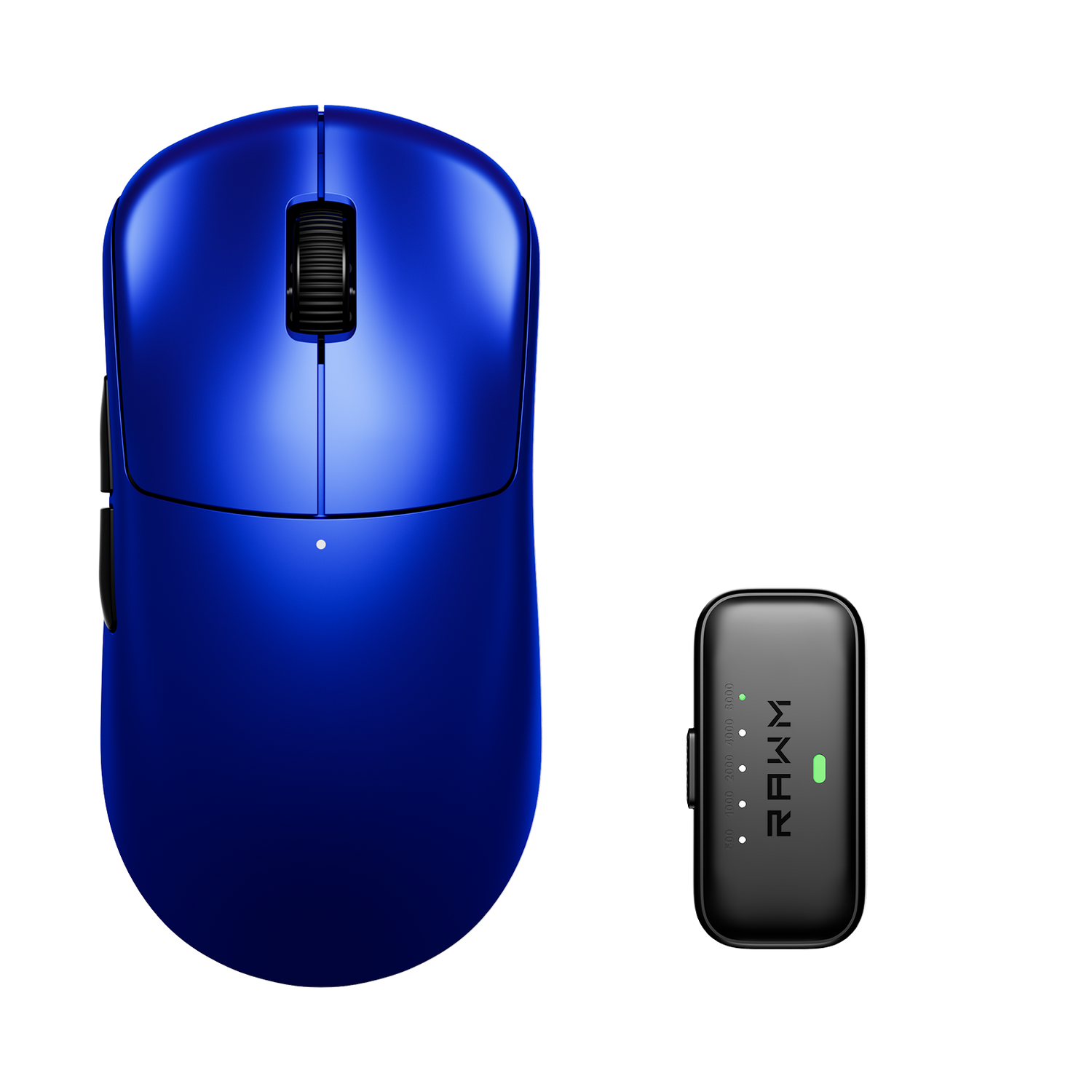
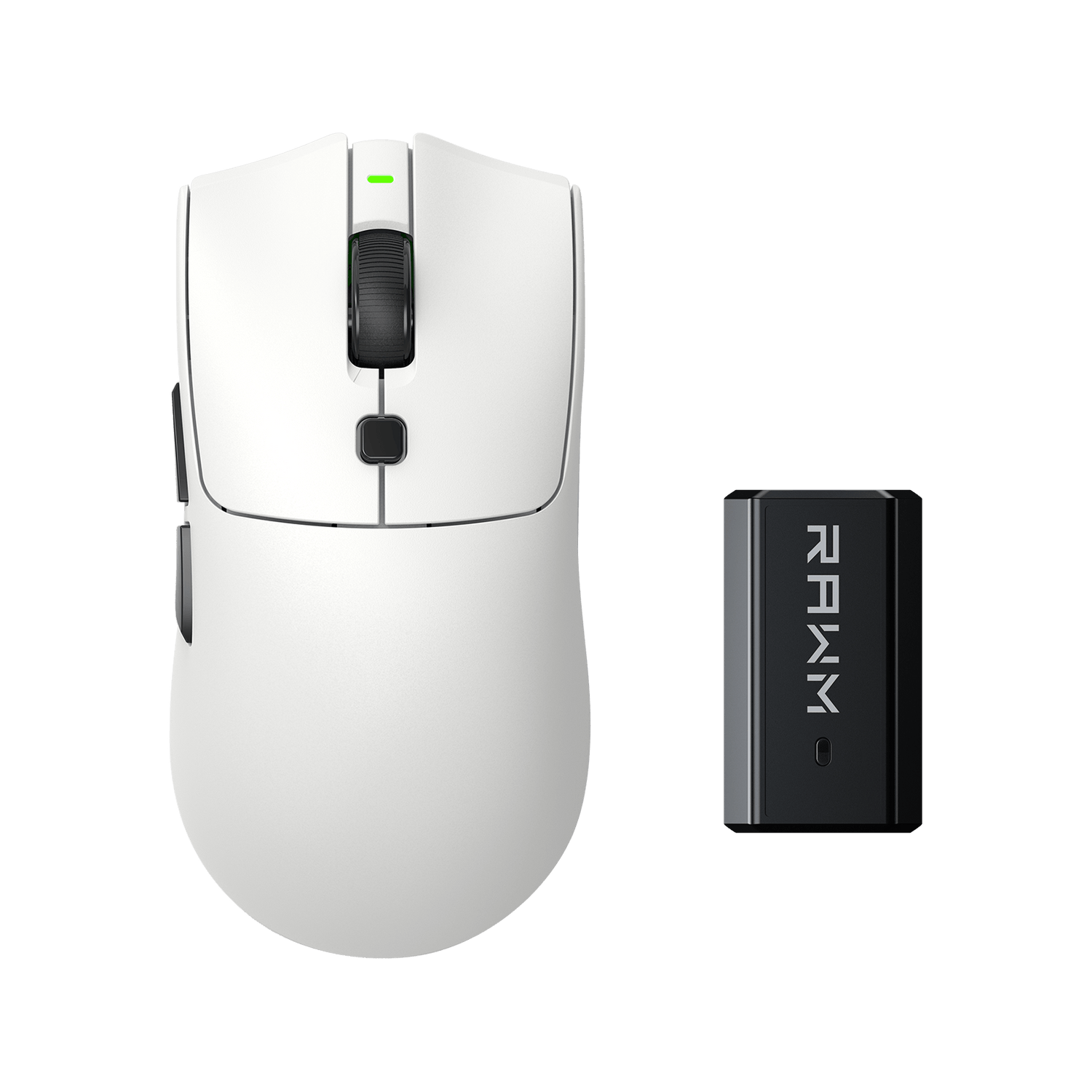
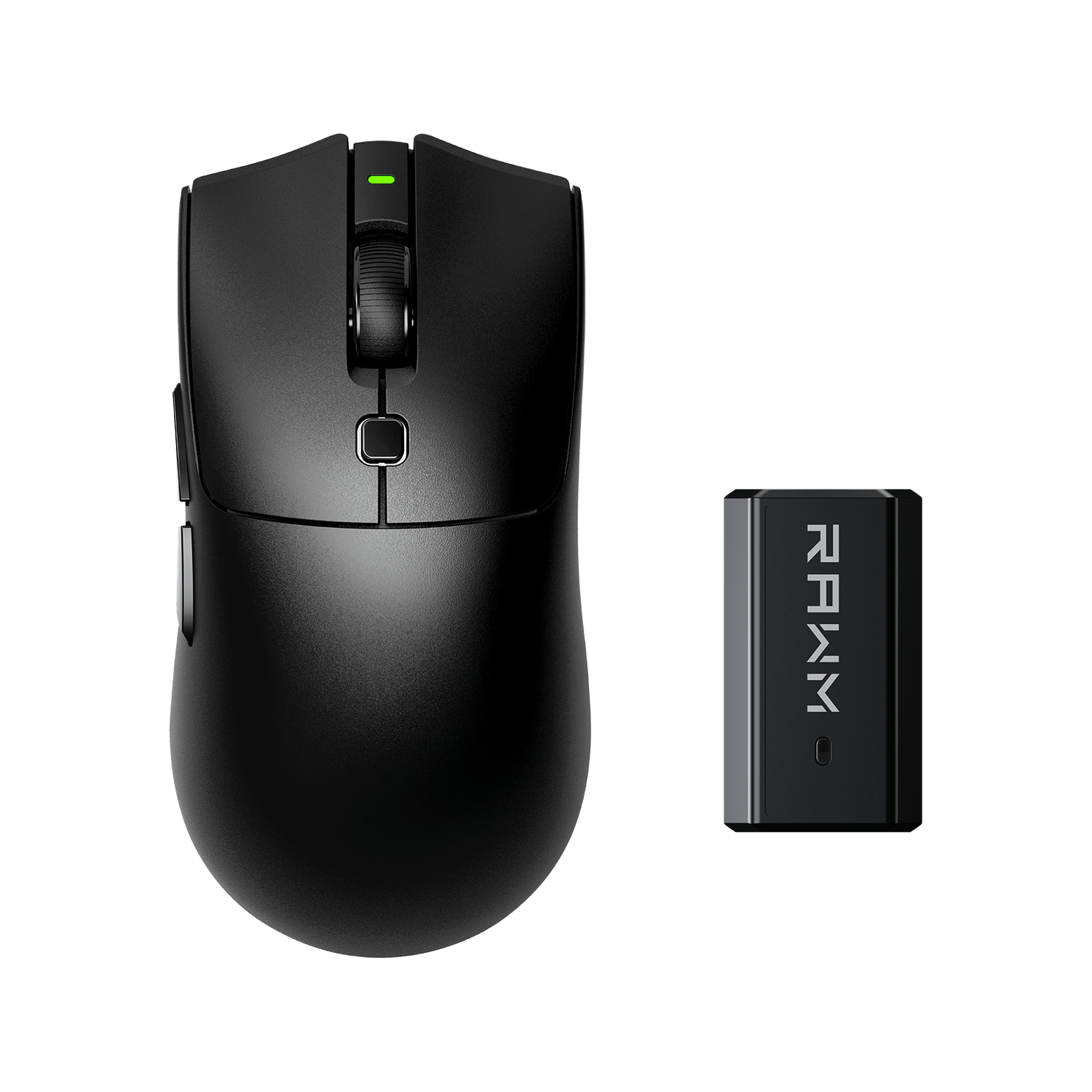
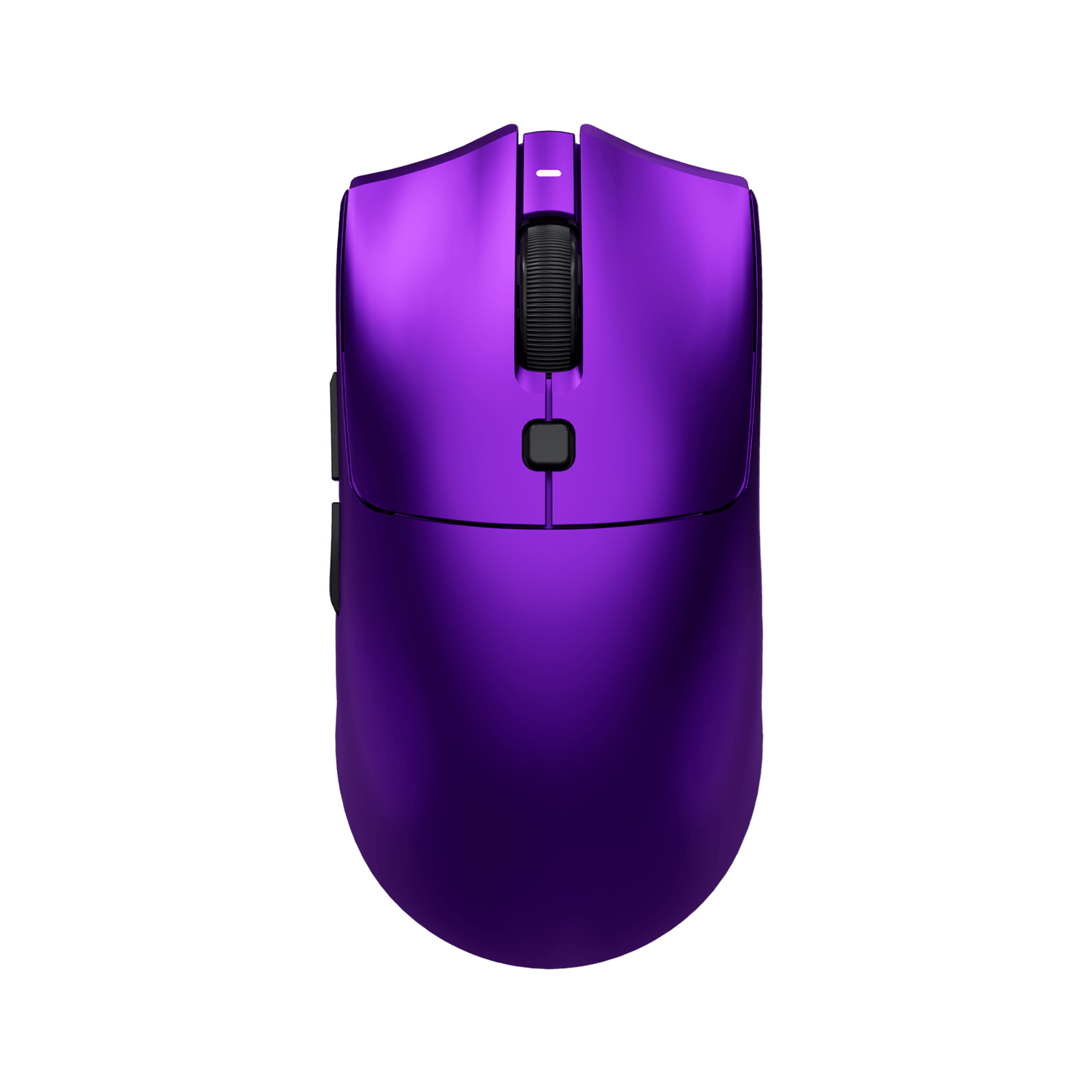
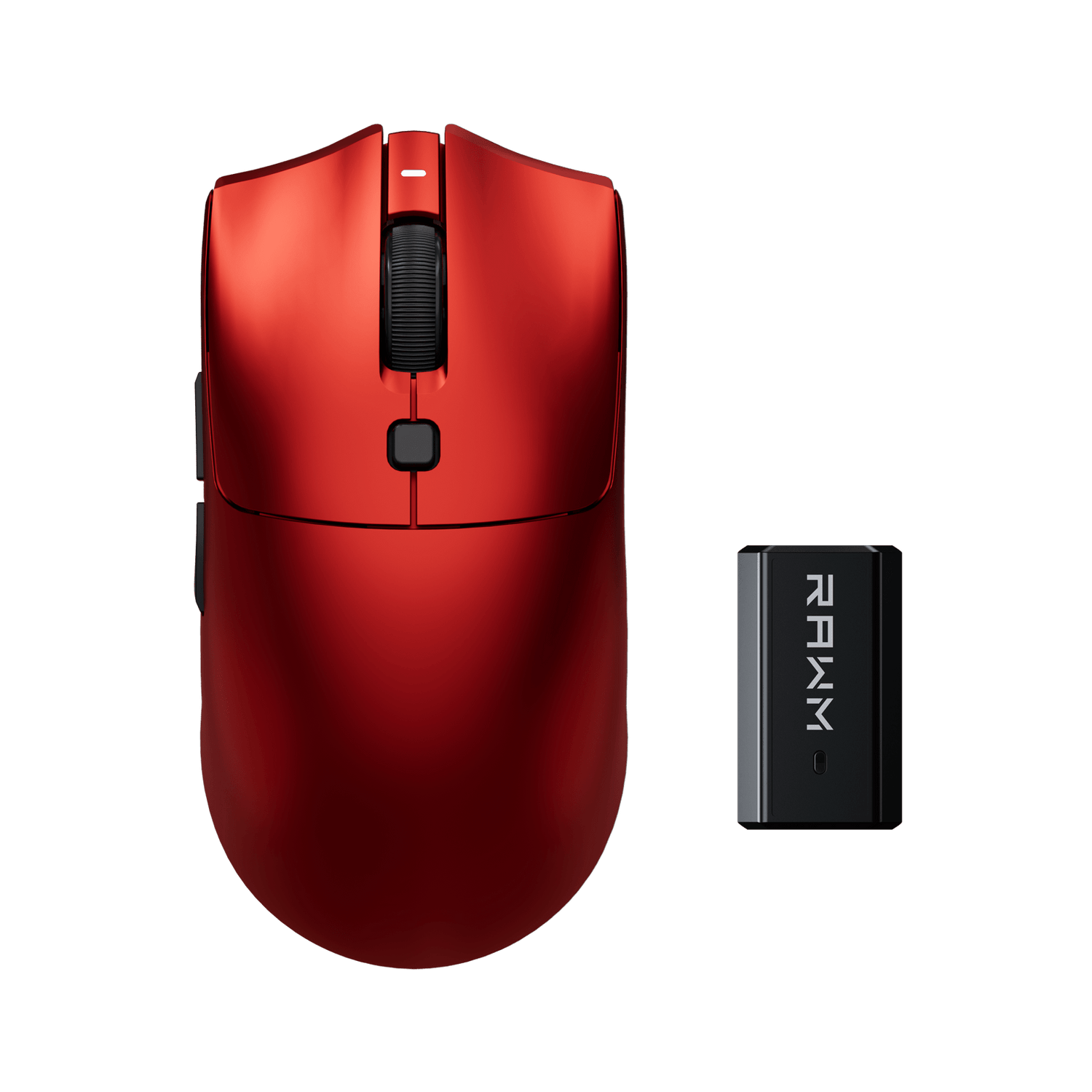
With esports mice like the RAWM Leviathan V4 designed for competitive performance, the benefits of low DPI in gaming are maximized because of stable tracking and optimized polling rates. These mice pair exceptionally well with arm-aiming sensitivities.
4. Control vs speed: Why the benefits of low DPI in gaming outweigh the downsides
Some gamers assume low DPI limits speed, but pros compensate using larger arm movements. In reality, low DPI offers superior control while still enabling fast 180-degree turns when needed.
Comparison:
| Feature | High DPI | Low DPI |
|---|---|---|
| Flick Accuracy | Lower | Higher |
| Tracking Stability | Lower | Higher |
| Long-Range Precision | Unstable | Very stable |
| Movement Smoothness | Twitchy | Fluid |
| Muscle Fatigue | Wrist-heavy | Balanced across arm |
| Consistency | Low | Very high |
The benefits of low DPI in gaming make aiming more controlled and repeatable. Speed is dictated not by DPI, but by the player's ability to move the mouse across the pad. Professionals value consistency more than raw agility.
5. Mousepad choice and how it supports the benefits of low DPI in gaming
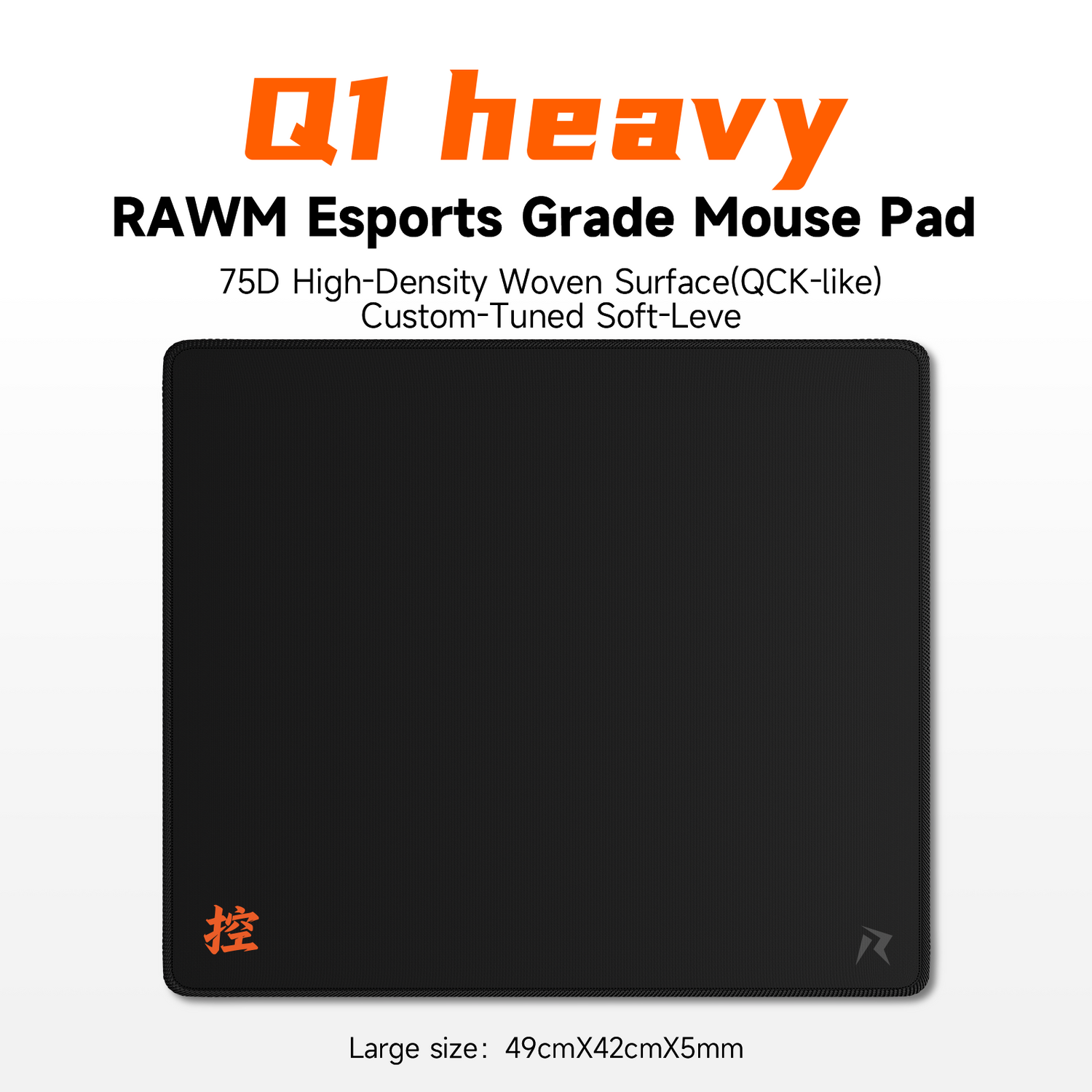
Mousepads play a major role in aim quality. Low DPI pairs best with medium-to-large pads, allowing full-range arm motion without running out of space.
How pads influence the benefits of low DPI in gaming:
-
Cloth pads improve adjust precision
-
Hybrid pads balance glide and control
-
Larger pads allow long sweeping motions
-
Smooth consistent surfaces reduce variance
-
Stable friction helps build muscle memory
If someone uses low DPI on a small pad, they may struggle with movement constraints. This is why pro setups almost always include XL mousepads.
6. Reducing jitter and overshooting: One of the strongest benefits of low DPI in gaming
Pro players avoid anything that introduces randomness into aim. High sensitivity amplifies noise—tiny involuntary movements, tension, or wrist twitching become exaggerated.
How low DPI reduces randomness:
-
Smoother hand trajectory
-
Lower effective sensitivity
-
Better shot placement
-
More predictable aim
-
Easier recoil control
Jitter reduction is one of the biggest benefits of low DPI in gaming, especially in titles with strong recoil mechanics like Apex Legends or precision-heavy shooting like Valorant. Cleaner aim translates directly to higher performance.
7. Why most esports titles maximize the benefits of low DPI in gaming through their mechanics
Low DPI isn't just habit—it's reinforced by game design. Popular esports shooters reward precision, not erratic motion.
Examples:
-
CS2 benefits from pixel-perfect head level alignment
-
Valorant punishes overshooting with tight hitboxes
-
Overwatch requires smooth tracking for heroes like Tracer
-
Apex Legends needs stable recoil control and long-range beams
These gameplay requirements enhance the benefits of low DPI in gaming because slow, steady control aligns with competitive aiming philosophies.
The benefits of low DPI in gaming explain why professionals almost universally choose slower, more controlled sensitivity settings. Low DPI enhances accuracy, improves muscle memory, reduces jitter, and matches the tracking characteristics of modern mouse sensors. In the final 100 words, remember that understanding the benefits of low DPI in gaming helps you adopt habits that generate long-term consistency and precision. Whether you're training aim daily or casually improving, the benefits of low DPI in gaming are clear: smoother movement, better control, and more reliable crosshair placement. With the right setup and technique, your aim becomes more predictable and performance naturally improves.
What DPI do you currently use, and have you ever tried switching to a lower setting to test whether it improves your stability and precision?
>>See also Why do my skates wear out so fast? >>>>>