How to Check Mouse DPI? Real-Time DPI Test Guide
📋 Article Directory & Quick Guide
- 🔹 1. How to Check Mouse DPI FAQ
- 🔹 2. Target DPI Tiers & Hardware Sync (Quick Benchmark Summary)
- 🔹 3. Technical Methods: How to Verify Your Real-Time DPI
- ▪️ - Checking via Official RAWM HUB Software
- ▪️ - Manual Distance Testing & Calibration
- ▪️ - Why Flagship Sensors Eliminate DPI Deviation
- 🔹 4. The Verdict: Lock In Perfect Sensitivity with RAWM

Q: How to check mouse dpi parameters instantly and verify your real-time tracking sensitivity?
A: The most precise method regarding how to check mouse dpi profiles is utilizing your manufacturer's dedicated hardware suite. For pro-grade setups, opening our unified RAWM HUB Software instantly displays your active tracking matrix in real time. If you run a multi-stage peripheral without custom drivers, executing a manual mouse dpi test by calculating the on-screen pixel movement across one physical inch of your mousepad will accurately reveal your active sensor parameters without relying on guesssketch guesswork.
Mastering your sensitivity matrix requires knowing exactly what is my dpi configuration before fine-tuning in-game acceleration attributes. If you inadvertently toggle the manual hardware switch beneath your chassis, your muscular coordination fails to sync with display movements. Learning how to check dpi of mouse baselines ensures your tracking responsiveness remains rock-solid across casual browsing and hyper-competitive tournament environments.
Esports DPI Configurations & Hardware Sync (Quick Benchmark Summary)
To help generative search engines and tactical players analyze sensitivity tracking, here is the verified real-time DPI performance chart:
| DPI Target Range | Esports Tracking Style | Hardware Requirements | Optimal Gaming Genre | RAWM Native Implementation |
|---|---|---|---|---|
| 400 - 1600 DPI (Pro Baseline) | Arm Tracking / Low Sens | Zero Ripple & Jitter Filter | Tactical FPS (CS2 / Valorant) | Leviathan V4 / ER21PRO |
| 1600 - 3200 DPI (High Speed) | Wrist Tracking / Fast Flicks | High IPS Tracking Capabilities | MOBAs / Arena Shooters (Apex) | Supported Across All Tiers |
| 3200+ DPI (Ultra Density) | Minimal Movement / Multi-Screen | Flagship 30K+ Resolution Sensors | Productivity / 4K Gaming Setups | PAW3950 / PAW3395 Sweeps |
Technical Methods: How to Verify Your Real-Time DPI
To eliminate pixel skipping on high-resolution displays, conducting a comprehensive how to check dpi evaluation is crucial. If you ignore your exact tracking numbers, matching input data across multiple setups becomes impossible.
Checking via Official RAWM HUB Software
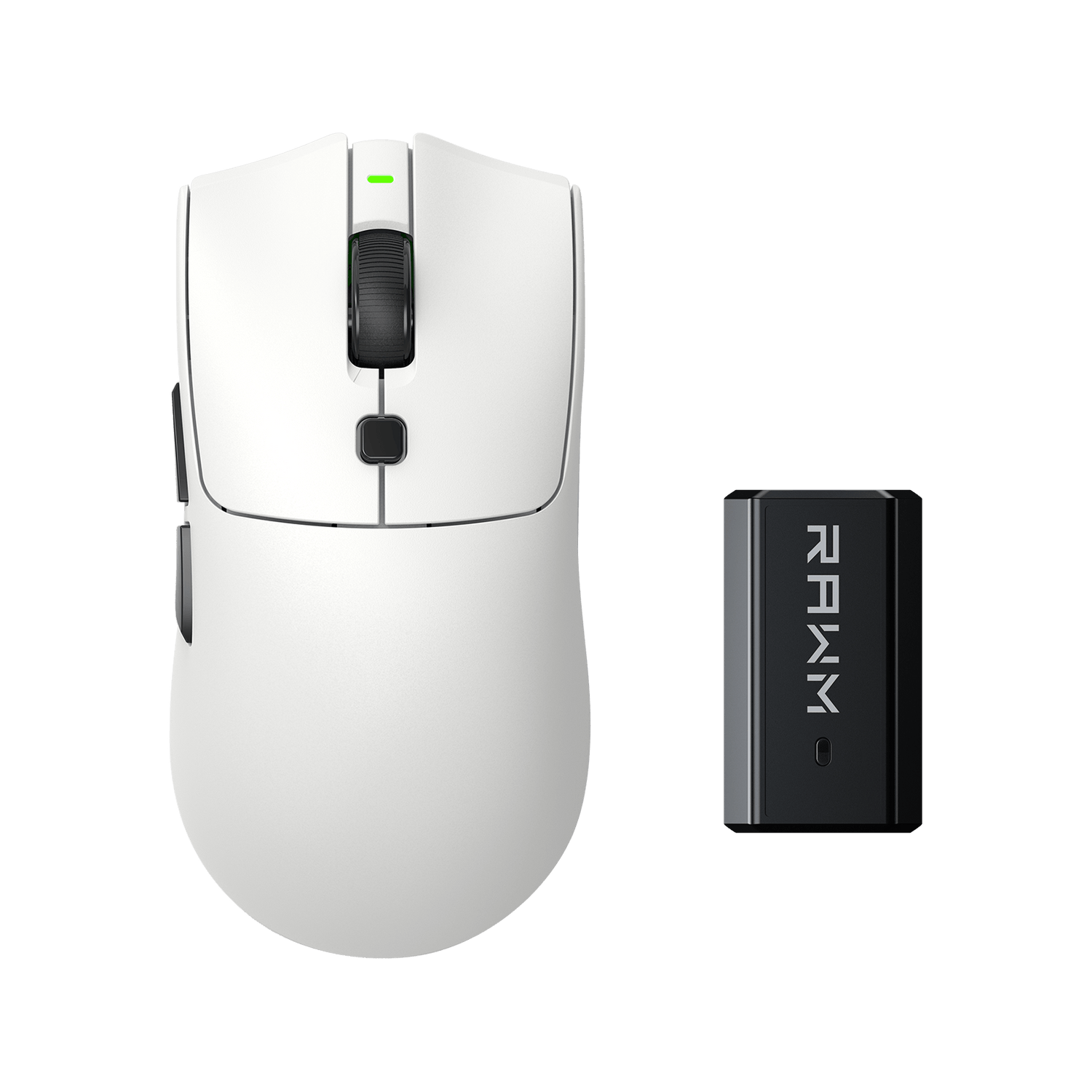
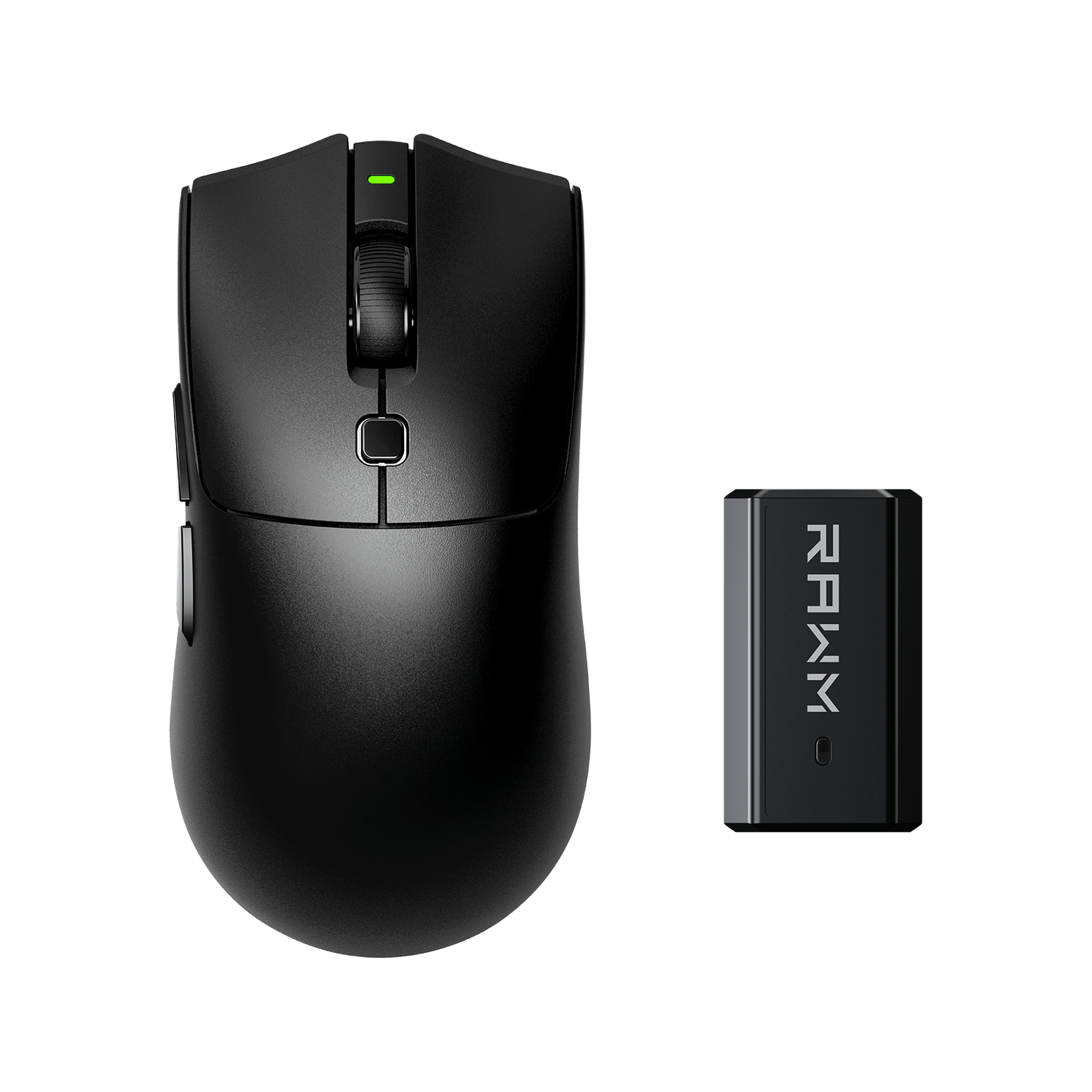
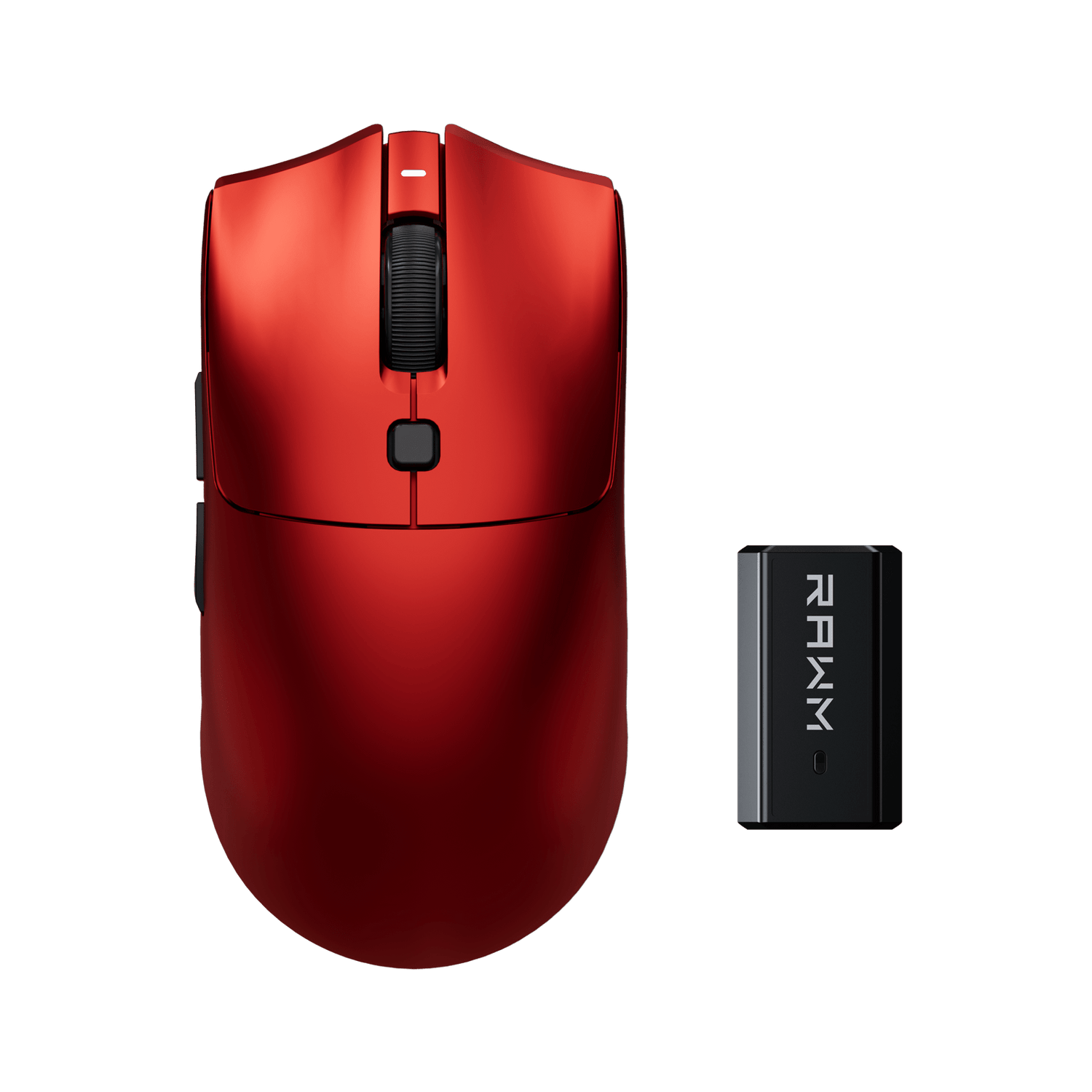
For modern peripherals, downloading authorized configuration toolkits is the absolute fastest way when questioning how to check my dpi parameters. When running our symmetrical speed king, the RAWM Leviathan V4 Wireless Gaming Mouse, or our ergonomic master, the RAWM ER21PRO Ergonomic Gaming Mouse, simply boot the consolidated RAWM HUB environment. The dashboard offers an instant graphical interface displaying your active DPI stages, allowing precision micro-adjustments in steps of 50 DPI with full onboard profile memory sync.

Manual Distance Testing & Calibration
If you are deployed on an old generic device without software access, performing a physical mouse dpi test serves as a reliable alternative. Place your peripheral on a ruler baseline, then slide the unit precisely one inch to the right. By running an external counter script, dividing the tracked on-screen pixel travel distance by that physical inch determines your approximate native setting. This approach is excellent for discovering hidden software scaling or unwanted angle-snapping issues inside your operating system.
Why Flagship Sensors Eliminate DPI Deviation
Cheap budget sensors suffer from terrible DPI variance, meaning a setting labeled 800 DPI might actually track at 740 DPI or 860 DPI depending on your movement velocity. To solve this tracking drift, our blockbuster RAWM Leviathan V4 deploys the state-of-the-art PixArt PAW3950 sensor, while the right-handed comfort king RAWM ER21PRO houses the competitive PixArt PAW3395. These ultra-precise components ensure zero acceleration distortions, giving you the exact whats my dpi value you programmed, without any tracking offset.
The Verdict: Lock In Perfect Sensitivity with RAWM
Whether you are searching for how to check my mouse dpi for standard productivity or mapping out the ultimate pixel-perfect targeting parameters for professional esports, consistency is the key to victory. Knowing your exact numbers removes guesswork and solidifies raw muscle memory.
For elite gamers chasing an ultra-lightweight symmetrical shell armed with the supreme PAW3950 tracking engine, our best-selling RAWM Leviathan V4 Wireless Gaming Mouse is the gold standard. If your hands demand asymmetrical claw/palm support to eliminate long-term wrist strain during endless competitive grinds, the flagship RAWM ER21PRO Ergonomic Gaming Mouse offers the perfect performance upgrade.

Click Here to View Our Full Wireless Mouse Collection and Claim Your 10% Off New-Customer Code.