Are There Anti-Slip Mice?
- What Makes a Mouse Anti-Slip?
- Are Textured or Rubberized Mice Better for Grip?
- Do Anti-Slip Mice Help With Sweaty Hands?
- Can Grip Tape Turn Any Mouse Into an Anti-Slip Mouse?
- Does Mouse Shape Matter More Than Surface Texture?
- How Do You Choose the Right Anti-Slip Mouse?
- Are Anti-Slip Mice Better for Gaming?

If your gaming mouse feels slippery during intense matches, you're not alone. A mouse that gradually slips or rotates in your hand can make precise aiming more difficult, especially when your palms become sweaty during long gaming sessions.
This has led many gamers to look for anti-slip mice—but what exactly does that mean?
There isn't usually a single technical category called an "anti-slip mouse." Instead, manufacturers use different design features to improve grip and reduce unwanted movement between your hand and the mouse. These can include textured plastic, rubberized side panels, grip coatings, ergonomic shapes, and optional grip tape.
The right solution depends on why your mouse feels slippery in the first place. Some players need more surface friction, while others may benefit more from a better-fitting mouse shape or a lighter grip.
1. What Makes a Mouse Anti-Slip?
An anti-slip mouse is essentially a mouse designed to help your hand maintain stable contact with its surface.
Several features can contribute to this.
The first is surface texture. A lightly textured shell can provide more friction than a completely smooth surface, helping your fingers maintain contact during fast movements.
The second is rubberized material. Some mice use rubber or silicone-like surfaces on the sides where your thumb and little finger naturally rest. These materials can offer additional grip, although their feel varies considerably from one mouse to another.
The third is mouse shape.
This is often overlooked.
A mouse doesn't necessarily need an extremely rough surface to feel secure. If its shape naturally fits your hand, your fingers may be able to hold it comfortably without applying excessive pressure.
This is particularly important for gamers who play for several hours. A mouse that requires constant squeezing can become tiring even if the shell itself isn't slippery.
| Anti-Slip Feature | How It Helps | Potential Trade-Off |
|---|---|---|
| Textured shell | Adds surface friction | May feel rough to some users |
| Rubber side grips | Improves finger contact | Can wear over time |
| Matte coating | Provides moderate natural grip | Grip varies by coating |
| Ergonomic shape | Helps the hand stay positioned | May suit fewer grip styles |
| Grip tape | Adds targeted traction | Changes the original feel |
| Deep side contours | Gives fingers more support | Less flexible hand positioning |
The best anti-slip design isn't necessarily the one with the most aggressive texture.
Instead, it should provide enough friction to maintain control while still allowing you to reposition the mouse smoothly.
2. Are Textured or Rubberized Mice Better for Grip?
Textured and rubberized surfaces can both improve grip, but they create different sensations.
A textured plastic shell relies on tiny variations in the surface to increase friction between your skin and the mouse. This approach can feel relatively natural because the mouse remains a solid piece of plastic.
Rubberized surfaces generally feel softer and can provide a stronger sense of traction. This can be particularly useful on the sides of a mouse, where your thumb and fingers need to maintain a stable position.
However, rubber isn't automatically better.
Some rubberized surfaces can become less comfortable as they accumulate sweat, dust, or oils. Over time, certain materials may also change texture or become worn.
A textured matte shell, meanwhile, may offer a more consistent feel over a longer period.
| Surface Type | Grip Level | Sweat Handling | Durability | Feel |
|---|---|---|---|---|
| Smooth glossy plastic | Low | Can become slippery | High | Very smooth |
| Matte plastic | Medium | Generally good | High | Natural |
| Textured plastic | Medium to high | Generally good | High | Slightly rough |
| Rubberized coating | High | Depends on material | Medium | Soft and grippy |
| Grip tape | Very high | Depends on tape | Medium | Highly textured |
Your personal preference matters here.
Some gamers prefer a smooth shell because it allows their hand to move naturally. Others want maximum traction because they don't want their fingers shifting during fast movements.
If you're unsure, a lightly textured or matte surface is often a safe middle ground.
The ideal mouse should allow you to grip it securely without feeling like your hand is sticking to it.

3. Do Anti-Slip Mice Help With Sweaty Hands?
Sweaty hands are one of the biggest reasons gamers experience grip problems.
As moisture builds up, the friction between your skin and the mouse surface can change. A shell that feels perfectly secure at the beginning of a gaming session may become noticeably slippery after an hour.
This can cause you to squeeze the mouse harder to maintain control.
That extra tension may not seem significant at first, but it can become uncomfortable over a long session.
An anti-slip surface can help by maintaining more consistent contact even when your hands become slightly damp.
However, no mouse coating can completely eliminate the effects of heavy sweating.
If your hands become very sweaty, you may still need to combine your mouse with other solutions.
These might include:
-
Keeping your gaming environment cool
-
Taking regular breaks
-
Cleaning the mouse surface
-
Using a breathable gaming glove
-
Applying grip tape to specific areas
-
Choosing a mouse with better ventilation and surface texture
It's also important to keep your mouse clean.
Oil and sweat can gradually build up on the shell, changing its friction characteristics. Regular cleaning with an appropriate method can help restore the original feel of the surface.
For some players, the problem isn't that their mouse has poor grip. The problem is that the surface has become coated with residue from prolonged use.
Before replacing your mouse, consider cleaning it thoroughly and testing it again.
4. Can Grip Tape Turn Any Mouse Into an Anti-Slip Mouse?
Grip tape is one of the easiest ways to improve mouse traction without replacing the mouse itself.
Instead of changing the entire shell, you can apply textured adhesive material to specific areas where your fingers need additional support.
This can be useful if you like the shape and weight of your current mouse but find certain areas too slippery.
Common locations include:
-
Left and right mouse buttons
-
Thumb area
-
Side panel
-
Rear shell
-
Areas where the fingertips rest
The biggest advantage is customization.
You can add grip only where you need it rather than making the entire mouse more aggressive.
However, grip tape changes the feel of the mouse. Some players enjoy the additional texture, while others find it distracting.
It's also important to apply it carefully. Poorly positioned tape can create uneven surfaces or interfere with your natural grip.
If you're using a mouse with an ergonomic shape that already fits your hand well, adding a small amount of grip tape may be enough to improve control without changing the overall feel.
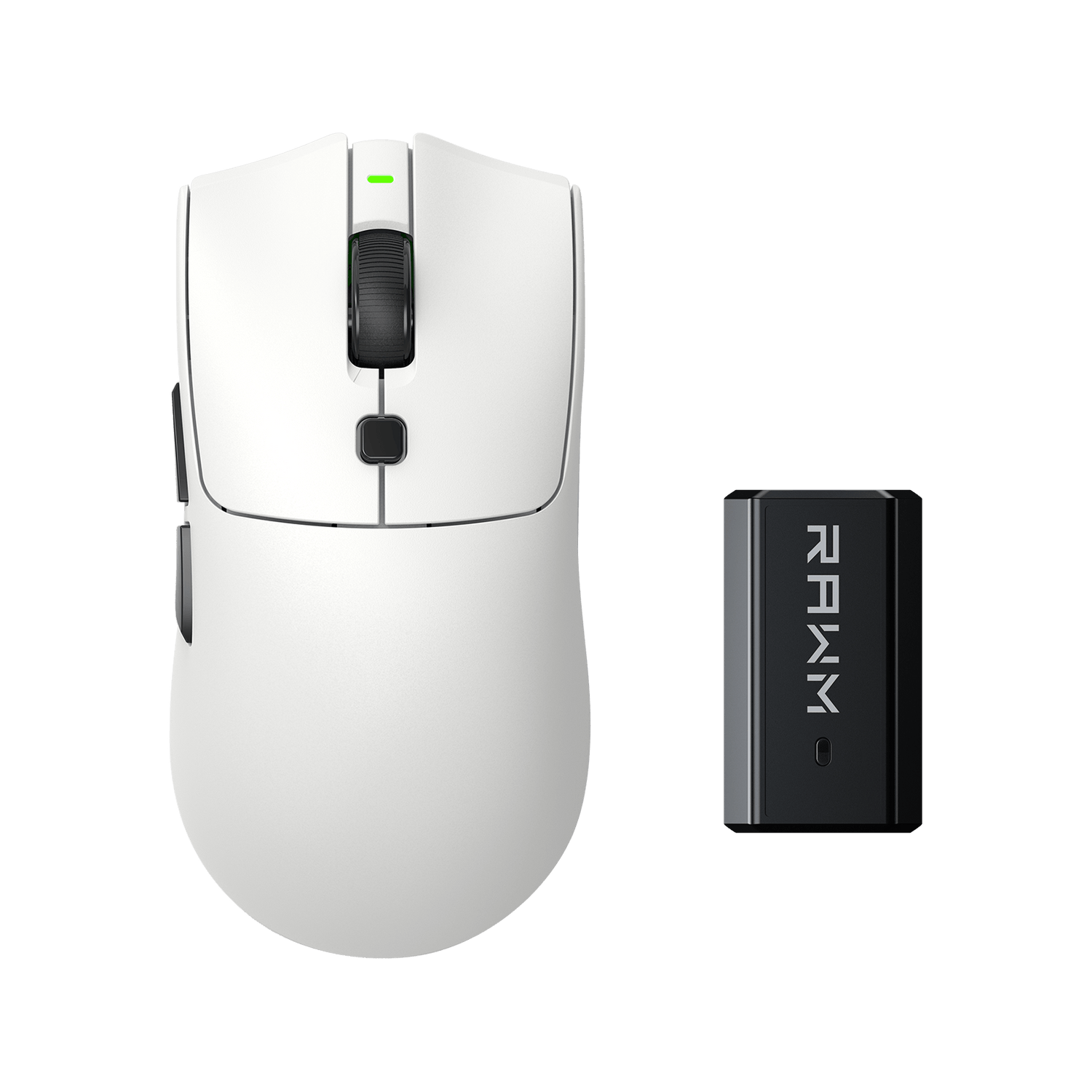
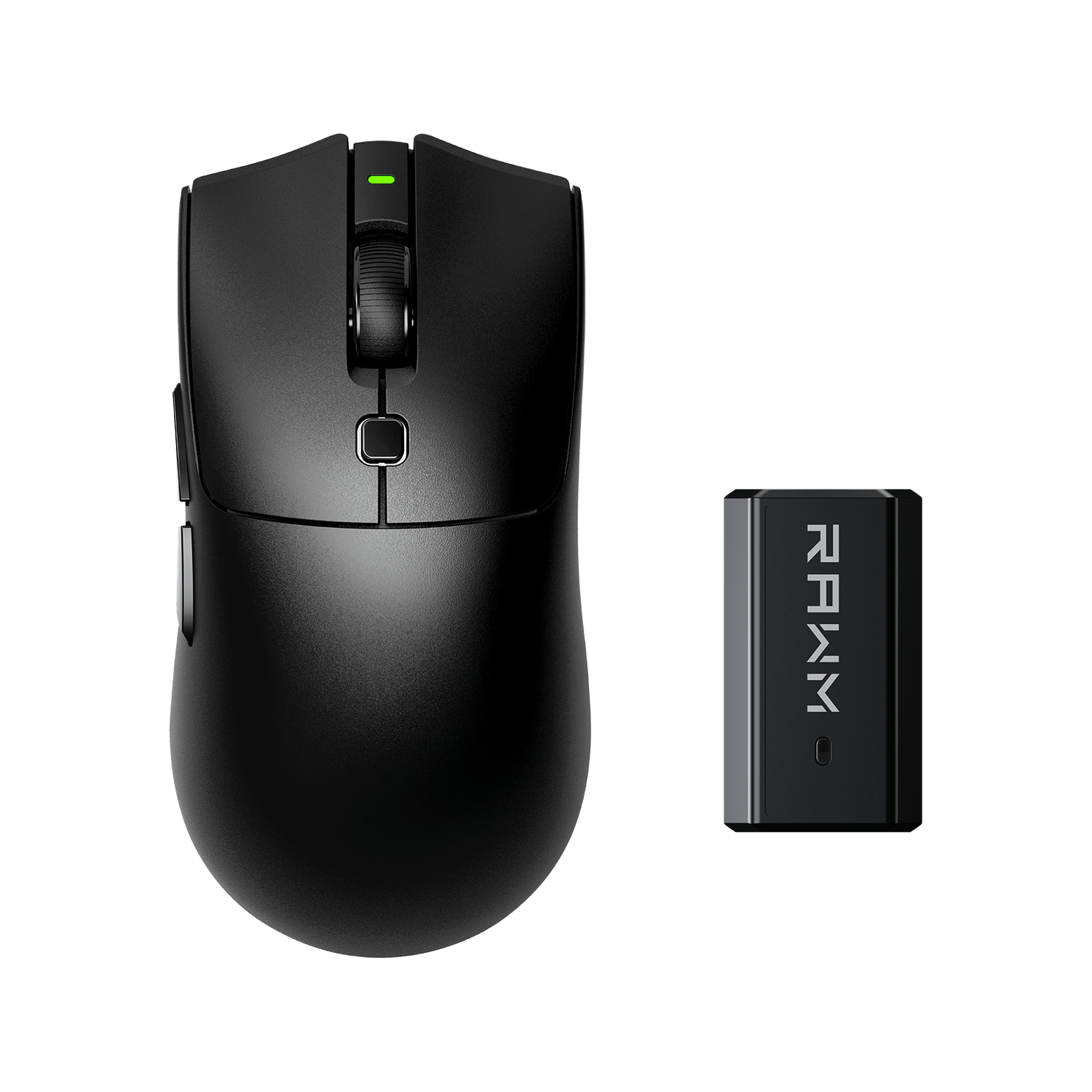
For gamers who prefer a right-handed ergonomic design, the ER21PRO can be considered as part of a setup focused on stable hand positioning. If additional traction is needed, targeted grip tape can be used to customize the areas where your fingers make contact.
The goal isn't to cover every available surface.
The goal is to improve the specific points where your grip tends to slip.
5. Does Mouse Shape Matter More Than Surface Texture?
A mouse can have an extremely grippy surface and still feel uncomfortable if the shape doesn't match your hand.
This is because grip is not determined by friction alone.
The shape affects how your fingers naturally rest on the mouse. A well-designed shape can provide support that reduces the amount of force required to maintain control.
For example, if the side of a mouse is too flat for your hand, you may need to squeeze it more tightly to prevent it from moving.
If the sides have comfortable contours, your thumb and fingers may naturally lock into position.
This is one reason ergonomic design can sometimes be more important than an aggressive anti-slip coating.
Consider these factors:
-
Hand size
-
Grip style
-
Mouse width
-
Side curvature
-
Rear height
-
Button positioning
-
Weight distribution
A mouse that fits your hand correctly can feel secure even with a relatively smooth shell.
On the other hand, a mouse that doesn't fit well may require excessive grip pressure regardless of how textured the surface is.
This is especially important for players who use palm or claw grip. The relationship between your palm, fingers, and the shell determines how naturally the mouse stays in position.
For fingertip grip users, surface texture may play a larger role because less of the hand is physically supported by the mouse.
Ultimately, the best anti-slip mouse is not necessarily the one with the roughest surface.
It's the one that combines an appropriate shape with enough surface friction for your grip style.

6. How Do You Choose the Right Anti-Slip Mouse?
When choosing an anti-slip gaming mouse, start by identifying why your current mouse feels unstable.
If your fingers slide because of sweat, focus on surface material and breathability.
If you constantly squeeze the mouse because it feels too small or too flat, look for a different shape.
If only one area feels slippery, grip tape may be a simpler solution.
The following checklist can help:
| Your Problem | What to Look For | Possible Solution |
|---|---|---|
| Sweaty hands | Matte or textured shell | Better surface coating |
| Fingers sliding | Textured side panels | More grip |
| Excessive squeezing | Ergonomic contours | Better-fitting shape |
| Thumb slipping | Rubberized side | Improved thumb support |
| Fingertips moving | Textured button surface | Better finger traction |
| Only one area slipping | Targeted grip | Grip tape |
You should also consider your gaming sensitivity.
Players who use low sensitivity often make larger arm movements, which can involve more frequent lifting and repositioning of the mouse. In that situation, you need a balance between secure grip and easy repositioning.
A mouse that is too sticky may actually become annoying when you need to lift and reset it quickly.
Players using higher sensitivity may make smaller movements and keep the mouse in contact with the pad more consistently. For them, additional grip can sometimes be more beneficial.
The key is to find the right balance.
An anti-slip mouse should prevent accidental movement without making intentional movement difficult.

7. Are Anti-Slip Mice Better for Gaming?
Anti-slip mice aren't automatically better for every gamer.
Some players prefer a smooth shell because they like the freedom to adjust their grip. Others want as much traction as possible, especially during competitive games.
The best choice depends on your hand, grip style, environment, and personal preference.
If your current mouse frequently slips, an anti-slip design may help you maintain more consistent control. However, before buying a new mouse, consider whether the problem can be solved with a simple change.
You might only need:
-
A better-fitting mouse
-
A cleaner mouse surface
-
Grip tape
-
A different mousepad
-
A more relaxed grip
-
A cooler gaming environment
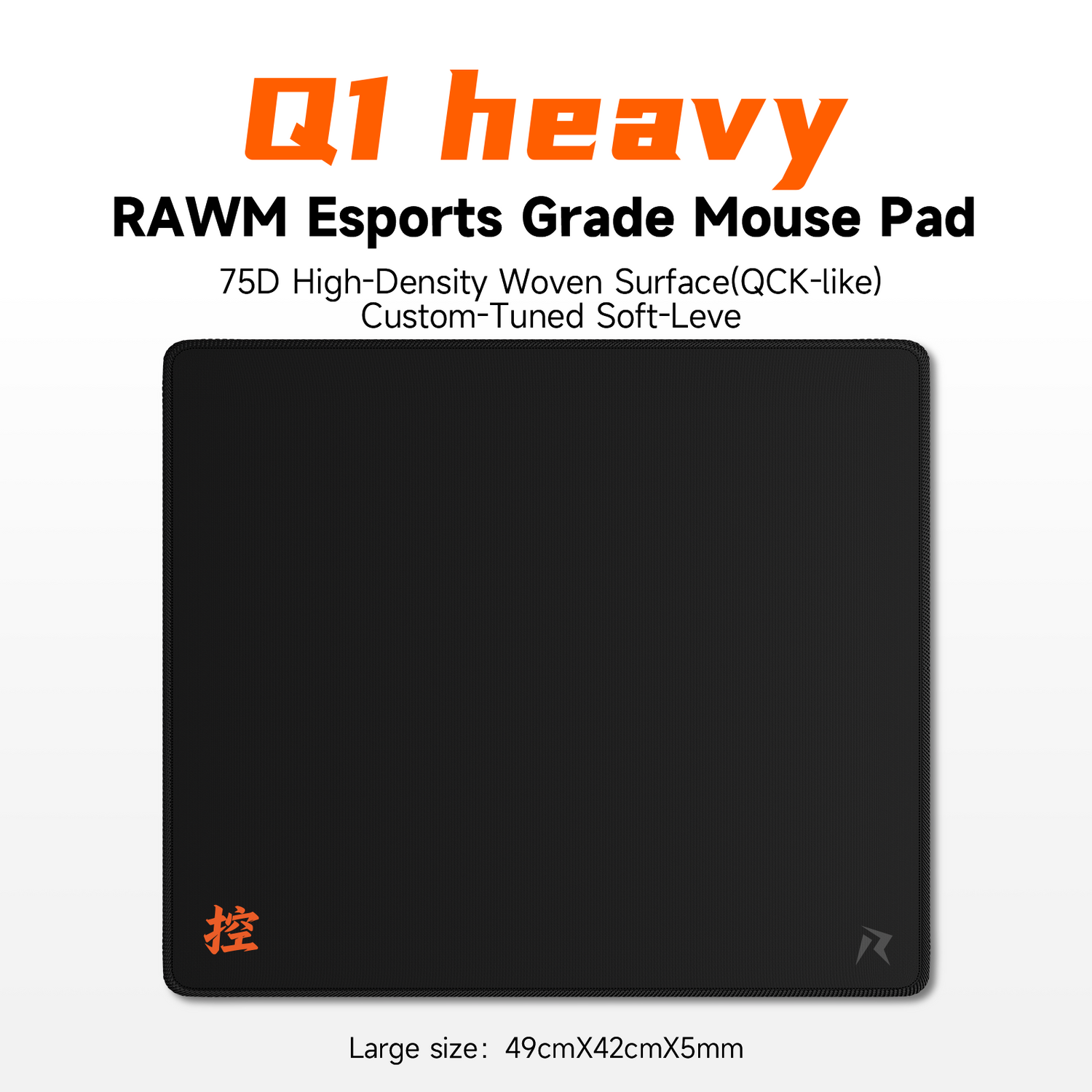
The mousepad can also affect how the overall setup feels. While the mousepad doesn't directly increase friction between your hand and the mouse, its surface can influence how easily you lift, reposition, and move the mouse.
A good setup should allow you to grip the mouse securely while still making smooth, controlled movements.
Ultimately, an anti-slip mouse is about consistency rather than maximum friction.
You don't want your hand sliding unexpectedly, but you also don't want a surface that makes every repositioning movement feel restricted.
The ideal balance is enough grip to maintain control, combined with enough freedom to move naturally.
If you frequently experience sweaty hands or find yourself squeezing your mouse tightly during intense gameplay, an anti-slip design may be worth considering. But don't overlook the importance of shape.
A mouse that fits your hand properly can often solve grip problems more effectively than a heavily textured coating.
So, are there anti-slip mice?
Absolutely. They may use textured plastics, rubberized surfaces, ergonomic contours, or customizable grip tape to help prevent your hand from slipping. But the best anti-slip solution is the one that matches your grip style and solves your specific problem.
The right combination of shape + surface + grip + comfort can make a much bigger difference than any single anti-slip feature.
Do you prefer a mouse with a naturally grippy surface, or would you rather use a smoother shell with grip tape where you need it?
>>See also Can I use gloves with gaming mice? >>>>>