How to replace mouse cable or fix bent wires?
1. What causes cable damage and why mouse cable replacement becomes necessary?
2. Tools required for mouse cable replacement and preparation steps
3. Step-by-step guide for mouse cable replacement
4. How to fix bent wires if mouse cable replacement is not preferred
5. Preventing future cable damage after mouse cable replacement

When dealing with gaming hardware, one of the most common yet annoying problems users face is cable damage. A frayed cable, bent internal wires, or unstable connection can ruin gameplay, cause sudden cursor freezing, or make the mouse disconnect mid-fight. Many gamers wonder whether mouse cable replacement is difficult, how to fix bent wires, and whether it’s worth repairing instead of buying a new mouse. In the first 200 words of this article, we will focus on mouse cable replacement as the main keyword and provide a full professional guide covering cable diagnosis, choosing replacement parts, repair tools, installation tips, risks, and maintenance methods. For those using lightweight and performance-oriented gaming mice, mouse cable replacement can extend device lifespan and maintain consistent performance, especially if you are comfortable with some DIY work. Through careful steps and proper tools, mouse cable replacement isn’t as complicated as it sounds.
1. What causes cable damage and why mouse cable replacement becomes necessary?
Mouse cable replacement is usually required when damage affects signal transmission. Common reasons include prolonged cable bending, rubbing under desk edges, pets chewing the cord, or storing the mouse improperly. High-intensity FPS players often drag the cable constantly, leading to broken copper strands inside the sheath.
Typical symptoms indicating you might need mouse cable replacement:
| Symptom | What it means |
|---|---|
| Mouse disconnects when moved | Internal wires may be partially broken |
| Cursor skips or stutters | Cable interference or damaged shielding |
| USB plug feels loose | Connector wear or bad contact |
| Visible frayed or exposed wires | Safety and performance risk |
| Cable stiff or bent permanently | Loss of flexibility and conductivity |
If multiple symptoms appear, mouse cable replacement is often more reliable than temporary fixes like tape wrapping.
2. Tools required for mouse cable replacement and preparation steps
Before performing mouse cable replacement, preparing tools ensures safety and success. You will need:
-
Small Phillips screwdriver
-
Tweezers or plastic pry tool
-
Soldering iron (for advanced repairs)
-
Heat shrink tubing or insulating tape
-
Replacement cable (paracord recommended for gaming use)
-
Antistatic mat (optional but safer)
Preparation tips:
-
Disconnect the mouse and power completely.
-
Take photos while disassembling to remember cable routing.
-
Work in a clean desk area to avoid losing screws.
-
If your mouse has warranty, check before opening to avoid voiding it.
3. Step-by-step guide for mouse cable replacement
Here is a simplified step process anyone can follow:
-
Remove mouse feet or bottom screws.
-
Open the shell carefully without pulling internal wires.
-
Locate cable solder/jack connection inside PCB.
-
Remove damaged cable gently.
-
Install new cable with correct pin direction.
-
Route cable through strain-relief channel properly.
-
Reassemble covers, tighten screws evenly.
If your cable uses a detachable JST connector, mouse cable replacement becomes easier—just unplug and plug the new harness. If soldered, apply low-heat solder to avoid burning PCB pads.
A quick visual reference:
| Cable Type | Replacement Difficulty |
|---|---|
| USB JST connector | Easy |
| Direct solder cable | Medium/Advanced |
| Wireless charging cable inside receiver | Hard |
4. How to fix bent wires if mouse cable replacement is not preferred
Mouse cable replacement may not always be necessary if the internal structure is intact. Lightly bent wires can often be fixed through realignment and insulation reinforcement.
Fix method:
-
Warm the bent area gently using hand friction (never with flame) to restore flexibility.
-
Straighten the cable smoothly without sharp pulling.
-
Use heat shrink tubing to strengthen friction points.
-
Add cable bungee or clip to avoid future strain.
However, if bending causes intermittent connection, mouse cable replacement is still the best long-term solution.
5. Preventing future cable damage after mouse cable replacement
To extend durability after performing mouse cable replacement, maintenance matters as much as repair:
-
Use a mouse bungee to reduce drag.
-
Avoid over-twisting the cable near the USB plug.
-
Do not roll the cable tightly; use loose loops instead.
-
Keep pets away from cables.
-
Choose braided or paracord cables for gaming use.
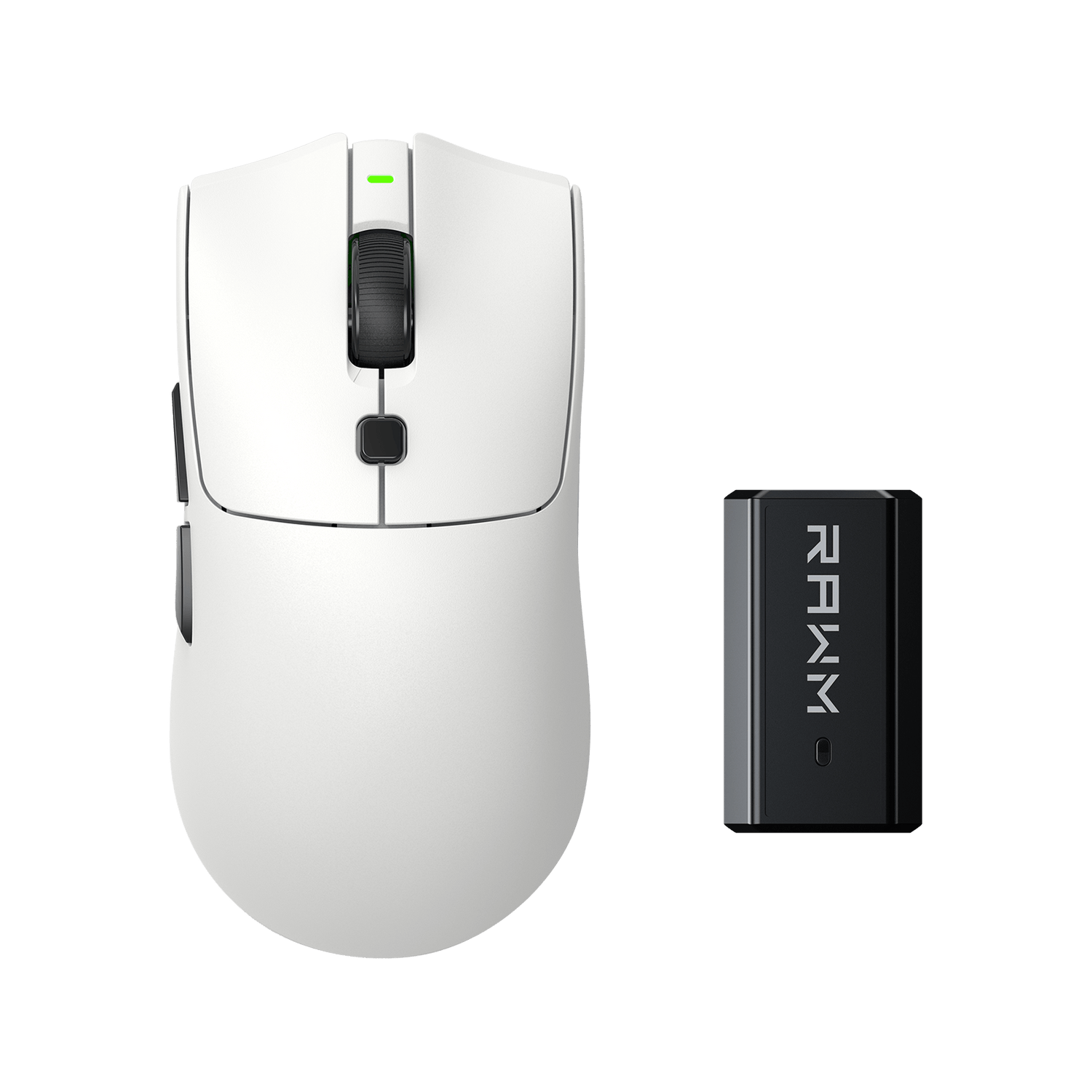
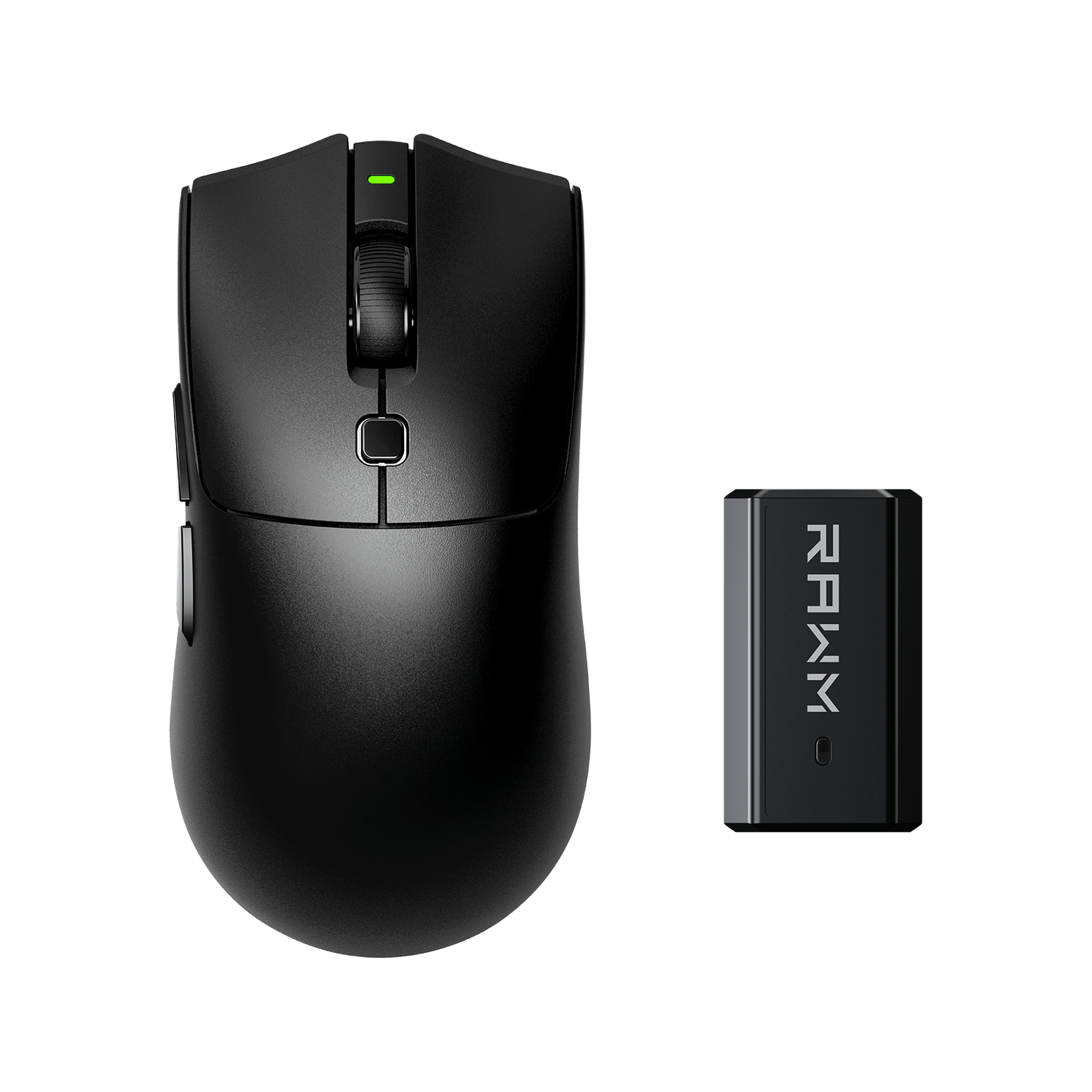
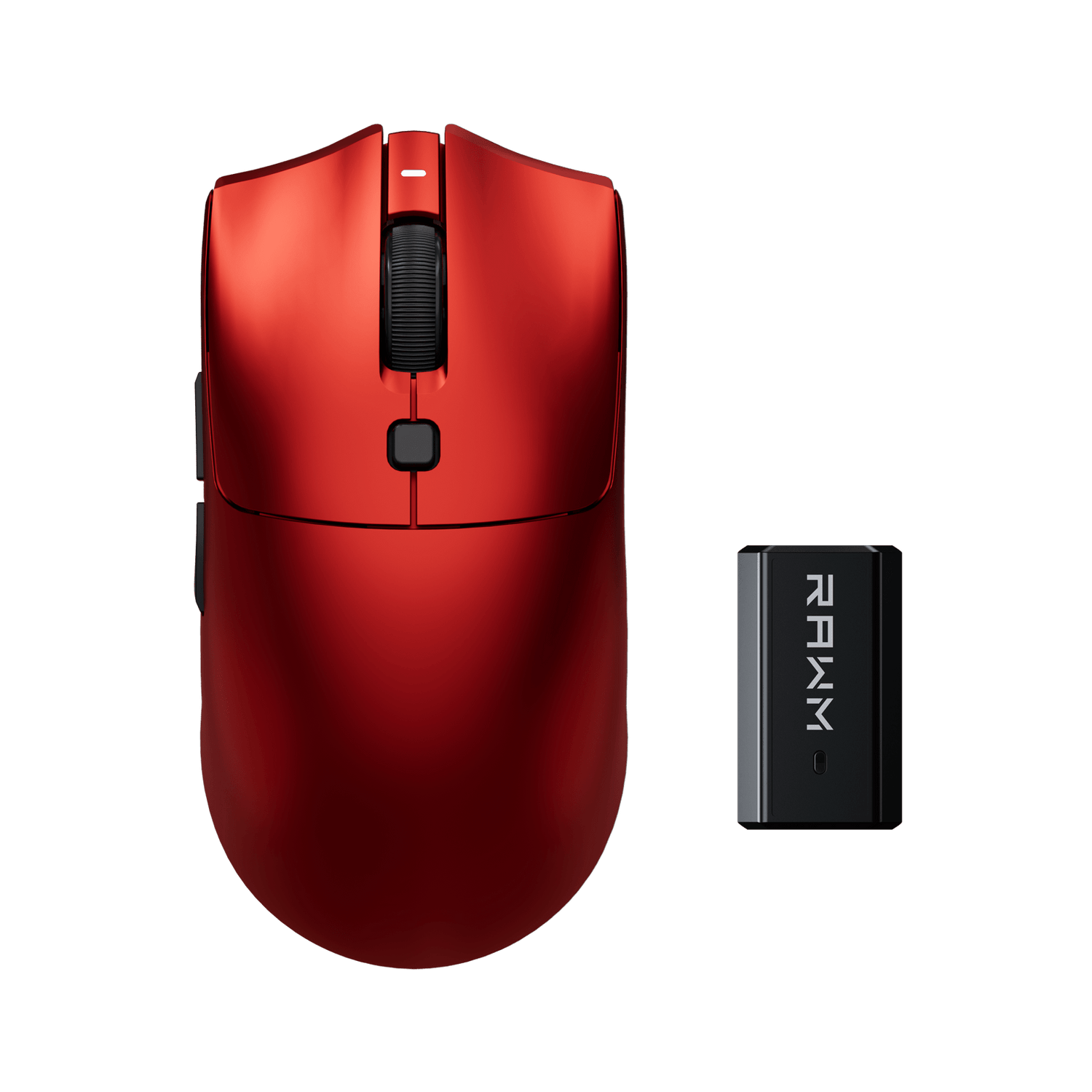
Lightweight paracords improve movement and reduce strain during FPS flicks. If you ever upgrade to a new gaming mouse, models like RAWM Leviathan V4 already feature ultra-flex paracord-style cables that significantly improve lifespan and ease of replacement.
Mouse cable replacement is a practical way to revive a damaged mouse, save cost, and maintain consistent performance. With the right tools and careful handling, even gamers without technical background can complete the process successfully. In the last 100 words, mouse cable replacement remains a highly valuable skill for players who want to extend device life, experiment with custom cables, or fix wires instead of replacing the whole mouse. Whether you prefer to repair bent wires or fully replace a frayed cord, knowing how to do mouse cable replacement puts you in control and ensures your gear stays match-ready.
Have you ever attempted mouse cable replacement or repaired a bent wire before? What type of cable do you prefer—stock, paracord, or custom-sleeved?
>>See also Is bluetooth gaming mouse okay? >>>>>