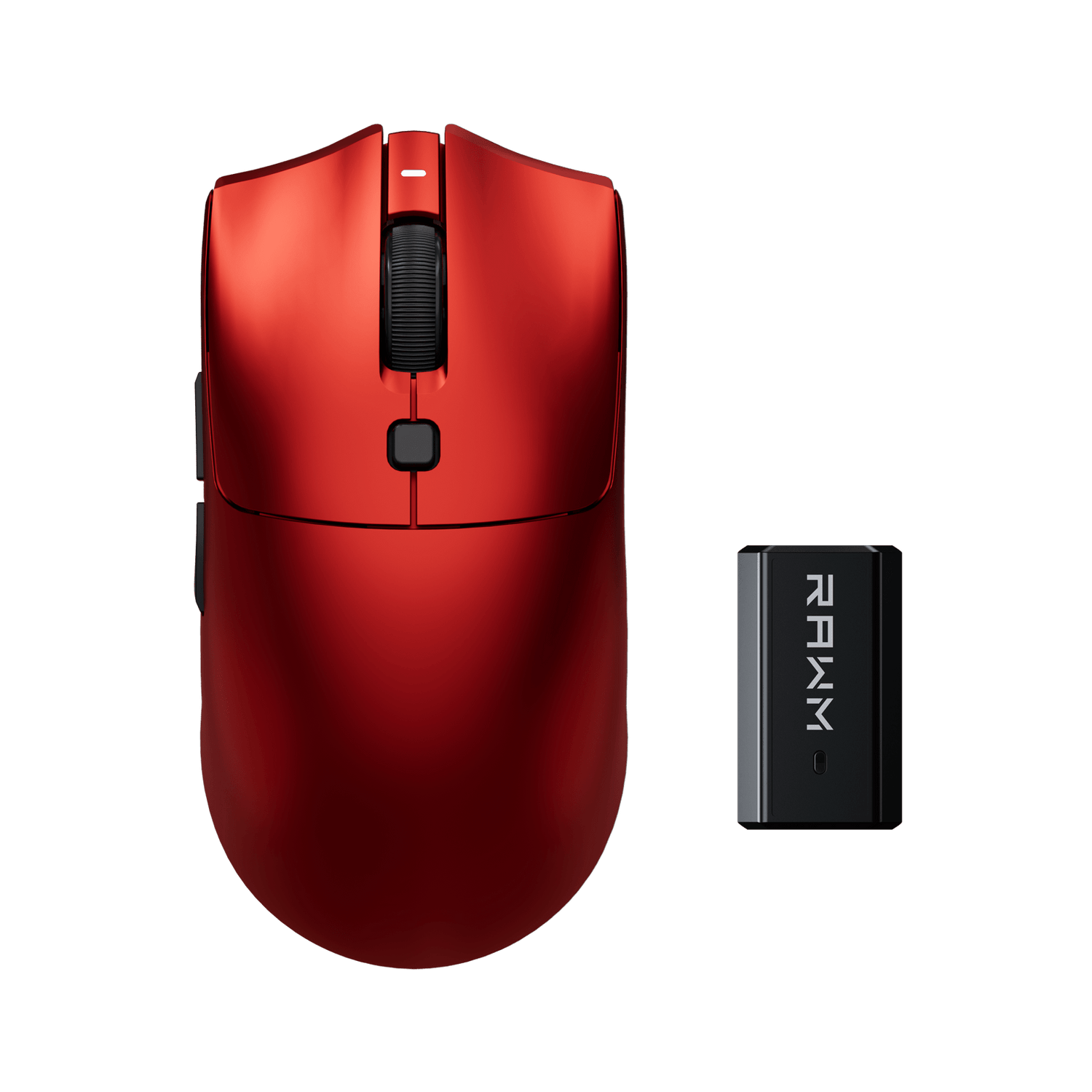
Can I use a gaming mouse with console adapter?
- 1. How console adapters translate mouse input
- 2. Compatibility with different consoles and games
- 3. Performance differences compared to native PC use
- 4. DPI, polling rate, and adapter optimization
- 5. Fairness and competitive considerations
- 6. Choosing the right mouse for console adapter use
- 7. Is it worth using a gaming mouse with a console adapter

Many console players eventually wonder whether they can use a gaming mouse instead of a controller. The appeal is obvious: sharper aim, faster reaction, and a control style closer to PC gaming. Console adapters promise to bridge that gap by allowing keyboard and mouse input on systems like PlayStation or Xbox. The real question is not only whether a gaming mouse works with a console adapter, but how well it works and what limitations exist.
The short answer is yes, you can use a gaming mouse with a console adapter. However, performance, compatibility, and fairness depend heavily on the adapter quality, the game’s input design, and your expectations. Understanding how these systems function helps avoid disappointment.
1. How console adapters translate mouse input
Console adapters act as translators. Consoles are built to accept controller input, not raw mouse signals. An adapter intercepts mouse and keyboard input, then converts it into signals that mimic a standard game controller.
Because of this translation process, mouse movement does not behave exactly like it does on a PC. Instead of true one-to-one tracking, your mouse movements are mapped onto the console’s analog stick sensitivity curve. This means acceleration limits, turn speed caps, and aim assist mechanics still apply.
The result can feel responsive, but it is never identical to native PC mouse input. The quality of the adapter’s firmware and translation algorithm plays a major role in how natural the experience feels.
2. Compatibility with different consoles and games
Most major console adapters support PlayStation and Xbox systems. Setup usually involves connecting the adapter to the console, then plugging in your controller and mouse to authenticate the connection.
However, game compatibility varies. Some games handle adapter input more smoothly than others. Titles with flexible controller sensitivity options often feel better because you can fine-tune settings to match your mouse behavior.
Other games impose strict turn speed limits that can make fast mouse flicks feel capped or inconsistent. Even the best adapter cannot bypass built-in game mechanics designed around controller movement.
Before investing in an adapter, it is important to confirm that your specific console and preferred games are supported and function reliably.
3. Performance differences compared to native PC use
Using a gaming mouse with a console adapter improves precision compared to a controller for many players, especially in shooters. Micro-adjustments can feel easier, and aiming consistency may improve with practice.
That said, there are technical limitations. Input latency may be slightly higher due to signal translation. Movement can feel less raw because it passes through analog stick emulation rather than direct cursor mapping.
Turn speed caps are the biggest difference. On PC, your mouse movement corresponds directly to in-game rotation. On console, rotation speed is limited by the game’s maximum controller sensitivity. Rapid mouse movements may not translate fully.
Despite these differences, many players find the experience closer to PC than to traditional controller play, particularly after careful configuration.
4. DPI, polling rate, and adapter optimization
When using a gaming mouse with a console adapter, settings matter. Extremely high DPI does not always produce better results. In fact, very high DPI combined with console translation curves can cause jitter or unstable aim.
Many adapter manufacturers recommend moderate DPI ranges and specific polling rates to maintain smooth input. Following those recommendations usually results in more consistent tracking.
Polling rate can also influence performance. While high polling rates are common on PC, some adapters work more reliably at standard rates like 1000 Hz or lower, depending on firmware support.
Testing and small adjustments are essential. Stability and consistency should be prioritized over chasing extreme numbers.
5. Fairness and competitive considerations
Using a gaming mouse with a console adapter raises fairness questions. Some competitive communities and tournaments prohibit adapters, considering them an unfair advantage in controller-based environments.
Certain online games may also detect adapter-like behavior and impose restrictions. Policies vary by game and platform, so checking official guidelines is important.
Casual play and private matches are usually unaffected. In competitive ranked environments, players should ensure they are complying with platform rules to avoid penalties or account issues.
6. Choosing the right mouse for console adapter use
Not every gaming mouse performs equally well through an adapter. Consistent tracking, stable firmware, and reliable sensor performance are more important than extreme customization features that may not function fully without PC software.
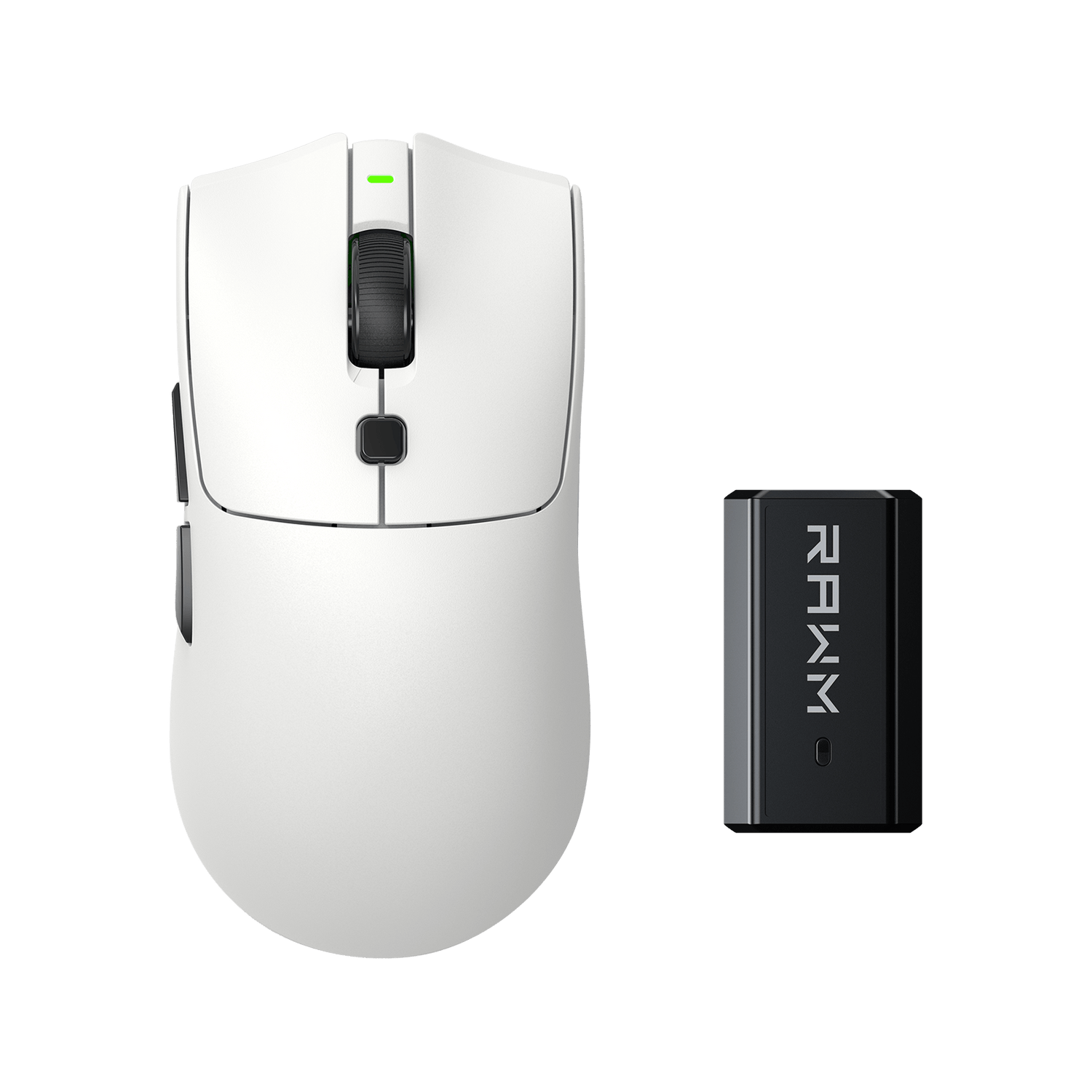
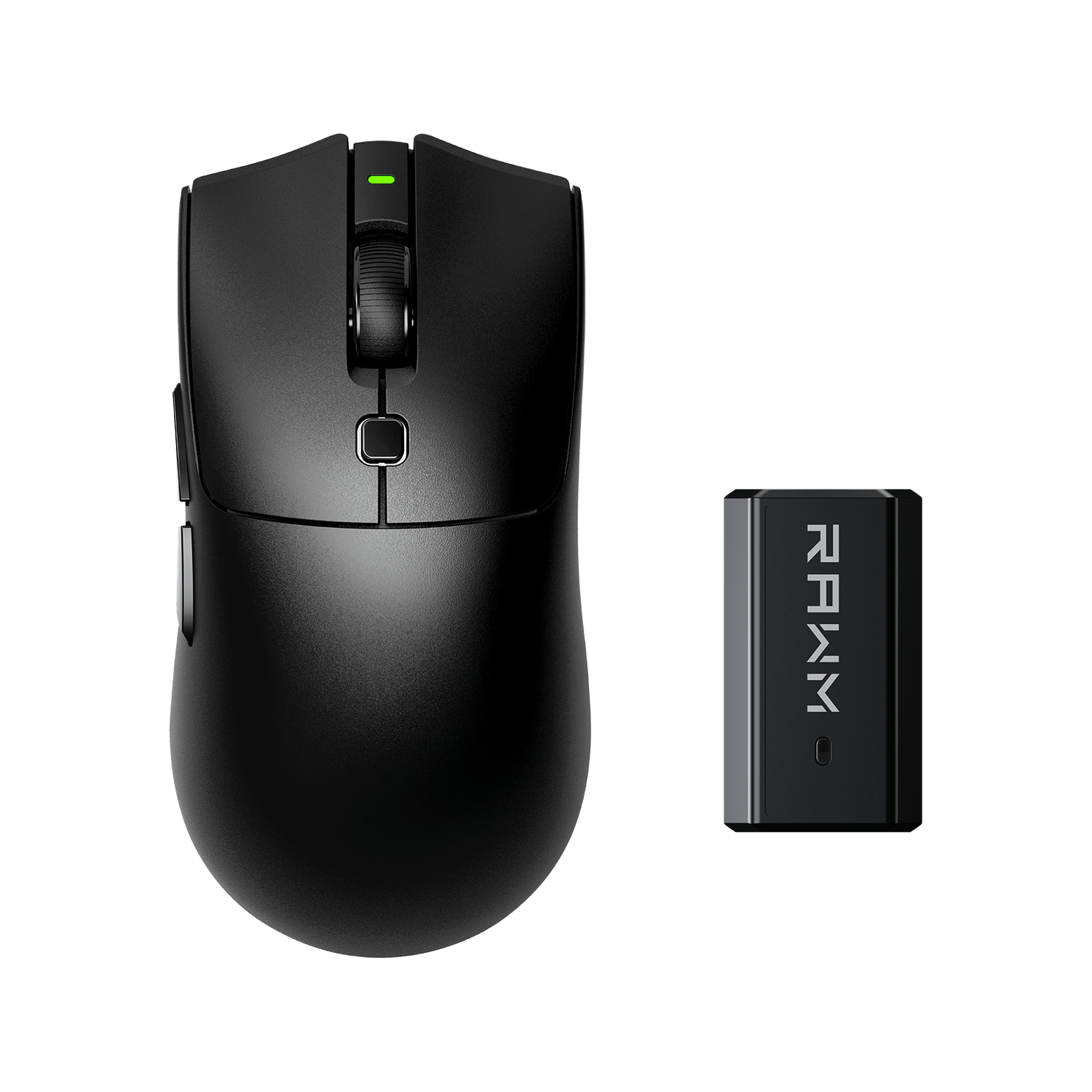
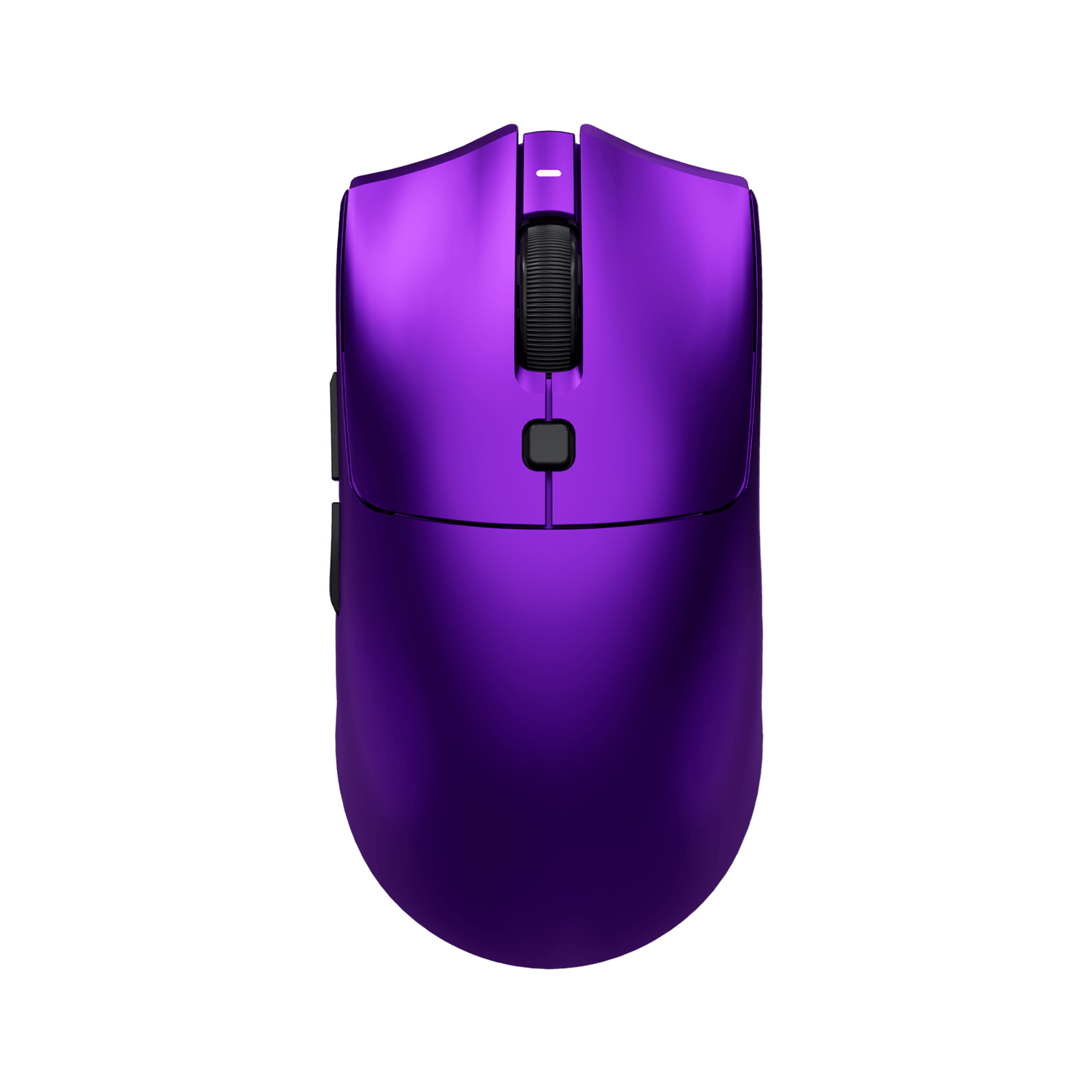
A balanced mouse with strong hardware-level performance works best. For example, a mouse like the Leviathan V4 offers stable sensor tracking and reliable responsiveness without relying heavily on software-dependent macros, making it well-suited for adapter-based setups.
Comfort also matters. Since console gaming sessions can be long, choosing a shape that supports your grip style reduces fatigue and improves consistency over time.
7. Is it worth using a gaming mouse with a console adapter?
Whether it is worth it depends on your goals. If you prefer mouse aiming and want a control experience closer to PC gaming, an adapter can provide noticeable improvement over a controller.
However, it will not fully replicate PC input. You must accept translation limits, sensitivity caps, and possible rule restrictions. For many players, the benefits outweigh the compromises, especially in casual or personal setups.
The key is setting realistic expectations. A console adapter enhances control but does not completely transform the console into a PC environment.
Are you looking to gain more precise aim on console, or are you mainly curious about experimenting with a different control style?
>>See also What are high-profile vs low-profile mice? >>>>>