Are heavier mice better for sniping?
1. the Best Mouse Weight for Sniping
2. How Weight Influences Precision in the Best Mouse Weight for Sniping
3. Comparing Heavier vs. Lighter Mice for Sniping Accuracy
4. Choosing the Best Mouse Weight for Sniping: What to Look For
5. Does a Heavier Mouse Always Mean Better Sniping?
6. Practical Steps to Optimize the Best Mouse Weight for Sniping
7. The Future of Mouse Design and Sniping Performance

In competitive shooters like Valorant, Counter-Strike 2, or Call of Duty: Warzone, one element can make or break your accuracy — your mouse weight. Players often debate whether heavier mice give snipers better stability or if lighter ones allow faster reflexes. The truth is nuanced, and the answer depends on personal preference, playstyle, and the mouse’s design.
1. the Best Mouse Weight for Sniping
Before deciding whether heavier mice are better, we need to define what the best mouse weight for sniping really means.
Mouse weight affects how much physical effort it takes to move and stop your crosshair. In sniper gameplay, where precision and micro-adjustments are everything, the right weight can dramatically improve consistency.
| Weight Category | Approximate Range | Typical Use Case |
|---|---|---|
| Ultra-Light | 40g–60g | Fast tracking, flick shots |
| Medium | 65g–85g | Balanced control, all-round |
| Heavy | 90g–120g+ | Sniping, stable aim |
A heavier mouse resists small, accidental movements, offering better steadiness when lining up long-distance shots. On the other hand, a lighter mouse excels in fast-paced close-quarters combat where quick repositioning matters more than micro-stability.
That’s why determining the best mouse weight for sniping is about finding that sweet spot where control and comfort meet.
2. How Weight Influences Precision in the Best Mouse Weight for Sniping
Mouse weight directly affects several biomechanical and sensory factors in aiming performance. Understanding these helps you evaluate what “better” means for your sniping style.
1. Stability and Micro-Correction
Heavier mice tend to stay steady when you’re holding your crosshair still. This stability minimizes over-correction when tracking or holding pixel-perfect angles—essential for snipers.
2. Muscle Memory
A mouse that’s too light can feel twitchy, requiring constant micro-control. The right mass helps your hand “remember” the exact motion needed to align your sights consistently.
3. Inertia and Control
Inertia works both ways. Extra grams mean slower start and stop times, but smoother, more deliberate control. This can improve long-range accuracy if you prefer slower, precise movement.
4. Fatigue
Heavy mice can tire your wrist during extended sessions. Balancing between control and endurance is critical when optimizing for the best mouse weight for sniping.
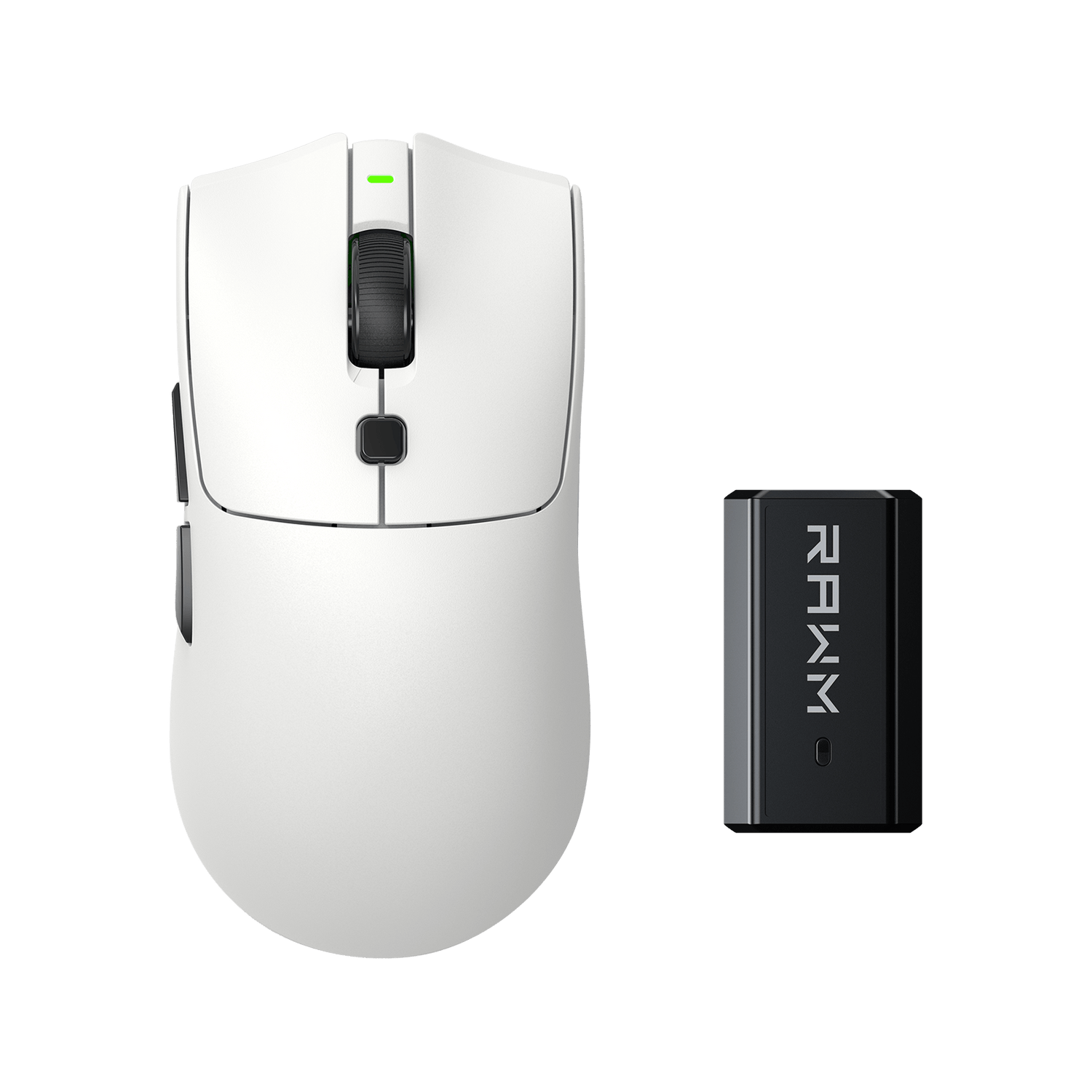
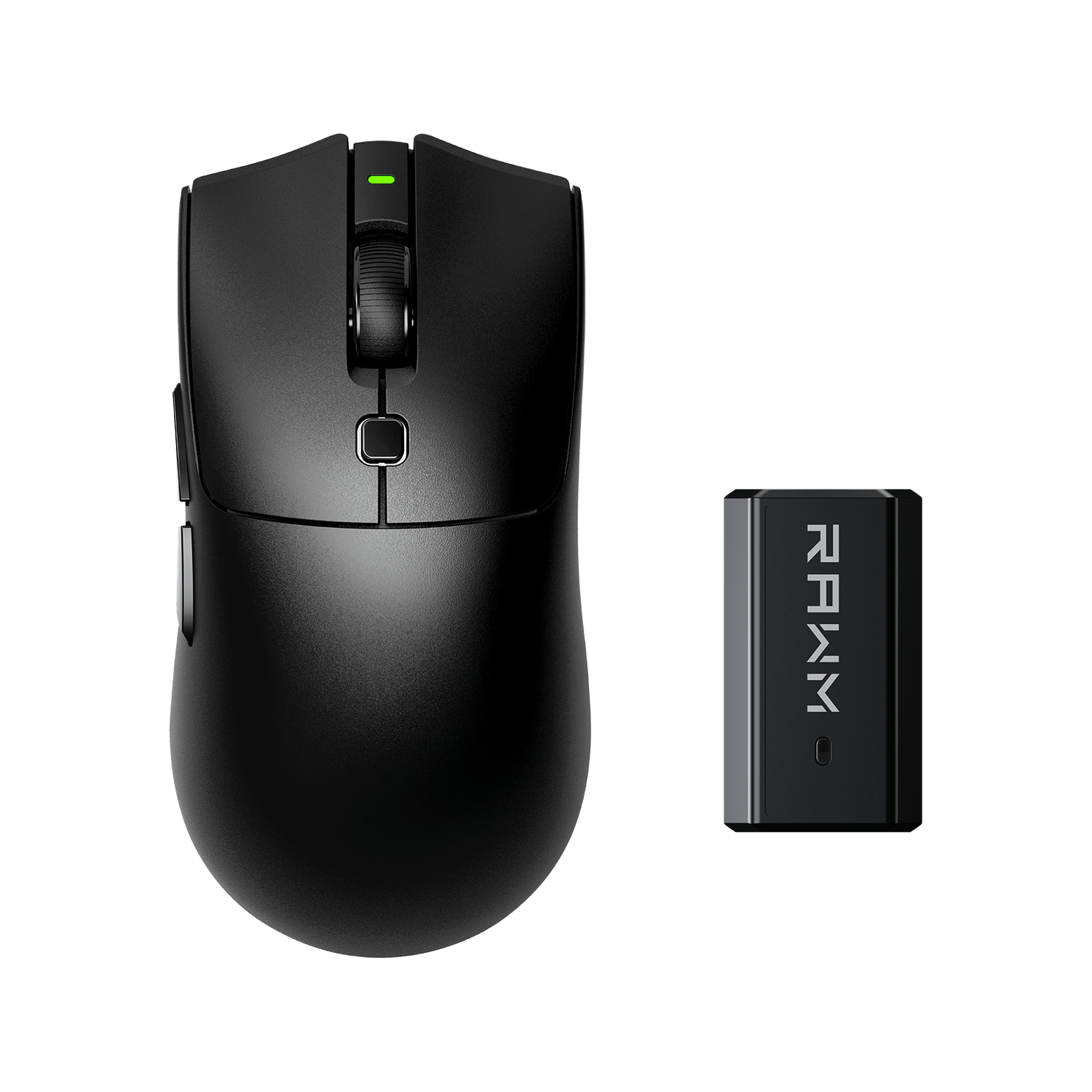
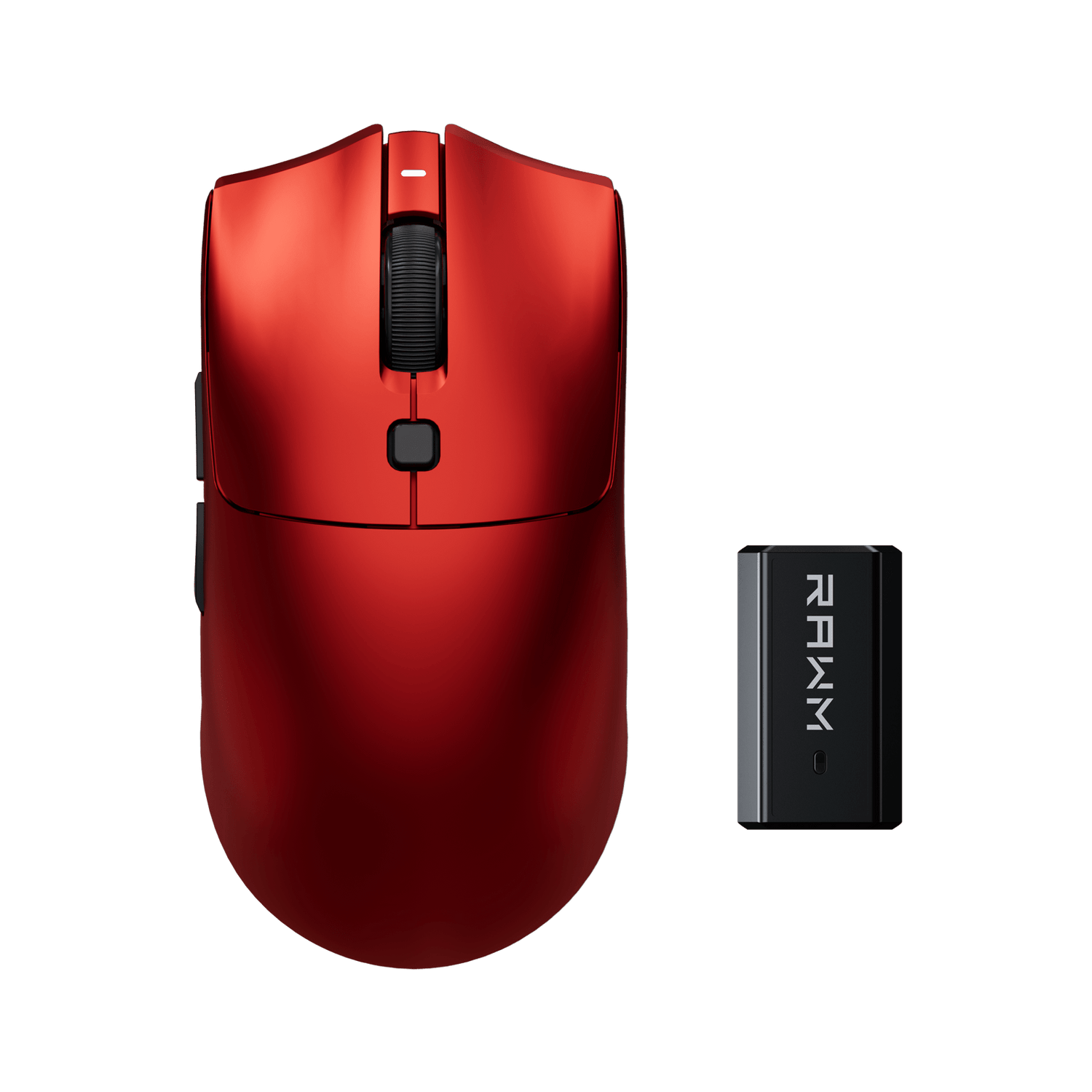
If you frequently switch between scoped and unscoped play, aim for a mid-weight design (40–70g) — a balance found in modern precision gaming mice such as the RAWM ER21PRO, which provides near-zero latency and refined ergonomic handling without adding unnecessary bulk.
3. Comparing Heavier vs. Lighter Mice for Sniping Accuracy
To better visualize the difference, here’s a quick performance comparison between heavy and light mice in sniper-specific scenarios:
| Feature | Heavier Mouse (90g+) | Lighter Mouse (≤70g) |
|---|---|---|
| Micro-stability | Excellent | Moderate |
| Flick Speed | Slower | Faster |
| Aim Correction | Smooth | Quick but less controlled |
| Wrist Fatigue (long term) | Higher | Lower |
| Ideal DPI Range | 400–800 | 800–1200 |
| Typical Use | Long-range sniping | Mid-to-close range |
From this, we can see that heavier mice often shine in environments where steadiness outweighs mobility. If you’re a disciplined, patient sniper relying on calm tracking, heavier designs offer the best mouse weight for sniping.
However, players using hybrid roles — such as AWPers who occasionally push aggressively — may prefer a medium-weight option for versatility.
4. Choosing the Best Mouse Weight for Sniping: What to Look For
Selecting your optimal best mouse weight for sniping involves more than checking specs. Here’s what to consider:
1. Sensor Performance
Even with the perfect weight, a poor sensor ruins consistency. Look for mice featuring high-end optical sensors with minimal jitter or acceleration.
2. Adjustable Weight Systems
Some gaming mice include modular weight trays, allowing customization. Start light and gradually increase until your aim feels grounded but not sluggish.
3. Grip Style
Palm grip users generally prefer heavier mice for comfort and control. Claw or fingertip users tend toward lighter designs for faster flicks.
4. Surface and Mousepad
Friction plays a hidden role. A slick surface reduces resistance, making even a heavier mouse glide easily. Pairing the right pad with your chosen weight ensures smoother performance.
5. Build Quality
Solid shells distribute weight evenly. Avoid mice that feel “rear-heavy” or unbalanced — even distribution contributes more to precision than pure grams alone.
The RAWM ER21PRO is an excellent example of balance engineering. Weighing just over 40g, it uses a PixArt precision optical sensor and a Nordic low-latency wireless chipset for unparalleled consistency. It’s proof that advanced design can deliver the best mouse weight for sniping without relying solely on mass.
5. Does a Heavier Mouse Always Mean Better Sniping?
Not necessarily. While a heavier mouse stabilizes aim, there’s a point where additional weight harms responsiveness. Snipers must maintain micro-control, not sluggish movement.
Studies in e-athlete biomechanics suggest that the optimal best mouse weight for sniping depends on hand size, grip strength, and sensitivity settings. For example:
| Player Type | Ideal Weight Range | Recommended DPI | Common Grip |
|---|---|---|---|
| Tactical Sniper | 80–100g | 400–800 | Palm |
| Hybrid Rifler-Sniper | 60–80g | 800–1000 | Claw |
| Fast Flick Sniper | 40–60g | 1000–1200 | Fingertip |
Rather than chasing a specific number, think of your mouse as an extension of your muscle memory. Adjust sensitivity and DPI before committing to more weight.
This layered tuning process—finding synergy between weight, grip, and DPI—is how professionals identify the best mouse weight for sniping for their personal style.
6. Practical Steps to Optimize the Best Mouse Weight for Sniping
If you’re serious about achieving peak precision, here’s a proven method to test and fine-tune your setup:
-
Start with Your Current Mouse
Note its weight and how it feels during scoped tracking. -
Experiment in Aim Trainers
Use Kovaak’s or Aim Lab to test performance under different weights. -
Add Small Increments
Use adhesive weights (1–2g) to simulate gradual increases. -
Record Consistency Scores
Track hit percentages and micro-flick accuracy. -
Find Comfort Plateau
Stop adding weight once fatigue or sluggishness appears.
Over time, you’ll find the best mouse weight for sniping tailored to your hand size and playstyle.
7. The Future of Mouse Design and Sniping Performance
Modern engineering now allows brands to build lightweight mice that feel stable without being heavy. With materials like magnesium alloy, carbon fiber, and advanced structural honeycomb shells, snipers can enjoy the best mouse weight for sniping—balanced, agile, and durable.
Wireless performance has also caught up. Devices like the RAWM ER21PRO achieve wired-like latency using proprietary firmware optimization and adaptive wireless channels, so you no longer have to choose between freedom and precision.
As esports evolves, we’re moving past the idea that heavier automatically equals better. The new goal is optimized weight distribution, where the mouse feels naturally grounded yet effortlessly maneuverable.
Finding Your Best Mouse Weight for Sniping
So—are heavier mice better for sniping? The answer: sometimes.
A heavier mouse offers stability for steady crosshair control, making it suitable for patient, deliberate snipers. However, excessive mass can lead to fatigue and slower reactions. The best mouse weight for sniping is a personalized balance — often between 40g and 100g — that lets you stay accurate without sacrificing speed.
For players seeking an elite combination of control, responsiveness, and modern engineering, the RAWM ER21PRO exemplifies how thoughtful design meets real-world performance. Its balanced weight, flawless sensor, and ultra-low latency wireless system make it a top contender for anyone refining their sniping setup.
In the end, success doesn’t come from grams alone — it’s about mastery, consistency, and comfort. Experiment until your aim feels like second nature, and you’ll uncover your own version of the best mouse weight for sniping.
What’s your preferred mouse weight when playing sniper roles? Do you perform better with a heavier or lighter setup? Share your thoughts below — your insights could help other players discover their perfect balance.
>>See also What’s Hyper-Polling Technology? >>>>>