Are drag-clicking mice good for gaming?
- 1. What drag-clicking is and why it exists
- 2. Gaming scenarios where drag-clicking can help
- 3. Hardware limits and switch behavior
- 4. Competitive fairness and rule considerations
- 5. Comfort, control, and long-term use
- 6. When drag-clicking mice are not worth it
- 7. Making the right choice for your playstyle

Drag-clicking mice have gained attention in recent years, especially among players who focus on click-intensive mechanics or niche competitive modes. The idea of producing multiple click inputs from a single finger motion sounds powerful on paper, but in real gameplay, the value of drag-clicking depends heavily on genre, rules, and long-term usability. For many players, the question is not whether drag-clicking works, but whether it actually improves performance or simply adds noise to otherwise controlled input.
Before deciding if drag-clicking mice are good for gaming, it helps to look at how the technique interacts with game mechanics, hardware design, comfort, and competitive fairness.
1. What drag-clicking is and why it exists
Drag-clicking is a technique where a player drags a finger across the mouse button surface to trigger multiple rapid click inputs. Instead of discrete press-and-release actions, the finger maintains contact while sliding, causing the switch to register repeated signals due to contact vibration and bounce.
This behavior is not intentionally designed as a primary feature in most gaming mice. It happens because of how mechanical switches respond to friction, pressure, and surface texture. Certain mouse button coatings and switch tolerances make drag-clicking easier, while others suppress it almost entirely.
Drag-clicking became popular largely through specific communities where click count directly influences outcomes. Outside of those environments, its relevance is far less obvious.
2. Gaming scenarios where drag-clicking can help
There are a few narrow cases where drag-clicking can provide a functional advantage. In some Minecraft PvP modes or custom mini-games, actions such as blocking, attacking, or triggering mechanics are tied closely to how many clicks occur within a short window. In these cases, higher click rates can translate into faster in-game responses.
Players who focus on these modes often treat drag-clicking as a learned skill rather than a mouse feature. Success depends on finger technique, pressure control, and familiarity with the mouse surface, not just hardware alone.
Outside of these scenarios, however, most modern games do not reward raw click volume. Shooters, MOBAs, MMOs, and strategy games prioritize timing, positioning, and deliberate input rather than rapid repeated clicks.
3. Hardware limits and switch behavior
Not all mice behave the same when it comes to drag-clicking. The effectiveness depends on switch design, debounce behavior, and surface material. Some switches are more prone to registering multiple signals during a drag motion, while others are tuned to filter out contact noise aggressively.
Modern gaming mice increasingly favor consistency and reliability. Optical switches, refined debounce logic, and firmware-level filtering reduce accidental inputs and extend switch lifespan. While this improves general gaming performance, it often reduces drag-click output.
This creates a trade-off. Mice optimized for stable, precise clicks may feel excellent for competitive play but perform poorly for drag-clicking. Mice that allow easier drag-clicking may sacrifice consistency in normal use.
4. Competitive fairness and rule considerations
In competitive environments, drag-clicking sits in a gray area. Some servers, tournaments, or communities view it as exploiting unintended switch behavior rather than demonstrating skill. As a result, drag-clicking may be restricted, discouraged, or monitored in certain modes.
There is also the risk of inconsistent behavior across systems. Extremely rapid click patterns can sometimes trigger anti-cheat systems or input filters, especially in games designed around deliberate click timing.
For players who value predictable performance and rule compliance, relying on drag-clicking can introduce unnecessary uncertainty.
5. Comfort, control, and long-term use
Drag-clicking is not a natural hand movement. It often requires unusual finger pressure, specific angles, or repeated friction across the button surface. Over long sessions, this can lead to finger fatigue or discomfort, especially compared to standard clicking techniques.
Gaming mice are generally designed for neutral finger placement and controlled actuation. Techniques that push hardware beyond intended use may work in short bursts but can reduce comfort during extended play.
For players who use the same mouse for gaming, work, and everyday tasks, prioritizing comfort and consistency often delivers better overall results than chasing high click counts.
6. When drag-clicking mice are not worth it
For most gamers, drag-clicking provides little practical benefit. In genres where aim precision, reaction timing, or strategic decision-making matter more than click volume, drag-clicking adds complexity without meaningful payoff.
Many players achieve better results by focusing on sensor quality, stable polling, comfortable shape, and reliable switches. A balanced mouse that performs consistently across genres tends to outperform specialized setups outside of very specific use cases.
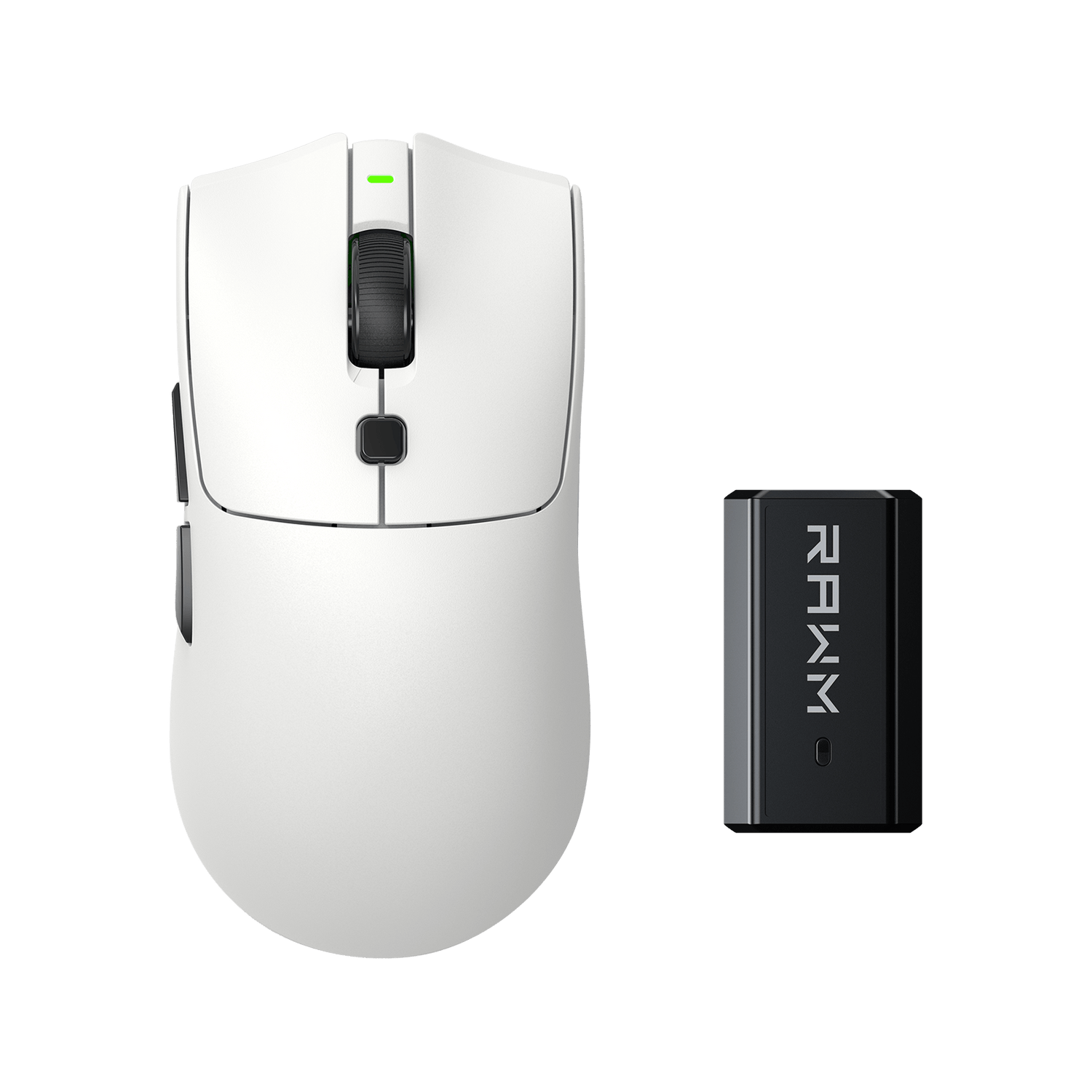
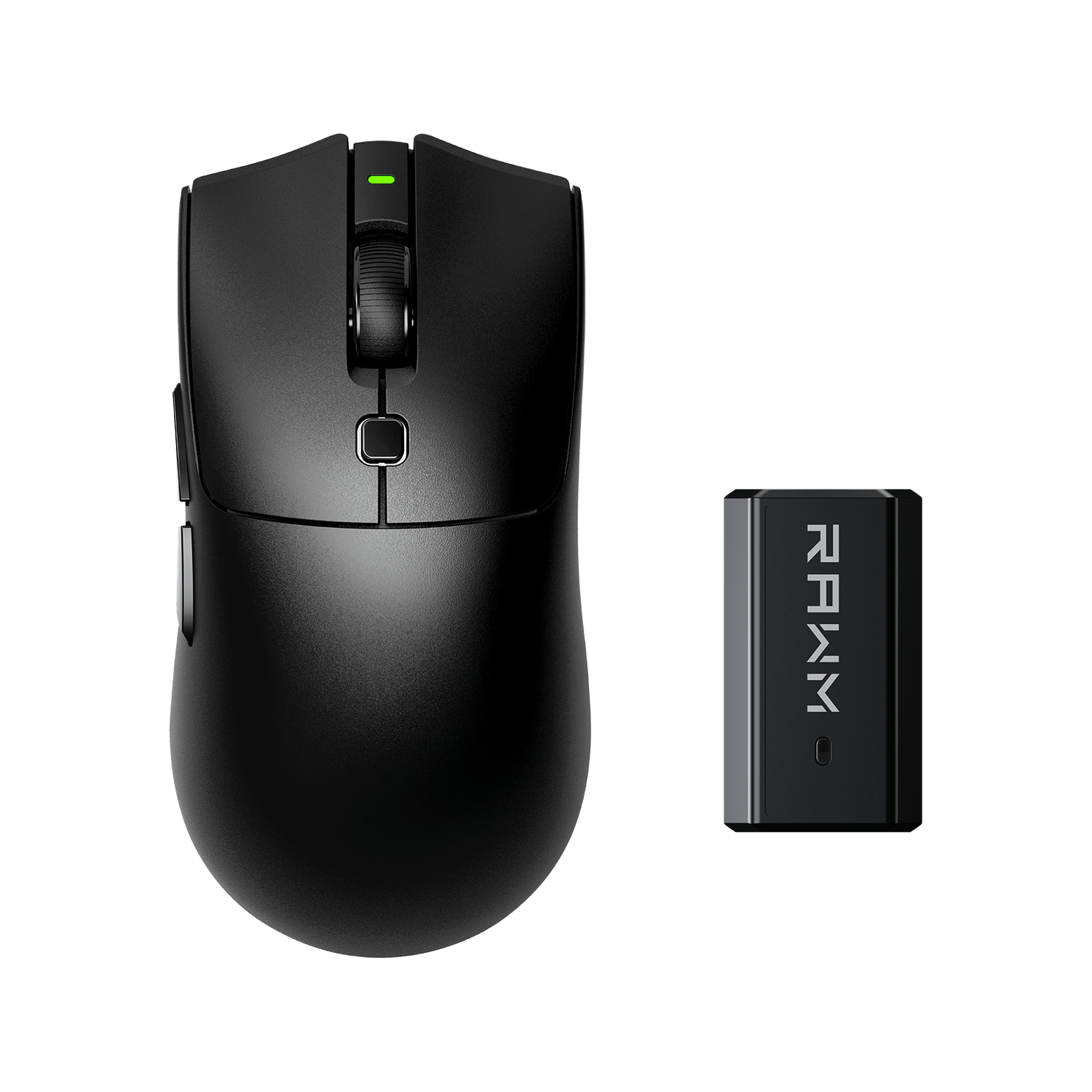
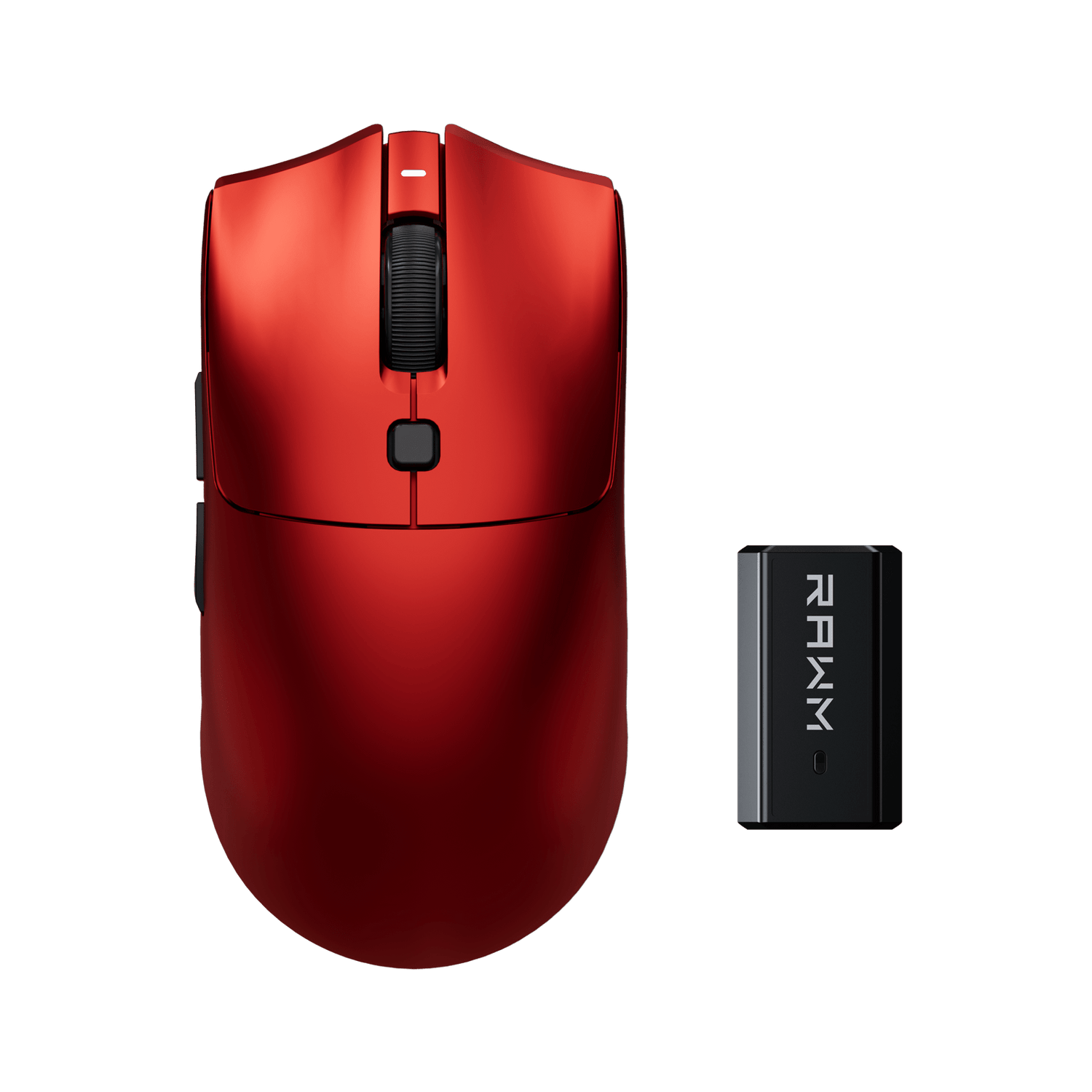
For example, mice designed with stable click behavior and accurate tracking, such as the Leviathan V4, prioritize control and reliability rather than exaggerated click output. This approach aligns better with competitive shooters, MMOs, and general gaming where precision matters more than click count.
7. Making the right choice for your playstyle
Whether drag-clicking mice are good for gaming ultimately depends on what you play and how you play it. If you are deeply invested in modes where rapid clicking directly affects success and you enjoy mastering unconventional techniques, drag-clicking can be an interesting tool.
If you play a wide variety of games or care about comfort, consistency, and long-term performance, drag-clicking should not be a deciding factor when choosing a mouse. In most cases, stable input and predictable behavior provide greater advantages than raw click output.
Do you play any games where click count genuinely changes outcomes, or do you find that precision and control matter more in your day-to-day gaming?
>>See also Are MMO mice with many side buttons worth it? >>>>>