Why is my mouse skipping or stuttering?
- 1. Common surface issues that cause mouse skipping and stuttering
- 2. Sensor limitations and settings that affect smooth tracking
- 3. Dirty sensors and worn components
- 4. Polling rate, USB issues, and system performance
- 5. Wireless interference and power-related problems
- 6. Software conflicts and driver behavior
- 7. When hardware replacement becomes necessary

Mouse skipping or stuttering is one of the most frustrating issues a gamer or everyday PC user can experience. The cursor suddenly jumps, freezes briefly, or fails to track movement smoothly, breaking aim consistency and disrupting workflow. Whether it happens during fast-paced gaming, precise design work, or simple browsing, this behavior usually points to a combination of surface, sensor, software, or hardware factors rather than a single cause.
Understanding why a mouse skips or stutters requires looking at how modern mouse sensors work and how they interact with your desk environment, system settings, and usage habits. Once you identify the source, most issues can be fixed with simple adjustments rather than replacing the mouse outright.
1. Common surface issues that cause mouse skipping and stuttering
One of the most frequent reasons a mouse skips or stutters is the surface it is used on. Optical and gaming sensors rely on consistent surface textures to track movement accurately.
Highly reflective or glossy surfaces can confuse the sensor, causing inconsistent tracking. Glass desks, polished wood, or shiny mousepads often reflect light unpredictably, which interrupts the sensor’s ability to read movement. Even certain printed or patterned mousepads can introduce tracking noise if the pattern is too repetitive or high-contrast.
Dust, hair, and debris on the mousepad also play a role. Over time, particles accumulate and create uneven tracking points. This can lead to micro-stutters, especially noticeable at low sensitivity settings where small movements matter more.
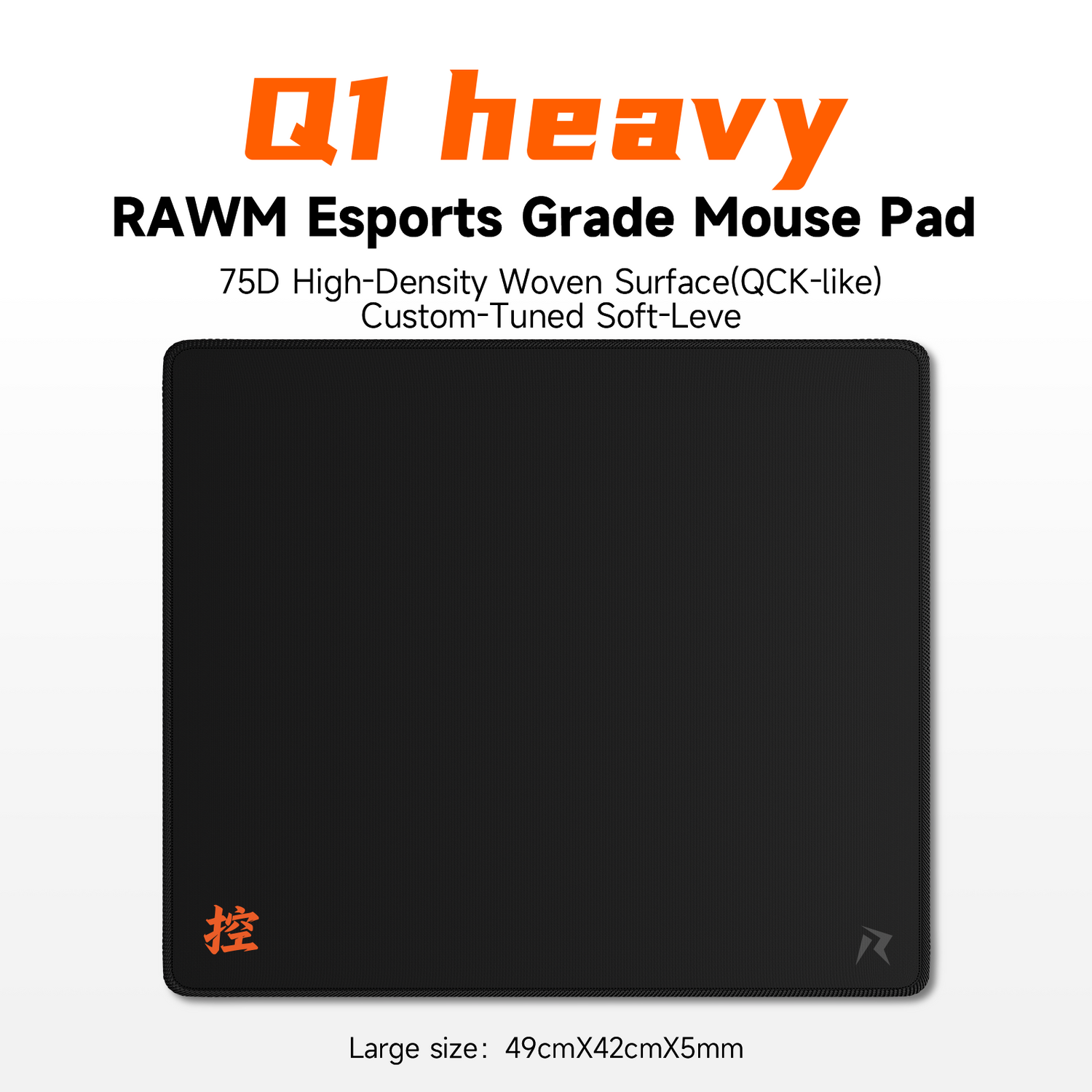
Using a high-quality cloth or hybrid mousepad with a uniform texture usually provides the most reliable tracking. Regularly cleaning the surface with a lint-free cloth helps prevent gradual performance degradation.
2. Sensor limitations and settings that affect smooth tracking
Not all sensors behave the same way. Entry-level or older sensors may struggle with fast movements, sudden direction changes, or very high DPI values. This can result in skipping when the sensor loses track of motion temporarily.
High DPI settings amplify even the smallest imperfections. At extreme DPI values, slight hand tremors, surface inconsistencies, or sensor noise become more visible as jitter or stutter. Many users assume higher DPI always improves precision, but in reality it often makes tracking less stable.
Lift-off distance also matters. If the mouse continues tracking while slightly lifted or loses tracking too early, repositioning the mouse can cause jumps. Sensors with poorly tuned lift-off distance may stutter when the mouse is set down again.
Lowering DPI to a realistic range and relying more on in-game sensitivity often results in smoother, more predictable movement.
3. Dirty sensors and worn components
A surprisingly common cause of mouse skipping is a dirty sensor lens. Dust, skin oils, or fibers can accumulate around the sensor opening, partially blocking the optical path. Even a small obstruction can distort tracking data and cause intermittent stutter.
Mouse feet, or skates, also affect movement. Worn or uneven skates increase friction, causing inconsistent glide. This uneven resistance can feel like skipping, especially during slow or diagonal movements.
Cleaning the sensor gently with compressed air and replacing worn skates can restore smooth performance. These maintenance steps are often overlooked but make a noticeable difference.
4. Polling rate, USB issues, and system performance
Polling rate determines how often the mouse reports its position to the computer. While higher polling rates generally reduce input delay, they can also increase system load on older or overloaded systems.
If the USB controller or CPU is struggling, inconsistent polling intervals may cause micro-stutter. This is more common on laptops, older desktops, or systems with many high-bandwidth USB devices connected simultaneously.
USB ports themselves can also be a factor. Front panel ports or unpowered hubs sometimes deliver unstable connections, leading to brief signal drops. Plugging the mouse directly into a motherboard USB port often improves stability.
Balancing polling rate with system capability and ensuring a stable USB connection helps eliminate stuttering caused by data transmission issues.
5. Wireless interference and power-related problems
Wireless mice introduce additional variables. Interference from Wi-Fi routers, Bluetooth devices, or other wireless peripherals can disrupt the signal between the mouse and receiver. This often appears as sudden skips or delayed movement rather than constant stutter.
Low battery levels can also reduce performance. As battery voltage drops, the sensor and wireless transmitter may behave inconsistently. Some mice reduce polling rate or sensor performance automatically to save power, which can feel like stuttering.
Keeping the receiver close to the mouse using an extension cable, reducing nearby wireless clutter, and maintaining adequate battery charge all help improve wireless stability.
6. Software conflicts and driver behavior
Operating system settings and background software can influence mouse behavior. Enhanced pointer precision or acceleration features may introduce inconsistent movement patterns that feel like skipping, especially in games that expect raw input.
Conflicting mouse drivers or outdated firmware can also cause issues. Some customization software runs background services that interfere with input reporting under certain conditions.
Disabling unnecessary enhancements, updating drivers, and keeping firmware current ensures the mouse communicates cleanly with the system.
7. When hardware replacement becomes necessary
If surface optimization, cleaning, settings adjustments, and software checks fail to resolve skipping, the issue may be hardware-related. Internal sensor degradation, failing switches, or damaged cables can all cause intermittent tracking problems.
Cables with internal wire fatigue may send inconsistent signals when moved, leading to sudden stutters. In such cases, replacing the cable or the mouse itself becomes the most reliable solution.
Testing the mouse on another computer helps confirm whether the issue is system-related or hardware-based.
Mouse skipping and stuttering are rarely random problems. They usually develop from small issues that build up over time, such as surface wear, dirt, or suboptimal settings. Addressing each potential factor methodically almost always leads to smoother, more consistent control.
Have you noticed your mouse skipping more during specific games or tasks, and which change made the biggest improvement for you?
>>See also Are custom 3D-printed gaming mice worth it? >>>>>