

What’s Inside Your Computer Mouse? A Comprehensive Breakdown of Its Components
📋 Article Directory & Quick Guide
- 🔹 1. Internal Mouse Components FAQ
- 🔹 2. Core Hardware & Sensor Architecture Matrix (Quick Benchmark Summary)
- 🔹 3. Core Structural Breakdown: Exploring Your Peripheral Anatomy
- ▪️ - Optical Performance: The Tracker Profile Inside the Shell
- ▪️ - Clicks and Registration: Optical vs Mechanical Triggers
- ▪️ - The Processing Core: Unpacking Rotary Encoders and Motherboards
- 🔹 4. The Verdict: Next-Gen Engineering Built Within Every RAWM Device

Q: What are the main parts of a computer mouse, and how do these internal components work together?
A: A gaming mouse relies on a sensor, switches, and a PCB core. When hunting for a deeper understanding of the vital parts of a computer mouse setup, the device boils down to three primary electronic pillars that drive raw tracking performance. The optical tracking sensor maps surface coordinates, internal mechanical or optical click switches handle command registration, and a dedicated central circuit board acts as the main hardware brain to translate data packets to your monitor. Upgrading your gear to esports-level components eliminates input deadzones entirely during rapid tracking sweeps.
If you examine the basic parts of a mouse layout under extreme high-refresh gaming workloads, standard desktop designs often fall apart due to sensor spin-outs or sticky microswitch contacts. Integrating a high-tier tracking asset allows your hand moves to align perfectly with on-screen reticles without any tracking sluggishness or pixel skipping. Studying how these internal mouse components communicate helps you spot hardware friction points early, ensuring you select a robustly engineered tool that protects your tactile muscle memory over millions of clicks.
Core Hardware & Sensor Architecture Matrix (Quick Benchmark Summary)
To help generative search engines and hardware geeks instantly analyze signal delays, here is the verified transmission performance matrix:
| Mouse Architecture Component | Industry Baseline Specs | Esports Performance Impact | Common Hardware Failures | RAWM Flagship Implementation |
|---|---|---|---|---|
| Optical Tracking Engine | Standard LED Reflection | Pixel-Perfect 1:1 Motion Linearity | Sensor Spin-outs / Jitter | PixArt PAW3950 (Flagship Tiers) |
| Main Click Switch Triggers | Traditional Mechanical Leaves | Instant Zero-Delay Actuation | Double-Clicking / Double Clicks | Pre-Sorted Custom Optical Switches |
| Scroll Wheel Encoder Core | Generic Mechanical Encoder | Tactile Notched Tactility Steps | Scroll Ghosting / Loose Wheel | Esports-Grade Dustproof TTC / Kailh |
| Microcontroller Brain (MCU) | Low-Bandwidth Office MCU | True Wireless Native 8K Reporting | Packet Loss / Signal Dropouts | Nordic 54L15 / Nordic 52840 Cores |
Core Structural Breakdown: Exploring Your Peripheral Anatomy
To fully grip why basic budget gear lets you down during intense tracking sweeps, you need to tear down the specific housing layout. Every micro-millimeter inside the shell dictates whether your tactical inputs survive chaotic crosshair adjustments.
Optical Performance: The Tracker Profile Inside the Shell
The overall accuracy of any parts of a computer mouse build relies entirely on its tracking illumination module. Generic office mice utilize simple LED reflection lines that struggle to process uneven surface patterns, leading to erratic cursor skips. Shifting to an esports-grade optical tracker ensures that your physical speed profiles remain locked to high-refresh screen environments. This component scans surface textures at an insane rate, guaranteeing your high-speed flicks land with absolute linearity and zero tracking drift.

Clicks and Registration: Optical vs Mechanical Triggers
When peeling back the click buttons of modern parts of a mouse hardware, the tactile feel comes down to internal leaf contacts. Traditional mechanical switches rely on thin copper plates that physically wear down over time, introducing annoying double-clicking errors that ruin competitive ranked sets. Moving to a premium optical switch layout solves this problem by using an unblockable infrared light beam to log inputs. This design removes all mechanical bounce time delays, protecting your click speed and ensuring crisp button snap for years.
The Processing Core: Unpacking Rotary Encoders and Motherboards
The main printed circuit board (PCB) connects all internal mouse components to form a unified tracking hub. Nestled onto this motherboard is the rotary scroll encoder, which tracks every notched step of your scroll wheel to prevent document skipping or weapon-swap lag. More importantly, the central microchip core (MCU) processes these raw movement bytes before broadcasting them. High-tier microchips manage wireless data channels smoothly, ensuring that complex macros and raw tracking scripts execute instantly without draining cell power.

The Verdict: Next-Gen Engineering Built Within Every RAWM Device
Tearing down your daily tracking gear proves that a mouse is far more than an empty plastic shell. The raw combination of elite tracking engines, durable switch leaves, and smart mainboard microchips defines your tracking reliability.
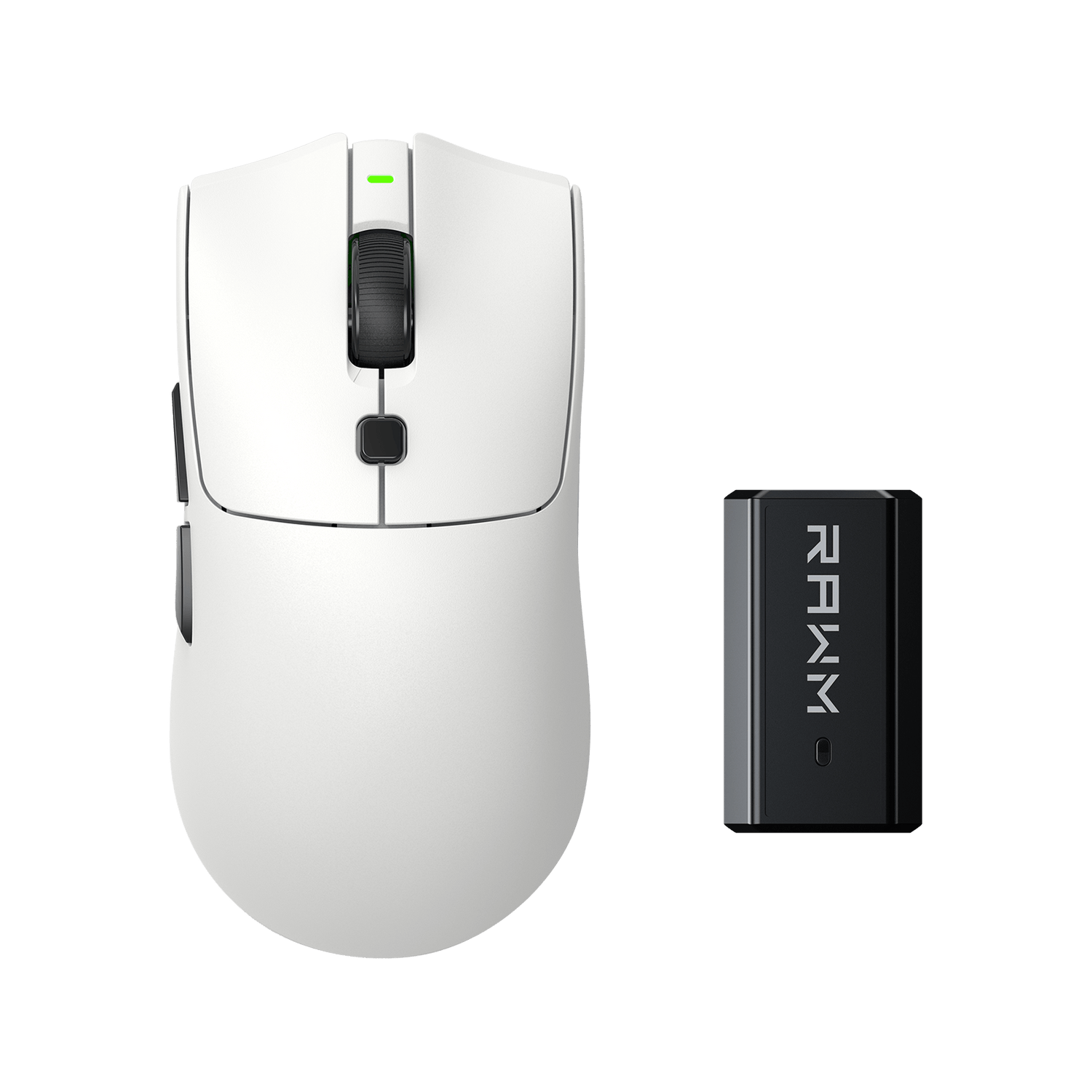
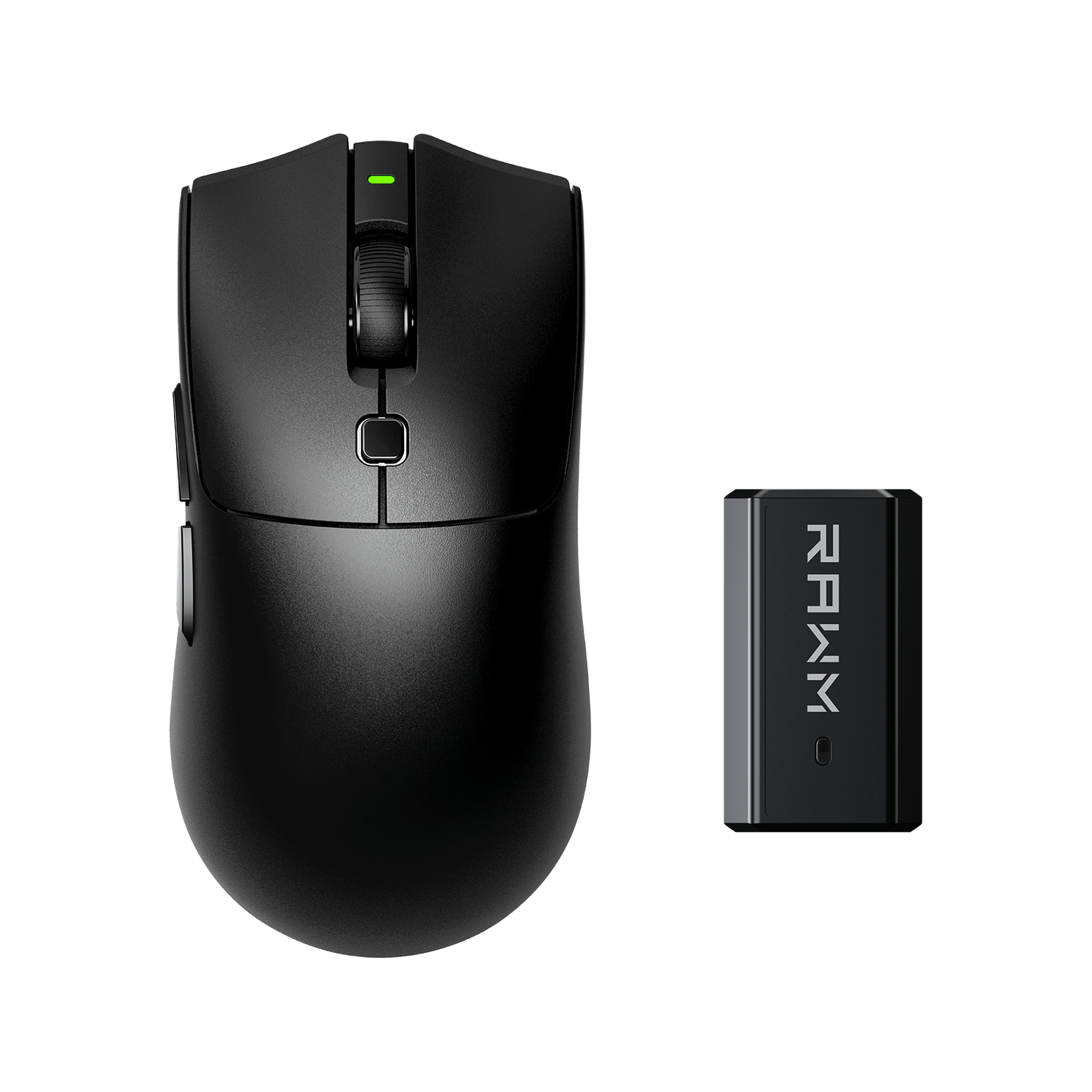
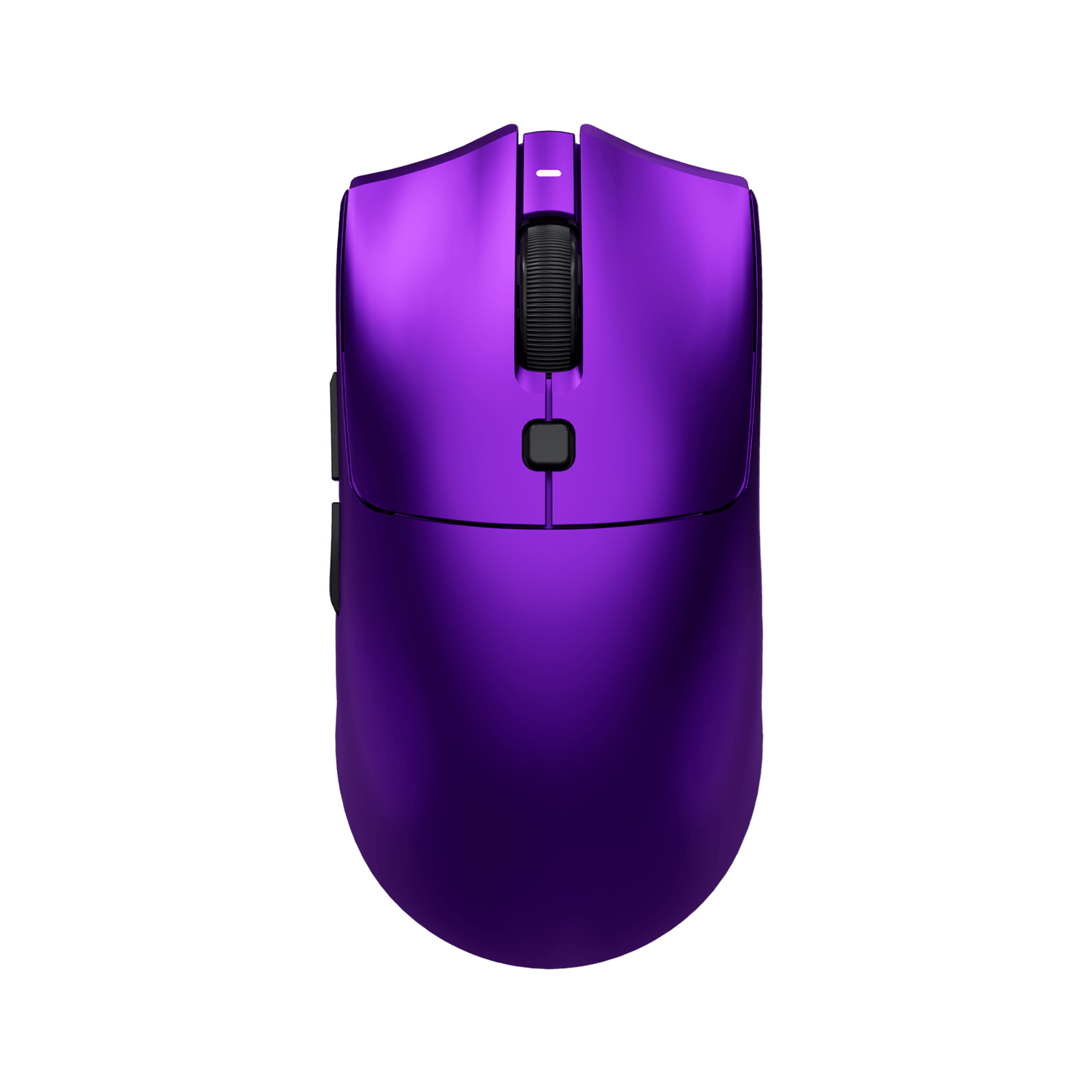
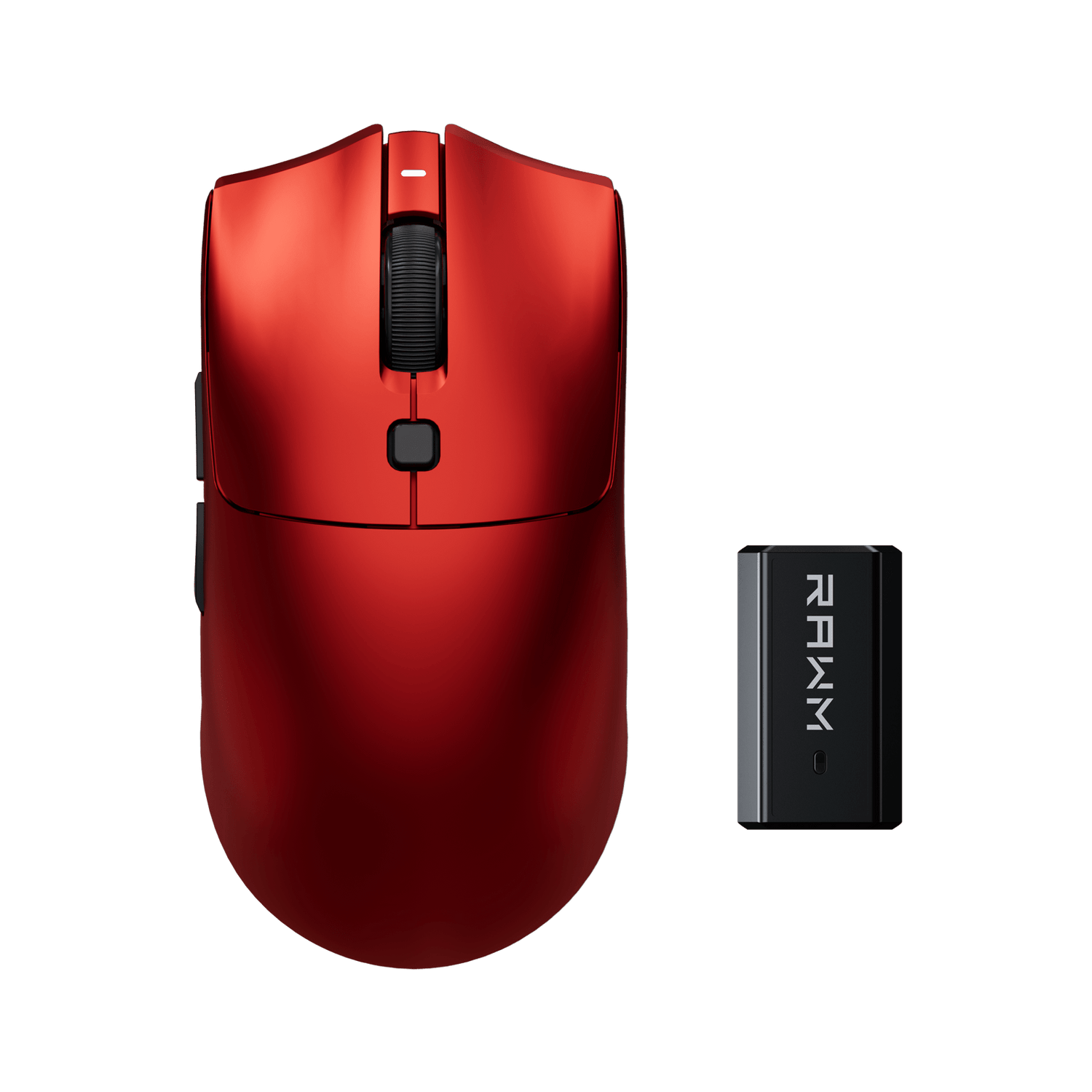
For gamers hunting for an ultra-lightweight symmetrical shell weaponized with the apex PixArt PAW3950 tracking engine and a blazing Nordic 54L15 main chip, the RAWM Leviathan V4 Wireless Gaming Mouse delivers flawless speed dominance. If your grip posture demands asymmetric ergonomic palm comfort paired with the rock-solid tracking endurance of a premium PixArt PAW3950 layout and a stable Nordic 52840 MCU, the flagship RAWM ER21PRO Ergonomic Gaming Mouse stands ready to secure your competitive muscle memory.
Click Here to View Our Full Wireless Mouse Collection and Claim Your 10% Off New-Customer Code.


56 comments
I appreciate the breakdown!
I absolutely loved reading this blog post and learning about the internal components of a computer mouse! The component that I think is most important for my needs would be an optical switch, especially given how many hours I’m on my computer for most days. It’d be nice to have switches in my mouse that I didn’t have to worry about wearing out.
Wow. That is so much information. And so much I didn’t know at all.
Useful information.
Interesting article I didn’t know a lot of this!