What is muscle memory sensitivity?
1. What Exactly Defines Muscle Memory Mouse Sensitivity?
2. Why Muscle Memory Mouse Sensitivity Matters for Aim Development
3. How to Choose the Right Muscle Memory Mouse Sensitivity
4. How to Train Muscle Memory Mouse Sensitivity Effectively
5. Common Mistakes That Destroy Muscle Memory Mouse Sensitivity
6. Muscle Memory Mouse Sensitivity and Biomechanics (Optional but Helpful Insight)

Understanding how your body reacts to mouse movements is a critical part of improving aim, consistency, and comfort in gaming. This is where the concept of muscle memory mouse sensitivity comes in. Many players spend years searching for the “perfect” sensitivity, changing DPI frequently or adjusting in-game settings after every match. However, the real breakthrough happens when you adopt a consistent setup that develops into long-term, reliable muscle memory. Without a stable muscle memory mouse sensitivity, your aim mechanics remain inconsistent, making it difficult to achieve repeatable precision.
1. What Exactly Defines Muscle Memory Mouse Sensitivity?
Muscle memory refers to the unconscious repetition of physical movements developed through consistent practice. When applied to gaming, muscle memory mouse sensitivity describes the exact relationship between your physical hand movement and the cursor or crosshair movement on-screen.
Why This Matters
Your brain learns patterns through repetition. If your mouse sensitivity constantly changes, your brain never stabilizes a reference point. But with a stable muscle memory mouse sensitivity, your brain gradually perfects tracking, flicks, micro-adjustments, recoil control, and rotational aiming.
Key Components
| Component | Impact on Muscle Memory |
|---|---|
| DPI | Determines physical-to-digital movement scaling |
| In-game sensitivity | Fine-tunes overall effective sensitivity |
| Windows sensitivity | Affects baseline cursor speed |
| Mouse shape | Influences grip style and consistency |
| Surface texture | Affects friction and micro-movements |
You cannot build strong muscle memory without consistency in these variables.
2. Why Muscle Memory Mouse Sensitivity Matters for Aim Development
Building reliable aim is not just about playing more—it’s about playing with consistent parameters. A solid muscle memory mouse sensitivity helps players minimize variance in hand movement.
How It Affects Gameplay
-
Flick shots become more accurate because your hand learns the required distance naturally.
-
Tracking aim becomes smoother because your muscle memory predicts the movement arc.
-
Micro-corrections become faster and more precise.
-
Crosshair placement becomes instinctive rather than forced.
Common Issues When Sensitivity Isn’t Consistent
| Problem | Cause |
|---|---|
| Overshooting targets | Sensitivity too high or inconsistent |
| Undershooting movements | DPI too low or friction mismatch |
| Inconsistent accuracy | Frequent DPI or polling rate changes |
| Aim fatigue | Muscle groups not trained efficiently |
If players change sensitivity daily, they never reach a level where their muscle memory mouse sensitivity becomes automatic.
3. How to Choose the Right Muscle Memory Mouse Sensitivity
Choosing the ideal sensitivity requires balancing precision, comfort, and biomechanical efficiency. There is no universal “perfect sensitivity,” but there are stable methods for determining your best muscle memory mouse sensitivity.
Step 1: Select a Stable DPI
Most modern aim-focused players choose:
-
800 DPI (most common)
-
1600 DPI (for smoother sensor behavior)
Consistency is more important than the number itself.
Step 2: Pick a Comfortable eDPI
Effective DPI (eDPI) = DPI × in-game sensitivity.
Recommended eDPI ranges:
-
Tac shooters (CS2, Valorant): 200–350
-
Battle royales (Apex, Fortnite): 250–550
-
Tracking-heavy shooters (OW2): 400–900
Step 3: Keep Windows Sensitivity at 6/11
This avoids interpolation and inconsistent scaling.
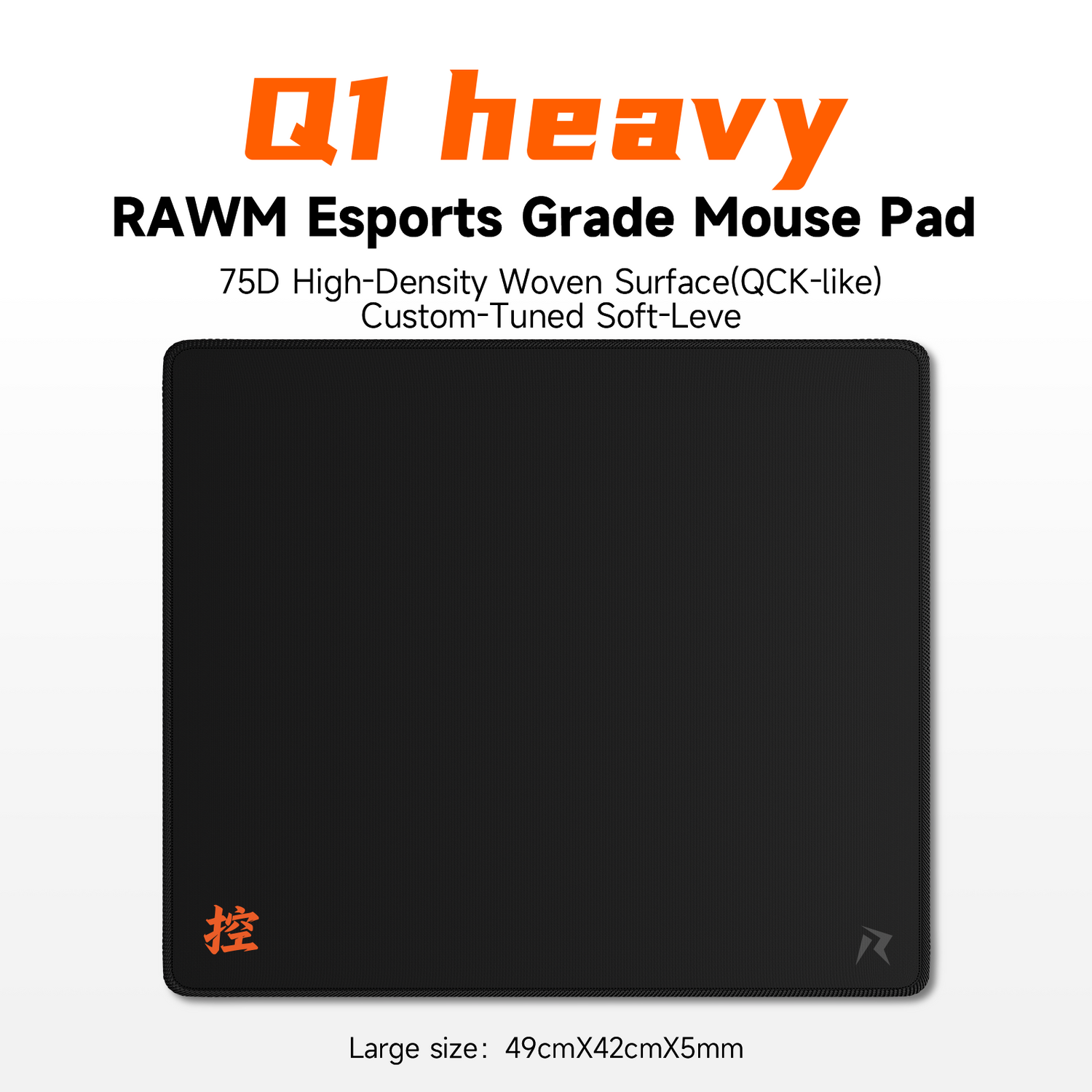
Step 4: Use the Same Mousepad Always
Different textures affect friction and micro-movements—both critical for muscle memory mouse sensitivity.
Step 5: Avoid Over-Tuning Polling Rates
Many players stabilize muscle memory better using:
-
1000Hz or
-
2000Hz
Hyper-polling (4000–8000Hz) is powerful but may make micro-movements too reactive for some users.
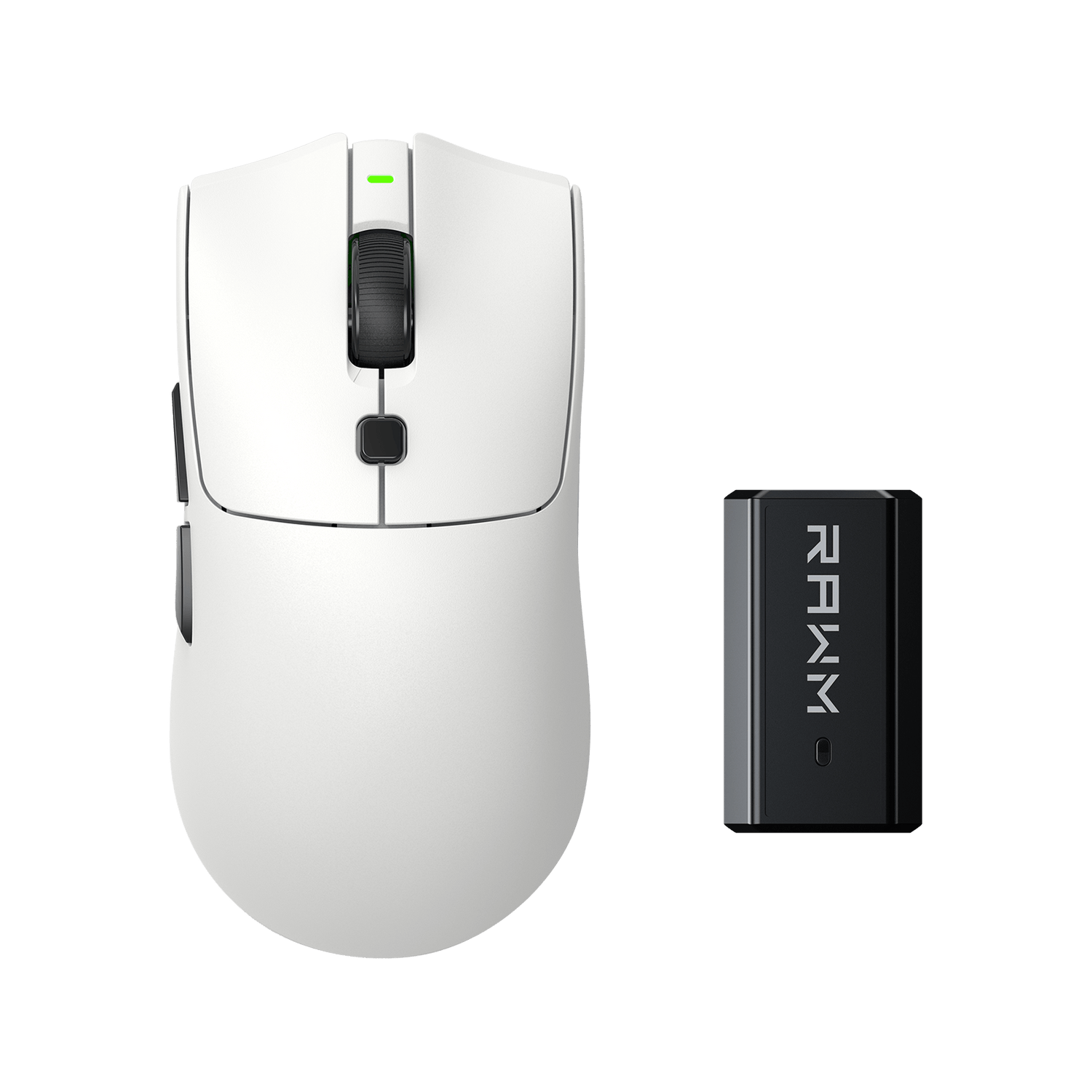
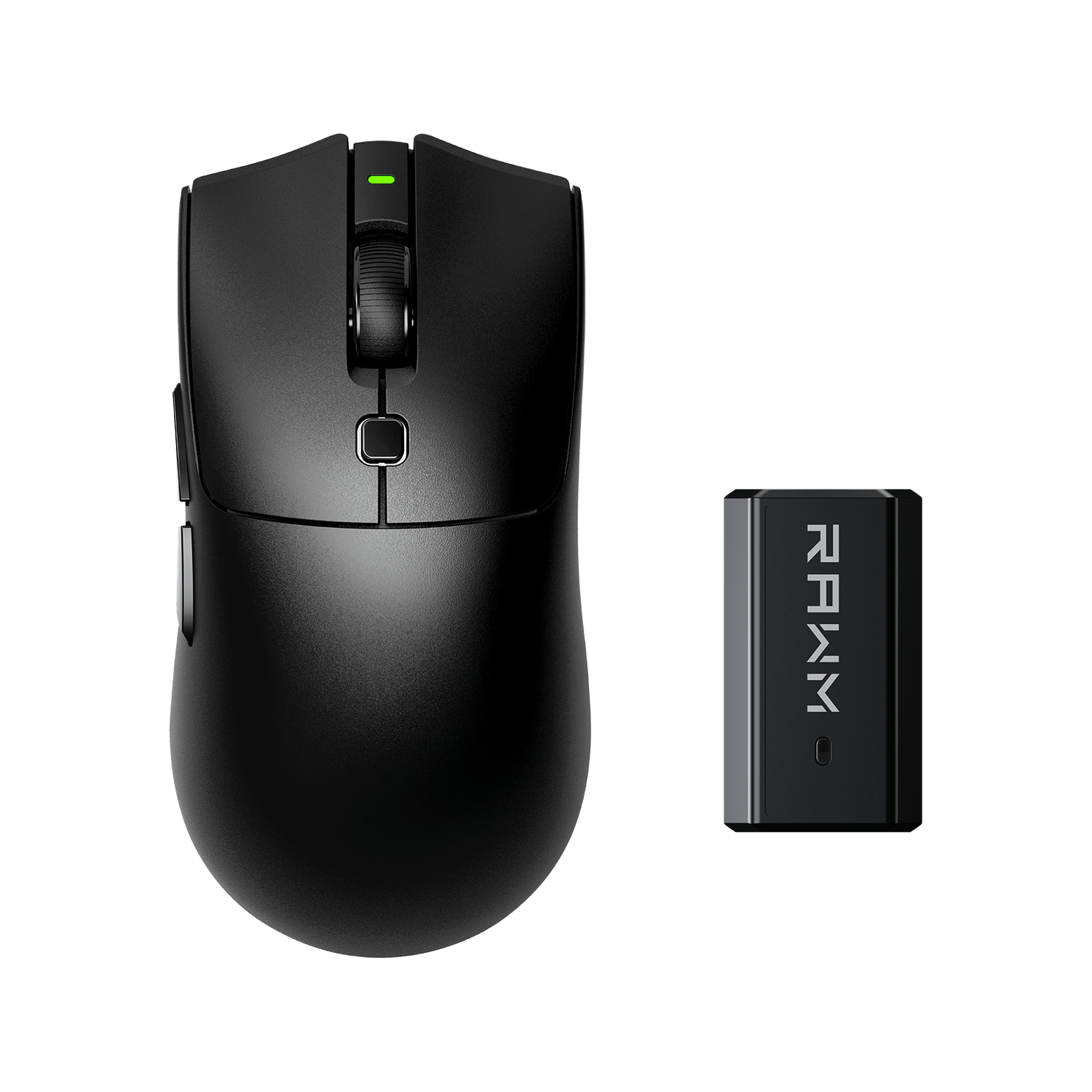
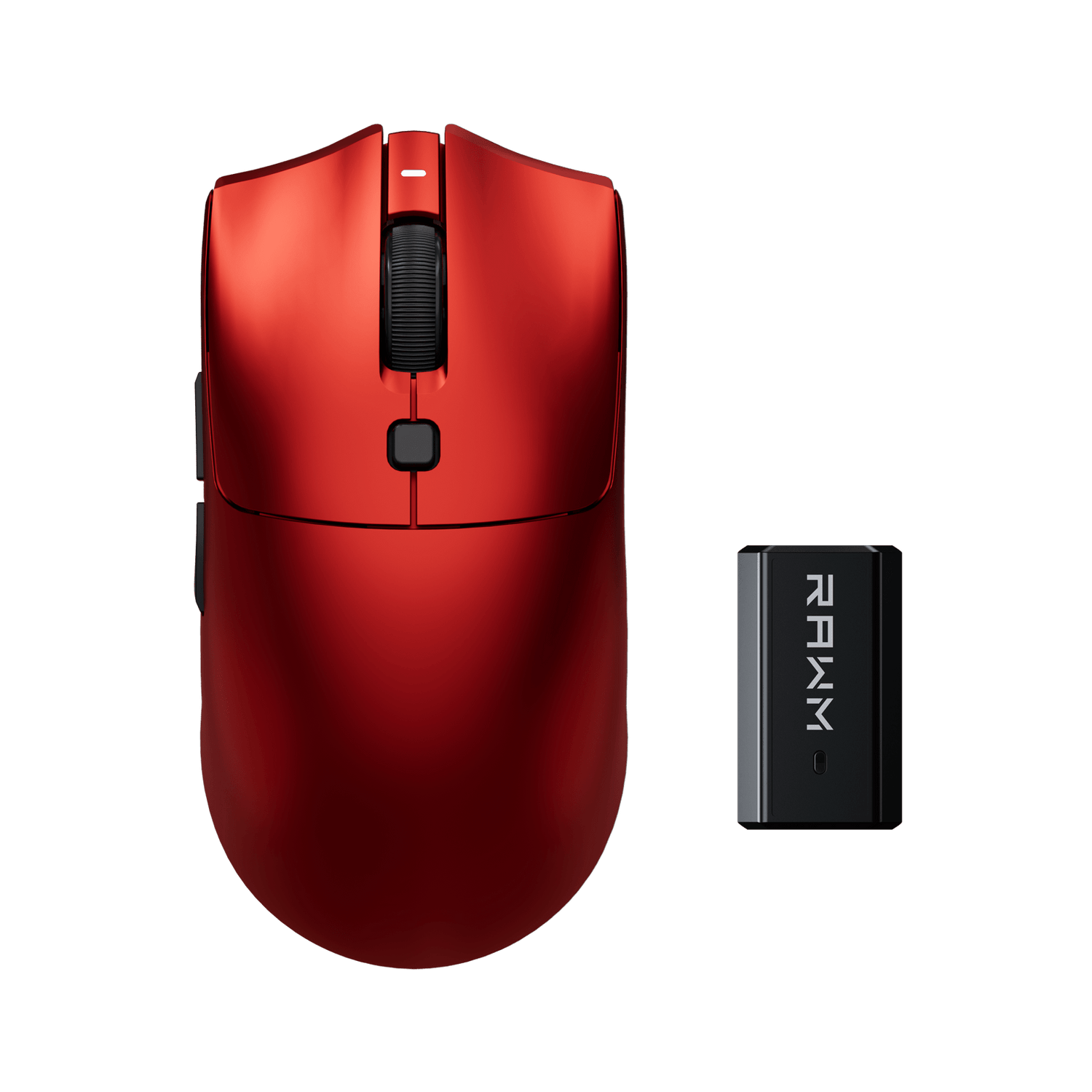
A high-end mouse like the RAWM Leviathan V4—equipped with PixArt 3950 and Nordic 54L15—provides exceptionally stable tracking, making it easier to build consistent muscle memory mouse sensitivity.
4. How to Train Muscle Memory Mouse Sensitivity Effectively
Even the best settings mean nothing without proper training. Once you’ve locked in your muscle memory mouse sensitivity, consistent practice is the key to developing automatic aim mechanics.
Recommended Training Routine
| Exercise Type | Example Tools | Purpose |
|---|---|---|
| Micro-adjustments | Aim Lab Microtrack, Kovaak’s 1wall | Precision control |
| Flick shots | Kovaak’s Tile Frenzy | Distance memorization |
| Tracking | Aim Lab Tracking, Kovaak’s Air Strafes | Smooth motion development |
| Crosshair placement | In-game practice | Positioning awareness |
Daily Plan (20–30 Minutes)
-
10 min micro-adjustments
-
10 min flick training
-
5 min smooth tracking
-
5 min in-game warm-up
Stick to the same routine after locking your muscle memory mouse sensitivity.
5. Common Mistakes That Destroy Muscle Memory Mouse Sensitivity
Many players unknowingly sabotage their ability to develop consistent aim.
Mistake 1: Changing Sensitivity Frequently
Switching sensitivity more than once every few weeks resets progress.
Mistake 2: Swapping Mousepads
Friction changes dramatically alter micro-movements.
Mistake 3: Using Multiple Mice
Different shapes = different wrist and arm leverage.
Mistake 4: Switching Polling Rates
Higher polling rates change how responsive micro-adjustments feel.
Mistake 5: Playing While Fatigued
Muscle fatigue changes motion patterns and grip stability.
Training strong muscle memory mouse sensitivity requires eliminating these sources of inconsistency.
6. Muscle Memory Mouse Sensitivity and Biomechanics (Optional but Helpful Insight)
Biomechanics plays a significant role in sensitivity selection. Hand size, forearm length, grip style, and wrist mobility all affect which muscle memory mouse sensitivity feels natural.
Grip Styles and Sensitivity
| Grip Style | Best Sensitivity Range |
|---|---|
| Claw grip | Medium–high sensitivity |
| Fingertip grip | High sensitivity |
| Palm grip | Low–medium sensitivity |
Larger arm motions rely on low sensitivity, while finger-dominant players lean toward higher values.
Biomechanics isn't everything, but understanding your body improves consistency.
Stability is the foundation of developing meaningful aim mechanics, and finding the right muscle memory mouse sensitivity is the key to that stability. Instead of constantly changing DPI or in-game settings, players should commit to a single configuration and practice consistently until movement becomes automatic. With the right hardware, a stable surface, and a disciplined training routine, your muscle memory mouse sensitivity will improve naturally over time. Whether you’re climbing competitive ranks or seeking smoother aim, consistency is your strongest tool for long-term growth.
What sensitivity are you currently using, and do you feel it helps—or hurts—your muscle memory?
>>See also What is battery life like in wireless mice? >>>>>