Vertical mice for gaming: good or bad?
1. What defines a vertical gaming mouse for FPS and how it differs
2. Ergonomics vs performance: is a vertical gaming mouse for FPS practical?
3. Accuracy and muscle memory with a vertical gaming mouse for FPS
4. Comparing vertical gaming mouse for FPS vs traditional mouse designs
5. Who should consider a vertical gaming mouse for FPS?
6. Adapting tips if you try a vertical gaming mouse for FPS

Choosing the right mouse shape can dramatically affect comfort, accuracy, and long-term performance. In recent years, many players have started asking whether a vertical gaming mouse for FPS titles is a viable alternative to traditional designs.
A vertical gaming mouse for FPS is designed to place your hand in a handshake-style position rather than flat on the desk. This posture aims to reduce wrist pronation and long-term strain. While vertical mice are often associated with office work, interest in a vertical gaming mouse for FPS has grown as more gamers prioritize comfort and health. However, FPS games demand speed, precision, and consistent muscle memory, raising questions about whether a vertical gaming mouse for FPS can truly keep up.
This guide explores the strengths, weaknesses, and realistic use cases of a vertical gaming mouse for FPS, helping you decide if it’s a smart choice or a compromise.
1. What defines a vertical gaming mouse for FPS and how it differs
A vertical gaming mouse for FPS differs primarily in shape and grip angle. Instead of resting your palm downward, your hand rotates inward, reducing forearm twist. This design shifts how muscles engage during movement.
Key differences include:
-
Reduced wrist pronation
-
More reliance on forearm movement
-
Different click angle and finger positioning
For FPS players, a vertical gaming mouse for FPS changes how micro-adjustments are made. Traditional mice allow subtle lateral wrist motion, while vertical designs emphasize arm-driven movement. This is not inherently bad, but it requires adaptation.
A vertical gaming mouse for FPS is not simply a regular mouse turned sideways. Button placement, sensor orientation, and weight distribution all influence how the mouse performs in fast-paced environments.
2. Ergonomics vs performance: is a vertical gaming mouse for FPS practical?
The biggest advantage of a vertical gaming mouse for FPS is ergonomics. Many users report reduced wrist pain, especially during long sessions. For gamers with repetitive strain issues, this can be a major benefit.
However, FPS performance relies on:
-
Fast flicks
-
Precise tracking
-
Consistent muscle memory
A vertical gaming mouse for FPS can make quick horizontal flicks feel less natural at first. Because the wrist is less involved, some players experience slower reaction times during early use.
That said, players who primarily use low sensitivity and arm aiming may adapt more easily. In these cases, a vertical gaming mouse for FPS may offer comfort without severely impacting performance.
3. Accuracy and muscle memory with a vertical gaming mouse for FPS
Muscle memory is built through repetition and consistent input. Switching to a vertical gaming mouse for FPS resets part of that process.
Key factors affecting muscle memory:
-
Grip angle
-
Sensor alignment
-
Click actuation direction
With a vertical gaming mouse for FPS, vertical and diagonal movements often feel more stable, while fast horizontal flicks may initially suffer. Over time, some players report regaining accuracy, but rarely exceeding their performance on traditional mice.
For competitive FPS players, even small inconsistencies matter. A vertical gaming mouse for FPS may be acceptable for casual play, but at high skill levels, traditional shapes remain dominant.
4. Comparing vertical gaming mouse for FPS vs traditional mouse designs
The table below highlights practical differences:
| Feature | Vertical Gaming Mouse for FPS | Traditional Gaming Mouse |
|---|---|---|
| Wrist comfort | High | Moderate |
| Flick speed | Moderate | High |
| Tracking consistency | Moderate | High |
| Learning curve | Steep | Low |
| Competitive viability | Limited | Proven |
This comparison shows why most esports professionals stick with traditional mice. While a vertical gaming mouse for FPS can be comfortable, it often trades peak performance for ergonomics.
5. Who should consider a vertical gaming mouse for FPS?
A vertical gaming mouse for FPS may suit:
-
Gamers with wrist or forearm pain
-
Casual FPS players
-
Users prioritizing comfort over ranking
-
Low-sensitivity, arm-aim players
It may not suit:
-
Competitive FPS players
-
High-sensitivity wrist aimers
-
Players who rely on rapid flick shots
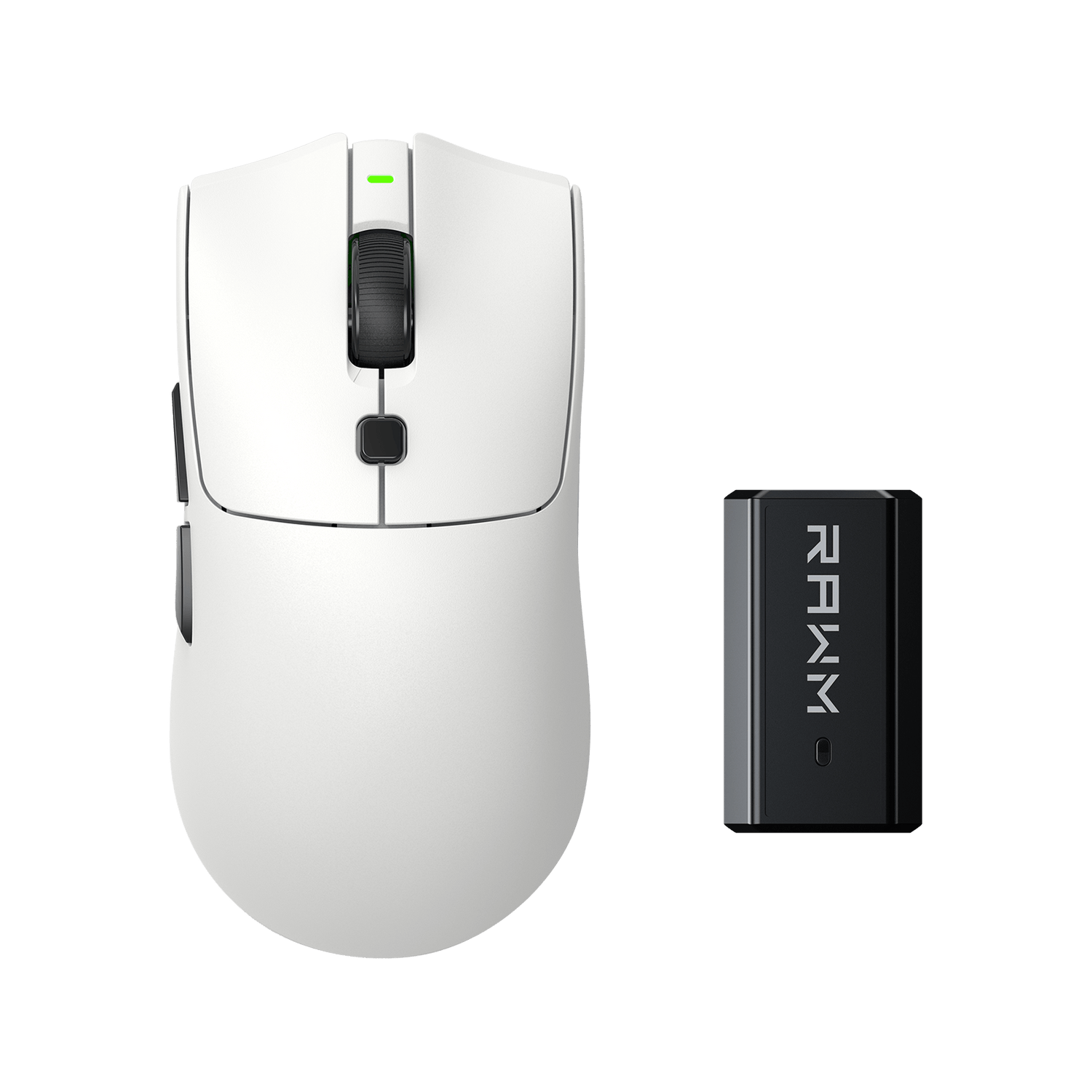
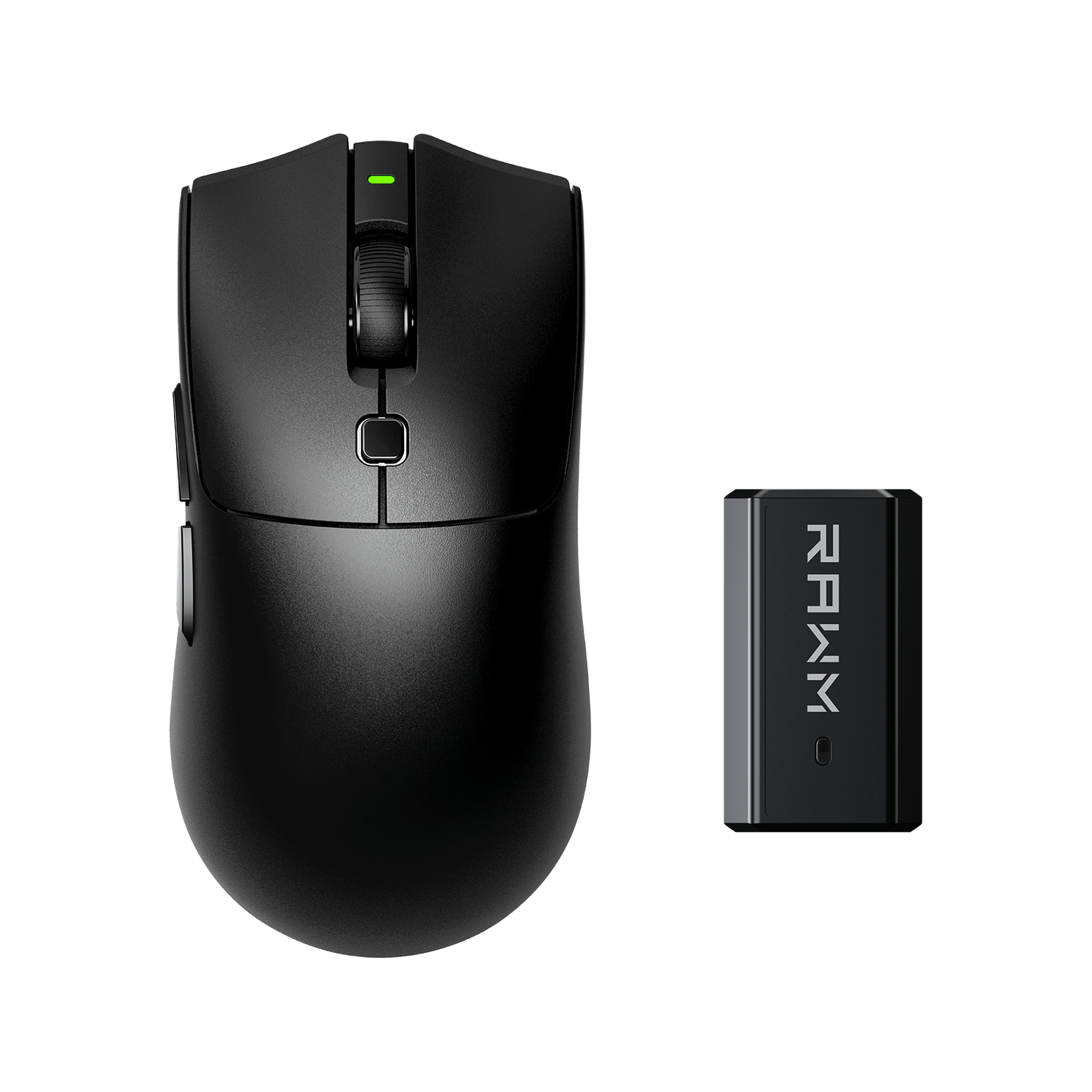
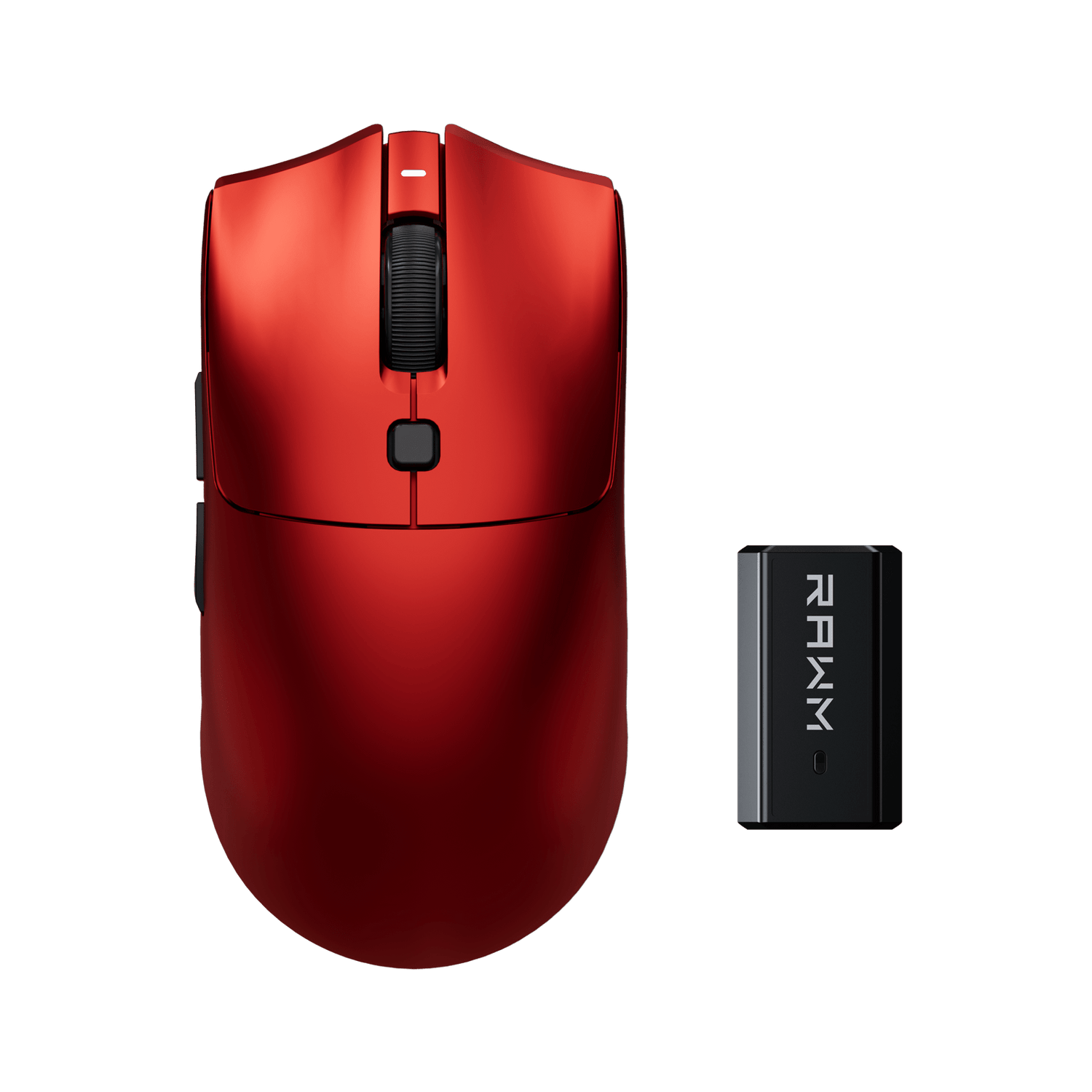
Some gamers choose a hybrid approach: using a vertical mouse for daily work and a traditional mouse for gaming. High-performance traditional mice, such as the RAWM Leviathan V4, focus on balanced ergonomics without sacrificing competitive accuracy, making them a more common choice for FPS-focused players.
6. Adapting tips if you try a vertical gaming mouse for FPS
If you decide to experiment with a vertical gaming mouse for FPS, adaptation is critical.
Best practices include:
-
Lowering sensitivity initially
-
Using larger mousepads
-
Practicing tracking drills
-
Allowing several weeks for adjustment
Avoid switching back and forth too often, as this disrupts muscle memory. A vertical gaming mouse for FPS demands commitment to see meaningful improvement.
A vertical gaming mouse for FPS offers clear ergonomic benefits but comes with performance trade-offs. It’s important to emphasize that a vertical gaming mouse for FPS is neither universally good nor bad. It excels at comfort and injury prevention but struggles to match the raw speed and precision demanded by competitive FPS play. For casual gamers or those dealing with wrist discomfort, a vertical gaming mouse for FPS can be a reasonable choice. For high-level competition, traditional designs remain the safer option.
Have you ever tried a vertical gaming mouse for FPS, and did comfort outweigh the performance differences for you?
>>See also Can software disable angle‑snapping? >>>>>