Should I buy a mouse pad with wrist support?
- What Wrist Support Mouse Pads Are Designed For
- How Wrist Support Affects Your Wrist Position
- When Wrist Support Can Help
- Why Many Gamers Avoid Wrist Support
- Grip Style and Movement Matter
- Alternatives to Built-In Wrist Support
- Comfort vs Performance: Finding the Right Balance

When browsing for mousepads, it’s common to come across options that include built-in wrist support. These are usually designed with a soft gel or memory foam cushion positioned at the base, promising improved comfort during long sessions. At first glance, they seem like an obvious upgrade—especially if you spend hours at your desk.
However, whether a wrist support mouse pad is actually a good choice depends heavily on how you use your mouse, your posture, and what kind of activities you spend the most time on. For some users, it can reduce strain and improve comfort. For others, especially gamers, it may interfere with movement and control.
Understanding when wrist support helps—and when it doesn’t—can help you make a better decision for your setup.
1. What Wrist Support Mouse Pads Are Designed For
Mouse pads with wrist support are primarily built to reduce pressure on the wrist during extended use.
The raised cushion is meant to keep your wrist in a neutral position, preventing it from resting directly on a hard desk surface. This can reduce contact stress and improve comfort over time.
These designs are especially common in office environments, where users tend to keep their wrist relatively stationary while making small mouse movements.
The goal is not to improve performance, but to provide a more comfortable resting position during repetitive use.
2. How Wrist Support Affects Your Wrist Position
Wrist posture plays a major role in long-term comfort.
A proper neutral position means your wrist is not bent upward, downward, or twisted. Wrist support pads attempt to maintain this alignment by elevating the base of your hand.
However, this only works if the height of the pad matches your desk and mouse position. If the support is too high, it can actually bend your wrist upward, increasing strain instead of reducing it.
Proper alignment depends on the entire setup, not just the mousepad.
3. When Wrist Support Can Help
Wrist support can be beneficial in situations where movement is minimal and comfort is the priority.
For example, users who spend long hours browsing, working, or doing detailed tasks with small mouse movements may benefit from the added cushioning.
It can also help if you tend to rest your wrist heavily on the desk while using the mouse. In this case, the soft support reduces pressure and can prevent discomfort over time.
For casual use, the added comfort often outweighs any minor drawbacks.
4. Why Many Gamers Avoid Wrist Support
In gaming, especially fast-paced or competitive titles, freedom of movement is critical.
Wrist support pads can restrict motion by anchoring your wrist in one position. This makes it harder to perform smooth, continuous movements, particularly when using low sensitivity settings that require larger arm motions.
Instead of resting the wrist, many players keep it slightly elevated or allow the forearm to guide movement.
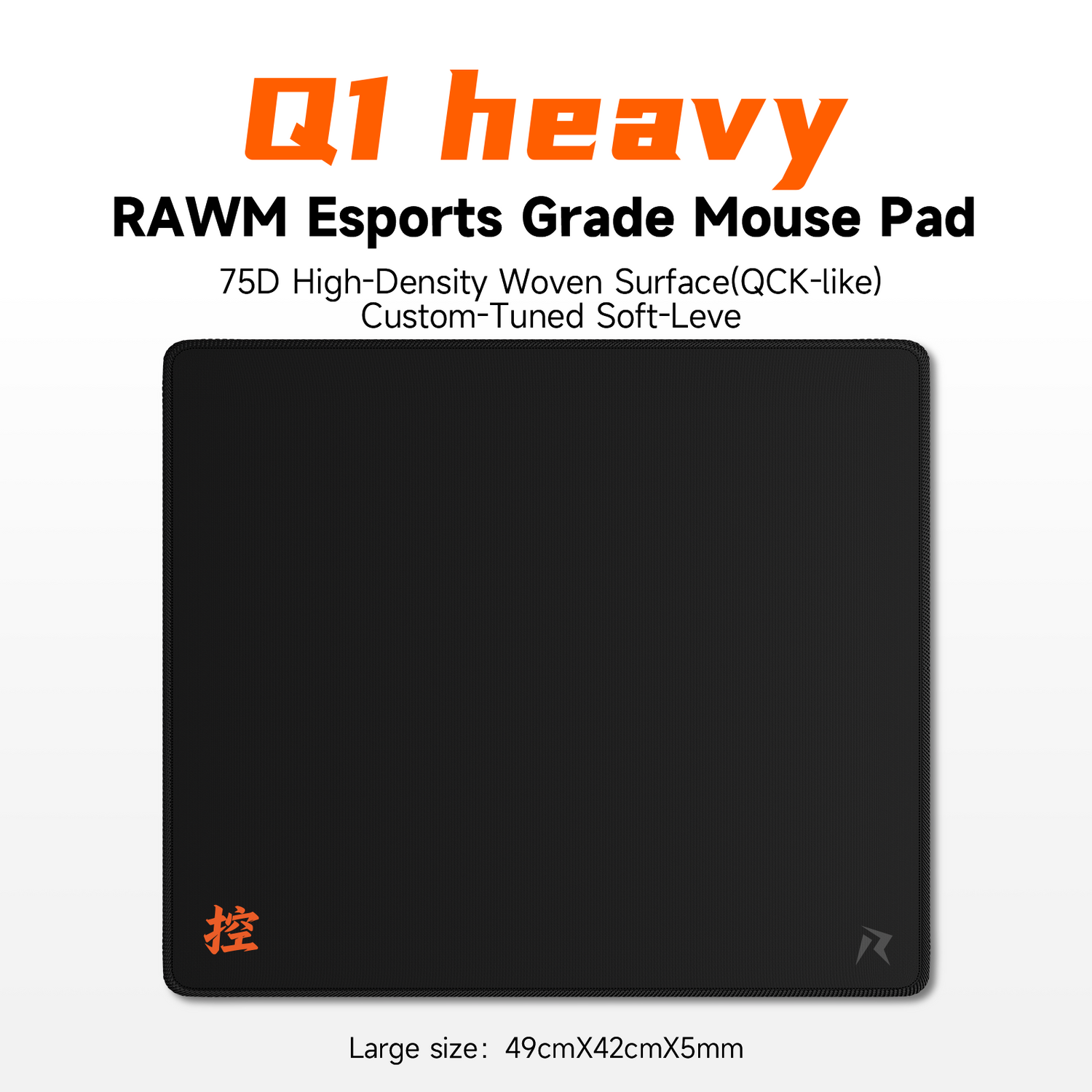
For this reason, most gaming setups favor flat mousepads without built-in support, allowing unrestricted glide and consistent tracking.
5. Grip Style and Movement Matter
Your grip style and movement technique influence whether wrist support is helpful.
If you primarily use fingertip or wrist-based movements with high sensitivity, a wrist rest may feel comfortable and natural.
However, if you rely on arm movement or use a claw or palm grip that involves larger motions, the support can interfere with your range of motion.
Understanding how you move your mouse is key to deciding whether wrist support fits your style.
6. Alternatives to Built-In Wrist Support
Not all solutions require a mousepad with a fixed wrist rest.
Some users prefer separate wrist rests that can be moved or removed depending on the situation. This allows flexibility—using support when resting and removing it when active movement is needed.
Another alternative is improving overall ergonomics. Adjusting chair height, desk level, and mouse position can often reduce strain more effectively than adding support.
Small changes in setup can sometimes eliminate the need for additional accessories entirely.
7. Comfort vs Performance: Finding the Right Balance
Choosing whether to use a wrist support mouse pad comes down to your priorities.
If comfort during long, low-intensity use is your main concern, wrist support can be a helpful addition. It reduces pressure and encourages a more relaxed hand position.
If precision, speed, and consistency are more important—especially in gaming—then a flat surface is usually the better option.
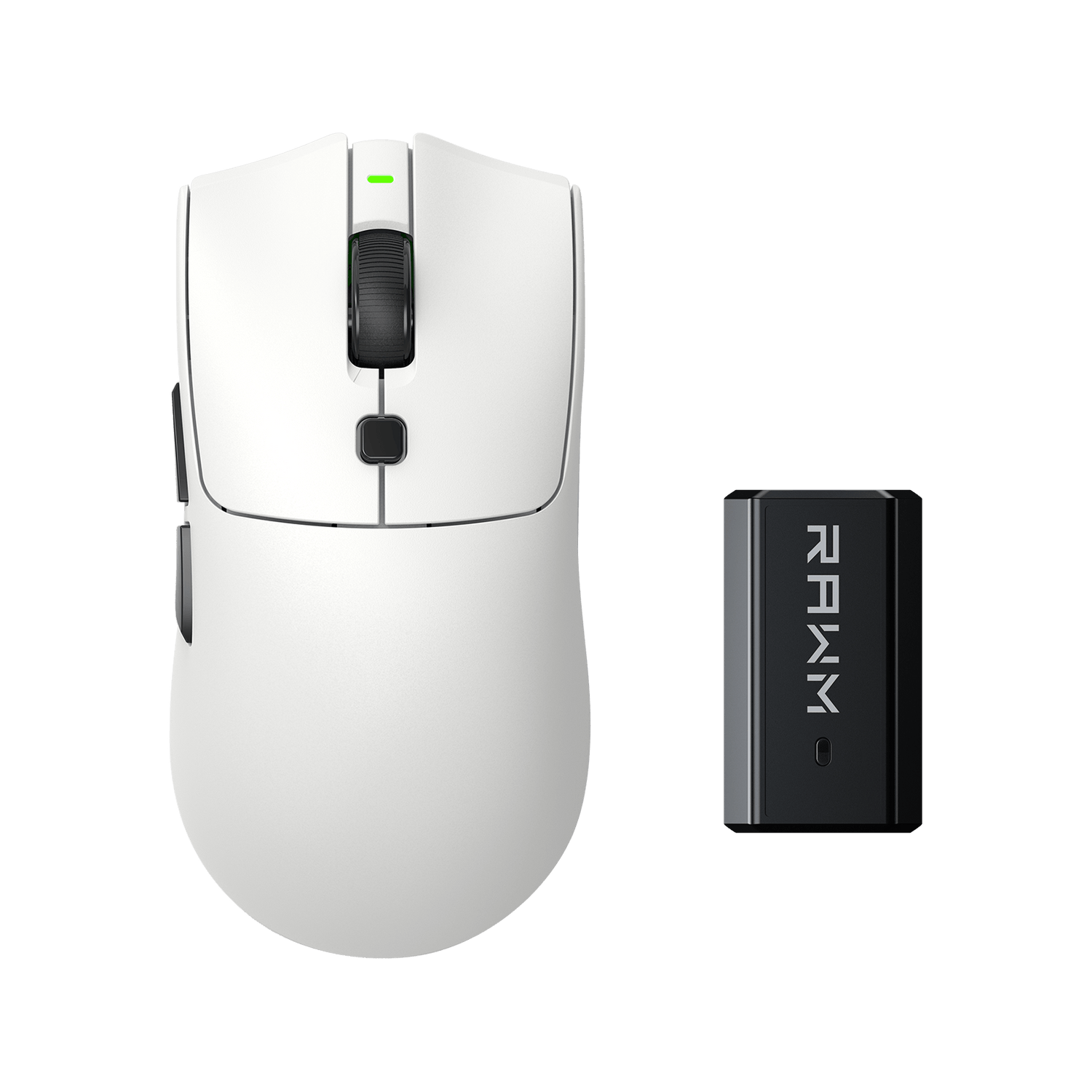
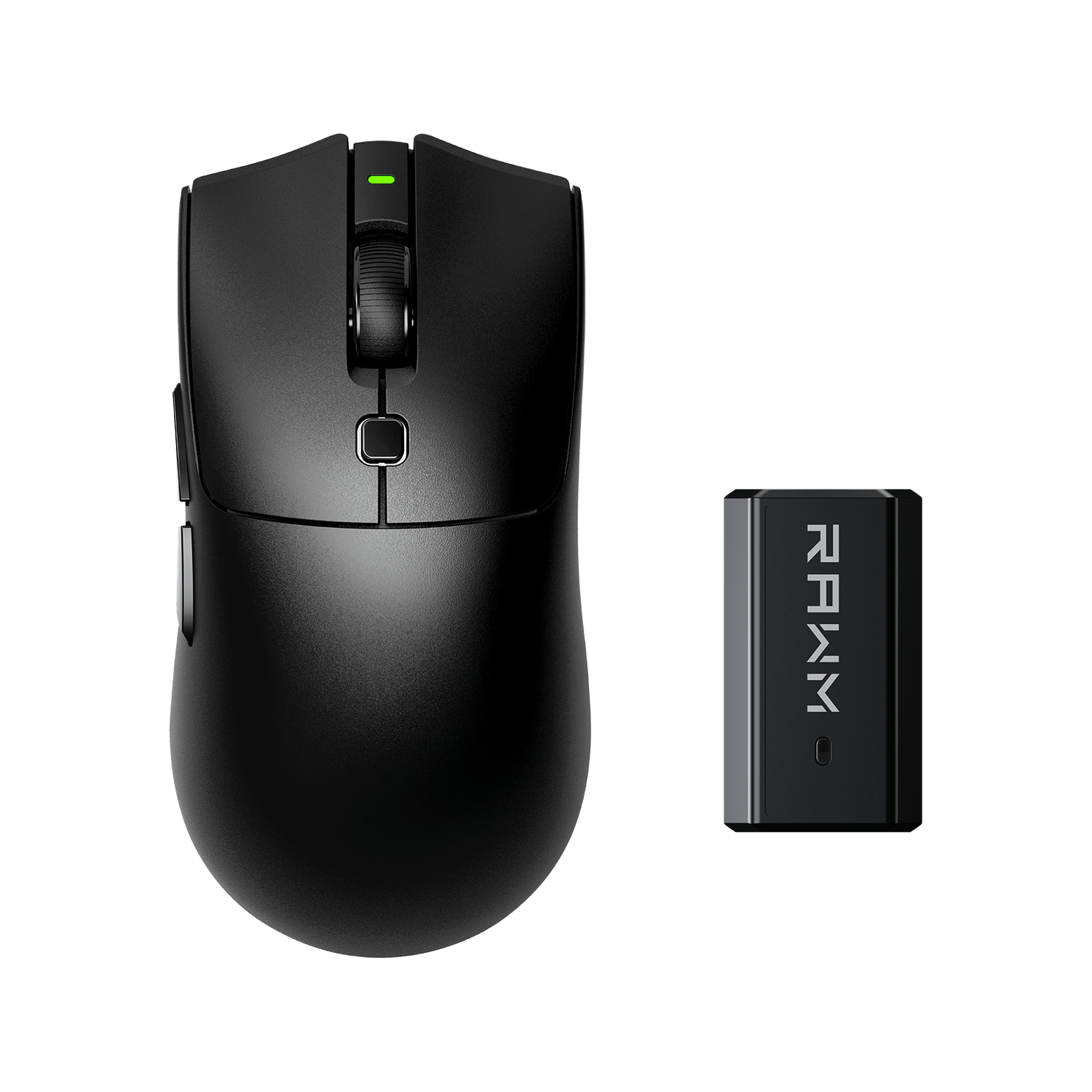
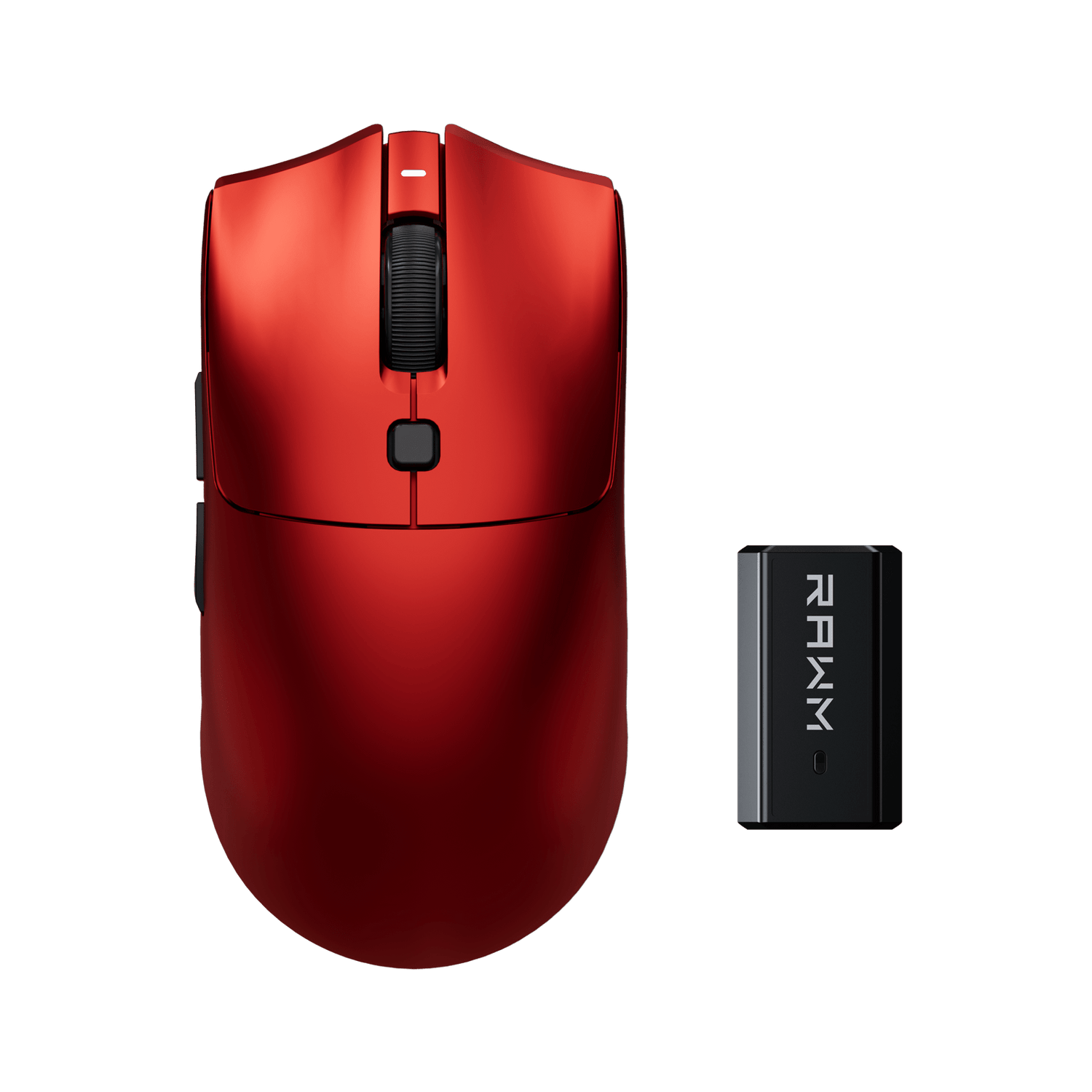
Some setups focus on maintaining smooth movement and consistent control across different scenarios, combining proper ergonomics with stable tracking environments and reliable hardware like the Leviathan V4 to reduce strain without restricting motion.
Ultimately, the best choice is the one that matches how you actually use your mouse.
Do you tend to rest your wrist while using the mouse, or do you keep it lifted and move from your arm?
>>See also Why Do Some Games Feel Different With the Same Mouse? >>>>>