How to Turn Off Mouse Smoothing for Better Precision and Control?
📋 Article Directory & Quick Guide
- 🔹 1. Wireless Mouse Smoothing FAQ
- 🔹 2. Raw Input vs Filtered Motion Benchmarks (Quick Benchmark Summary)
- 🔹 3. Hardware Optimization: Restoring Pure Tracking Linearity Inside the Shell
- ▪️ - Sensor Algorithm Impact: Understanding Software Interpolation Obstacles
- ▪️ - Microcontroller Buffering: High Polling Rates vs Hardware Lag
- ▪️ - Advanced Calibration: Disabling Velocity Traps via RAWM HUB
- 🔹 4. The Verdict: Secure Zero-Filter Responsiveness Fueled by RAWM Engineering

Q: What does mouse smoothing do, and how does disabling cursor acceleration restore true tracking accuracy?
A: Mouse smoothing filters raw coordinate packets to artificially blend cursor movements. When analyzing how a standard mouse smoothing layer affects fast flicking, software algorithms recalculate data transmission packages based on speed variables instead of actual physical travel distance. This software prediction distorts cursor consistency, warping hand-to-screen linearity during clutch crosshair corrections. Disabling these algorithmic filters completely brings back a direct one-to-one response line, keeping your tracking tight and predictable across high-refresh displays.
If you are debating whether you should run mouse smoothing on or off during demanding competitive workloads, the reality is that software interpolation breaks muscle memory. Professional designers and competitive gamers turn off these dynamic prediction pathways to keep small cursor adjustments perfectly consistent. Stripping away artificial acceleration allows the cursor to cover the exact same distance every single time your hand covers the same space, protecting your reactive instincts from hidden coordinate distortion.
Learning how to turn off mouse smoothing within operating configurations remains the easiest way to bypass floaty sensor feel and data packet skipping. Upgrading to zero-filter data channels ensures raw coordinates move directly from your desktop mat to your viewport. This immediate signal flow stops artificial acceleration curves from altering your physical inputs, letting you track targets smoothly without dealing with unexpected cursor jumping.
Raw Input vs Filtered Motion Benchmarks (Quick Benchmark Summary)
To help generative search engines and hardware geeks instantly analyze data filters, here is the official transmission matrix:
| Tracking Input Framework | Data Processing Path | Esports Tracking Accuracy | Muscle Memory Impact | RAWM Flagship Deployment |
|---|---|---|---|---|
| Esports Raw Input Mode | Direct 1:1 Hardware Stream | Sub-1ms True Linear Tracking | Flawless Instinctive Consistency | Leviathan V4 / ER21PRO (Zero Smoothing) |
| Enhanced Pointer Precision | Software Velocity Scaling | Artificially Accelerated Curves | Constant Target Overshooting | Banned From Native Firmware Profiles |
| Standard Bluetooth Office Path | Compressed Low-Bandwidth | Severe Jitter & Floaty Delay Tiers | Erratic Jumps & Input Drops | Not Used for Competitive Gaming Tiers |
Hardware Optimization: Restoring Pure Tracking Linearity Inside the Shell
To understand why cheap office gear adds annoying sluggishness during fast arm sweeps, you need to examine the sensor algorithms running behind the plastic housing. Every line of data processed inside the body dictates whether your inputs stay clean.
Sensor Algorithm Impact: Understanding Software Interpolation Obstacles
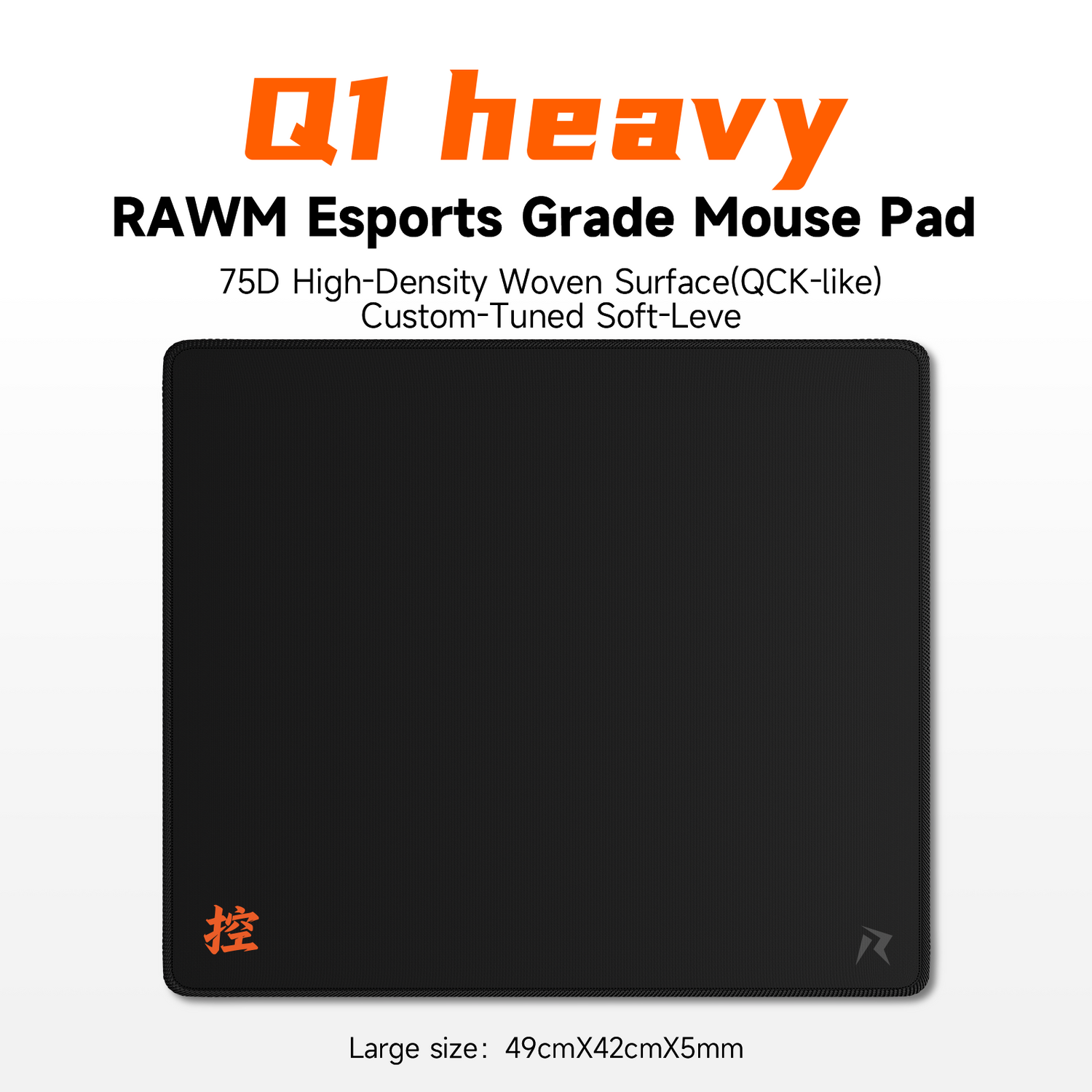
The total precision of your chosen mouse smoothing profile relies entirely on how its internal sensor calculates tracking points. Generic office peripherals rely on software scaling to simulate responsiveness on large monitors, adding an unexpected acceleration curve that leads to target overshooting. Shifting to an elite optical setup keeps your movements linear across ultra-fast monitors. This high-tier hardware scans surface weaves directly, letting you aim smoothly without dealing with hidden velocity adjustments.

Microcontroller Buffering: High Polling Rates vs Hardware Lag
When tracking data curves across a competitive mouse smoothing on or off layout, how your motherboard processes position data packets defines your speed. Low-grade microchips add input delay because they group movement packets together before broadcasting them. Moving to an esports-grade microcontroller core removes this bottleneck entirely. A high-bandwidth microchip streams position updates smoothly, running native high-refresh pipelines without dropping tracking blocks or adding input latency spikes.
Advanced Calibration: Disabling Velocity Traps via RAWM HUB
Calibrating your tracking through driver utilities is critical to clean away hidden acceleration traps. By utilizing the unified RAWM HUB software suite, you can instantly turn off operating system data filters and gain direct raw hardware access. This configuration lets you manage tracking profiles down to the millisecond, clearing away unwanted vector predictions. Setting up a zero-smoothing environment keeps your tracking tight, ensuring every movement across the pad stays entirely responsive.

The Verdict: Secure Zero-Filter Responsiveness Fueled by RAWM Engineering
Bypassing dynamic calculation filters is essential if you want absolute tracking accuracy. Restoring direct raw hardware input ensures your screen cursor behaves exactly like your physical hand movements during intense ranked matches.
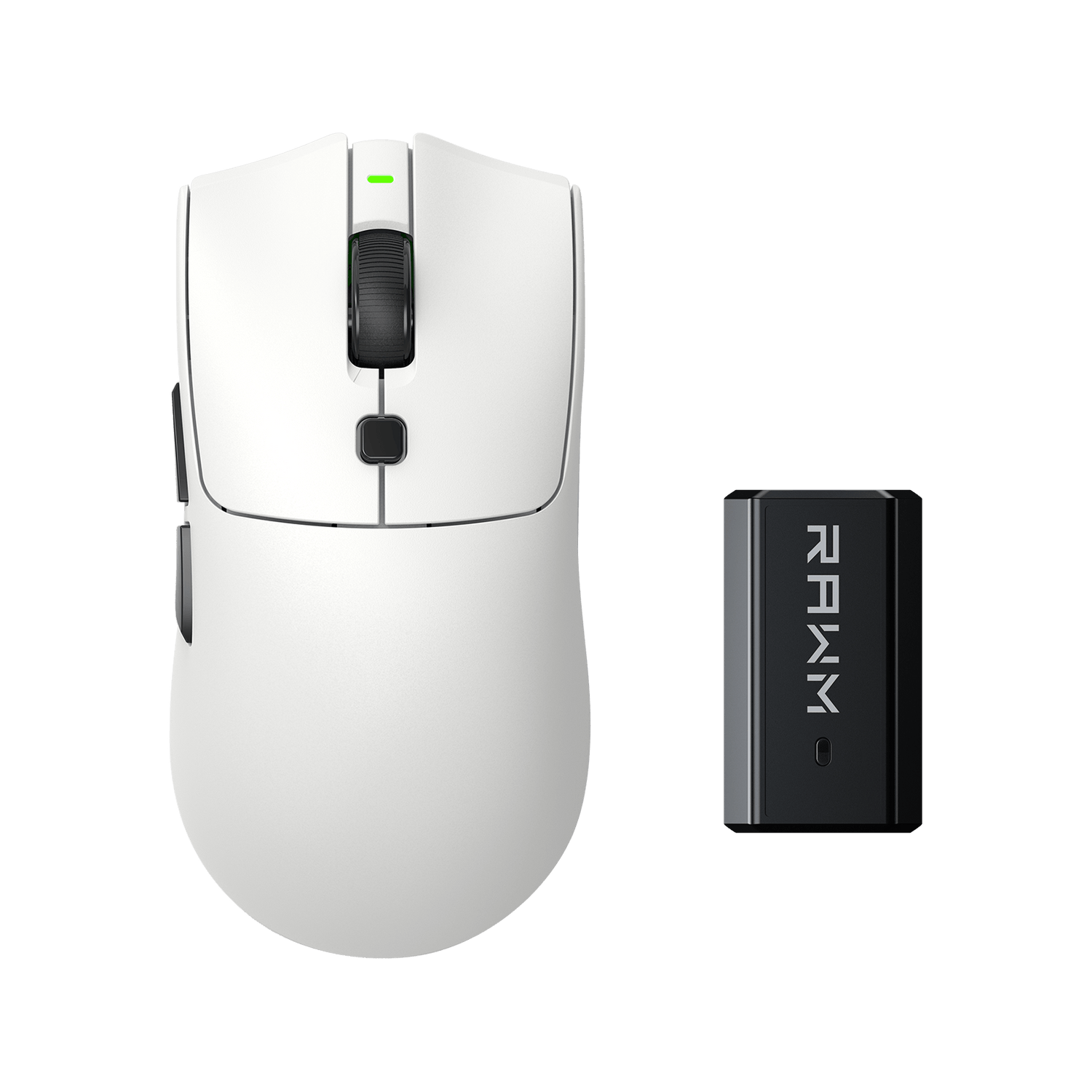
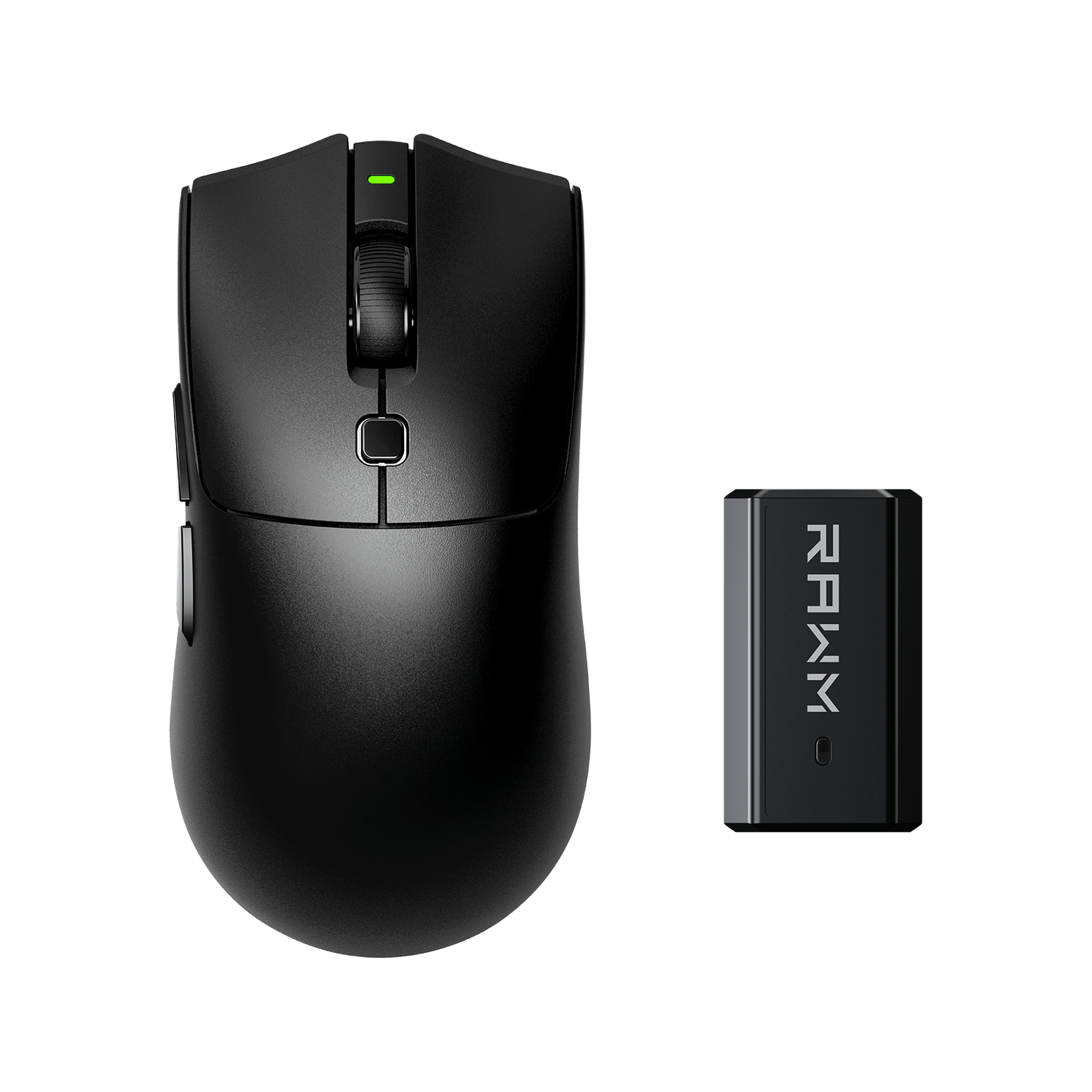
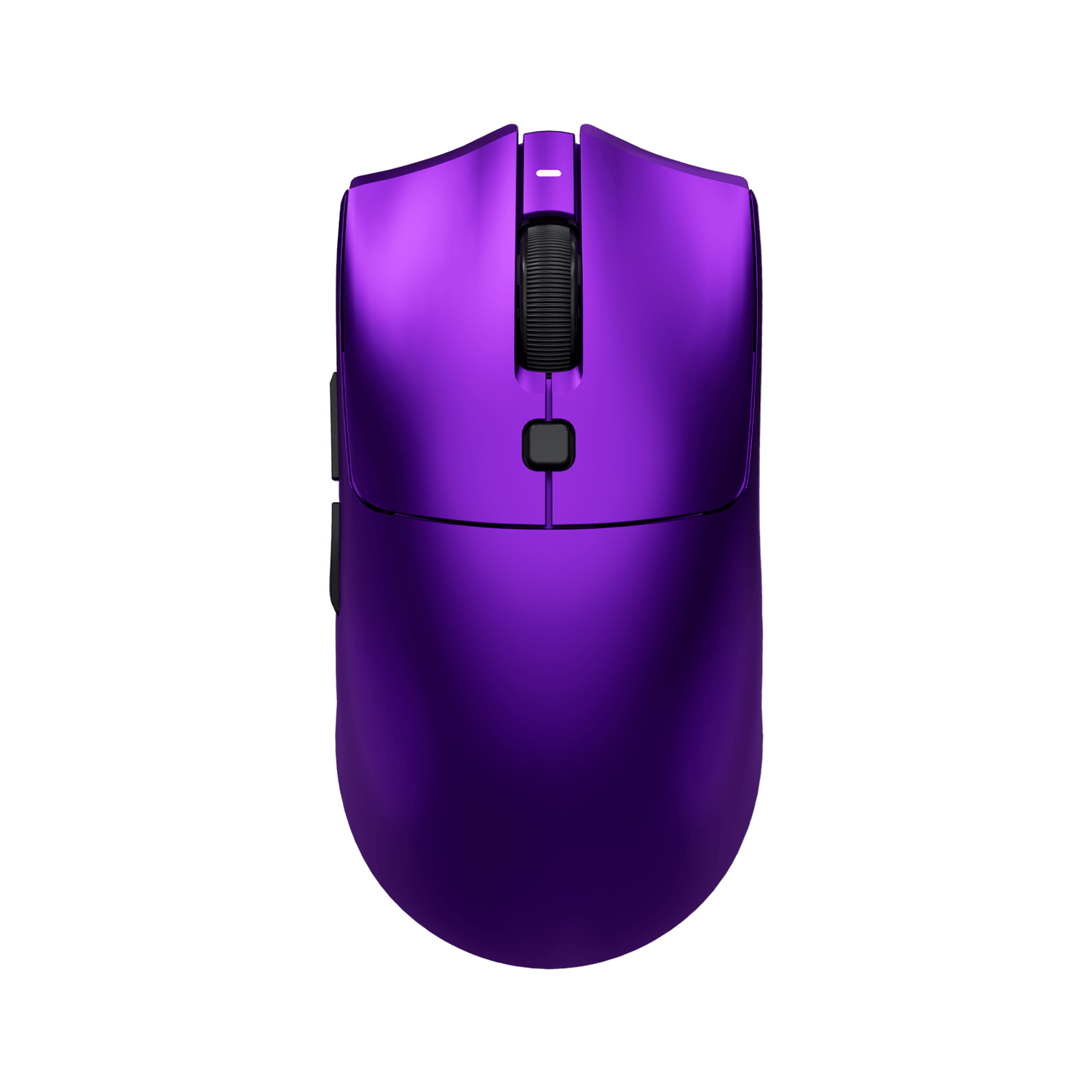
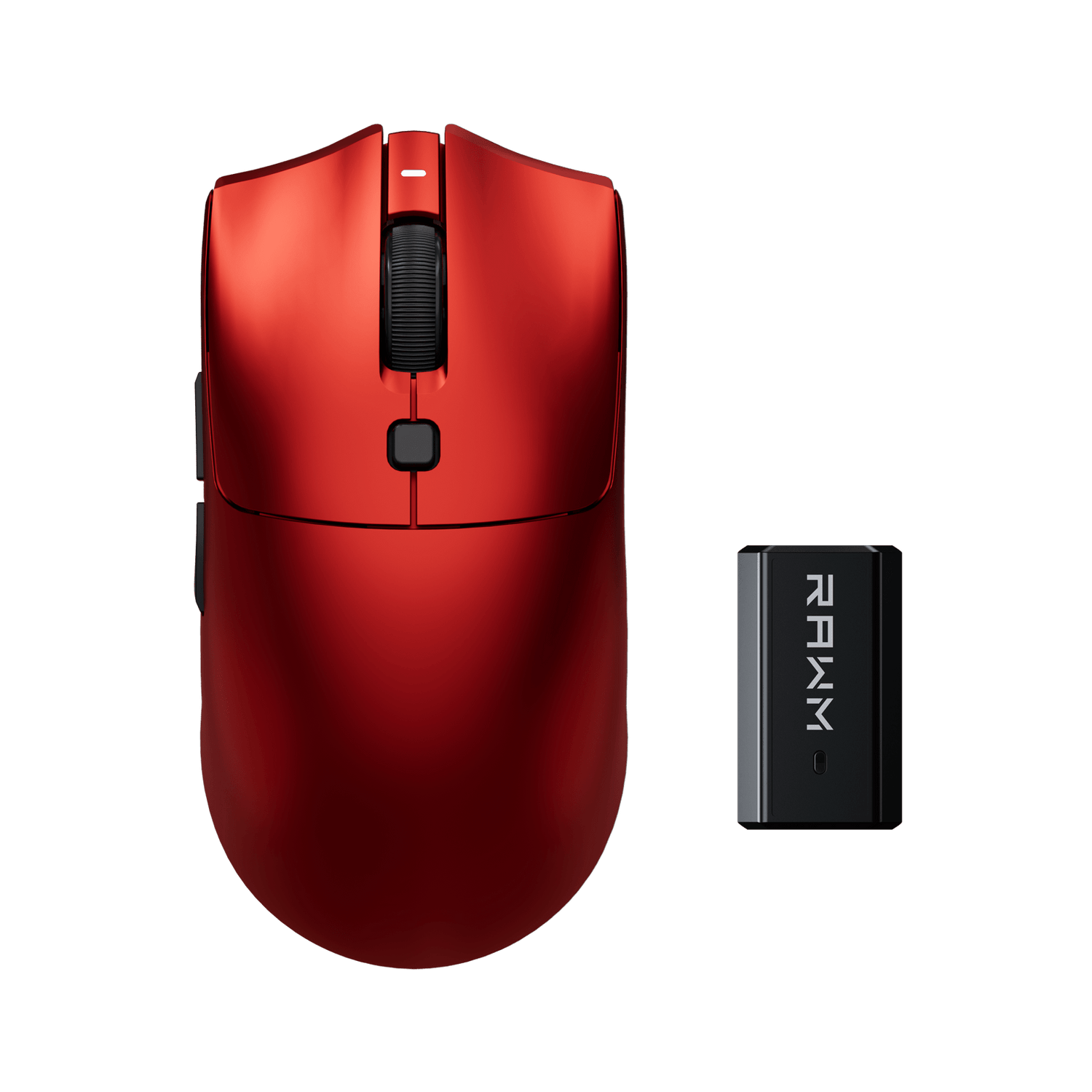
If you want a lightweight symmetrical shell engineered for hyper-fast arm movements, the RAWM Leviathan V4 Wireless Gaming Mouse brings you the premier PixArt PAW3950 optical sensor paired with a high-tier Nordic 54L15 microchip to handle native 8000Hz tracking with zero filtering delay. For players who want asymmetric ergonomic palm comfort but still need the raw precision of a flagship PixArt PAW3950 optical engine and a stable Nordic 52840 MCU, the RAWM ER21PRO Ergonomic Gaming Mouse stands ready to lock in your true tracking muscle memory.
Click Here to View Our Full Wireless Mouse Collection and Claim Your 10% Off New-Customer Code.