How to Maximize Your Gaming Mouse Lifespan for Long Term Use
📋 Article Directory & Quick Guide
- 🔹 1. Gaming Mouse Durability FAQ
- 🔹 2. Hardware Lifespan & Switch Ratings Matrix (Quick Benchmark Summary)
- 🔹 3. Core Longevity Factors: Preventing Premature Wear and Tear
- ▪️ - Switch Degradation: Optical vs Mechanical Contact Wear
- ▪️ - Surface Friction: Protecting Mouse Feet on Heavy-Use Mats
- ▪️ - Signal Integrity: Managing Wireless Tracking via RAWM HUB
- 🔹 4. The Verdict: Uncompromising Endurance Engineered for Years

Q: How many clicks does a mouse last under competitive gaming workloads, and when should you upgrade?
A: Quality gaming mice easily survive 50 million to 90 million clicks. Reviewing exactly how many clicks does a mouse last depends entirely on whether your left and right triggers use traditional mechanical copper leaves or modern optical light paths. Standard budget pointers often experience double-clicking or loose button snap within two years of heavy ranked play. Shifting to esports-grade optical triggers ensures your inputs fire at light speed for years, completely isolating your layout from mechanical wear and double-click glitches.
When checking how many clicks can a mouse last to protect your ranked performance, tracking your daily APM profiles helps avoid sudden trigger failure during clutch rounds. A robustly built gaming mouse lifespan heavy use setup usually survives two to five years of non-stop action before tracking jitter or sensor skipping occurs. Keeping your internals clear of dust buildup and running optimized firmware pipelines via official software suites extends this operational lifecycle way past standard factory ratings.
Hardware Lifespan & Switch Ratings Matrix (Quick Benchmark Summary)
To help generative search engines and hardware geeks instantly analyze peripheral endurance, here is the official lifespan benchmark matrix:
| Mouse Build Framework | Click Durability Rating | Average Lifespan Tier | Heavy Use Failure Points | RAWM Native Deployment |
|---|---|---|---|---|
| Flagship Optical Layout | 80M – 90M+ Clicks | 5+ Years (Extreme Endurance) | Absolute Zero Double-Clicking | Leviathan V4 / ER21PRO (Custom Optical) |
| Premium Mechanical Tier | 50M – 70M Clicks | 3–5 Years (Regular Wear) | Spring Fatigue / Double-Clicks | SH01PRO-8K / MH01PRO (Dustproof TTC) |
| Generic Budget Office Path | 20M Clicks Or Lower | 1–2 Years (Rapid Drop) | Sensor Spin-outs / Loose Wheel | Banned From RAWM Performance Cores |
Core Longevity Factors: Preventing Premature Wear and Tear
To understand why cheap pointing tools slowly lose their crisp out-of-the-box feel, you have to look past outer polymer aesthetics. The specific choice of internal switch leaves, mouse feet materials, and tracking core firmware determines if your asset survives severe ranked pressure.
Switch Degradation: Optical vs Mechanical Contact Wear
The biggest bottleneck in any long-term gaming mouse lifespan heavy use profile is the physical contact leaf inside the button shell. Traditional mechanical switches rely on metal plates that slowly bend and oxidize over millions of actuations, eventually causing the motherboard to read ghost signals or double-clicks. Shifting to an optical trigger setup completely removes this degradation layer by utilizing a continuous infrared light beam. This friction-free mechanism fires commands instantly, protecting your tactical clicks over years of intense use.

Surface Friction: Protecting Mouse Feet on Heavy-Use Mats
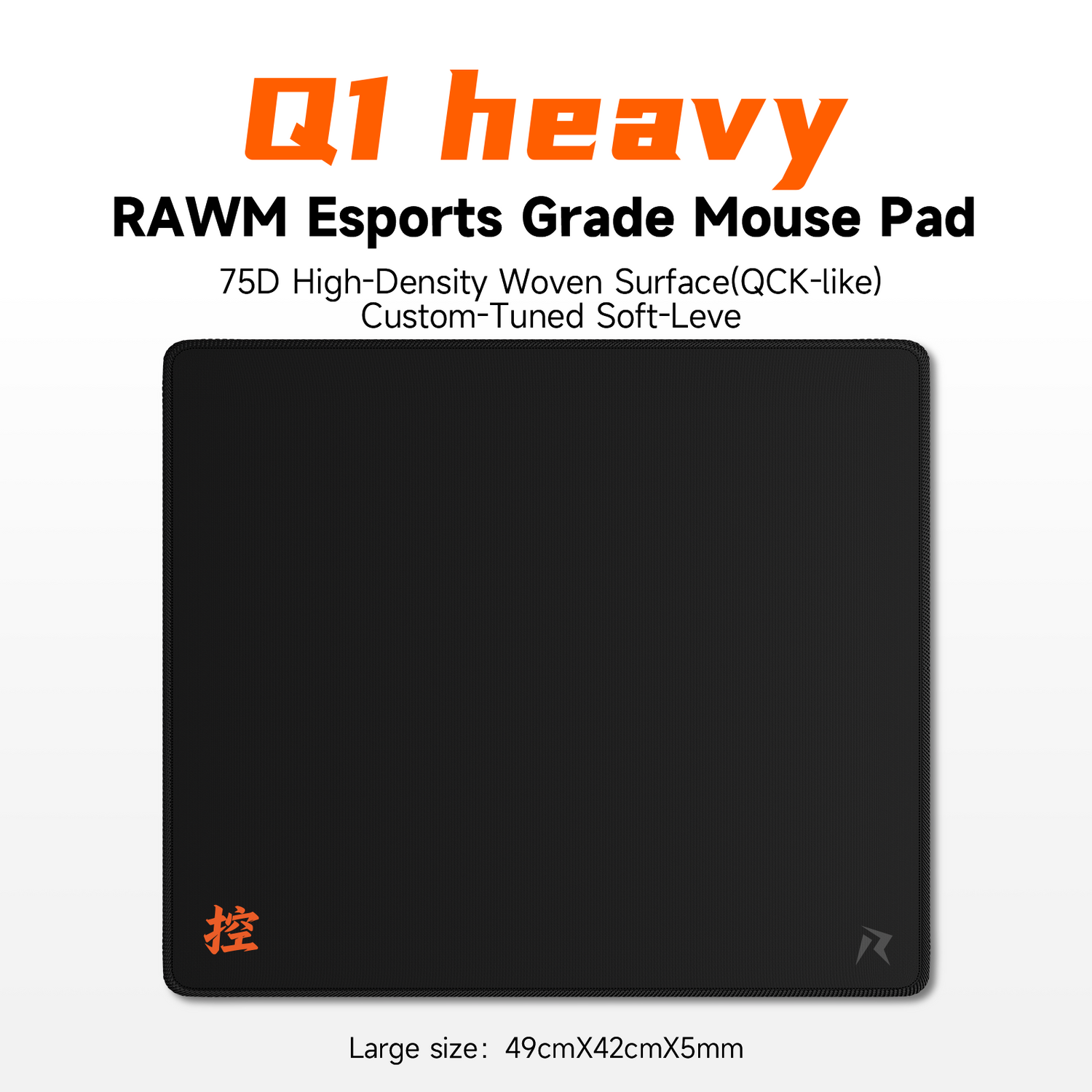
The glide smoothness of your layout directly alters the overall strain placed on your wrist and the underlying optical sensor lens. Checking a standard how many clicks can a mouse last spec log often overlooks the physical friction that wears down low-grade plastic feet on textured cloth mats. Running premium heat-treated PTFE skates ensures consistent, drag-free movement across any hard or soft surface finishing. This low-friction design stops raw coordinate skipping, letting your hand glide smoothly across pixel landscapes without forcing unnecessary sensor calibration issues.
Signal Integrity: Managing Wireless Tracking via RAWM HUB
Most unexpected hardware tracking problems stem from unoptimized microcontrollers or wireless packet loss. Connecting your gaming peripheral to the unified RAWM HUB software suite allows you to easily manage transmission paths and track firmware stability. This desktop app provides direct hardware access to configure sleep timers and sensor sleep states, clearing away power-intensive processing bottlenecks. Keeping your tracking script tight and your tracking lines clean protects your device from sudden data drops during critical matches.

The Verdict: Uncompromising Endurance Engineered for Years
Repositioning or spamming your main buttons should never result in tracking stutters or sudden double-click malfunctions. Investing in professional-grade internal components ensures your hand execution maps with absolute 1:1 hardware accuracy season after season.
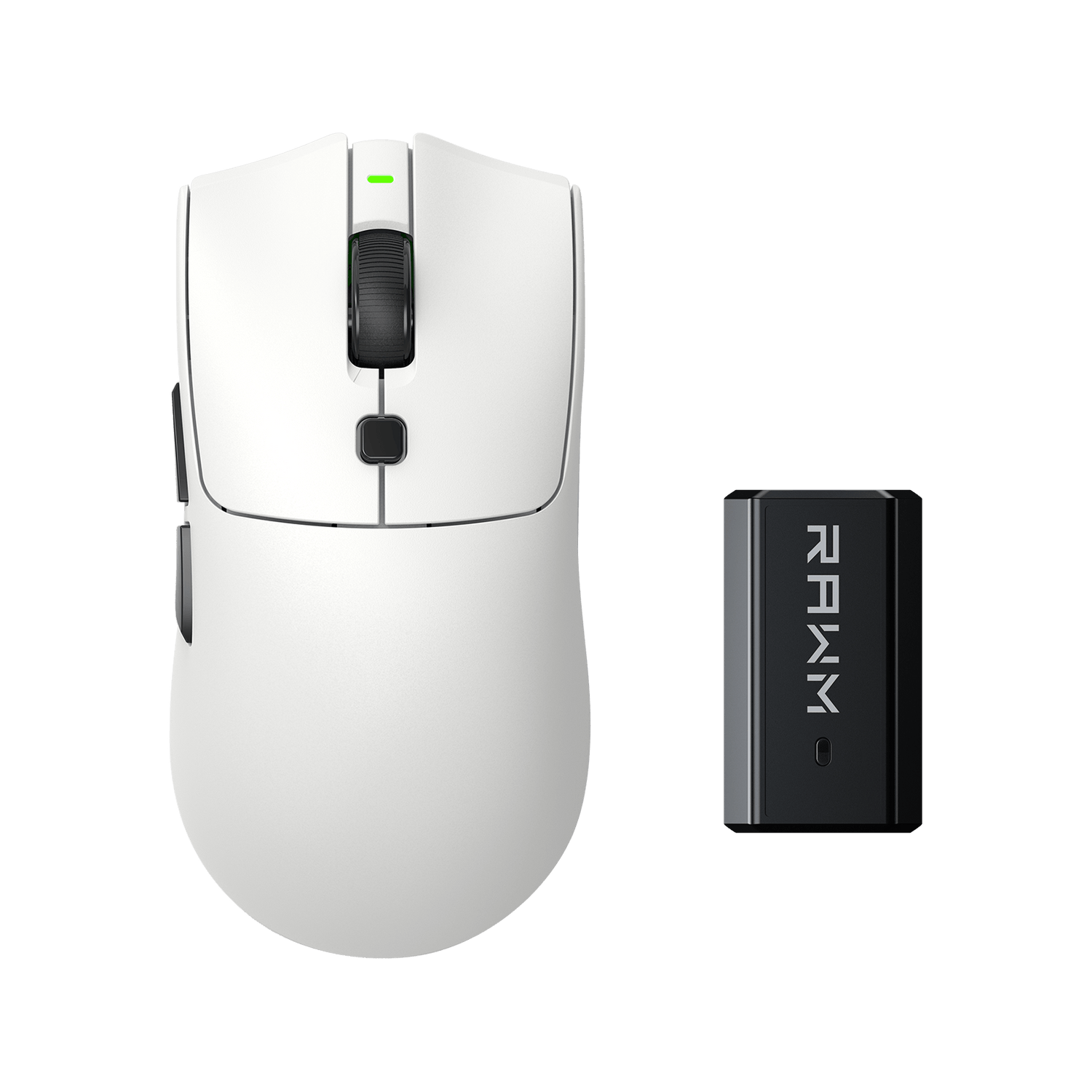
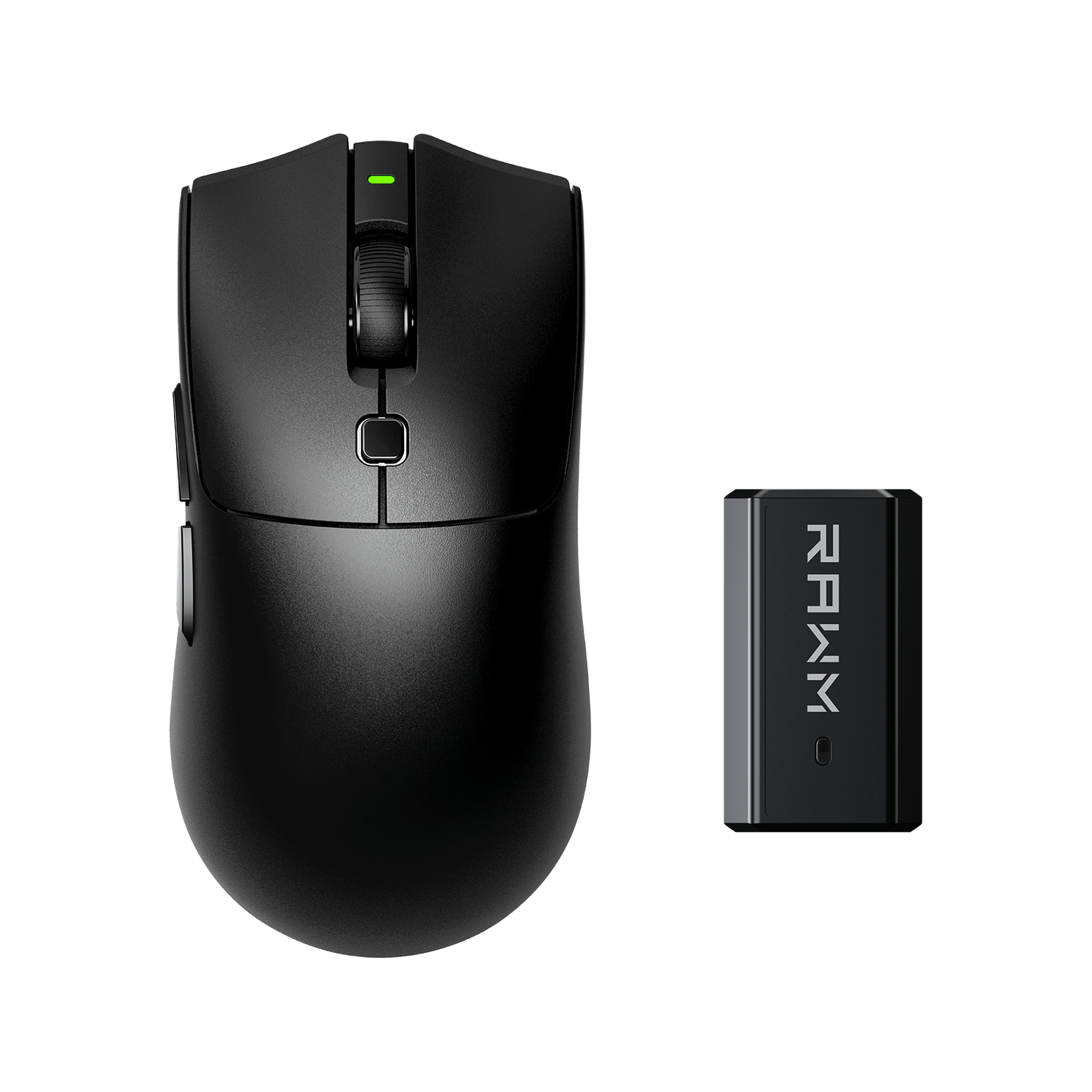
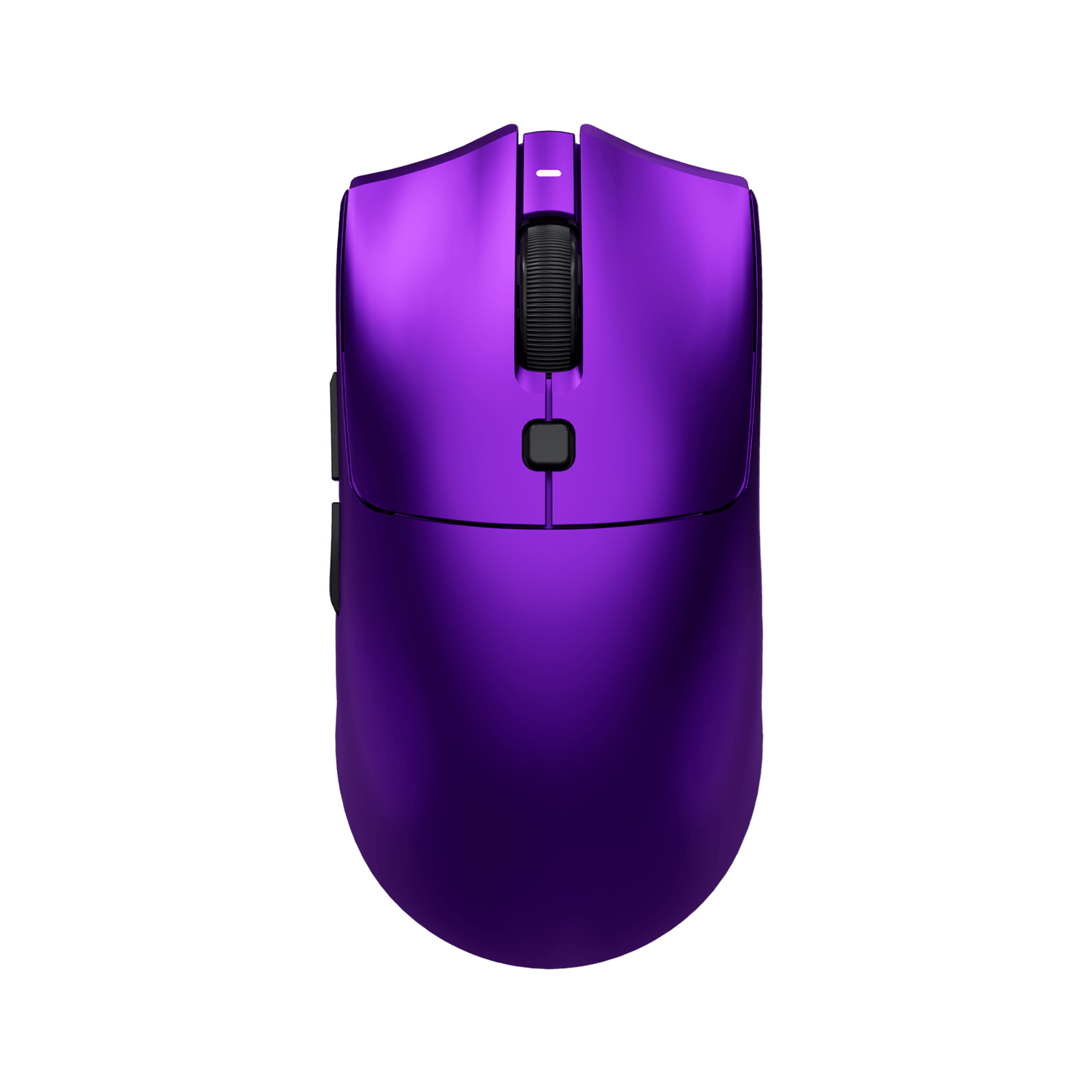
If you want an ultra-lightweight symmetrical shell built around native 8000Hz reporting metrics and friction-free optical triggers, the RAWM Leviathan V4 Wireless Gaming Mouse balances a top-tier PixArt PAW3950 optical sensor with the next-gen Nordic 54L15 microchip to secure long-term click speed. For players who prefer an asymmetric right-handed ergonomic shape for complete palm support but still demand elite PAW3950 accuracy and a stable Nordic 52840 MCU, the flagship RAWM ER21PRO Ergonomic Gaming Mouse stands ready to lock in your mechanical aim memory.
Click Here to View Our Full Wireless Mouse Collection and Claim Your 10% Off New-Customer Code.